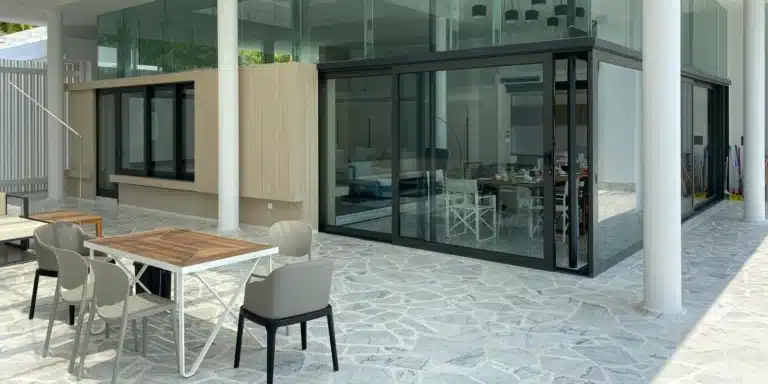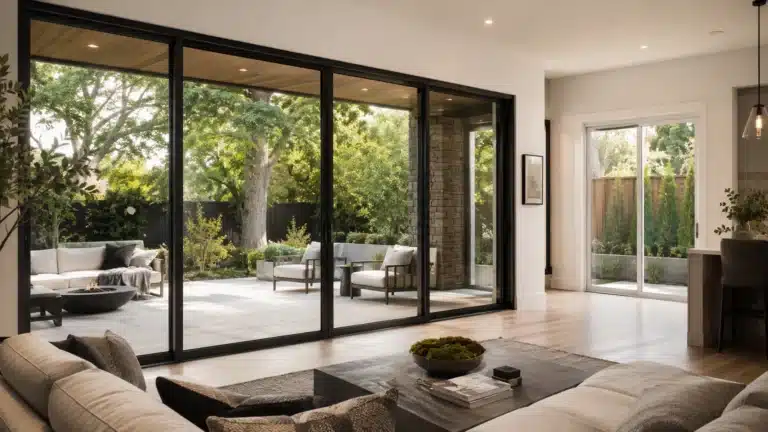

Executive Summary: Modern luxury is defined by what you don’t see. This article explores the architectural shift towards “invisible” architecture, explaining how high-tensile 6063-T66 aluminum and advanced thermal breaks allow for floor-to-ceiling glass with razor-thin frames—balancing the demand for minimalist aesthetics with the necessity of energy performance.
In contemporary North American architecture, the definition of luxury has shifted. It is no longer about ornate details or heavy molding; it is about the absence of boundaries. The most coveted design element in modern custom homes today is not what you see, but what you don’t see.
This pursuit of seamless indoor-outdoor living has driven a significant trend: the rapid adoption of slim frame aluminum windows. By minimizing the visual obstruction, architects can transform solid walls into transparent veils, allowing natural light—and the view itself—to become the primary interior finish.
The Aesthetic Shift: Maximizing the Glass-to-Frame Ratio
For decades, window design was limited by material constraints. Wood and Vinyl (uPVC) require bulk to maintain structural integrity, often resulting in thick, 3-inch+ sightlines that interrupt the view. In contrast, modern architectural windows prioritize the “Glass-to-Frame Ratio.”
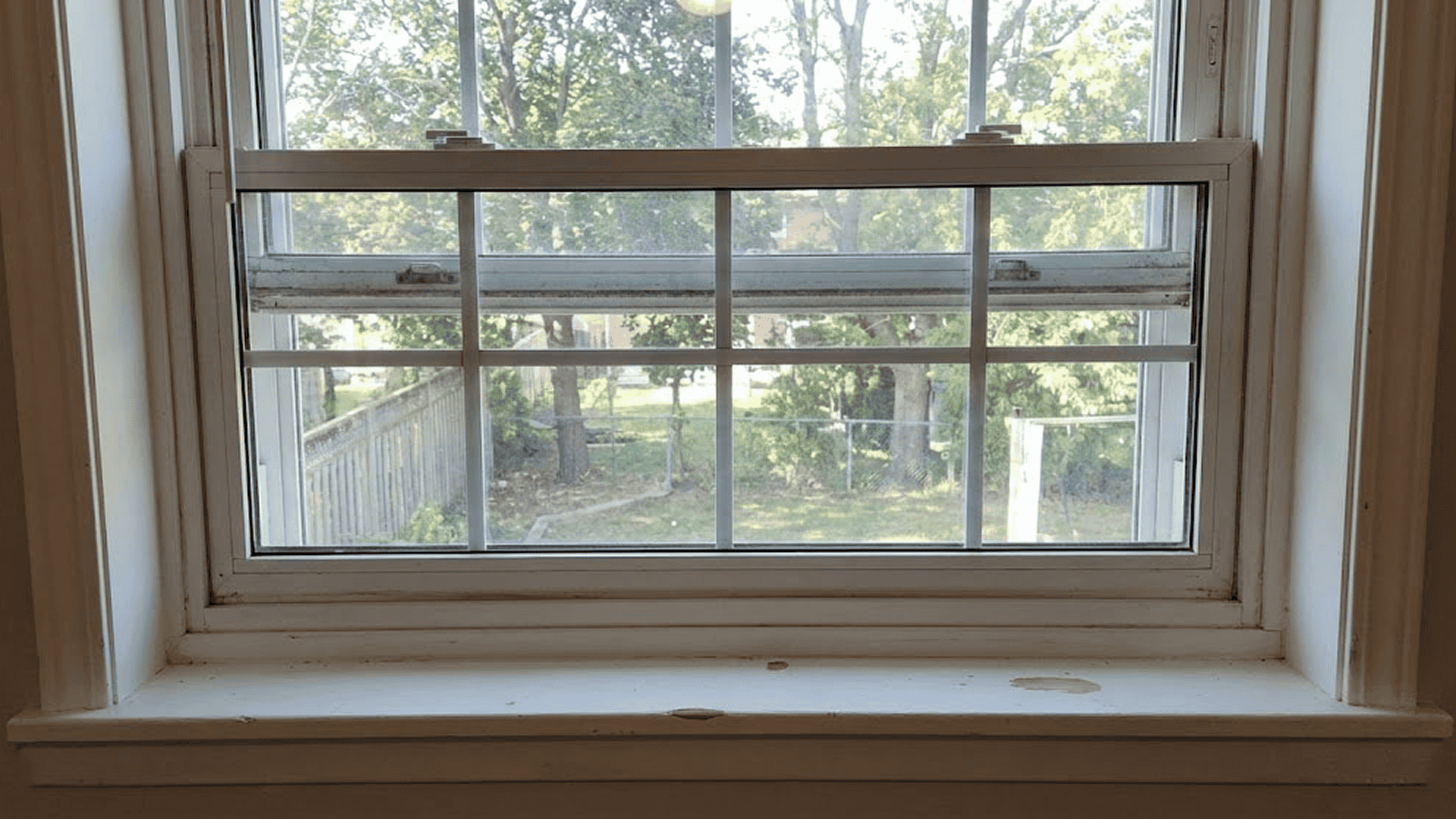
The objective is simple: maximize the viewable area. High-performance aluminum alloys allow for incredibly narrow profiles—reducing sightlines by up to 50% compared to traditional materials—while supporting heavy triple-glazed units. This superior strength-to-weight ratio is why aluminum is the material of choice for the floor-to-ceiling spans that define the “Modern Farmhouse” and “Contemporary Minimalist” styles.
The Engineering Challenge: Strength Meets Efficiency
Achieving this “barely there” look presents a dual challenge: How do you make a frame thinner but stronger? And how do you make metal energy-efficient?
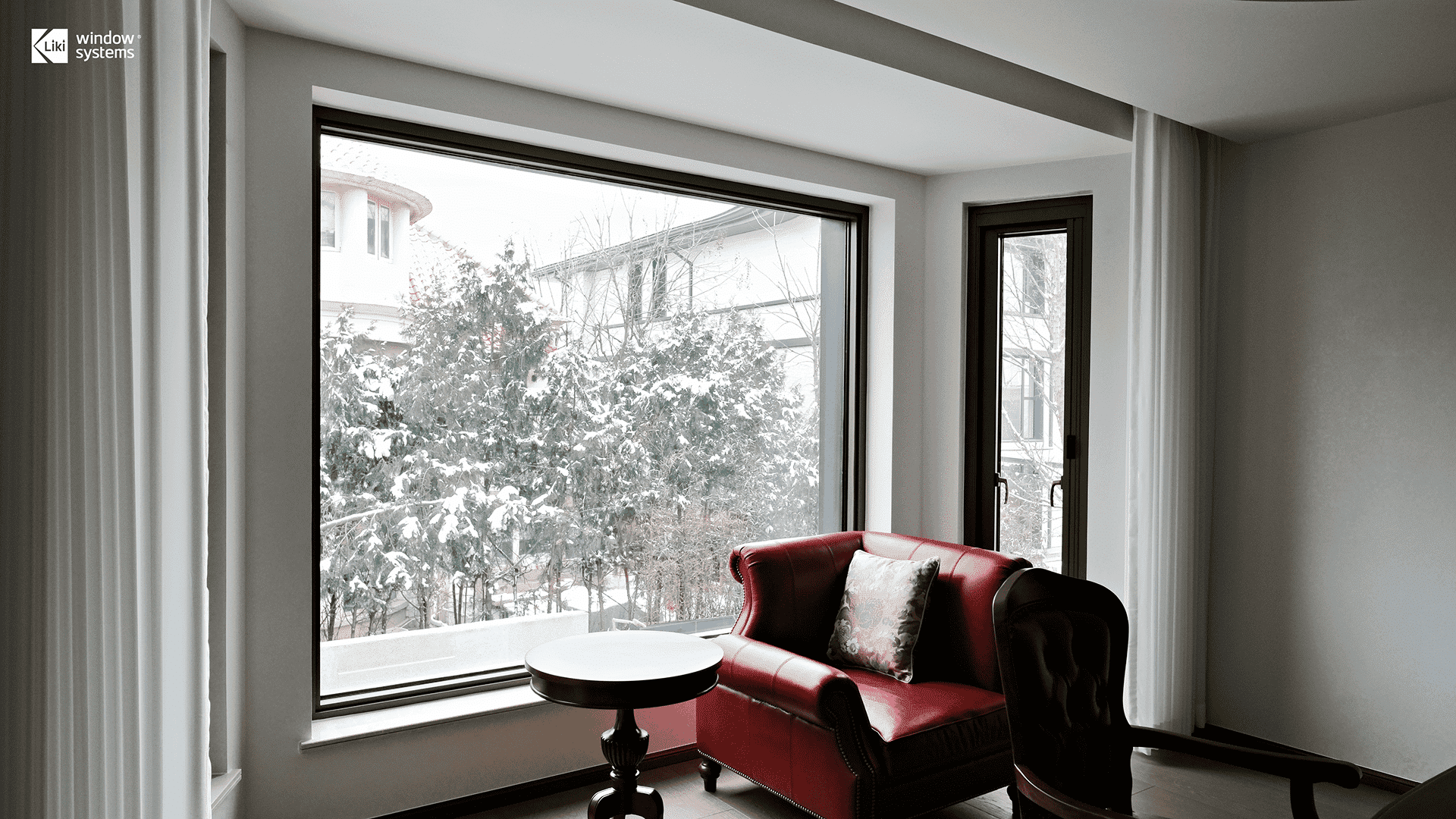
Structural Integrity: The 6063-T66 Advantage
Slim frames must carry immense weight without buckling. This requires premium-grade materials. Industry-leading systems (like LIKI’s) utilize 6063-T66 virgin aluminum. This alloy offers significantly higher tensile strength than standard recycled architectural aluminum. The result? Taller spans and slimmer profiles that withstand high wind loads without compromising safety.
Thermal Performance: The “Cold Metal” Solution
Historically, the hesitation with aluminum was its conductivity—it was beautiful but cold. This is no longer the case. Modern systems integrate precision-engineered polyamide strips (such as Technoform®) between the interior and exterior frames. This effectively breaks the thermal bridge, preventing heat loss in winter and condensation in summer, meeting strict energy codes.
Where Design Meets Performance
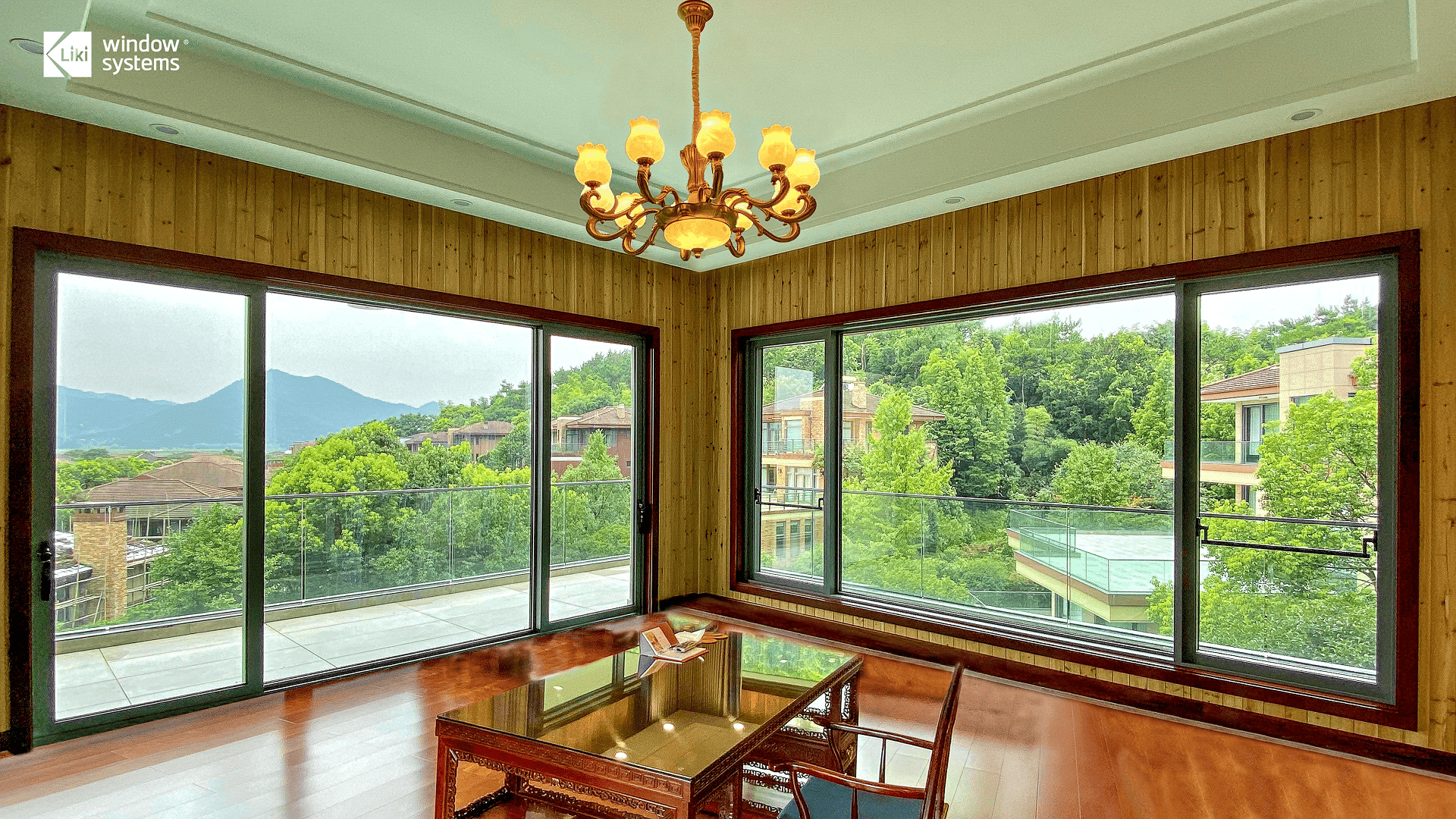
For architects, the goal is specifying a product that satisfies the visual intent without failing energy codes (like NFRC or Title 24). This is where system depth and engineering matter.
Leading manufacturers like LIKI Window Systems address this by engineering specific series, such as the 130ZKW Slim-Profile, that balance these competing needs. By combining ultra-slim sightlines with advanced sealing systems (EPDM gaskets) and argon-filled glazing, these systems prove that you do not have to choose between a minimalist aesthetic and a high-performance building envelope.
When the frame fades into the background, the architecture speaks for itself.
Design with LIKI
“Explore our Slim Frame Series and see how thin we can go.”