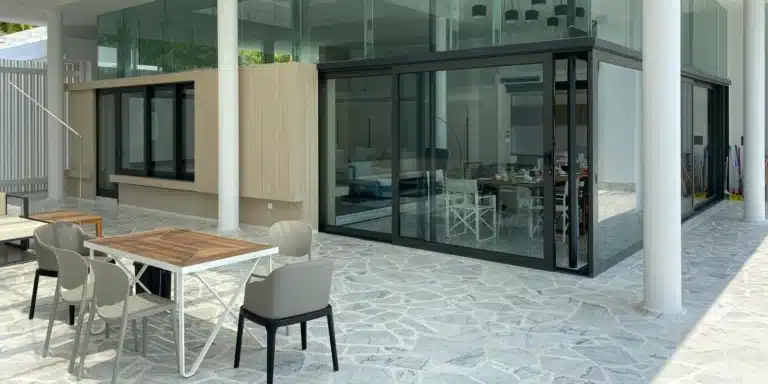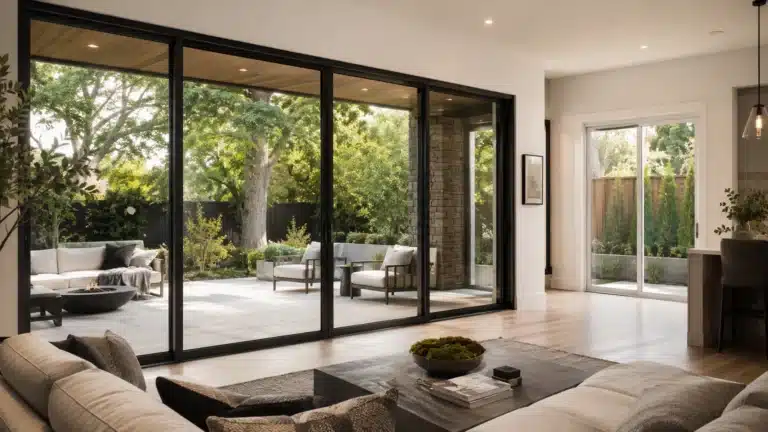

When designing high-ceiling spaces, large awning windows provide excellent ventilation and rain protection. However, once an Aluminum Awning Window exceeds standard sizes, manual operation fails to provide enough force for a tight weather seal. Motorized awning windows use hidden electric actuators to ensure consistent, secure compression around the entire window frame without physical effort.
Building a luxury home means eliminating daily friction. You want natural light and fresh air, but you don’t want to fight with your house to get it. When it comes to oversized ventilation in high spaces, relying on old-school hand cranks is a recipe for frustration and water leaks. Here is how modern motorized systems solve the problem, what structural limits you need to know, and how to prepare your framing before the drywall goes up.
Scene: A sudden summer thunderstorm rolls in while you are standing in the center of your 20-foot high Great Room.
What you notice: Those beautiful, oversized top-hinged windows are wide open, letting in the cool breeze, but they are completely out of reach. You watch helplessly, anxious that the incoming rain will ruin your hardwood floors before you can find a pole crank to close them.
What’s really happening: The sheer height and weight of Aluminum Awning Windows make manual operation impractical and stressful.
What to do next: Ditch the manual crank. Make smart, motorized actuators and concealed drainage systems the standard for your high-elevation windows.
Manual Operation Has a Physical Ceiling: Why Large Windows Demand Motorized Integration for Perfect Sealing
We love the look of massive glass panels, but heavy triple-glazing changes the rules of physics. There is a physical limit to how much weight a simple hand-crank can push and pull. When you try to close very large Aluminum Awning Windows by hand, the hardware struggles to pull the heavy sash tight against the frame.
What matters: A window is only energy-efficient if it seals completely. If the crank cannot overcome the weight of the glass, you are left with microscopic gaps. This leads to cold drafts in the winter and whistling wind noises during storms.
How to verify: Watch the final 10% of the window’s closing motion. A motorized actuator provides a steady, relentless perimeter compression. It squeezes the thick rubber weatherstripping uniformly, creating a vault-like seal that human arms just cannot replicate on heavy glass.
| Operation Type | Best For | Weight Category | Sealing Reliability |
|---|---|---|---|
| Manual Hand-Crank | Standard bathroom or kitchen windows you can easily reach. | Light to Medium | Depends on human effort; can loosen over time. |
| Motorized Actuator | Oversized glass, high-ceiling placements, and smart homes. | Heavy (Double or Triple-Glazed) | Perfect, consistent compression every time you press the button. |
The Heavy Glass Dilemma: Structural Load Paths That Prevent Top-Hinge Tearing in Oversized Sashes
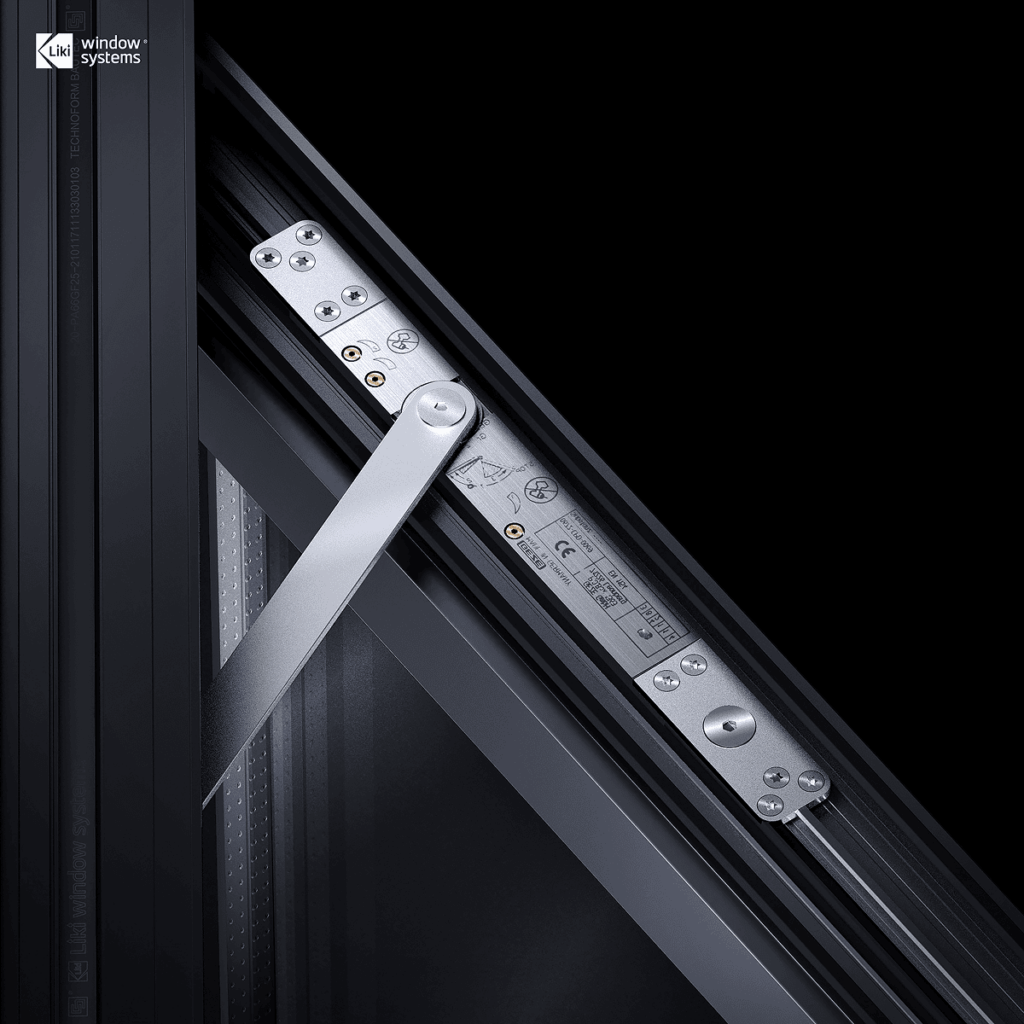
When you build a window that spans up to 78 inches across, the glass alone can weigh as much as a large home appliance. Because these windows swing outward from the bottom, all that weight hangs constantly from the top hinges.
What matters: The pulling force on those top hinges is extreme. If the aluminum frame is too thin, the weight will slowly tear the hardware right out of the metal. This leads to a sagging sash that binds against the frame and refuses to lock securely.
How to verify: Before approving a window schedule, check the frame’s wall thickness and the hinge type. You need commercial-grade aluminum (at least 2.0mm thick) combined with heavy-duty friction stays. This ensures the structural screws have a deep, solid metal track to bite into.
Common mistake: Assuming that adding a strong motor will fix a weak frame. If the awning window frame lacks internal rigidity, the motor will push the center closed, but the corners will bow and twist outward. A good motor cannot overcome bad structural engineering.
Synchronized Locking: The Mechanism Behind Sealing a 78-Inch Wide Awning Window
Imagine trying to close a massive, heavy door by only pushing on the very center. The middle might shut securely, but the top and bottom corners will likely stay slightly open. The exact same physics apply to wide architectural windows.
What matters: If an oversized window only has one locking point where the motor pushes, the outer edges will not seal tightly against the weatherstripping. This is how you get annoying wind whistles, water intrusion, and cold drafts in luxury spaces.
How to verify: You need a multi-point locking system that moves together. When the motor activates, a hidden drive rod should travel along the entire width of the frame, engaging multiple locks at the exact same time to pull the whole sash in flat.
For reliable performance on oversized units, look for verified drive technologies. For instance, systems utilizing NEKOS® motorized chain actuators ensure that the synchronized locking sequence engages perfectly across a 78-inch span, pulling every inch of the sash tightly against the seals without manual intervention.
Smart Home Integration Disguised as Elegance: Concealed Wiring Boundaries You Must Plan Before Framing
True luxury in modern home design is invisible technology. You want the windows to open magically, but you never want to see a black power cable running down your beautiful painted drywall or expensive wood casing.
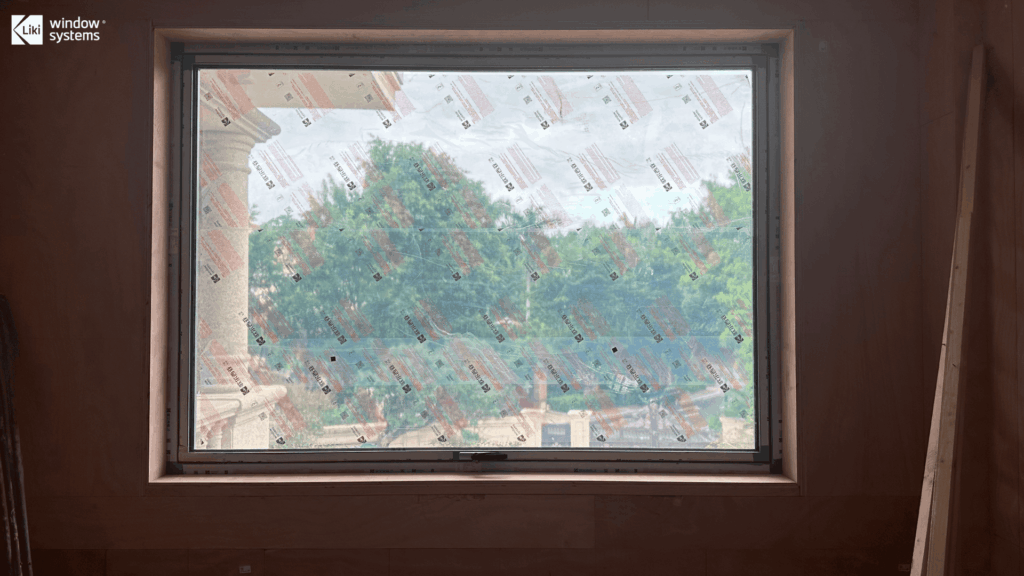
What matters: If you wait until the drywall is finished to think about motorized windows, it is too late. Retrofitting motors means exposed wires or ugly plastic track covers that ruin the minimalist aesthetic of high-end spaces.
How to verify: Talk to your builder during the rough framing stage. You need to route low-voltage (usually 24V) or line-voltage (110V) wires directly to the window header. Ask your window supplier exactly where the “blind spot” is for the wire to enter the aluminum frame seamlessly.
When selecting your window system, look for native wire management. For example, platforms like the LIKI 130ZKW or 100-95 series are engineered with dedicated internal frame cavities. This allows the electrical wiring and the actuator motor to be completely concealed inside the metal profile, leaving zero exposed parts.
Pre-Framing Checklist for Motorized Windows
- Verify Voltage: Confirm whether your chosen actuators require 24V DC or 110V AC before pulling wires.
- Define the Entry Point: Get the shop drawings to show exactly where the wire must pierce the rough opening.
- Plan the Control Hub: Decide if the windows will connect to a wall switch, a weather sensor, or a central smart home system.
- Check the Transformer Location: If using 24V, plan a hidden but accessible access panel for the power transformers.
- Coordinate Trades: Ensure the electrician and the window installer have a joint meeting before the walls are closed.
| Planning Stage | Critical Action | Consequence of Skipping |
|---|---|---|
| Rough Framing | Route conduit to the top of the window opening. | Exposed wires on finished walls. |
| Window Selection | Choose frames with internal wiring cavities. | Motors bolted clumsily to the outside of the frame. |
| Smart Home Setup | Integrate with HVAC or weather sensors. | Manual operation only via standalone remotes. |
💡 Expert Insight from Bella (LIKI Systems)
“The biggest project delay we see in luxury builds isn’t lead times—it’s missing conduit. Once the insulation and drywall are in, adding power to a high-elevation motorized window becomes a messy, expensive renovation. We provide the exact electrical entrance schematics and voltage requirements during the rough framing stage. We give you the technical road map, but the timing is in your hands. Coordinate your electrical rough-in early, and we’ll ensure your smart windows vanish seamlessly into the architecture.”
Effortless Control in High-Ceiling Atriums: The Thermal Logic of Automated Cross-Ventilation
High-ceiling spaces, like atriums or great rooms, naturally trap hot air near the ceiling. This is known as the stack effect. While it makes the room feel grand, it can force your air conditioning to work overtime in the summer.
What matters: Placing windows up high is the best way to release that trapped heat. However, if they are hard to open, they will stay closed, and you lose the energy-saving benefits of natural cross-ventilation.
How to verify: Connect your high-elevation windows to your home’s climate control system. When the indoor temperature rises, the system can automatically open the windows to release hot air. Because they are hinged at the top, they act like a protective umbrella, meaning you can leave them open even during light rain without worrying about water damage.
When deciding on the right ventilation strategy for your home, understanding the physical differences between styles is key. You can explore our guide on awning vs casement windows to see which hinge type fits your climate. If you are ready to review engineered solutions for large openings, explore the structural capabilities of high-performance awning window systems. Keep in mind that NFRC certification is available for specific system configurations based on project requirements, ensuring your large glass walls meet local energy codes.

Frequently Asked Questions
Can existing large windows be converted to motorized operation?
Sometimes, but it depends on the frame structure. Adding a motor to an existing manual window often leaves wires exposed and may not seal correctly if the frame was not designed for automated perimeter compression.
Do motorized awning windows close automatically when it rains?
Yes, if they are integrated with a smart home weather sensor. The sensor detects moisture or high winds and sends a signal to the actuators to close and lock the windows before water gets inside.
Are large motorized windows energy efficient?
They can be highly efficient because the motorized actuators provide a perfect, consistent seal against the weatherstripping every time they close. NFRC certification is available for specific system configurations based on project requirements.
How wide can a single motorized awning window be?
With the right heavy-duty frame and synchronized multi-point locking actuators, single sashes can reach up to 78 inches wide. The exact limit depends on the glass thickness and the architectural structural limits.
What happens to the windows if the power goes out?
Most premium automated window systems have a manual override feature or can be connected to your home’s backup battery or generator, ensuring you always have control over your ventilation.