Executive Summary: For standard home renovations, buying locally is often the right choice. But for custom architectural projects, the “Factory Direct” model offers a compelling alternative: significantly lower costs for higher specs. This guide explores how to navigate the global market, addressing the real challenges of logistics and trust, and showing how manufacturers like LIKI have evolved to bridge the gap between “Made in China” efficiency and “European Standard” performance.
Let’s be honest: Local is convenient.
If you are replacing a few standard windows in a suburban home, walking into a local dealer for brands like Andersen or Marvin is likely your best bet. You get a showroom nearby, a standard warranty, and a contractor who knows the product. The premium you pay covers this convenience.
But convenience has a ceiling.
When your project moves into the realm of Custom Luxury or Modern Architecture, the local model often hits two roadblocks:
- The “Custom” Tax: Requesting non-standard sizes, specific colors, or ultra-slim frames often triggers a massive price jump.
- Technical Limits: Many domestic residential lines simply aren’t engineered for 10-foot heights or complex commercial-grade glazing.
This is where Global Sourcing—buying direct from specialized overseas factories—becomes a strategic move. It’s not just about saving cost; it’s about unlocking capabilities that are locally unavailable.
The New Standard: “Global Integration,” Not Just Manufacturing
A common hesitation with global sourcing is the stigma of “cheap imports.” And truthfully, ten years ago, that fear was valid. But the landscape has shifted.
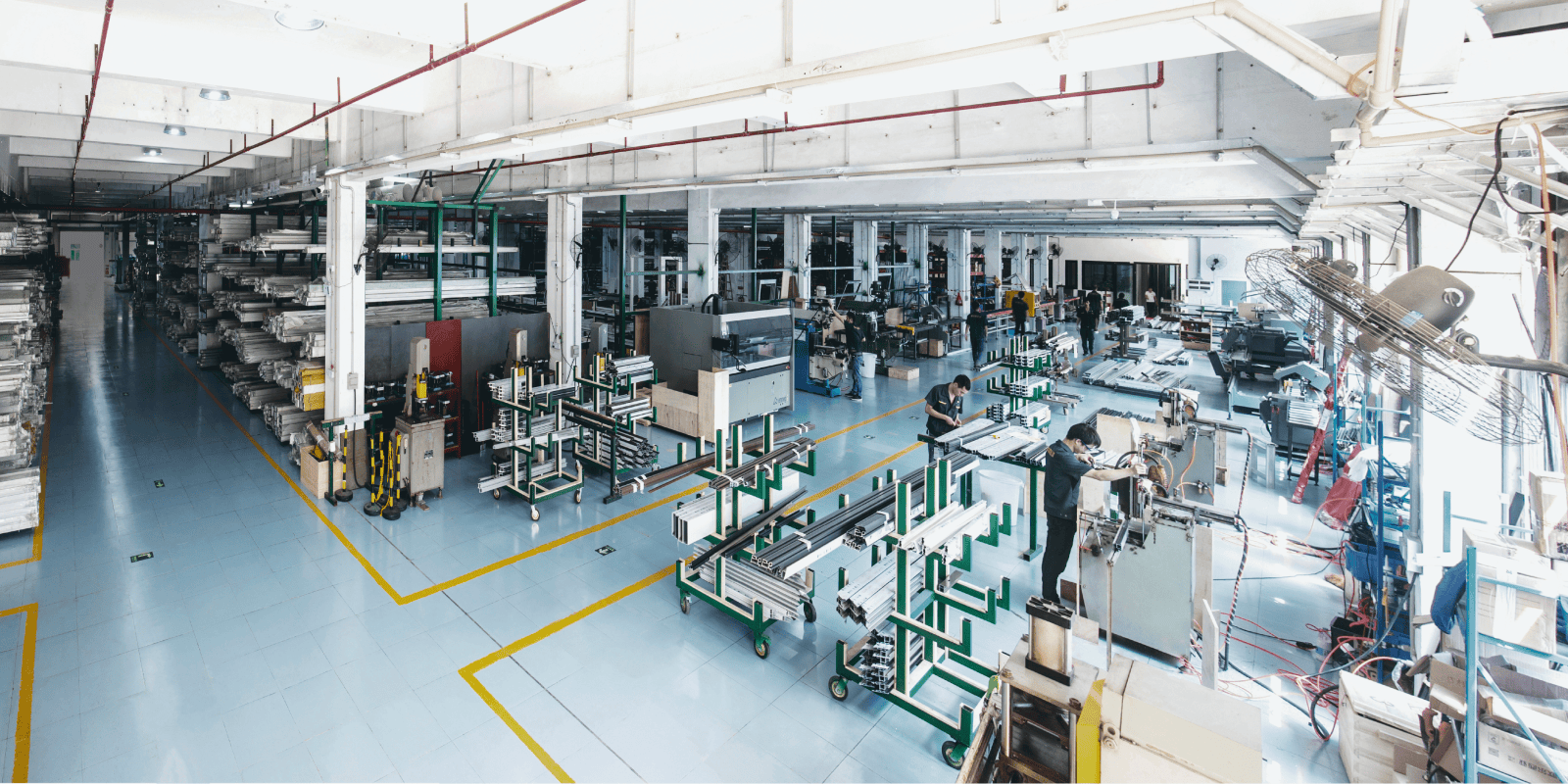
Leading modern factories (like LIKI) have moved away from the low-cost labor model to a “Global Integration” model. We realized that to compete with top US/EU brands, we couldn’t just be cheaper; we had to be better engineered.
How do we ensure quality from thousands of miles away? By integrating the same Tier-1 supply chain used by the world’s most expensive brands:
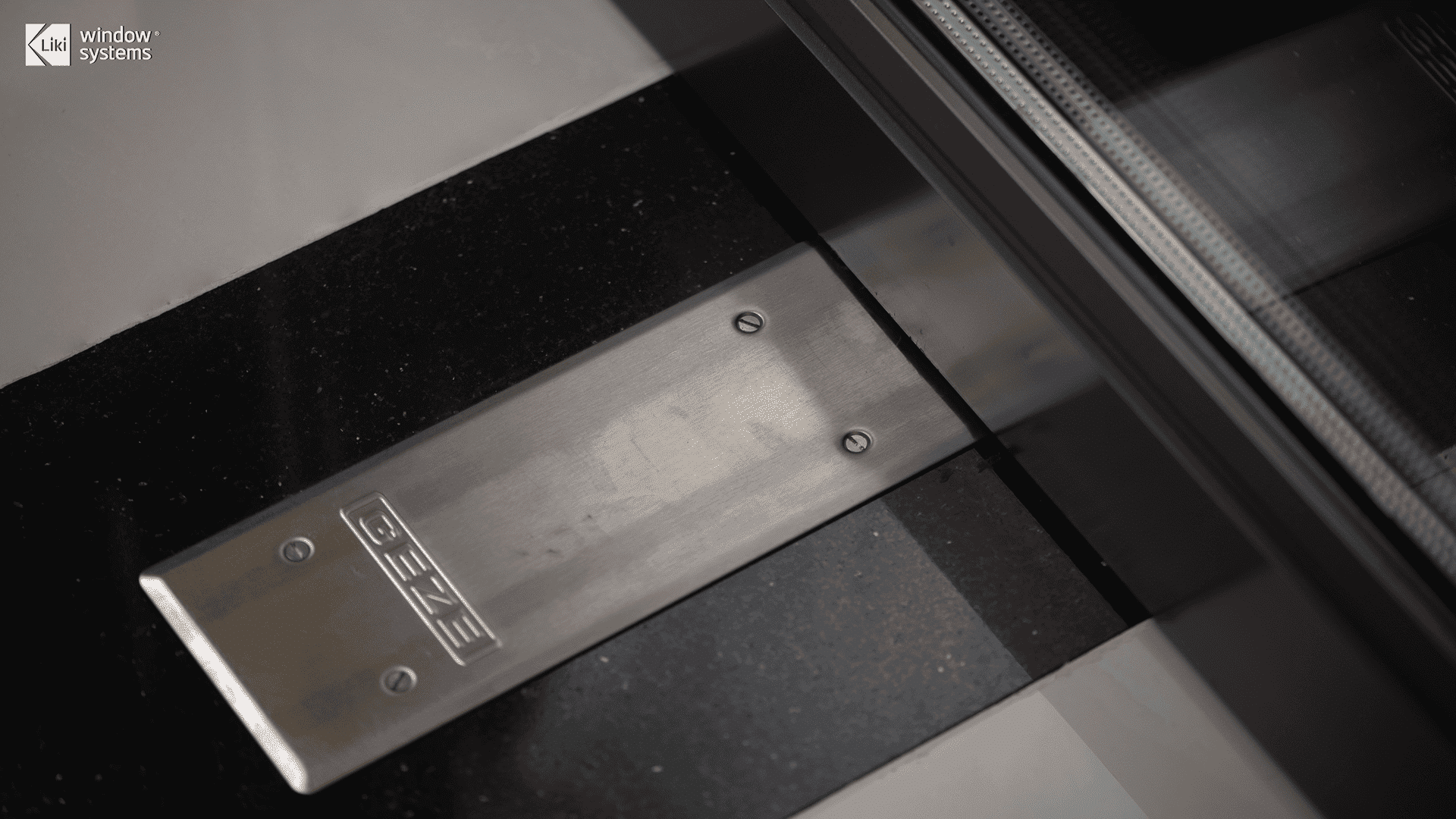
The “Invisible” Quality Inside LIKI Systems:
- German Hardware Core: We don’t use generic parts. We partner directly with Roto, GU, and Hoppe. If a handle breaks in 10 years, it’s a global part you can replace.
- Premium Aluminum Source: We extrude using Chalco aluminum (6063-T66), ensuring the structural rigidity needed for high-rise wind loads.
- Surface Technology: Finishes are applied using AkzoNobel or PPG powders, backed by 10-15 year warranties against fading—crucial for intense sun climates like California or Texas.
The Result: You get a system that meets EN standards (often exceeding local builder-grade specs) but at a factory-direct price point.
The Reward: Customization Without the Markup
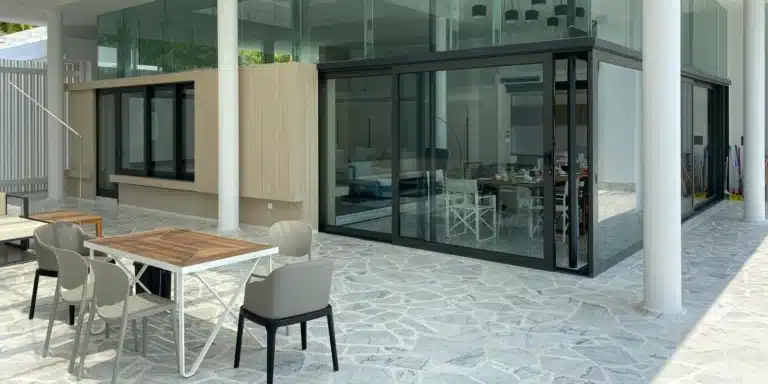
The primary reason architects switch to global sourcing is freedom. Local catalogs are restricted by mass-production lines. A custom factory is built for flexibility.
1. Size Capabilities
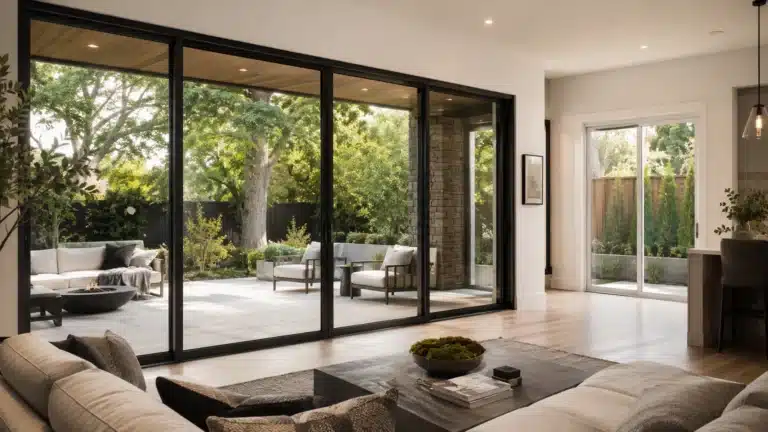
While local brands may cap sliding doors at 8 feet, LIKI’s engineering supports oversized sashes up to 3.2 meters (10.5 ft) high. We use specialized hardware and Emmegi CNC precision to ensure these massive panels glide effortlessly.
2. Aesthetic Depth
Want a specific RAL color to match your façade? Or a realistic wood texture (using MONFIS technology) that withstands rain without rotting? We don’t charge a “custom fee” for this; it’s simply part of our process.
The Real Challenges (And How We Solved Them)
Global sourcing is not without its hurdles. It requires more planning than a local purchase. Here is how LIKI has evolved to overcome the three biggest risks for North American buyers.
Challenge 1: “Will it pass inspection?”
The LIKI Solution: Full Compliance.
Many importers fail here. LIKI invests heavily in certification. Our systems are certified for U-Factor and SHGC, and tested for water/air tightness (up to EN Class 4). We provide the lab reports your local inspector needs to sign off.
Challenge 2: “Will it survive shipping?”
The LIKI Solution: The Export-Grade System.
We don’t just wrap windows in cardboard. We use a plywood crate system designed specifically for ocean freight and forklift handling. Every unit is protected by EPE foam and fixed securely to prevent movement. It arrives at your jobsite intact.
Challenge 3: “Is it hard to install?”
The LIKI Solution: Localized Detailing.
We understand North American construction. We can provide frames with nail fins or sub-frames to match local installation habits. Plus, we supply detailed BOMs and installation guides so your contractor isn’t left guessing.
The Bottom Line: Is It Worth It?
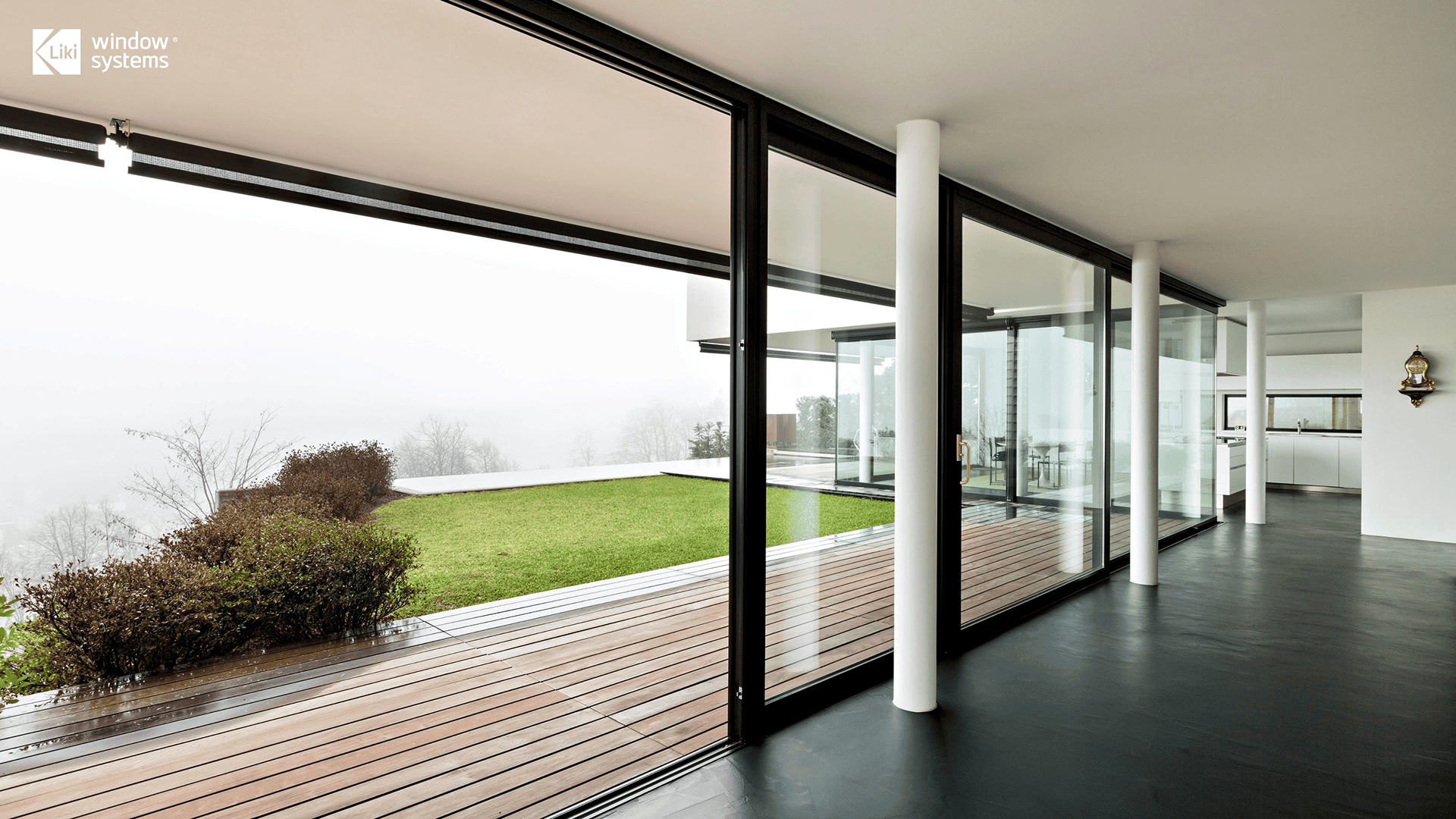
Ultimately, the decision to source globally comes down to what your project values most.
If your priority is speed and simplicity for a standard renovation, local brands are the right tool for the job. They offer off-the-shelf convenience that global logistics cannot match.
But if your priority is architectural vision and value, the equation changes.
By partnering with LIKI, you are effectively cutting out the layers of distribution that inflate costs. Instead of paying for a dealer’s showroom markup, your budget goes directly into better materials—German thermal breaks, 3.2-meter oversized glass, and superior AkzoNobel finishes. You trade the convenience of a local phone call for the performance of a world-class engineered system.
For custom homes and commercial projects where “standard” isn’t an option, this isn’t just a cost-saving strategy; it is the only way to achieve the design intent without compromising on quality.
Start Your Sourcing Journey
Don’t let catalog limitations define your architecture. Send us your drawings and see the difference global engineering can make.