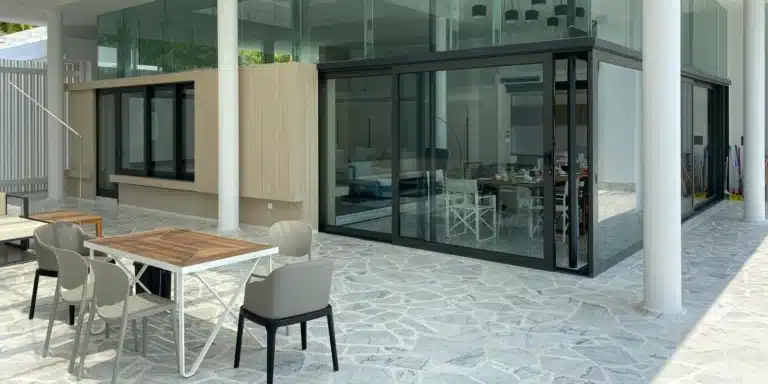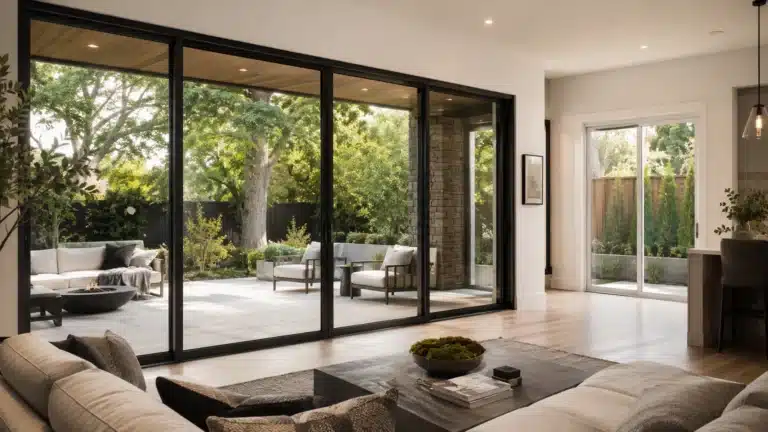

Thermal break technology sets the benchmark for energy-efficient fenestration in contemporary architecture. As global energy codes tighten and project teams seek higher levels of comfort, durability, and sustainability, selecting the right window and door systems is vital for both technical performance and economic value. Metal-based frames, particularly aluminum, are highly conductive and can undermine thermal efficiency if not properly engineered. Even with advanced glazing, improper frame insulation allows heat transfer and introduces condensation risks.
This comprehensive guide addresses the critical principles of thermal breaks in fenestration. It equips architects, builders, developers, and specifiers with scientific insights, code compliance foundations, and implementation best practices rooted in certified test data. Specific attention is paid to requirements from North American, European, and Australian codes, showing how detailed system engineering unlocks high performance for both residential and commercial projects.
Note: The information in this guide is for educational purposes only. Please refer to local codes and certified building professionals for project-specific decisions and compliance.
Introduction to Thermal Break Technology
Thermal break technology plays a crucial role in building envelopes, directly impacting energy efficiency, condensation management, and occupant comfort.
What is a Thermal Break?
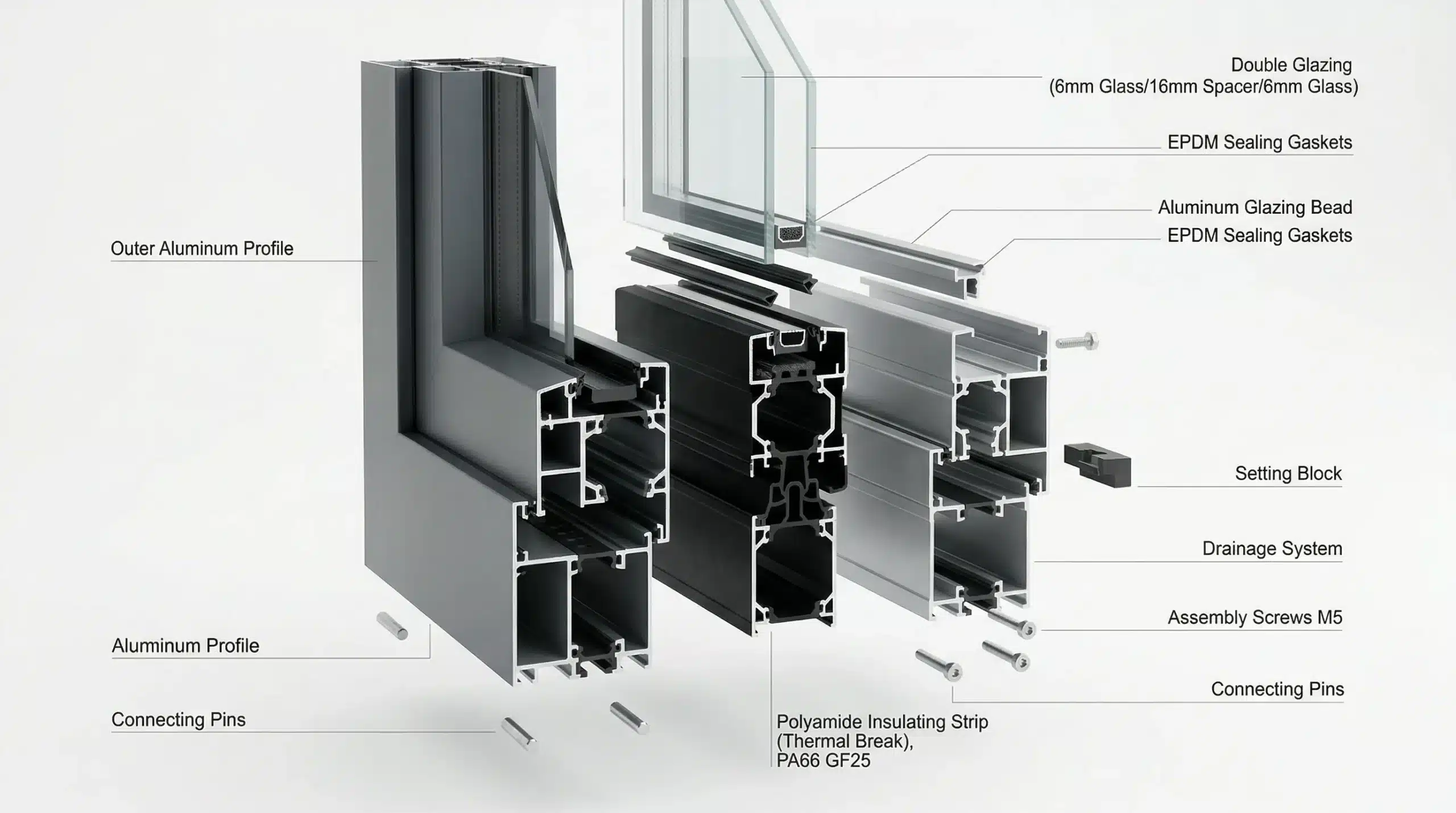
A thermal break is a continuous non-metallic barrier situated between the interior and exterior portions of a metal window, door, or curtain wall frame. This barrier – typically using high-performance polyamide 6.6, Technoform® strips, or equivalent engineered composites – interrupts heat conduction by several orders of magnitude compared to direct metal-to-metal contact.
- Uninsulated aluminum frames conduct heat readily, creating cold bridges and enabling rapid thermal transmission between interior and exterior.
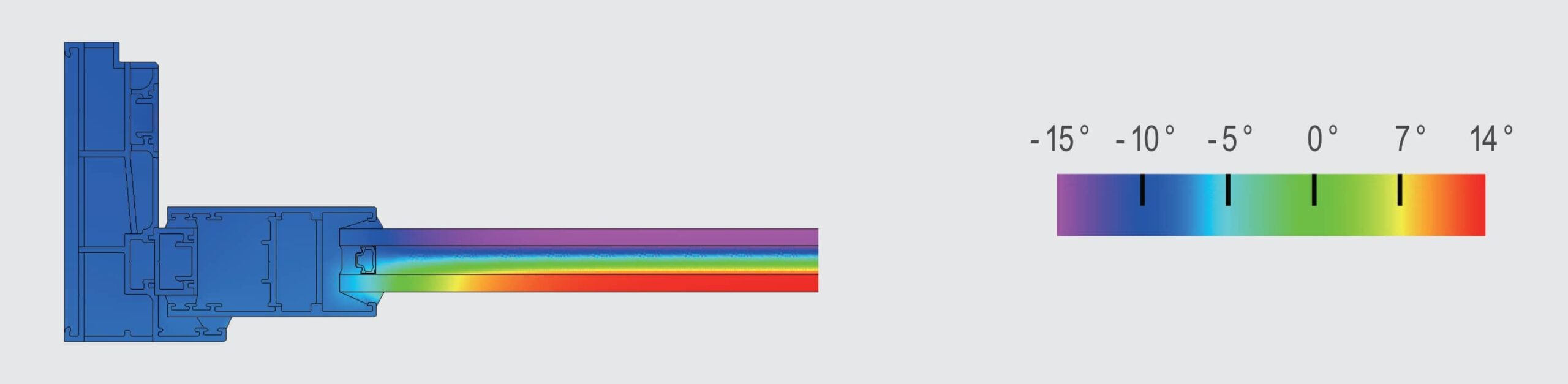
- Thermally broken frames use structural barriers that keep internal surfaces warmer, dramatically reducing condensation and frost formation.
Why Thermal Breaks Matter in Modern Fenestration
- Energy Efficiency and Regulatory Compliance: Regions governed by IECC, ASHRAE 90.1, and comparable codes demand low U-values and proof of condensation resistance.
- Occupant Wellbeing: Mitigates uncomfortable drafts, cold spots, and surface condensation that can damage finishes or encourage mold.
- Sustainability Goals: Efficient design reduces energy consumption, contributing to lower carbon emissions and operational savings.
- Architectural Freedom: Slim-profile and large-format frames become feasible without compromising performance, expanding design flexibility.
How Thermal Breaks Work in Aluminum Window and Door Systems
Understanding thermal break engineering is fundamental when specifying fenestration that must balance energy performance, structural reliability, and lifespan.
Thermal Break Materials
Material selection directly influences system success:
- Polyamide 6.6 (Nylon) Strips: Offer high mechanical strength, UV resistance, and stable thermal performance. Withstand repeated temperature cycling and maintain load capacity.
- Technoform® Composite Inserts: Deliver precise fit and reliable long-term insulation; widely used in advanced systems for their thermal reliability.
- Hybrid Composites: Custom blends of resins and reinforcing elements deliver targeted insulation in complex frame geometries.
High-quality inserts resist moisture, chemicals, and mechanical creep, ensuring that frames perform over decades.
Construction Techniques
Thermally broken fenestration uses the following engineering approaches:
- Multi-Chamber Frame Profiles: Divide frames into several insulated cavities, lengthening the heat path and enhancing the effectiveness of each barrier.
- Pin-Injection Corner Technology: Mechanically interlocks frame corners to maintain tight tolerances, mechanical strength, and continuous insulation.
- Isobaric Cavity Engineering: Balances interior cavity pressure, improving water resistance and stabilizing thermal performance even under wind-driven rain.
For example, LIKI aluminum window systems are constructed with these technologies, using 6063-T66 aluminum for enhanced structural strength.
Key Performance Metrics
Three core metrics define the efficacy of a thermal break system:
- U-Value (BTU/hr·ft²·°F or W/m²·K): Lower values indicate better thermal insulation. LIKI tilt & turn windows achieve U-values as low as 0.27 BTU/hr·ft²·°F, verified by NFRC testing.
- Condensation Resistance Factor (CRF/CR): Reflects how well interior frame surfaces stay above dew point to minimize condensation risk.
- Structural and Water Penetration Ratings: Compliant products meet demanding standards such as ASTM E330, E283, and E331, ensuring that insulating features do not weaken frames.
| Feature | With Thermal Break | Without Thermal Break |
|---|---|---|
| U-Value (BTU/hr·ft²·°F) | 0.27 – 0.35 | 0.50 – 1.2 |
| Condensation Resistance | High (CRF > 60 possible) | Low (CRF < 30) |
| Code Compliance | Passes IECC / ASHRAE 90.1 | Fails most modern codes |
| Energy Savings | Up to 30% reduction* | N/A |
| Occupant Comfort | No cold bridging, stable temps | Drafts, condensation, cold wall |
*Savings based on modeling; results depend on system, climate, and application.
Core Benefits of Thermal Break Fenestration Systems
The advantages of engineered thermal breaks extend beyond raw performance numbers, translating into real-world savings and resilience.
Energy Efficiency and Cost Reduction
- Reduces thermal transmission, easing building HVAC demand.
- Project teams pursuing Net Zero, Passive House, or LEED standards depend on thermally broken assemblies to hit target figures.
- Certified polyamide thresholds routinely deliver 20–40% improvement in window or door U-factor over non-thermally broken aluminum frames.
Improved Thermal Comfort and Condensation Control
- Ensures interior frame surfaces remain above dew point, crucial for cold climates such as Canada or the US Midwest.
- Prevents drafts and areas of relative discomfort near window frames.
- Strong vapor and thermal barriers eliminate conditions conducive to mold and damage at sills and jambs.
Sound Insulation and Structural Integrity
- Multi-chamber designs and triple-layer EPDM sealing dampen sound transmission, offering up to 40 dB noise reduction.
- Structural requirements remain intact: 6063-T66 aluminum frames enable large glass spans, with multi-point locking and GU, Roto®, or Sobinco hardware facilitating safe, heavy sashes.
Compliance with Regional Energy Codes
- Thermal breaks are mandatory for meeting energy codes throughout North America, Europe, and Australia.
- Labeled system performance (with certified documentation) supports approvals under NFRC, AAMA, NAFS, ASTM, and EN standards.
Applications of Thermal Break Technology in Fenestration
Thermal breaks are integrated across a broad spectrum of fenestration types, each engineered for unique project needs.
Windows: Broad Versatility With Advanced Barriers
- Casement Windows: Both outward and inward opening; precise ventilation and optimized insulation.
- Awning Windows: Rain-safe ventilation and layered weather resistance with EPDM gaskets.
- Tilt & Turn Windows: Dual-function operation for secure ventilation and emergency egress.
- Parallel Opening Windows: Uniform, high-rise safe ventilation and even air distribution.
- Sliding Windows: Multi-track technology paired with Technoform® barriers assures thermal and air performance.
Browse a comprehensive range of LIKI aluminum window systems for thermally optimized solutions in each category.
Doors: Maintaining Comfort and Security
- Hinged & French Doors: Rely on robust multi-point locking and advanced gaskets for airtightness and security, with thermal breaks preventing cold edges.
- Sliding Doors: Feature integrated drainage and thermal barriers for expansive glazed doors, often with rollers rated for panels up to 600kg.
- Lift & Slide Door Systems: Support major glass panels (up to 1300 lbs, 3 meters high), combining advanced isolation, CNC precision, and hurricane-rated design. Explore the specialized Lift & Slide Door Systems.
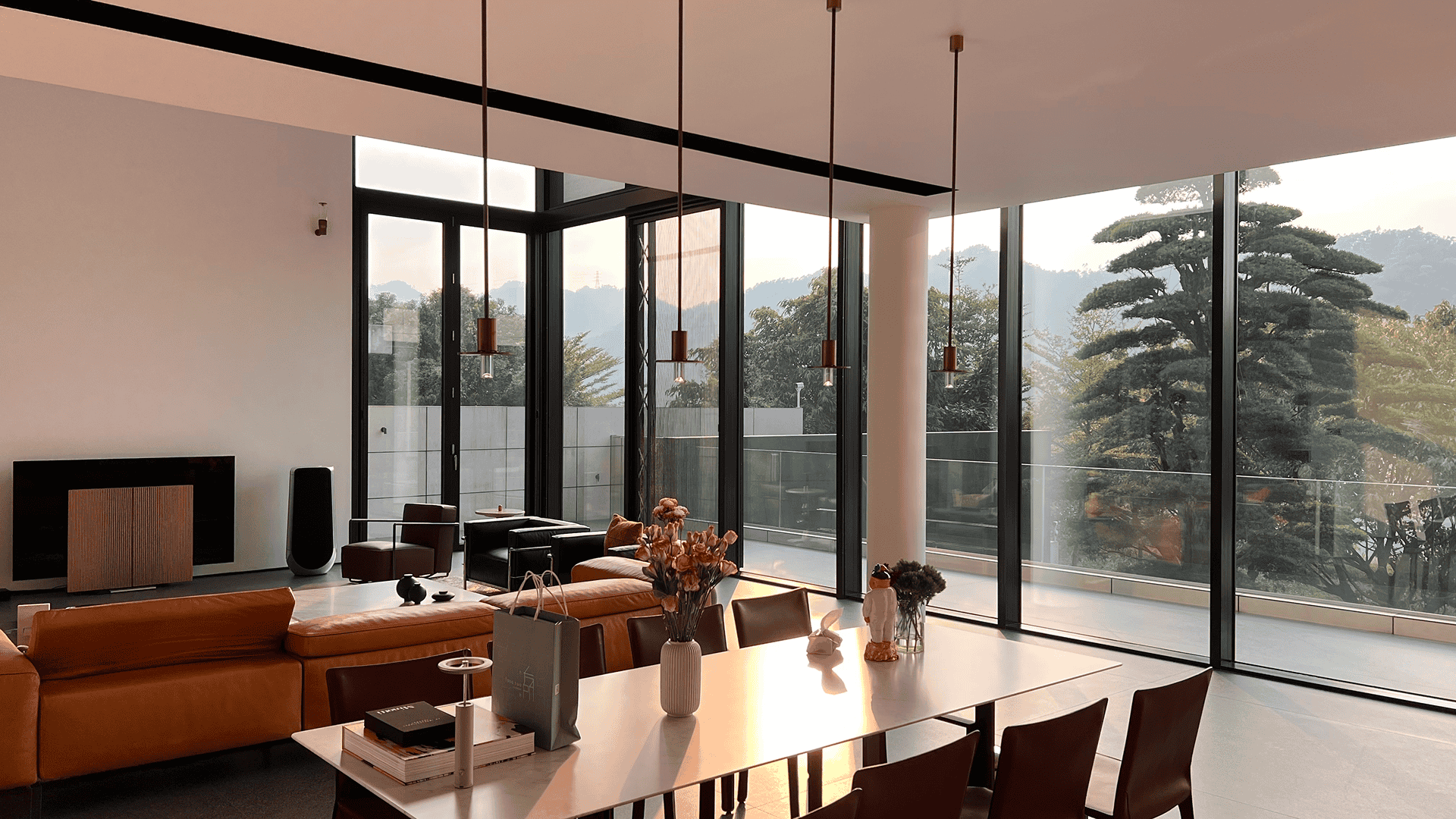
Curtain Walls and Cladding: High-Performance at Scale
- Curtain wall and large cladding assemblies use multi-zone pressure management, thermal breaks, and engineered joints to deliver continuous insulation and protect building interiors from weather extremes.
Material Comparisons: Aluminum and Steel Frame Solutions
| Material | Conductivity | Typical Break Type | U-value Achievable | Benefits/Notes |
|---|---|---|---|---|
| Aluminum | Very high (237 W/m·K) | Technoform® or polyamide strip | 0.27–0.35 | Slim profiles, design flexibility |
| Steel | High (50 W/m·K) | Polyamide, non-conductive studs | 0.35–0.45 | Suited for minimal frames, historically seen in commercial buildings |
Best Practices for Selection and Installation
When specifying and installing thermal break fenestration, precise planning and verification are essential for achieving promised performance and code compliance.
Checklist: Selection and Installation Guidelines
-
Verify Certified Performance:
- Require NFRC, AAMA, and ASTM documentation for U-factor, SHGC, and condensation resistance.
- Ensure the system’s test data matches site requirements (assembly, install, glazing).
-
Adapt Materials and Designs to Climate:
- Specify Technoform® or equivalent composites for regions with wide seasonal temperature swings.
- Select multi-chamber and isobaric frames for humid or high-wind areas.
-
Ensure Code Compliance:
- Confirm compatibility with IECC, ASHRAE 90.1, and local supplements.
- Use professional installers aware of regional permitting standards.
-
Maintain Installation Integrity:
- Align breaks with insulation in the surrounding wall for continuous thermal protection.
- Apply EPDM gaskets on all perimeters; use approved silicone sealants as specified for moisture control.
- Check alignment of multi-point locking and hardware before completion.
-
Post-Installation Testing:
- Perform field or laboratory testing for air, water, and thermal performance.
- Inspect for unintentional conductive connections that bypass the break.
- Review ongoing inspection and maintenance plans with building management.
-
Document for Compliance:
- Provide full test records and compliance documentation, such as Title 24 or ENERGY STAR paperwork.
- Access technical documentation including CAD and BIM files for accurate detailing and integration.
-
Expert Support:
- Tap into the professional toolkit and engineering support for help with specification, shop drawings, and installation troubleshooting.
Emerging Trends and Innovations in Thermal Break Technology
Engineers continue to refine thermal break fenestration systems, building on stricter standards and environmental demands.
- Non-Conductive Studs & Hybrid Barriers: Modern assemblies use specialized studs and inserts – beyond standard strips – to optimize insulation for large-format and bespoke profiles.
- Rising Performance Benchmarks: Codes such as IECC and ASHRAE 90.1 are lowering permitted U-values and imposing more stringent requirements for commercial and multi-residential buildings.
- Precise Digital Integration: Availability of BIM and CAD libraries allows for seamless project coordination, spatial clash detection, and design reviews before manufacturing. Rapid file delivery (often within 24–48 hours) shortens project timelines.
- Sustainable Construction Leadership: Manufacturers are prioritizing 100% recyclable aluminum, low-VOC AkzoNobel® powder coating, and precision CNC fabrication, minimizing resource waste and environmental footprint. Delve into LIKI sustainability initiatives for policy details.
Other Advancements:
- Floor-to-ceiling sashes, minimalist flush designs, and large structurally glazed walls can now be delivered with top-tier energy ratings.
- CNC-driven production ensures accuracy within ±0.2 mm, reducing human error and supporting long-term reliability.
Common Pitfalls and How to Avoid Them
To achieve desired energy performance and longevity, several common errors must be proactively prevented:
- Thermal Bridging at Frame-to-Wall Intersections: Gaps or anchors that inadvertently conduct heat can defeat the thermal barrier. Ensure continuous insulation from the glazing to the wall.
- Seal Failure and Sash Deformation: Regularly inspect large-format and operable windows for uniform EPDM gasket performance and hardware function.
- Misread Performance Values: Avoid relying solely on marketing numbers. U-factor and condensation resistance depend on the tested product assembly, installation, and site conditions.
- Lack of Ongoing Maintenance: Periodic inspection preserves break effectiveness against mechanical strain, movement, or aging.
Frequently Asked Questions (FAQs)
What materials are typically used for thermal breaks?
The most common options include polyamide 6.6 (nylon), Technoform® composite strips, and hybrid resin reinforced with non-conductive fibers or ceramics.
How do thermal breaks influence condensation?
By elevating the interior frame temperature above the dew point, thermal breaks prevent water droplet formation and discourage mold, staining, and deterioration.
Are thermal breaks mandated by energy codes?
Most recent North American, Australian, and EU codes require low U-values – practically achievable only with effective frame insulation. Thermally broken frames are a minimum standard for code-compliant metal fenestration.
Can thermal breaks be retrofitted to existing frames?
Retrofitting typically requires factory integration. Existing frames without thermal breaks are usually not upgradable in-field; replacement with certified systems is recommended.
What is the difference between U-value and R-value for windows?
U-value quantifies rate of heat transfer (lower is better); R-value is its inverse (higher is better), but U-value is the standard fenestration metric worldwide.
How do aluminum and steel frame thermal breaks differ?
Aluminum usually incorporates polyamide strips; steel systems may use more robust connectors or hybrid barriers, adapting for their unique profile and strength needs.
For additional guidance, resource access, or technical consultation, visit the professional toolkit and engineering support.
This content is informational and not a substitute for expert design or code compliance for your specific project. Always review requirements and verify all product performance prior to specification or installation.