
Aluminum Window Systems for Comfort and Long-Term Reliability
Aluminum Casement Windows
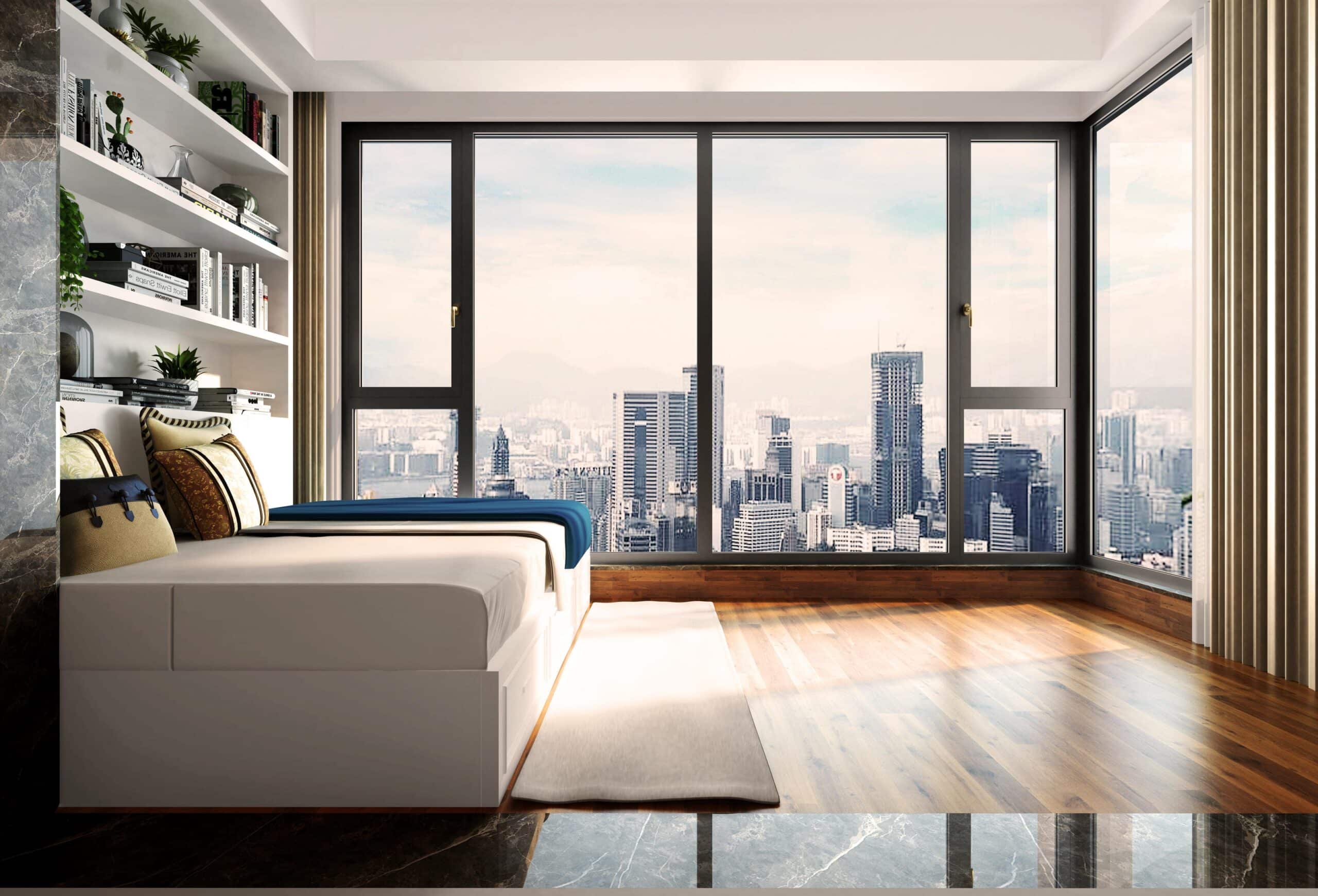
Casement windows open outward to bring in fresh air and clear views.
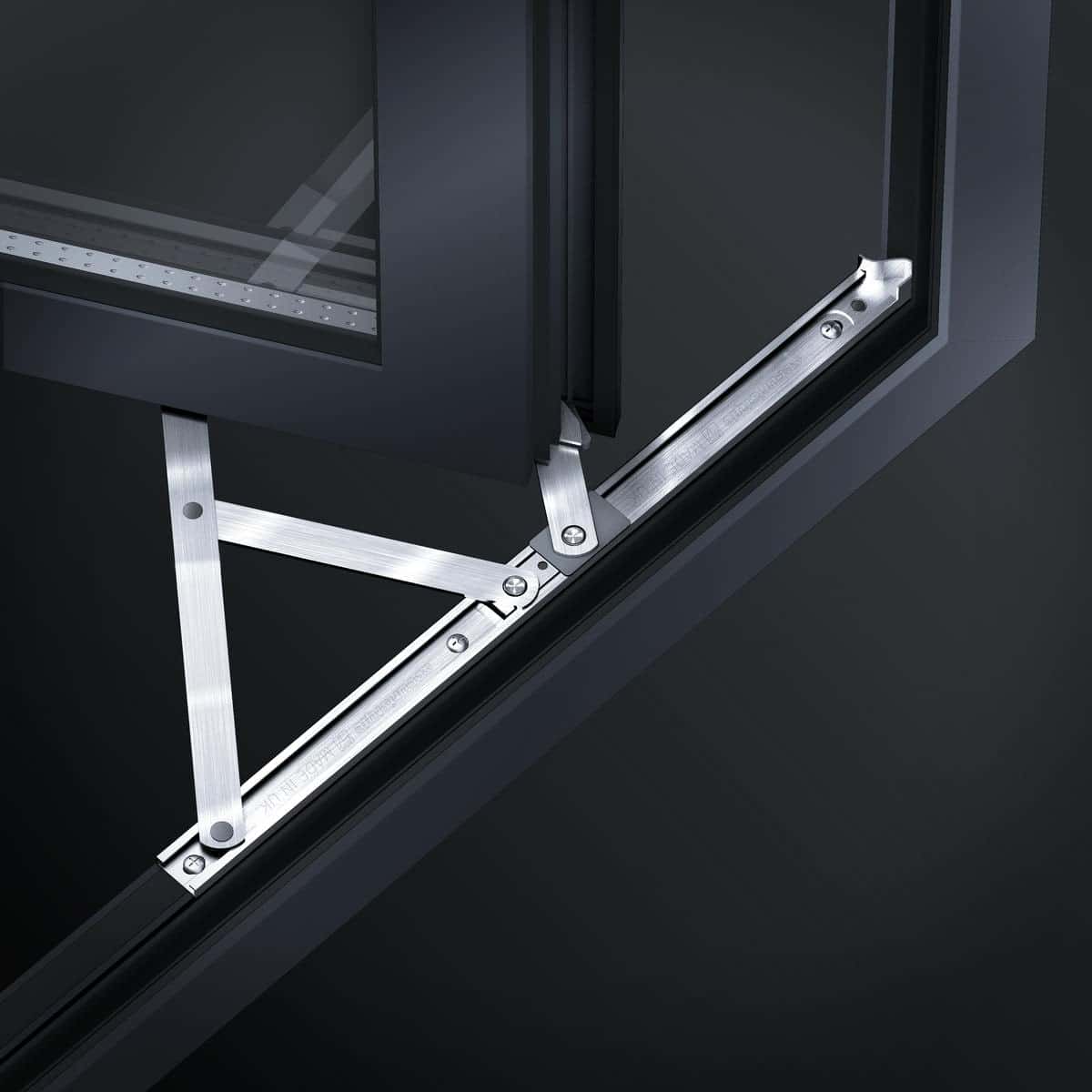
At LIKI, our aluminum casement window systems are designed to stay smooth, tight, and reliable over time—whether using thermally broken or non-thermal aluminum profiles, depending on climate and project needs.
Explore our Casement windows
LIKI aluminum casement window systems are built as distinct performance platforms, offering different thermal and structural configurations to match climate conditions, building envelopes, and long-term performance goals.
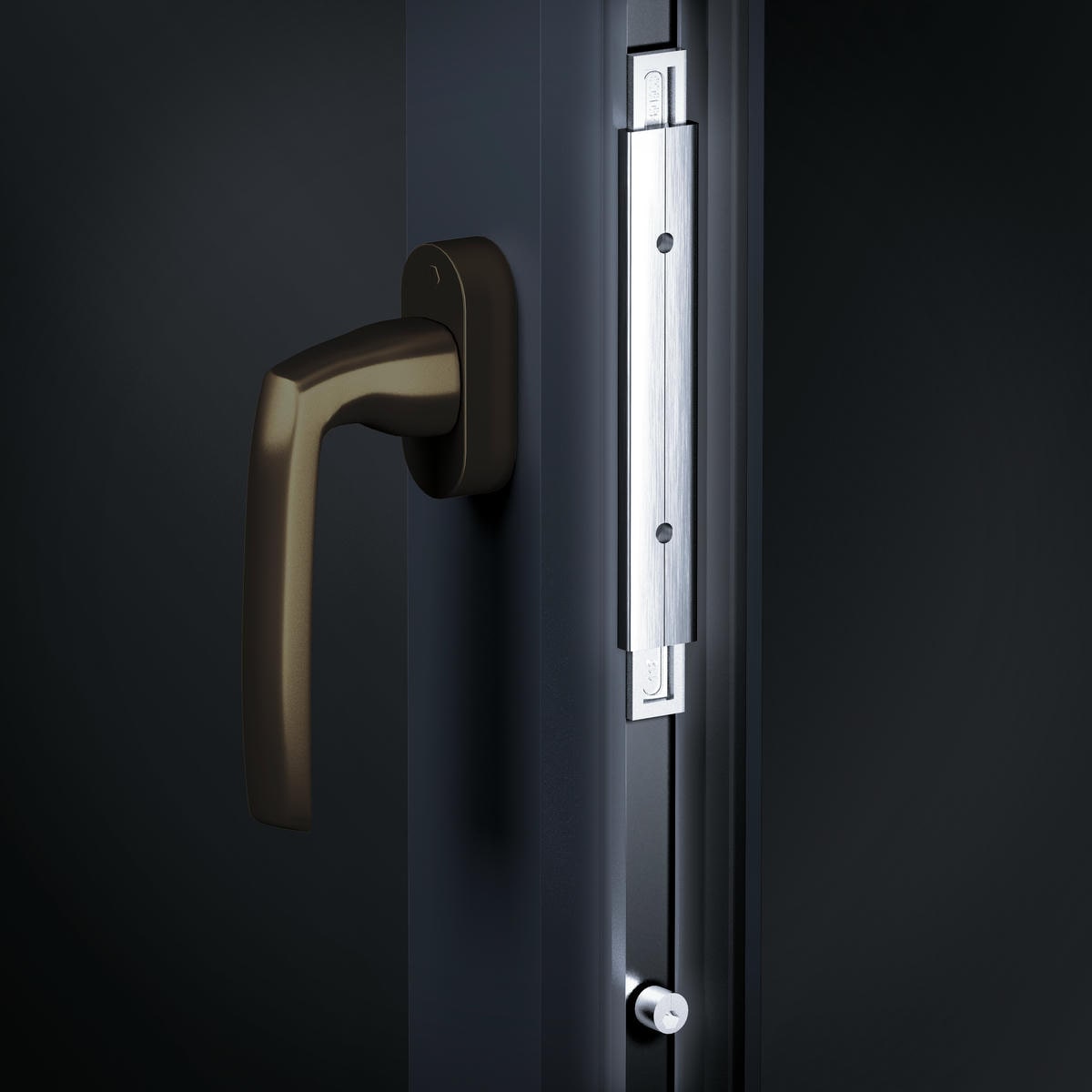
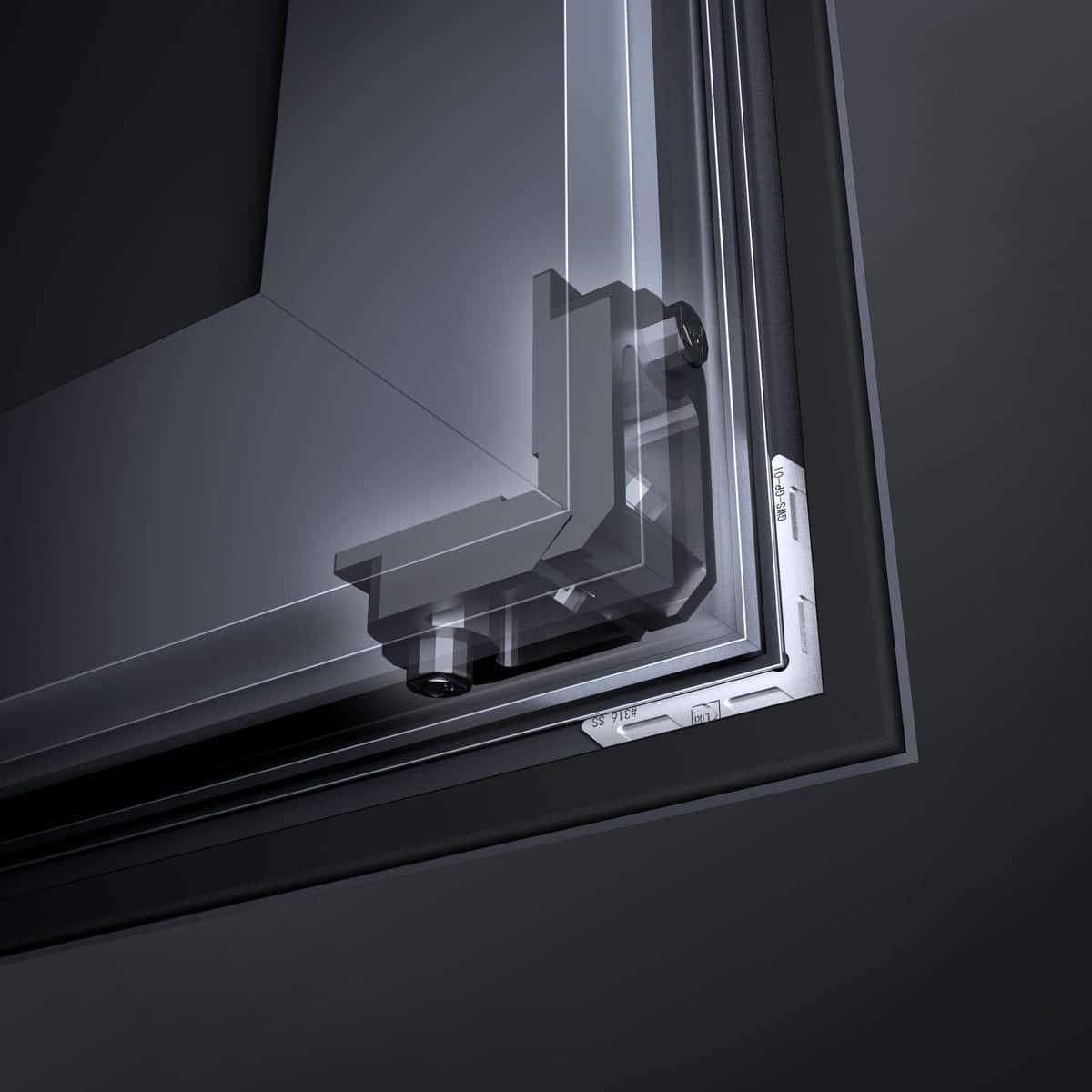
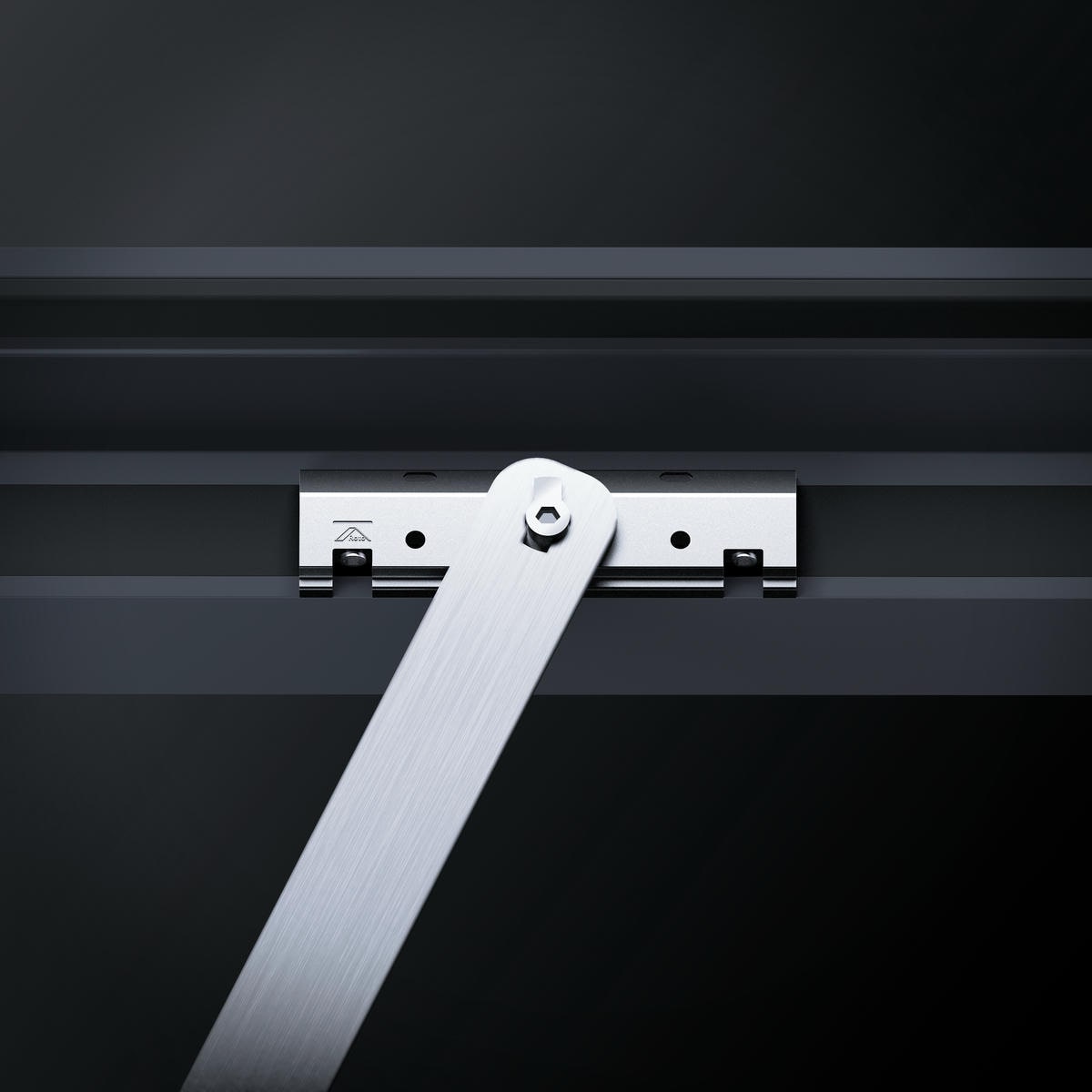
50 Series: Commercial Outward Casement Window System
Engineer cost-controlled operable ventilation through a non-thermal outward casement system designed for repeatable commercial applications.
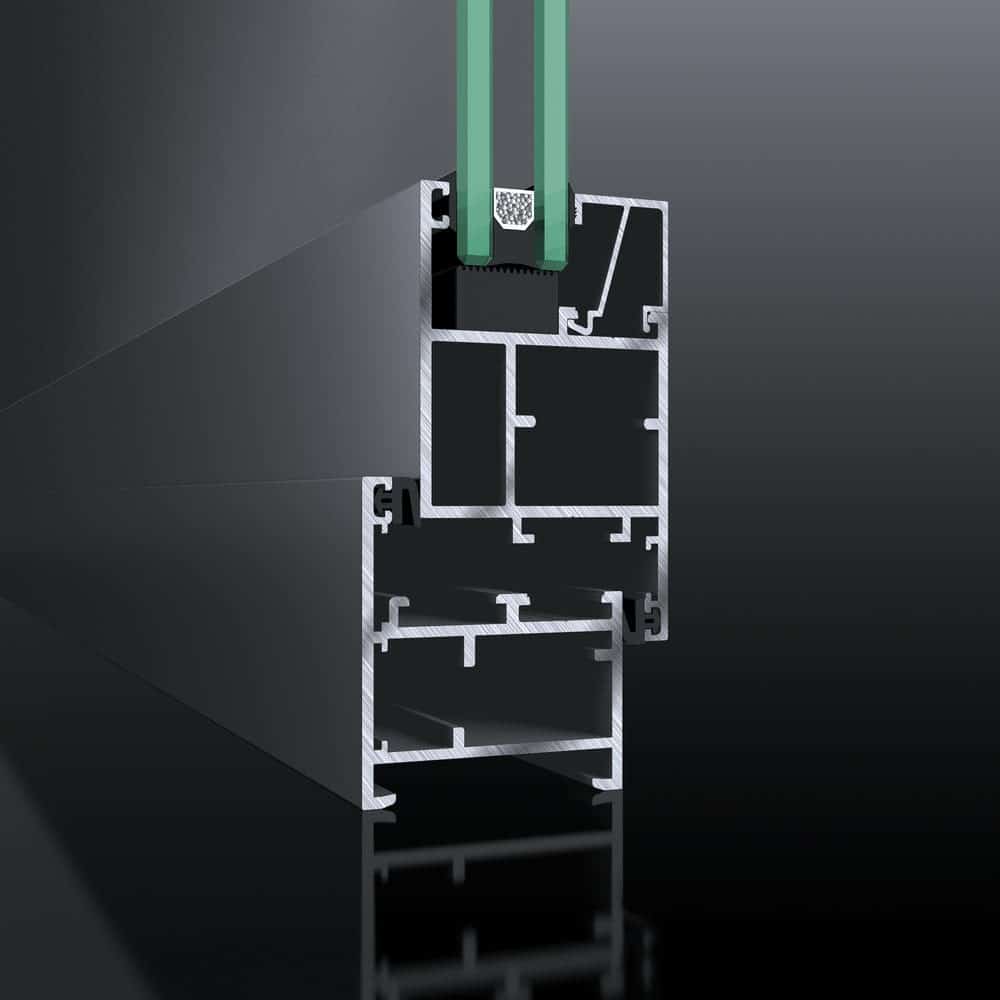
- ●System Adaptability: Maintain a compact 2-inch system depth compatible with concrete and steel structures across standardized projects.
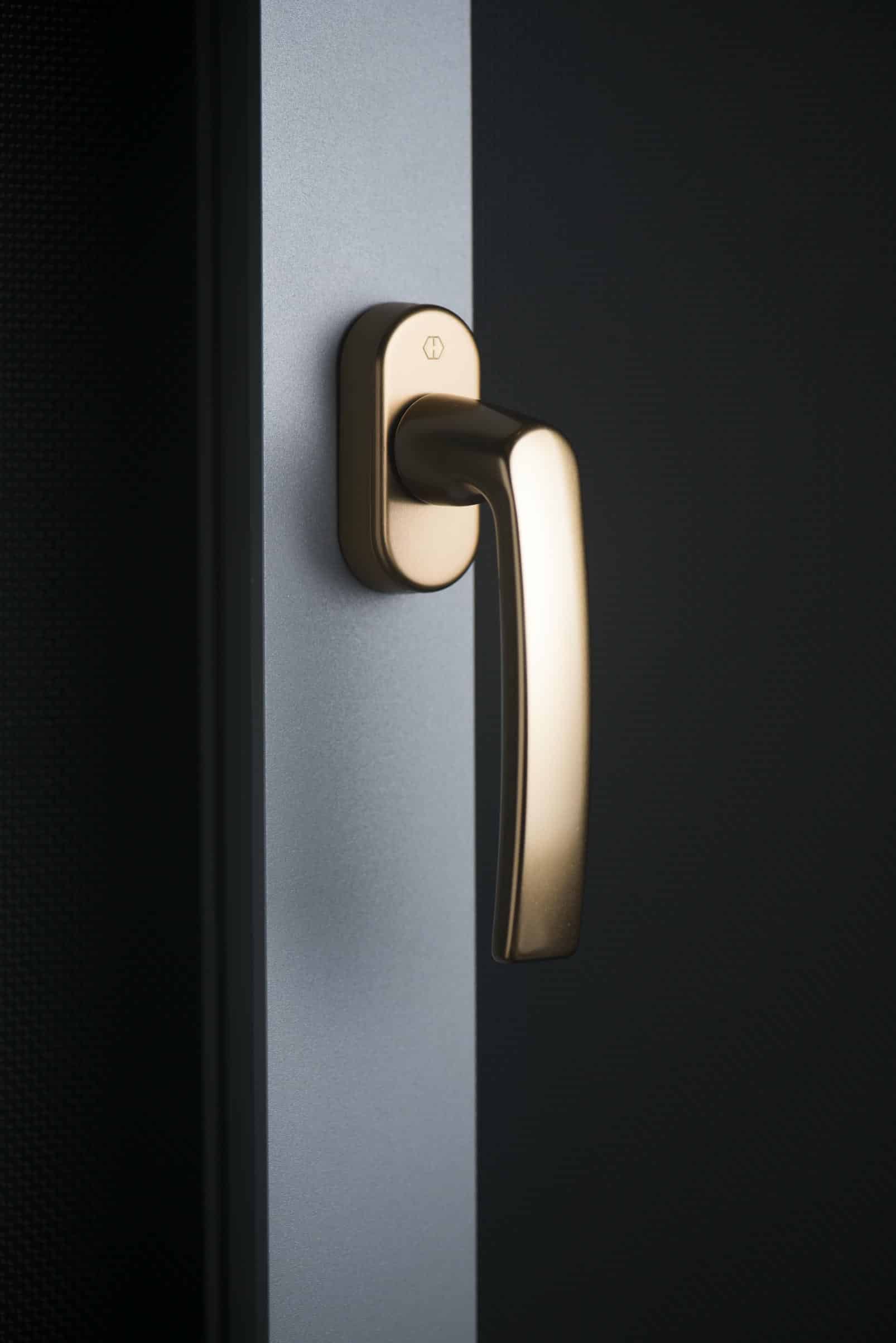
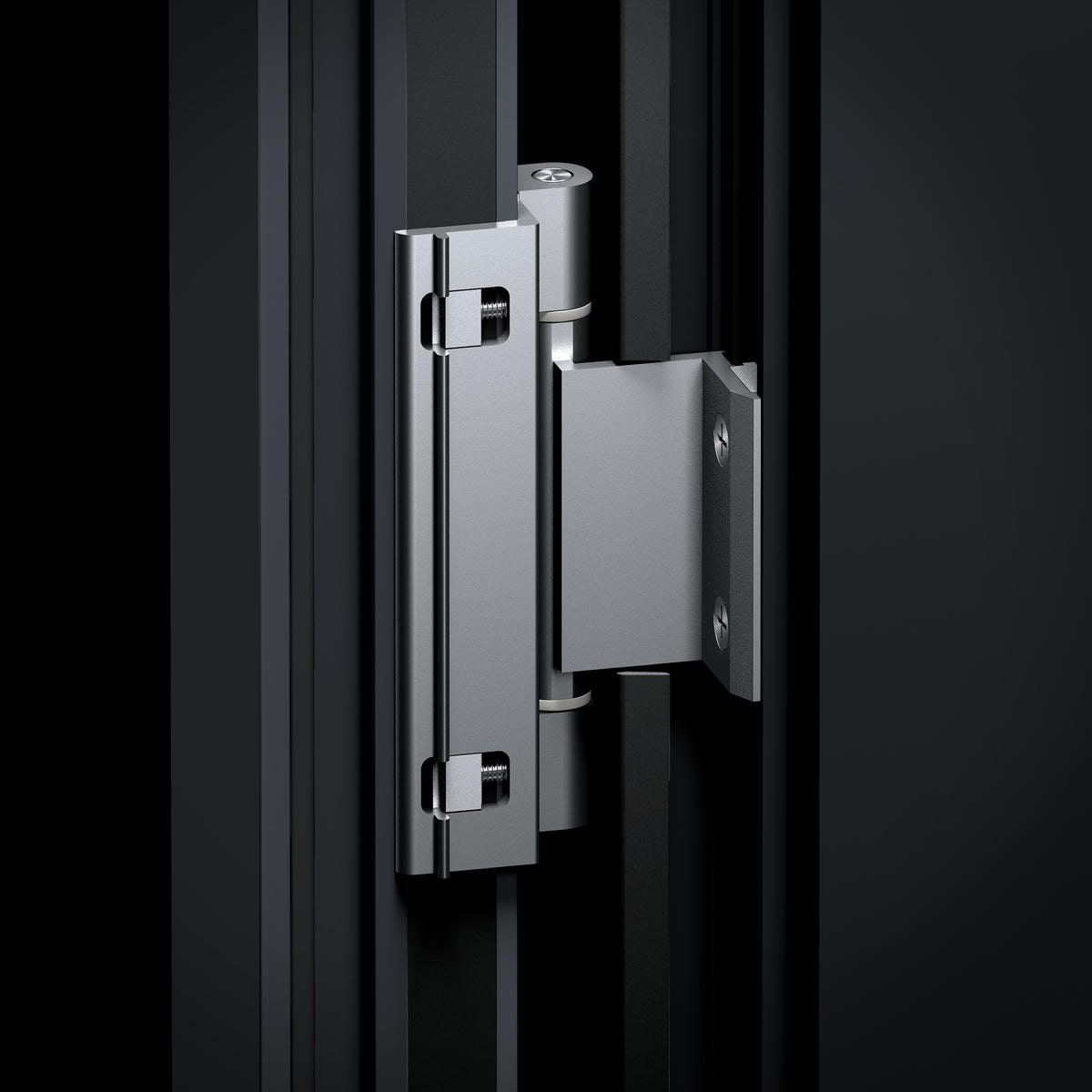
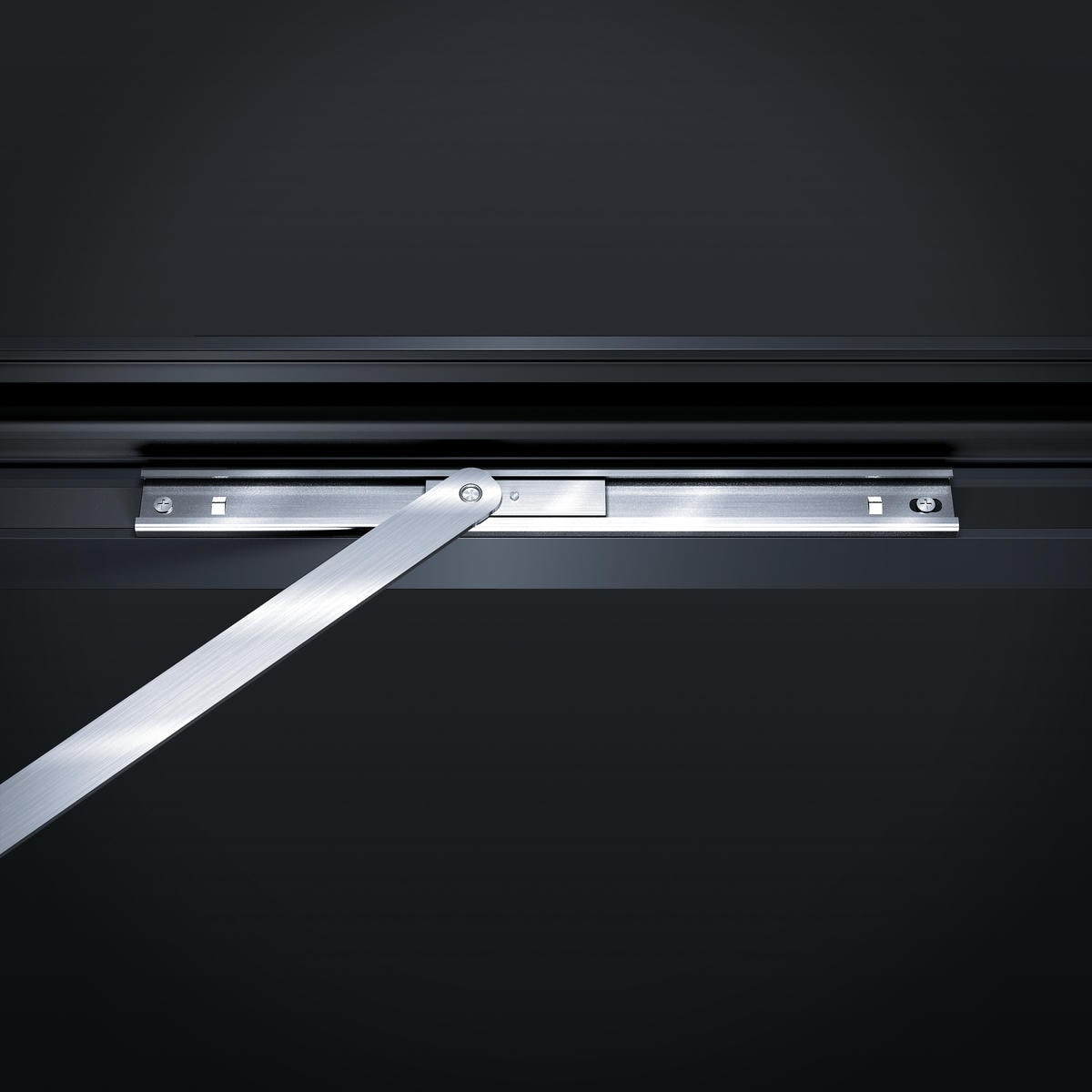
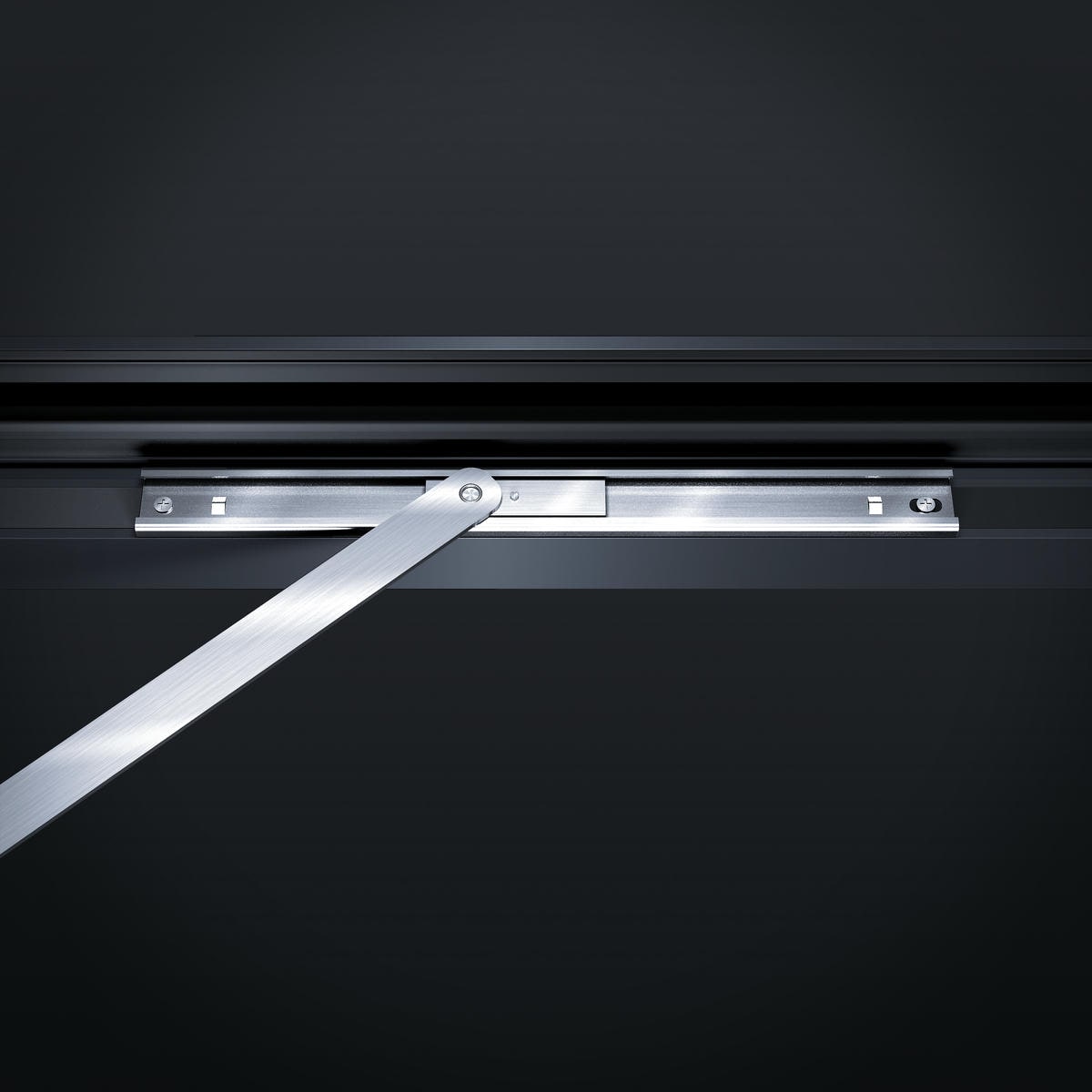
- ●Load-Controlled Hardware: Match sash size to friction-stay or hinge strategies while confining forces within the primary load-bearing chamber.
- ●Verified Performance: Evaluated to ASTM E330 with structural resistance up to DP 94 PSF and EPDM sealing continuity.
Commercial Casement System
The project-ready standard. Bunker strength with budget optimization. A solid aluminum system engineered for stability and cost-control.
- Structural Overkill: Features an impressive 0.12" (3.0mm) max wall thickness, significantly exceeding standard residential specs for stability.
- Flexible Engineering: Unique ability to switch between "Cost-Effective Friction Stays" or "Heavy-Duty Butt Hinges" based on project needs.
- Wet Glazed Integrity: Glass is bonded using Wacker® Neutral Silicone, ensuring superior weather sealing and structural adhesion.
Certified Performance

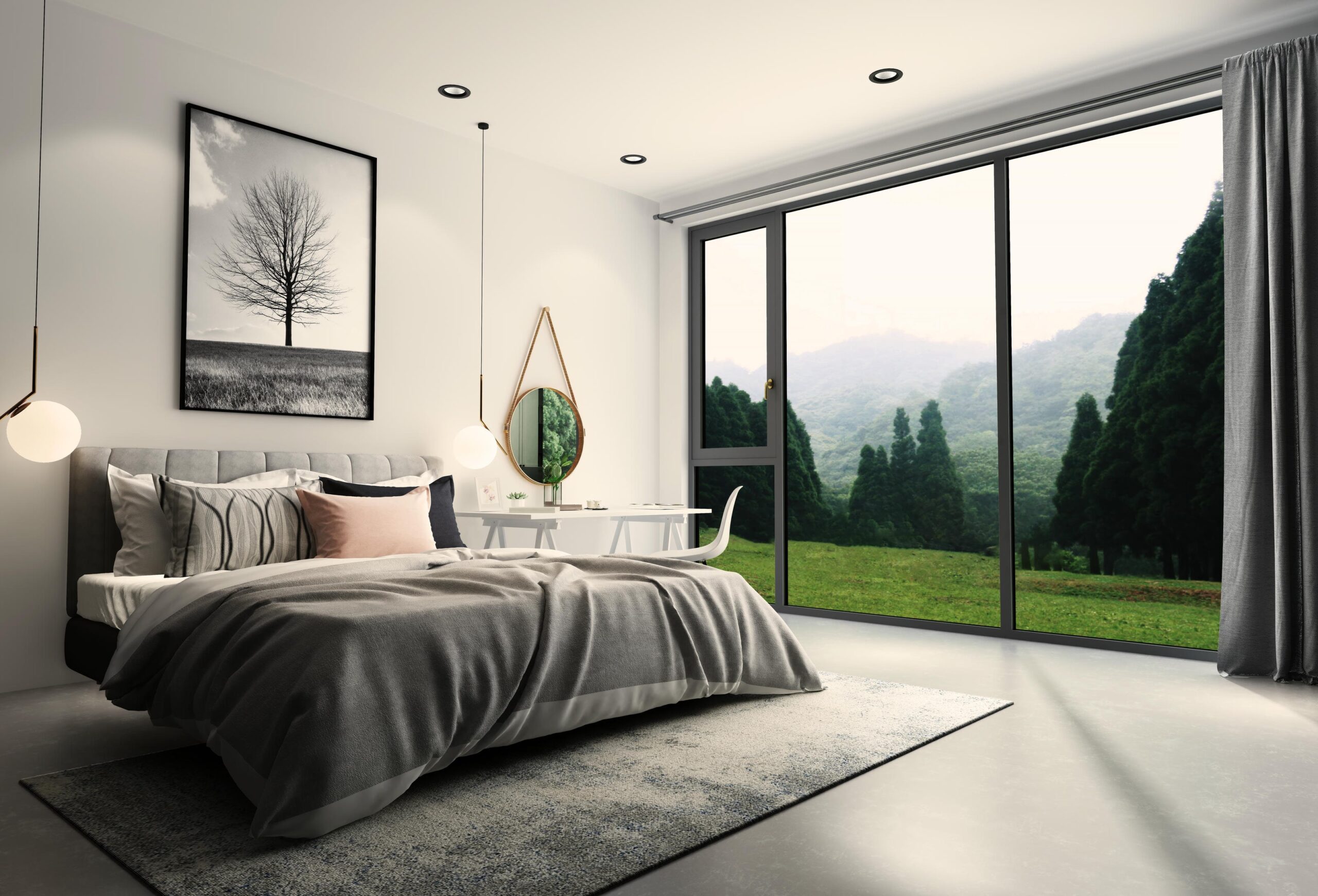
60 Series: Commercial Thermal Outward Casement Window System
Engineer code-aligned energy performance through a thermally broken outward casement system for mid-rise commercial buildings.
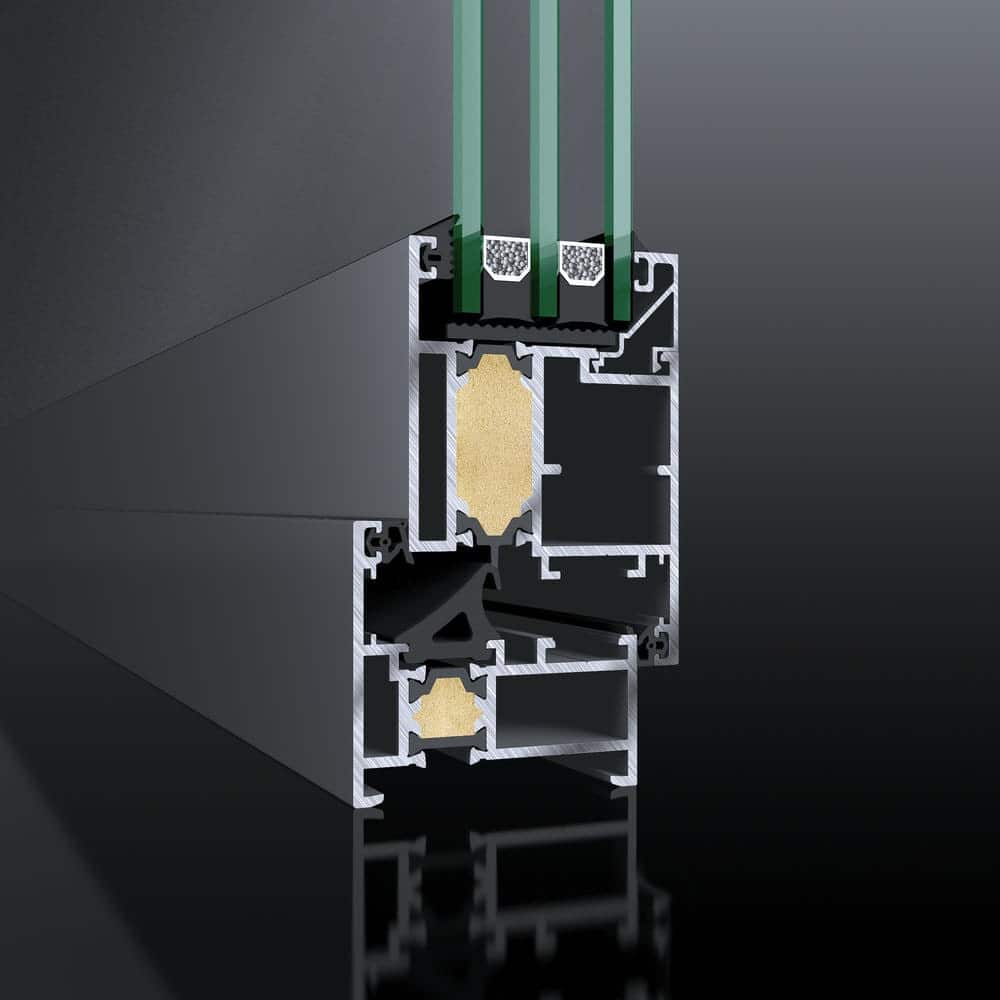
- ●System Adaptability: Utilize a 2.4-inch thermal frame depth with Technoform® Thermal Breaks for standard wall conditions.
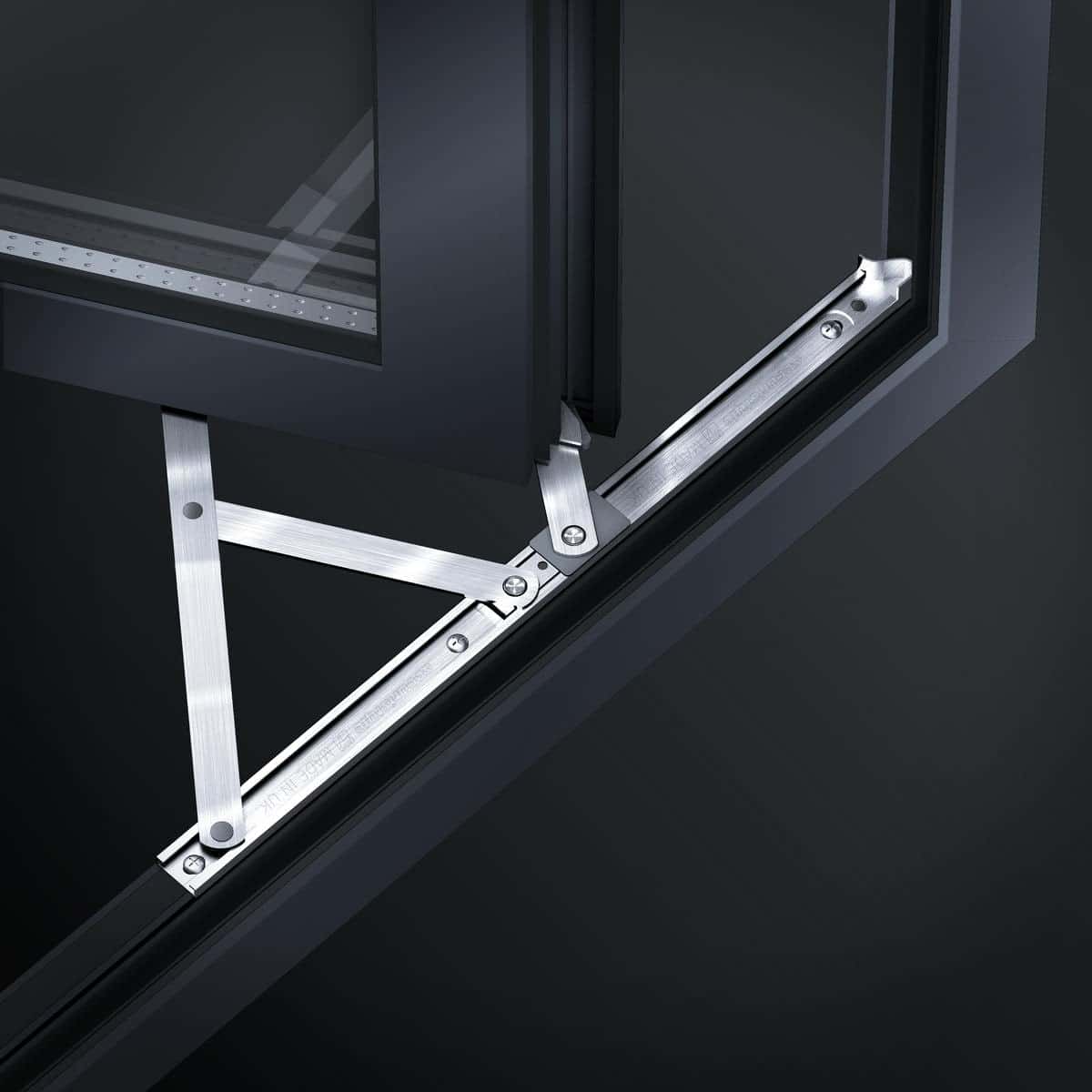
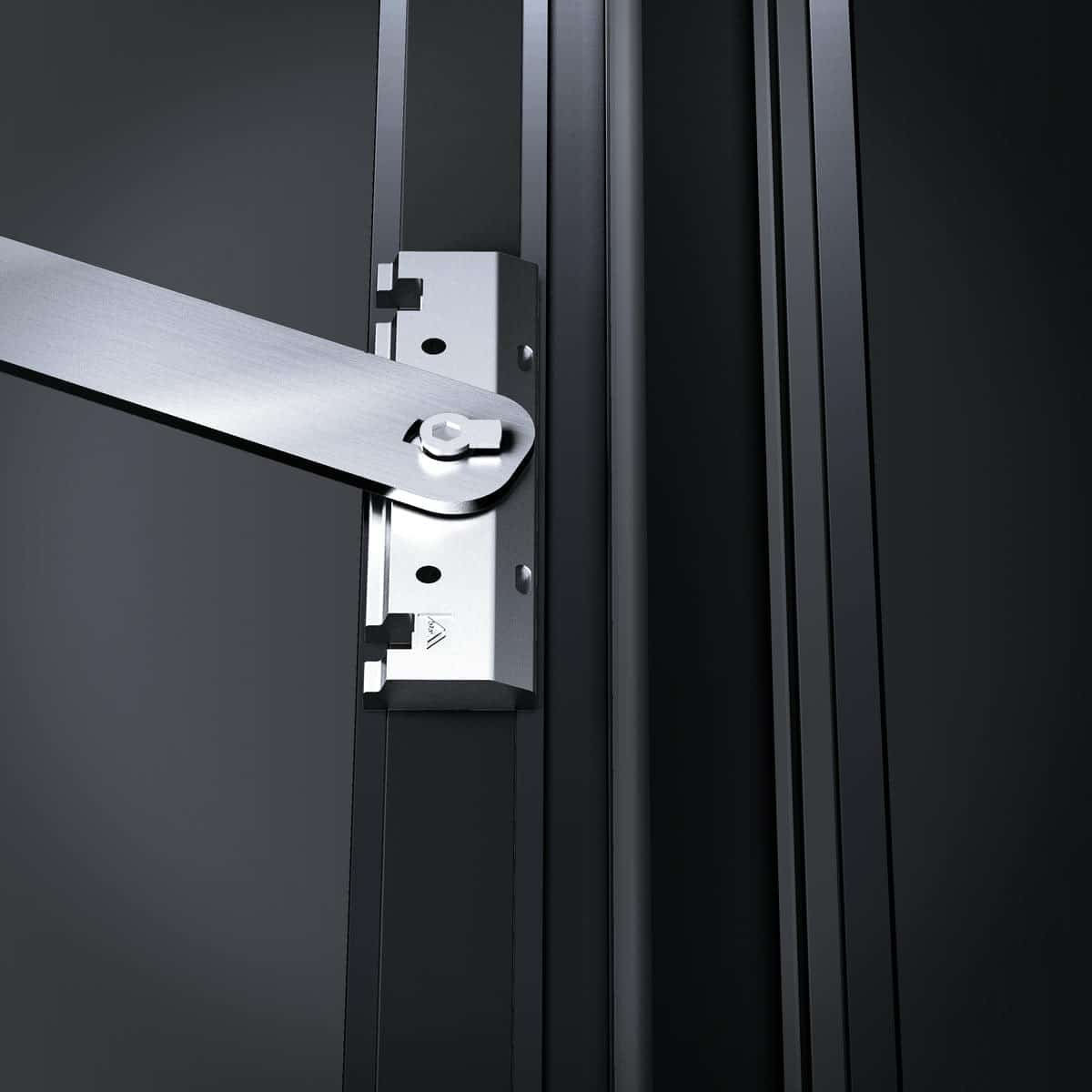
- ●Load-Controlled Hardware: Support full ventilation opening through balanced friction-stay or hinge configurations matched to sash weight.
- ●Verified Performance: Evaluated to ASTM E330 with structural resistance up to DP 63 PSF and EPDM sealing continuity.
Essential Thermal Casement
The smart entry-level thermal solution. Balancing value engineering with proven thermal breaks for standard residential projects.
- Standard Thermal Efficiency: Equipped with 16mm Technoform® strips to reduce heat transfer, meeting baseline energy requirements.
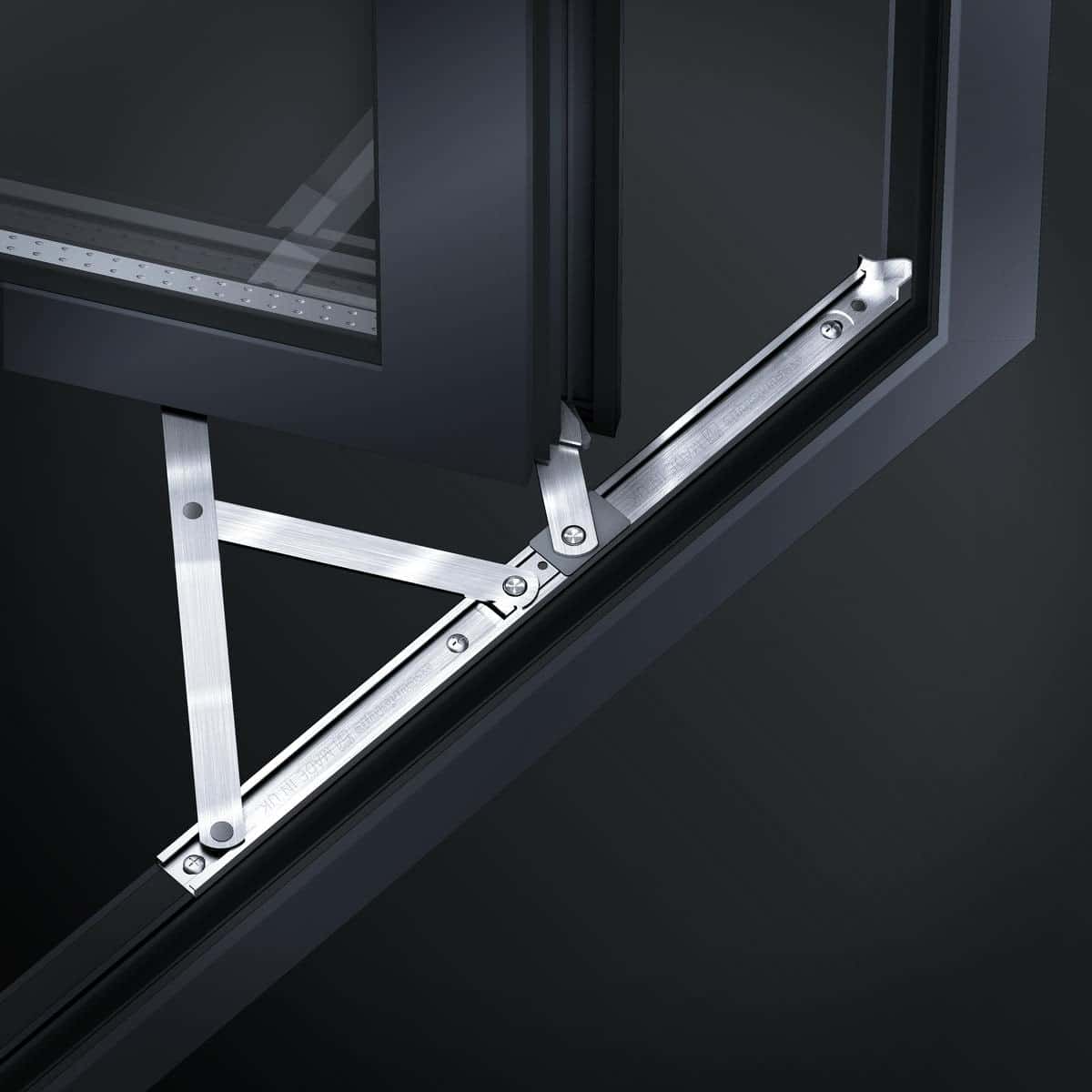
- Adaptive Hardware: Engineered to support both Friction Stays (Cost-effective) and Butt Hinges (Heavy-duty) without changing the frame profile.
- Weather Reliability: Uses a multi-layer EPDM sealing structure to achieve 11.5 psf water tightness, protecting interiors from heavy rain.
Certified Performance
65 Series: Enhanced Thermal Outward Casement Window System
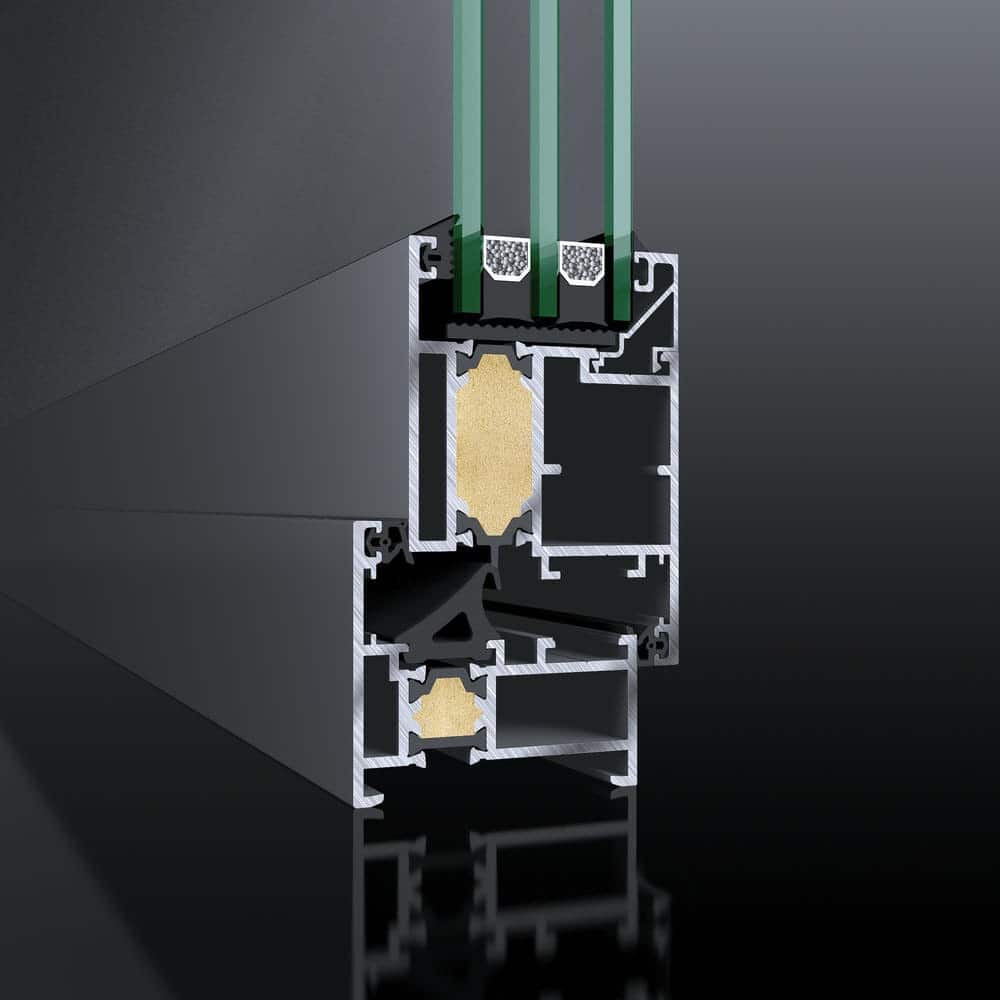
Engineer improved energy efficiency through an outward casement platform with expanded thermal separation for mid-rise applications.
- ●System Adaptability: Apply a deepened 2.6-inch thermal frame to accommodate enhanced insulation requirements.
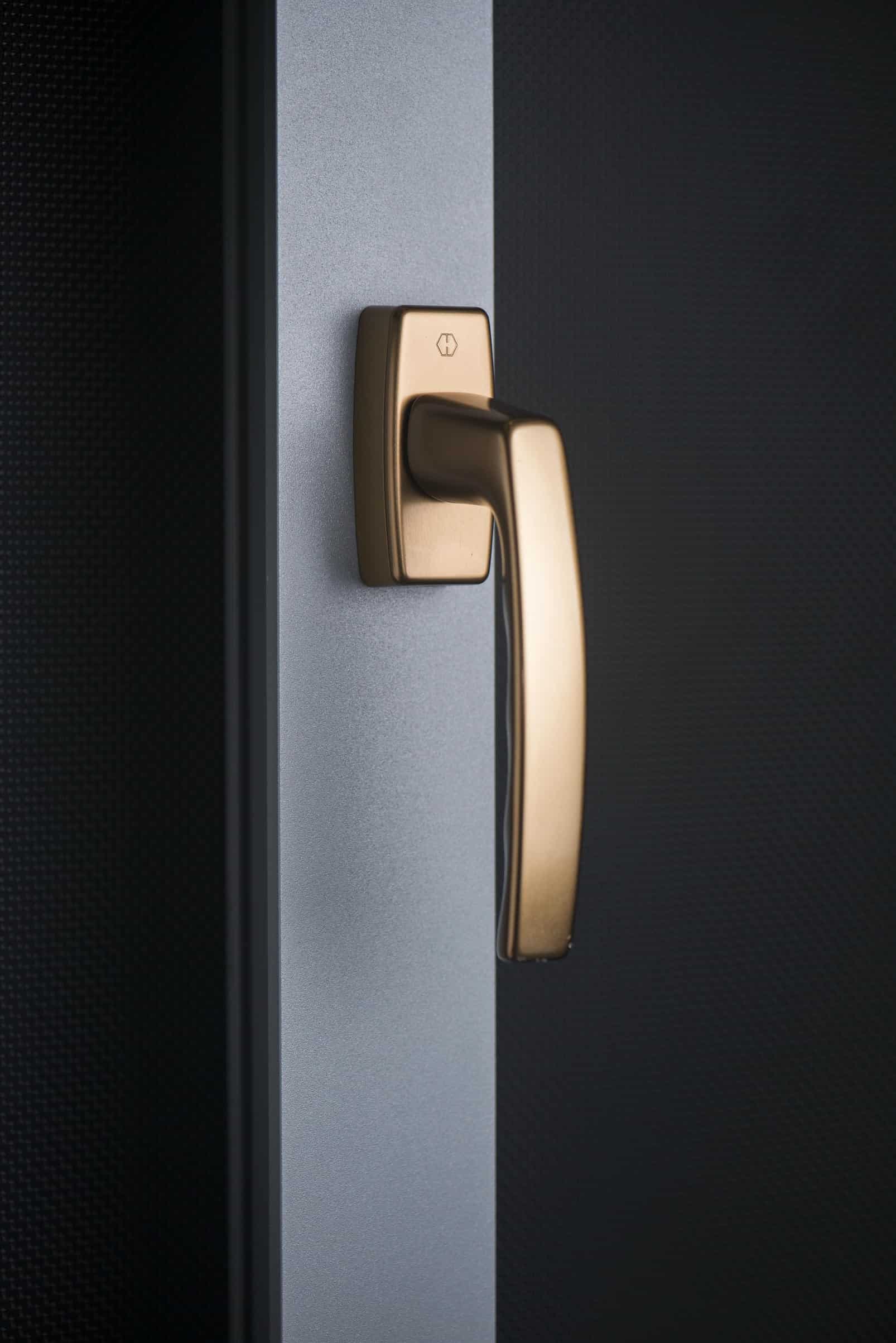
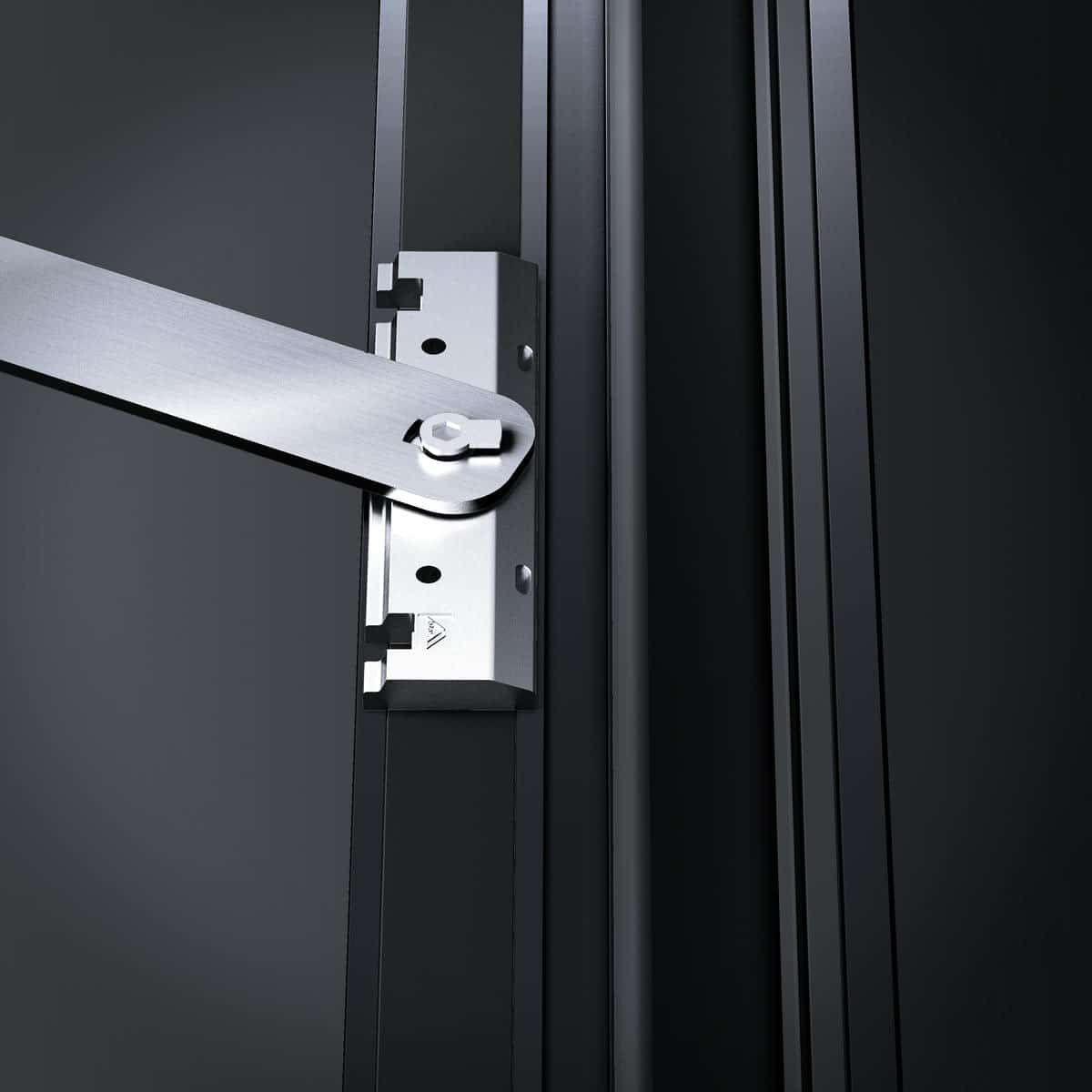
- ●Load-Controlled Hardware: Match larger sash sizes to friction-stay or heavy-duty hinge strategies within a defined load path.
- ●Verified Performance: Evaluated to ASTM E330 with structural resistance up to DP 63 PSF using Technoform® Thermal Breaks.
Enhanced Thermal Casement
The thermal upgrade. Featuring a wider 24mm thermal break for superior energy efficiency in standard residential builds.
- Thermal Powerhouse: Upgraded with a significantly wider 24mm Technoform® strip, delivering superior insulation compared to standard entry-level systems.
- Expanded Structure: Frame depth increased to 2-9/16" (65mm) to accommodate the larger thermal break while maintaining high structural rigidity.
- Versatile Glazing: Supports glazing packages from 7/8" up to 1-1/2", allowing for high-performance Low-E or acoustic glass combinations.
Certified Performance
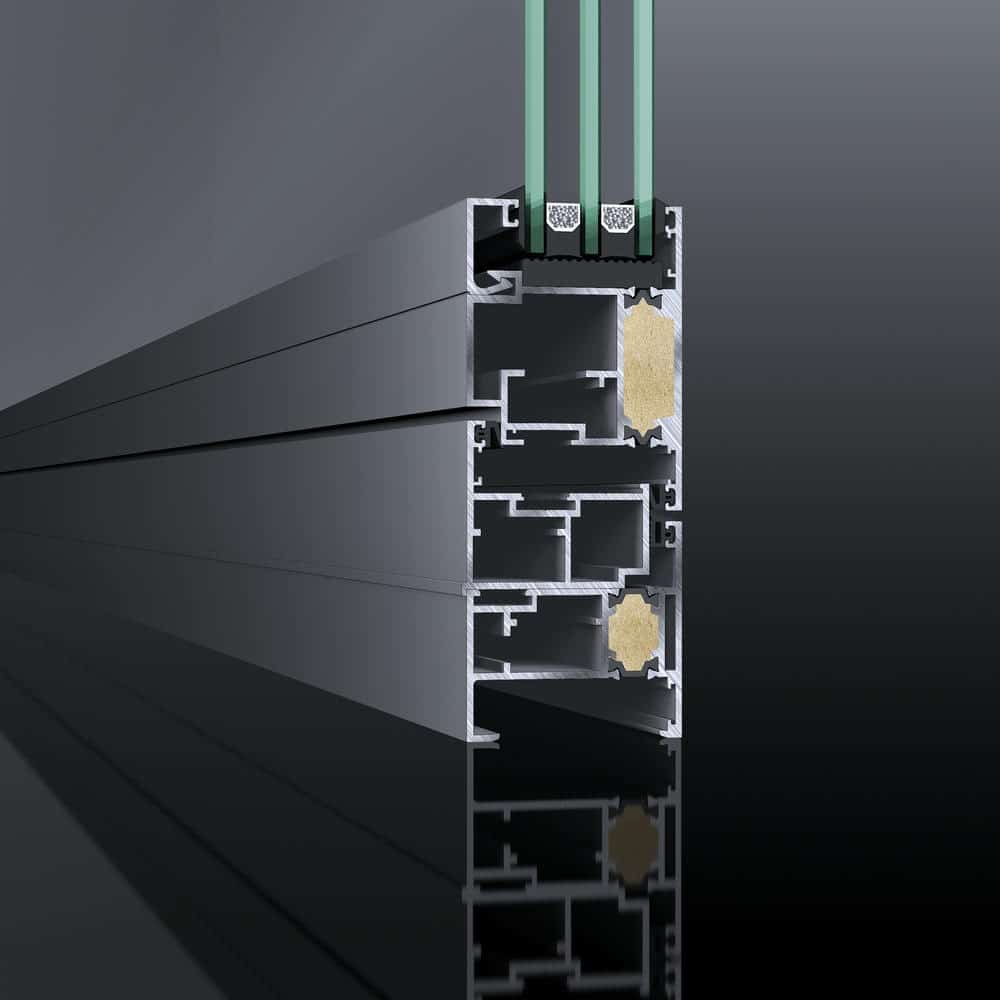
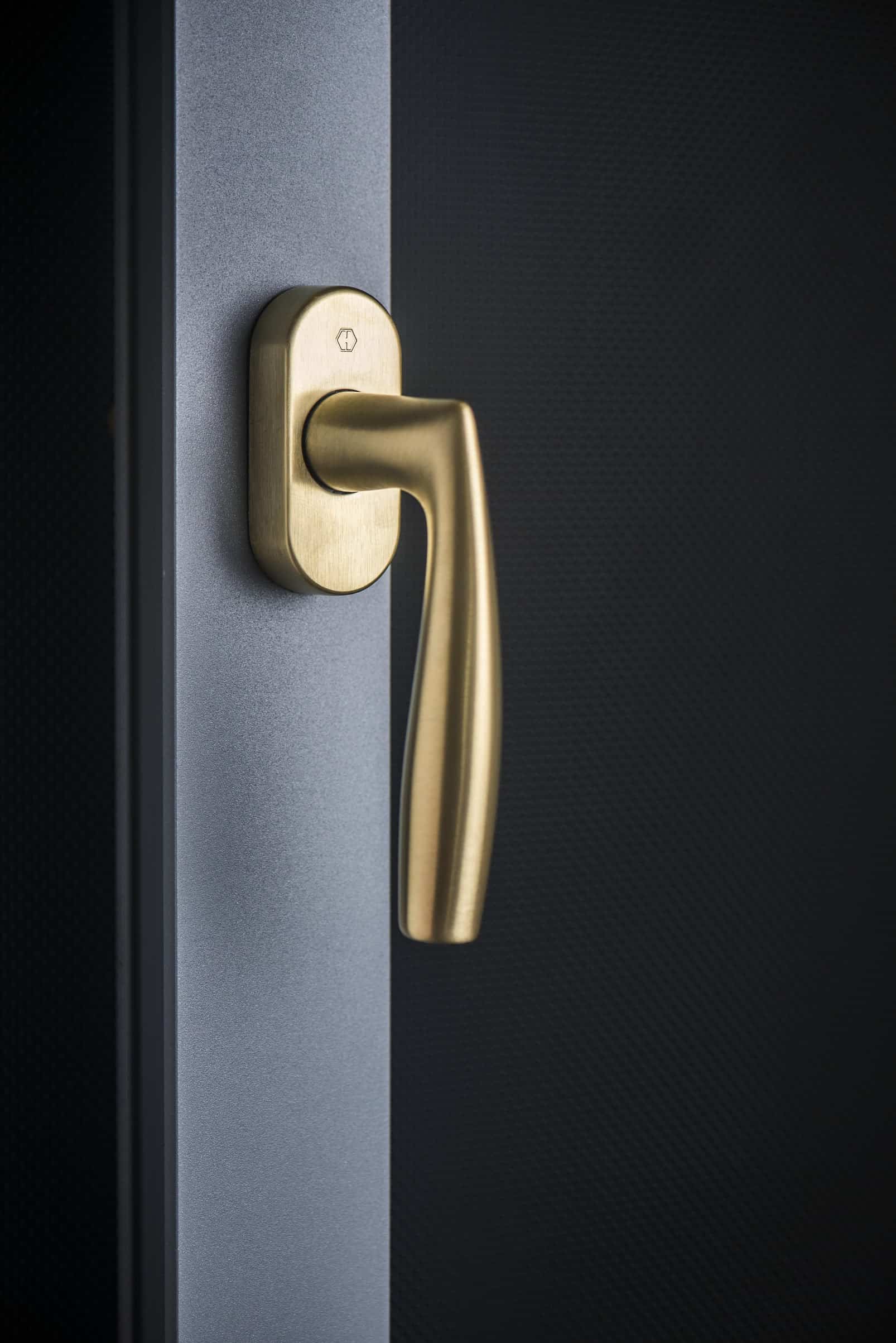
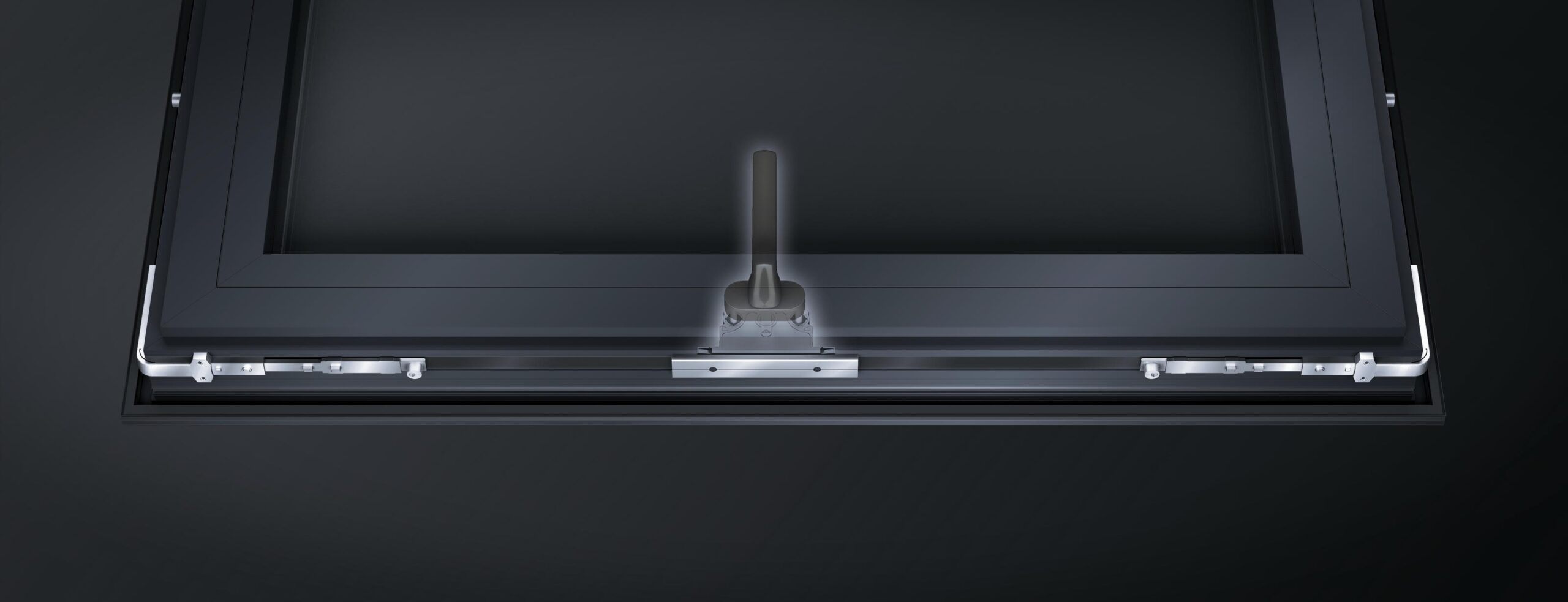
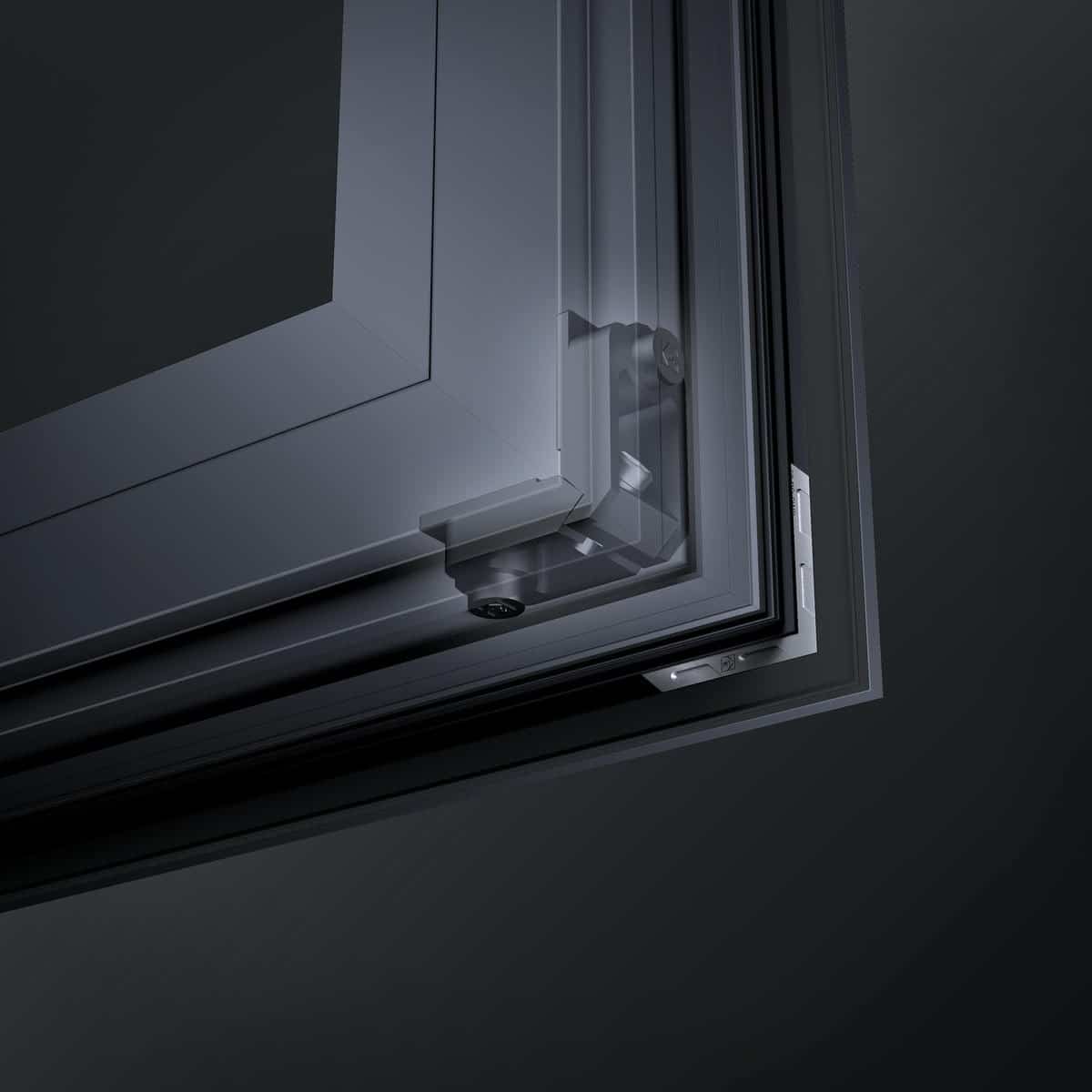
70 Series: High-Rise Flat-Aligned Outward Casement Window System
Engineer high-rise operability through a thermally broken outward casement system designed for interior-side glass servicing.
- ●System Adaptability: Maintain flat-aligned frame-and-sash geometry on a 2.7-inch system depth for high-rise façades.
- ●Load-Controlled Hardware: Coordinate hinge or friction-stay hardware with sash weight while preserving interior glazing access.
- ●Verified Performance: Evaluated to ASTM E283 / E330 / E331 with EPDM sealing continuity for high-rise exposure.
Architectural High-Rise Casement
The vertical solution. Featuring Interior Glazing Access for safer high-rise maintenance and a Flush Sash design for seamless modern façades.
- Interior Glazing Architecture: Designed for vertical living, the glass bead is positioned on the inside, allowing glass replacement from the interior—eliminating the need for exterior scaffolding.
- Flush Aesthetic: When closed, the sash and frame sit on the same plane, creating a crisp, unified façade line preferred by modern architects.
- Bunker Construction: With profile wall thicknesses reaching 0.25" (6.5mm) in critical areas, this system offers immense rigidity for larger sash sizes.
Certified Performance
100-95 Series: Structural Thermal Outward Casement Window System
Engineer large-format operable ventilation through a structurally reinforced thermal casement system for exposed mid- to high-rise façades.
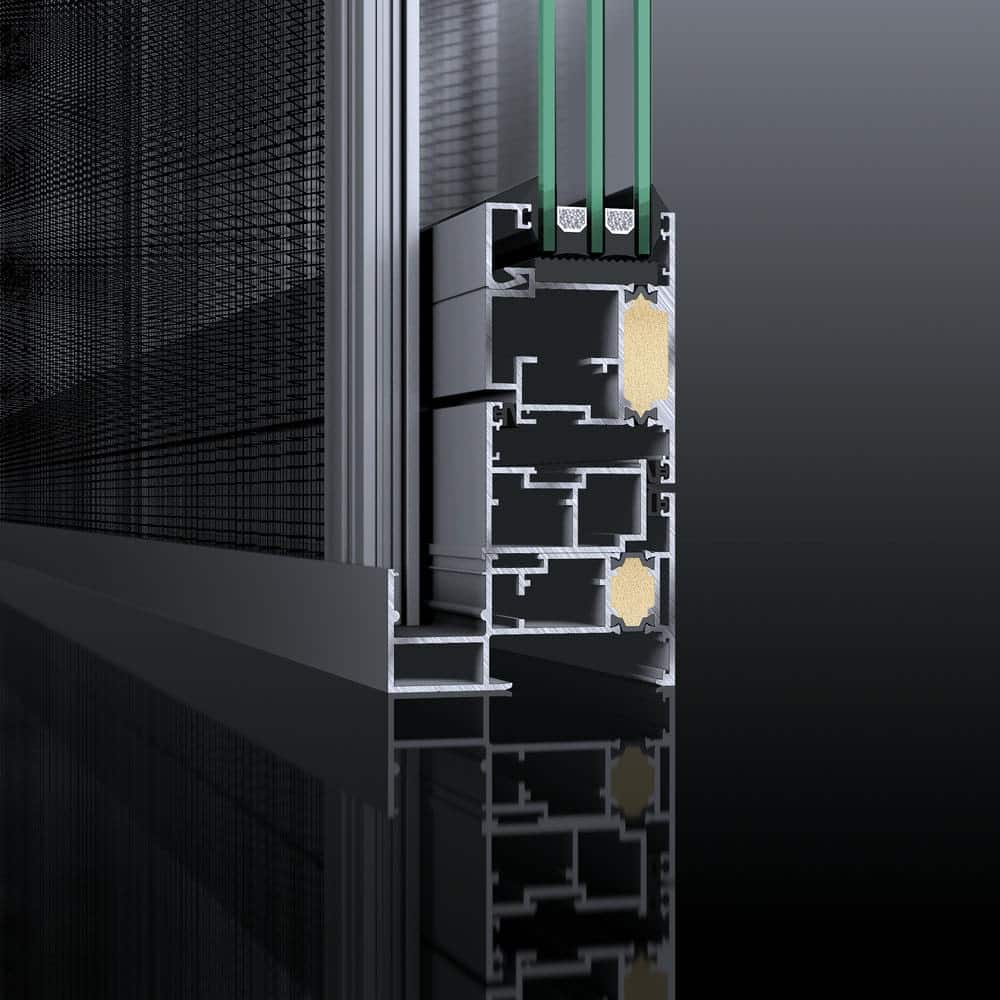
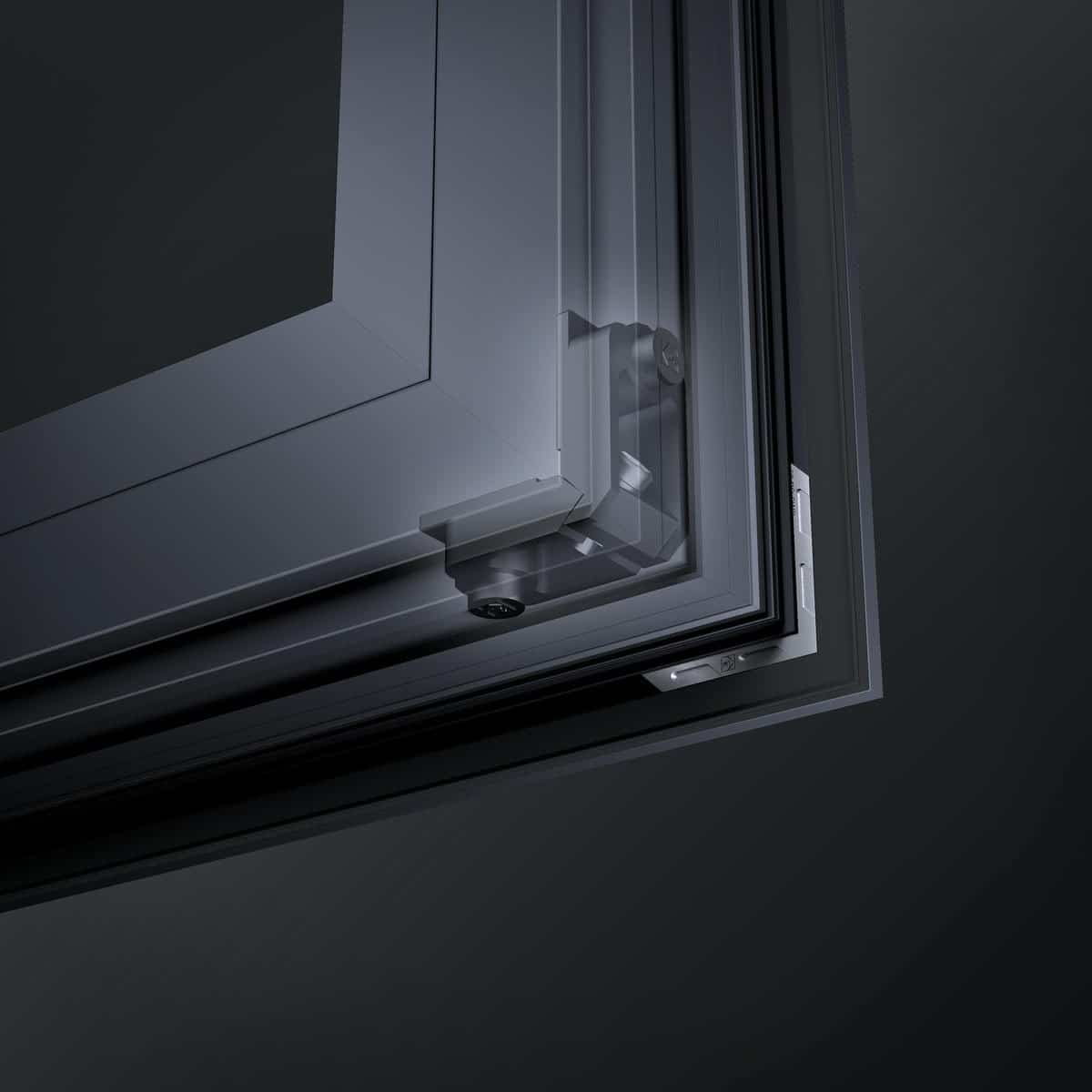
- ●System Adaptability: Deploy a reinforced 4-inch thermal system depth to support oversized outward-opening sashes.
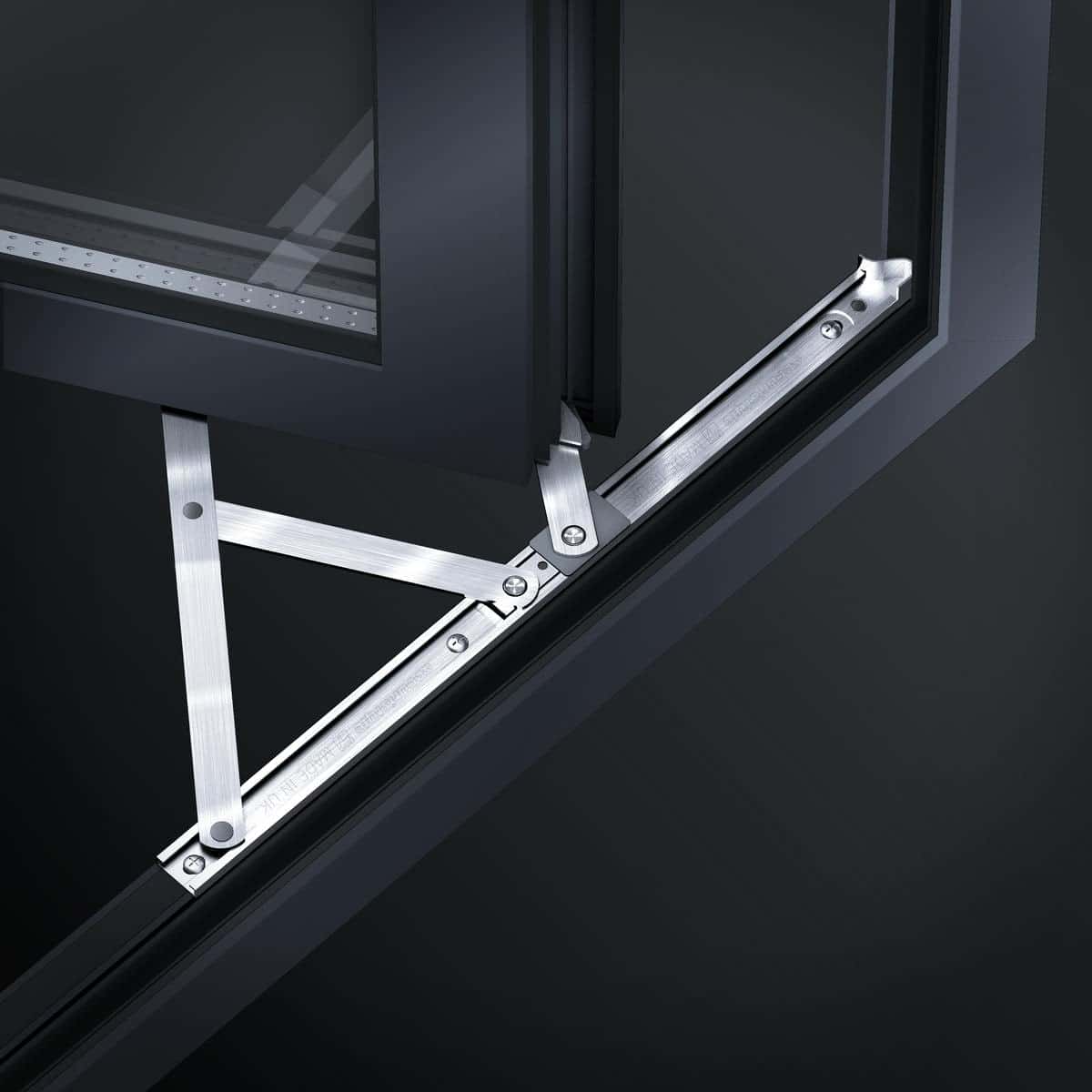
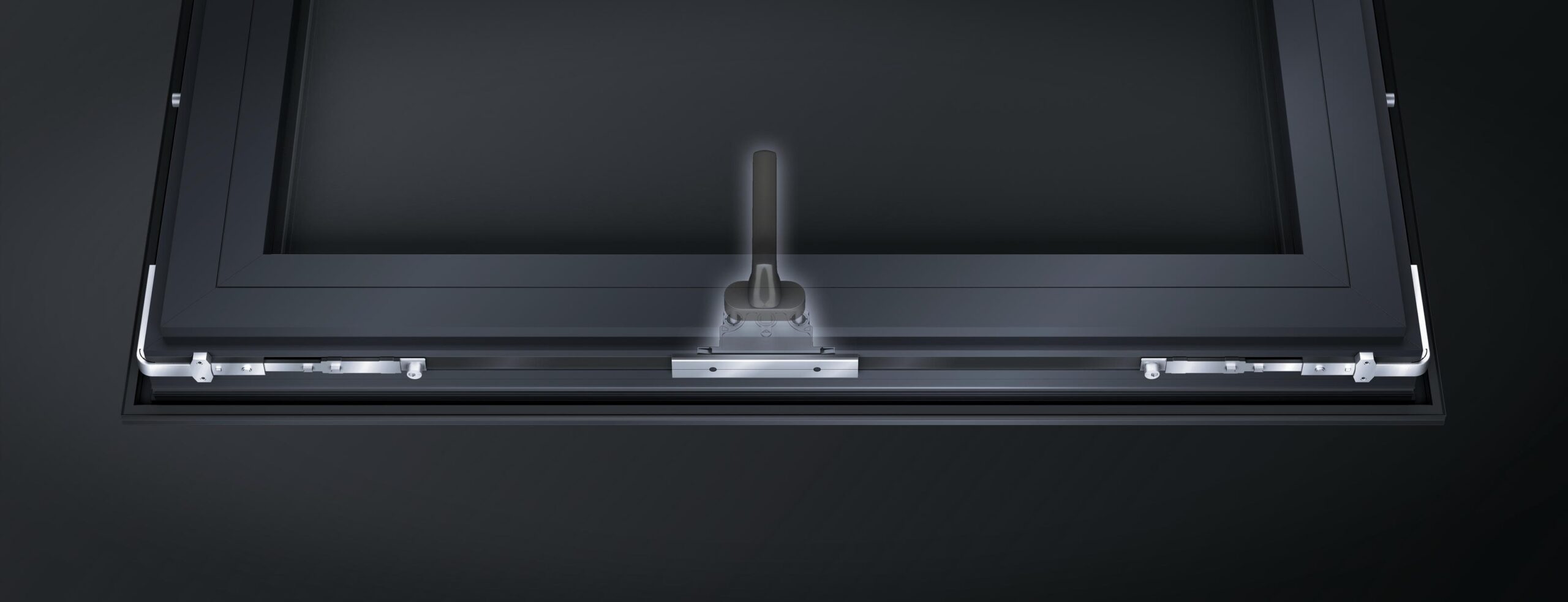
- ●Load-Controlled Hardware: Match heavy-duty hinge or friction-stay strategies to sash weight within a defined structural load path.
- ●Verified Performance: Evaluated to ASTM E330 with Technoform® Thermal Breaks and dual EPDM sealing strategy.
Outward Casement System
Maximum structural integrity for mid-and-high-rise projects. A flush-fit thermal break system engineered for elevated wind loads and superior facade aesthetics.
- Massive Wall Thickness: Robust profile design ranging from 0.08" to 0.26" (2.0–6.5mm) to meet extreme structural demands.
- Optimized Wind Path: The flush frame-and-sash design ensures a clean aesthetic while creating a superior wind-load transfer path.
- Dual-Seal Protection: Utilizing European-standard composite EPDM gaskets for professional-grade air and water tightness.
Certified Performance
110-50 Series: Integrated Protective Outward Casement Window System
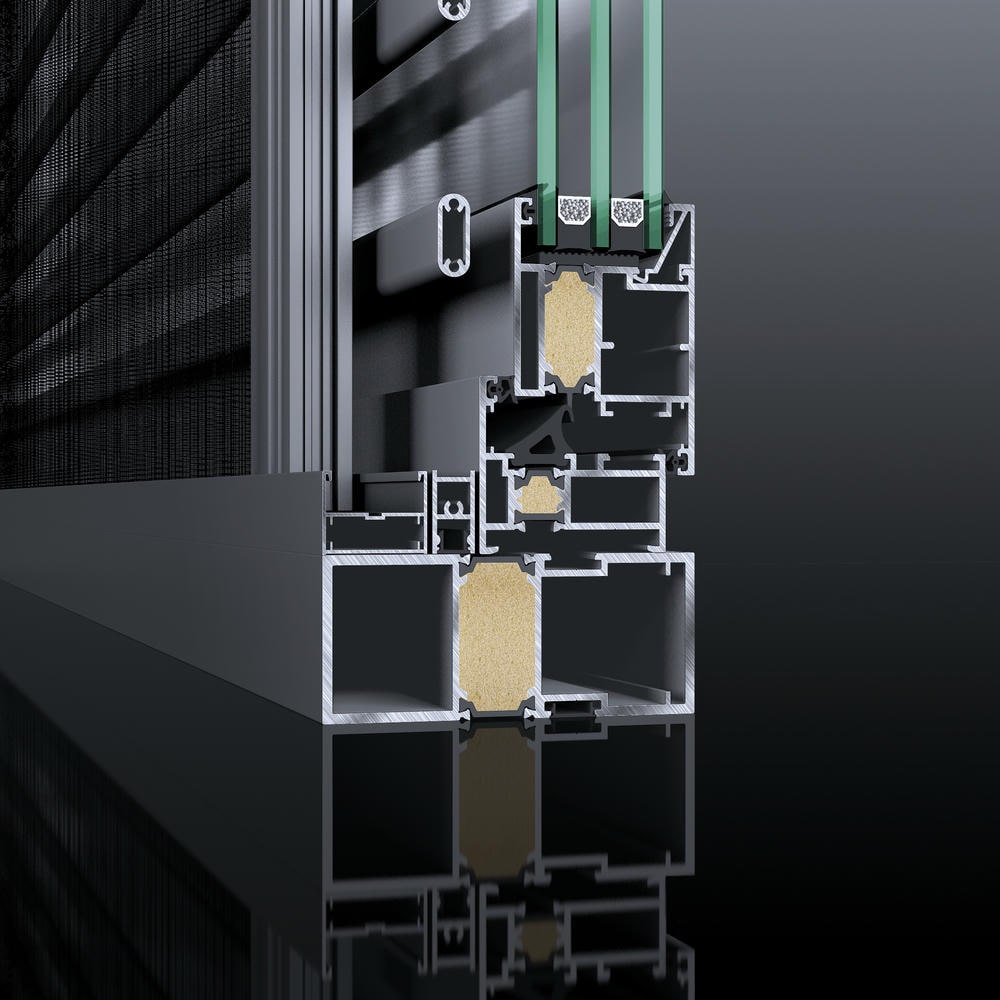
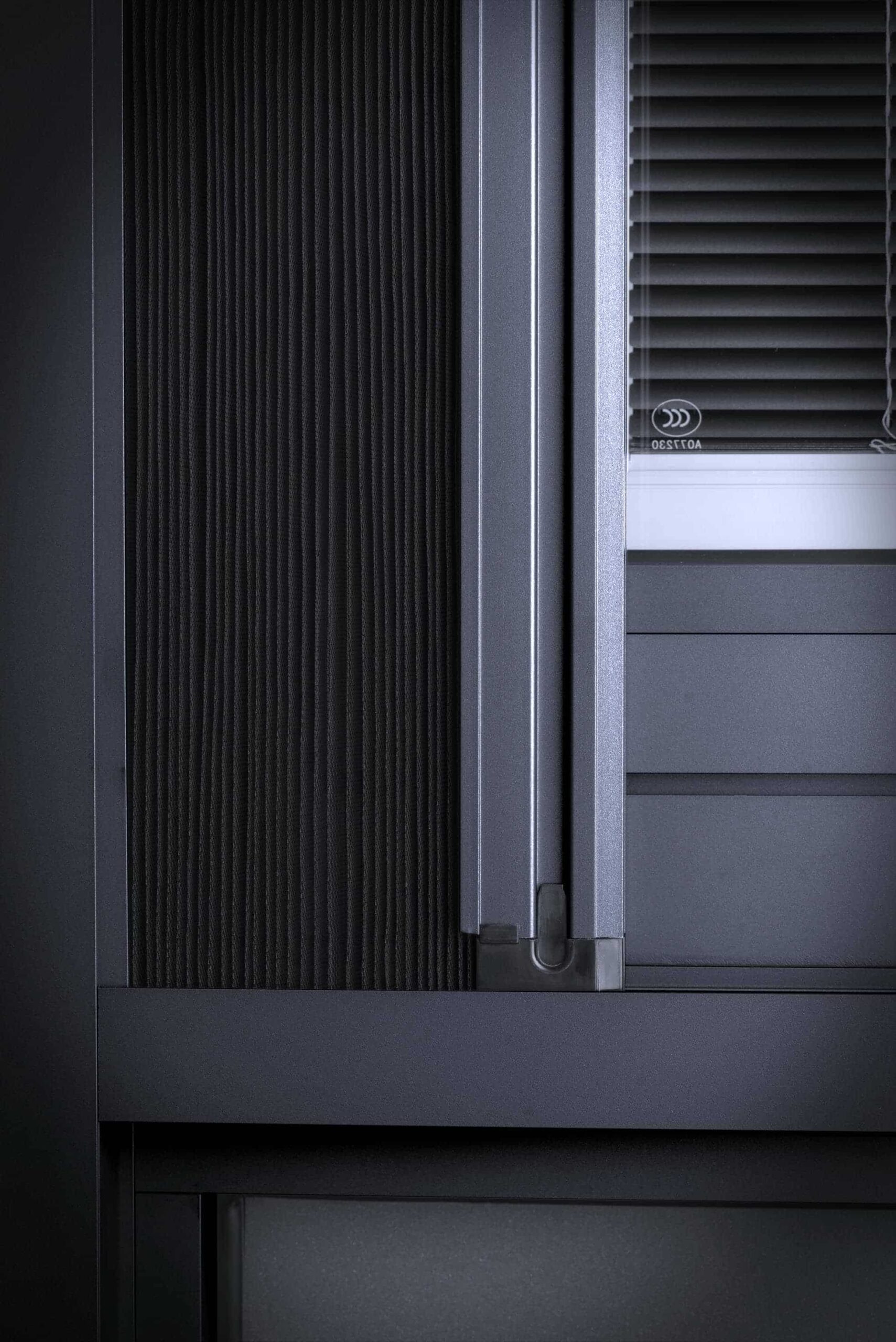
Engineer secure operable openings through a structurally integrated outward casement system that combines thermal performance and protective functions within a unified load-bearing frame.
- ●System Adaptability: Utilize a unified 4.33-inch system depth to accommodate thermal glazing and integrated protective elements within one structural frame.
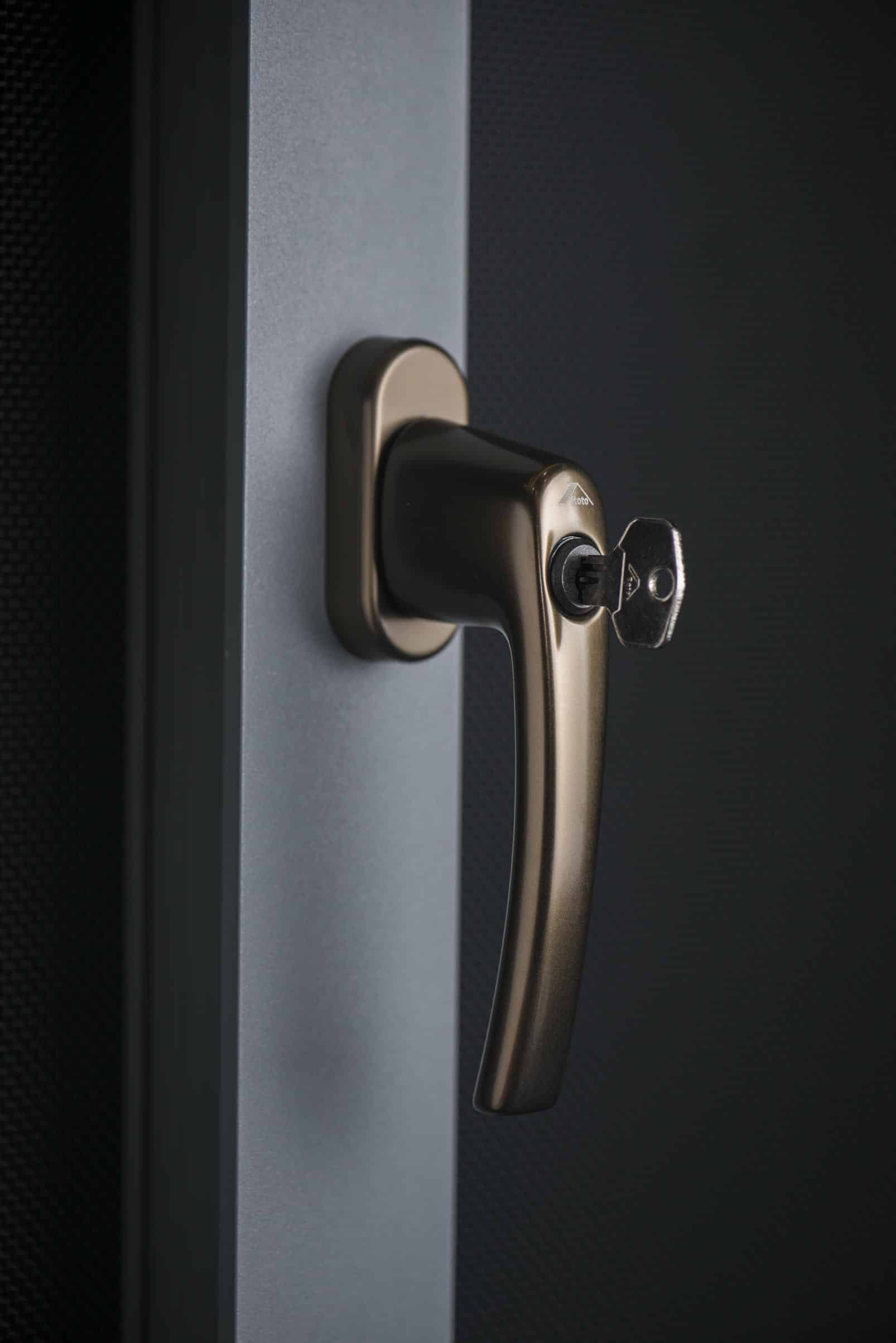
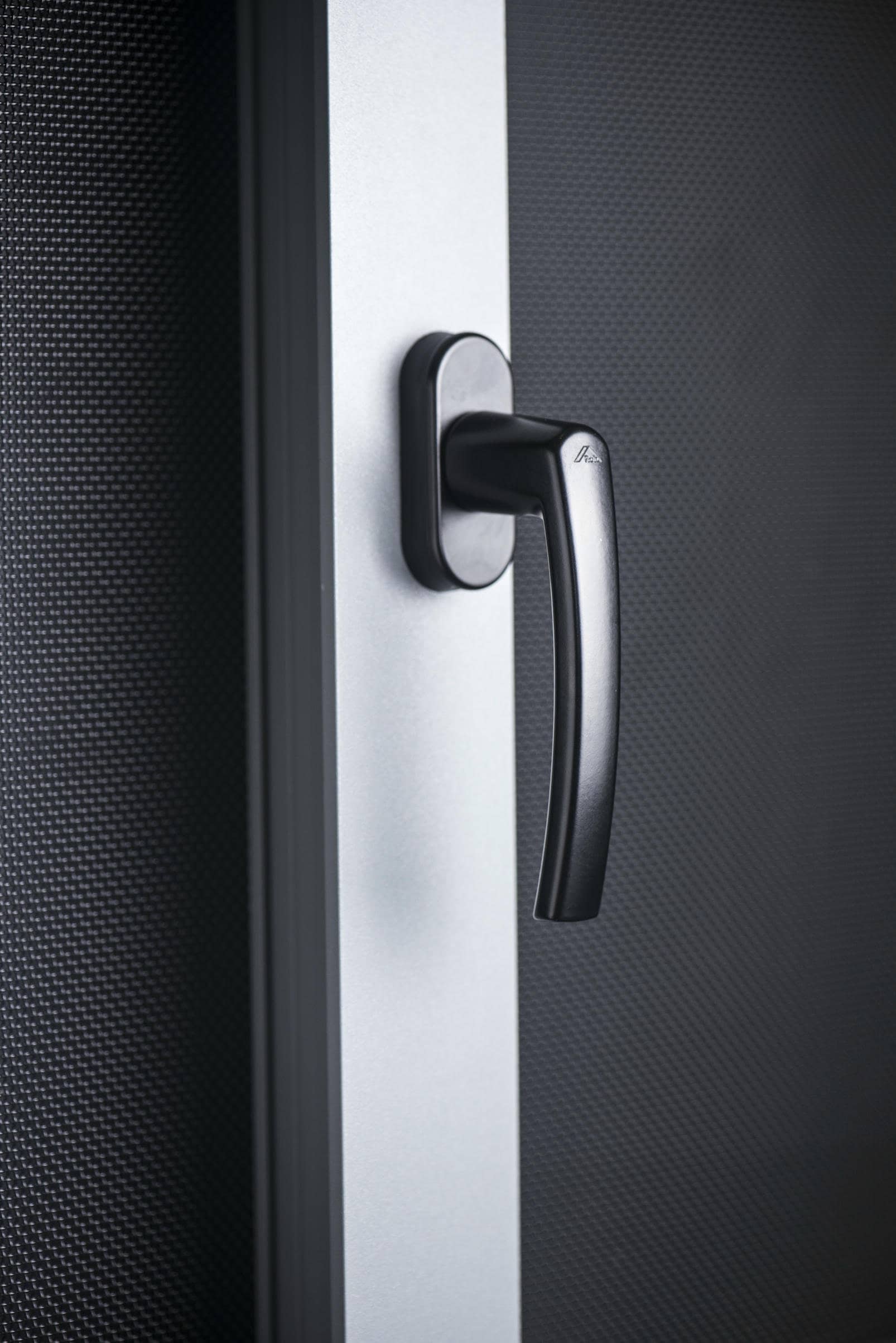
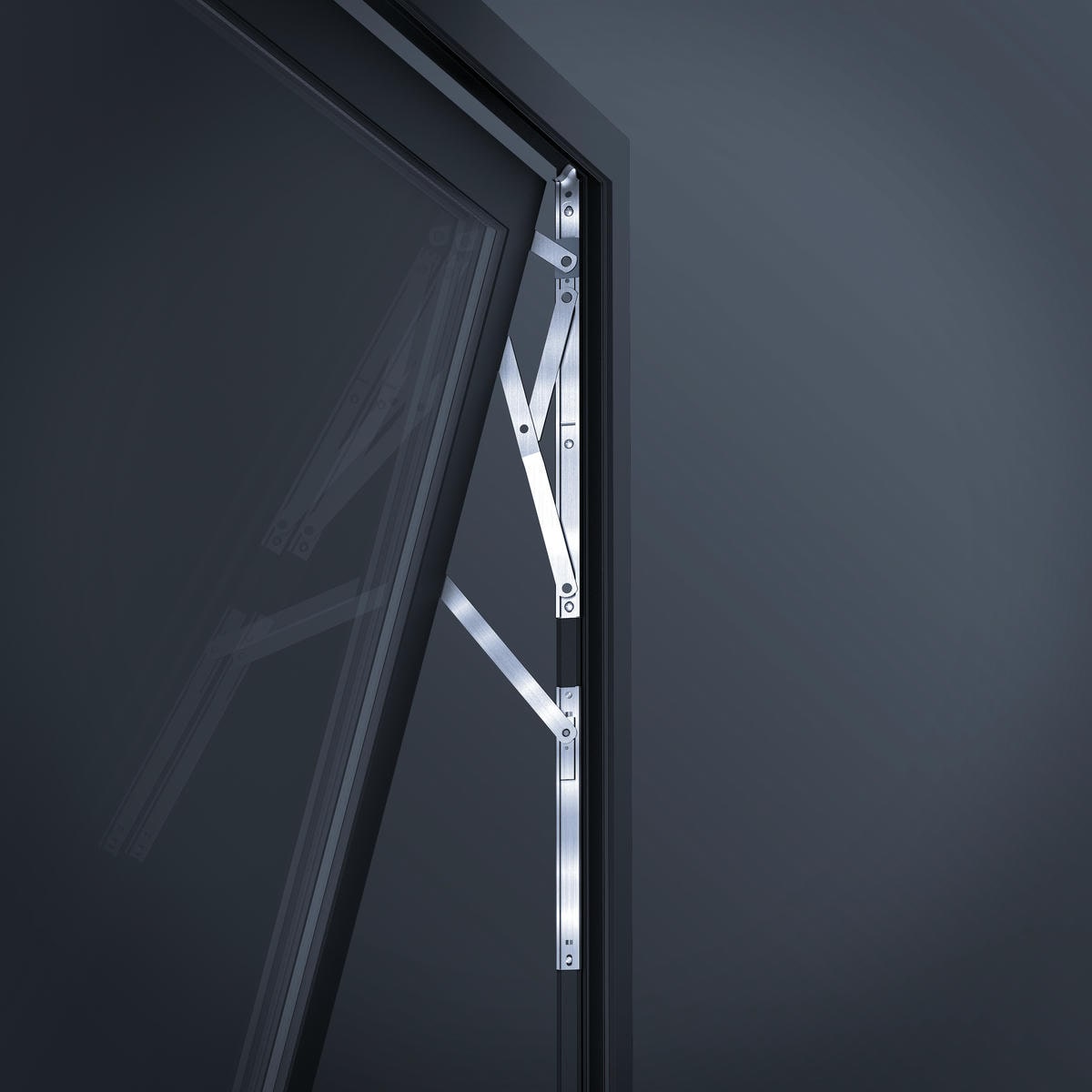
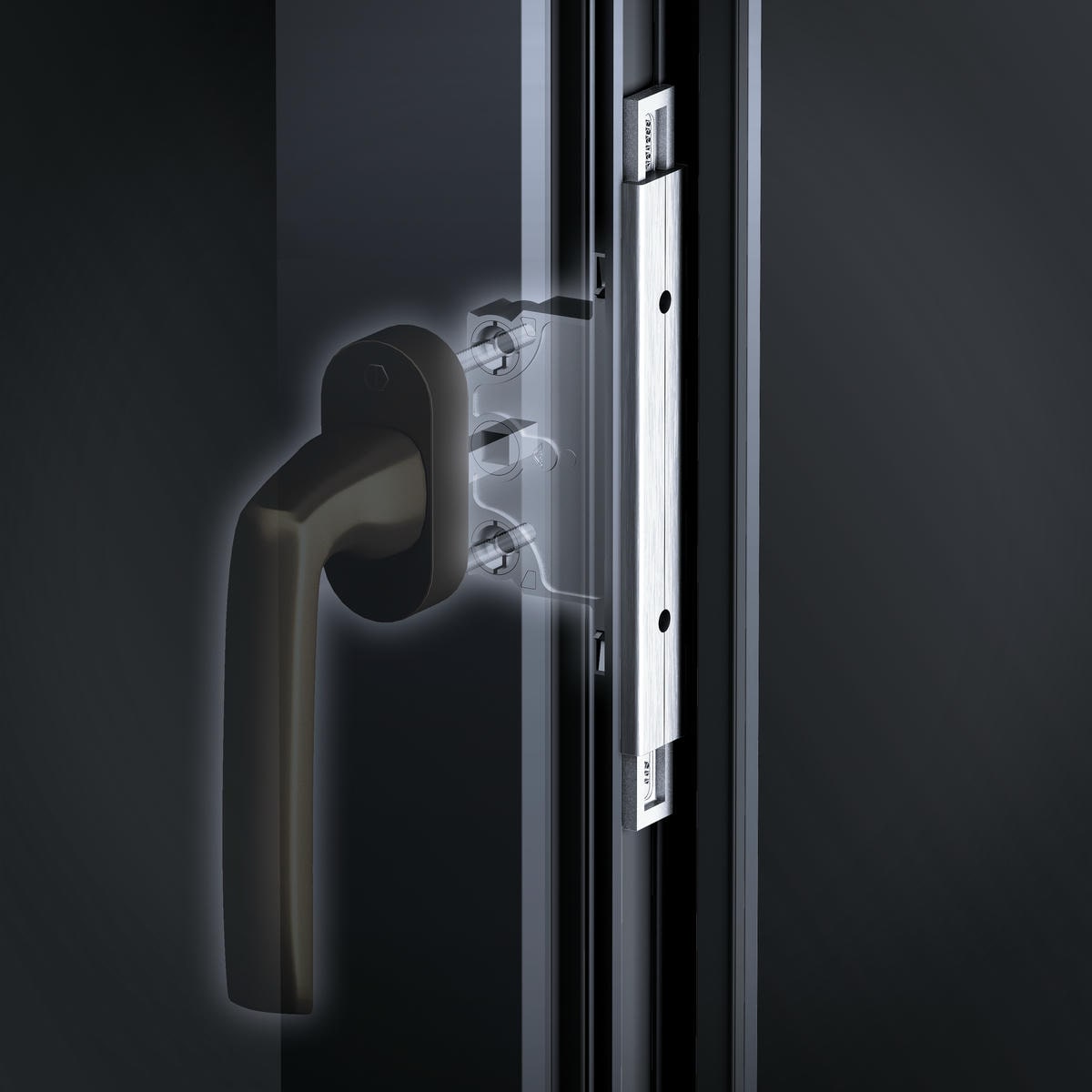
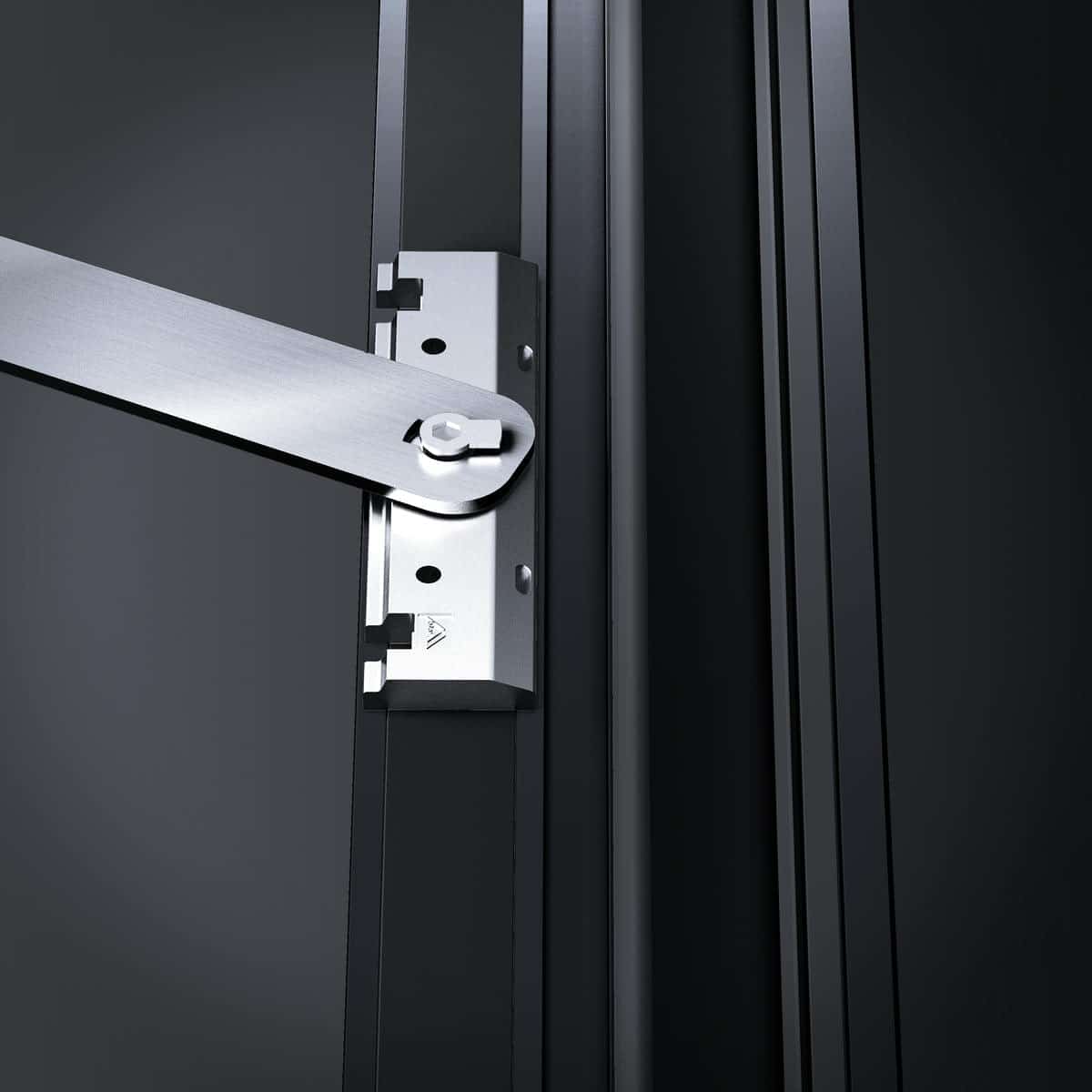
- ●Load-Controlled Hardware: Coordinate sash operation with Roto® or GU® hardware while isolating protective components from primary weather sealing paths.
- ●Verified Performance: Evaluated to ASTM E330 with structural resistance up to DP 94 PSF, supported by a triple EPDM sealing system and wet-glazed assembly.
Fortress Outward Casement
Integrated protection meets high-rise performance. Engineered with a 4.33" (110mm) structural thermal mullion to combine secure barriers with commercial-grade aesthetics.
- System-Level Integration: Protection elements are fixed to the primary load-bearing structure, ensuring zero interference with the main window sealing.
- Structural Precision: Features a 4.33" x 1.97" (110mm x 50mm) thermal break mullion as the system core for high-rise stability.
- Triple-Seal Assurance: Outer (protection), Middle (pressure equalization), and Inner (airtightness) zones for predictable, elite performance.
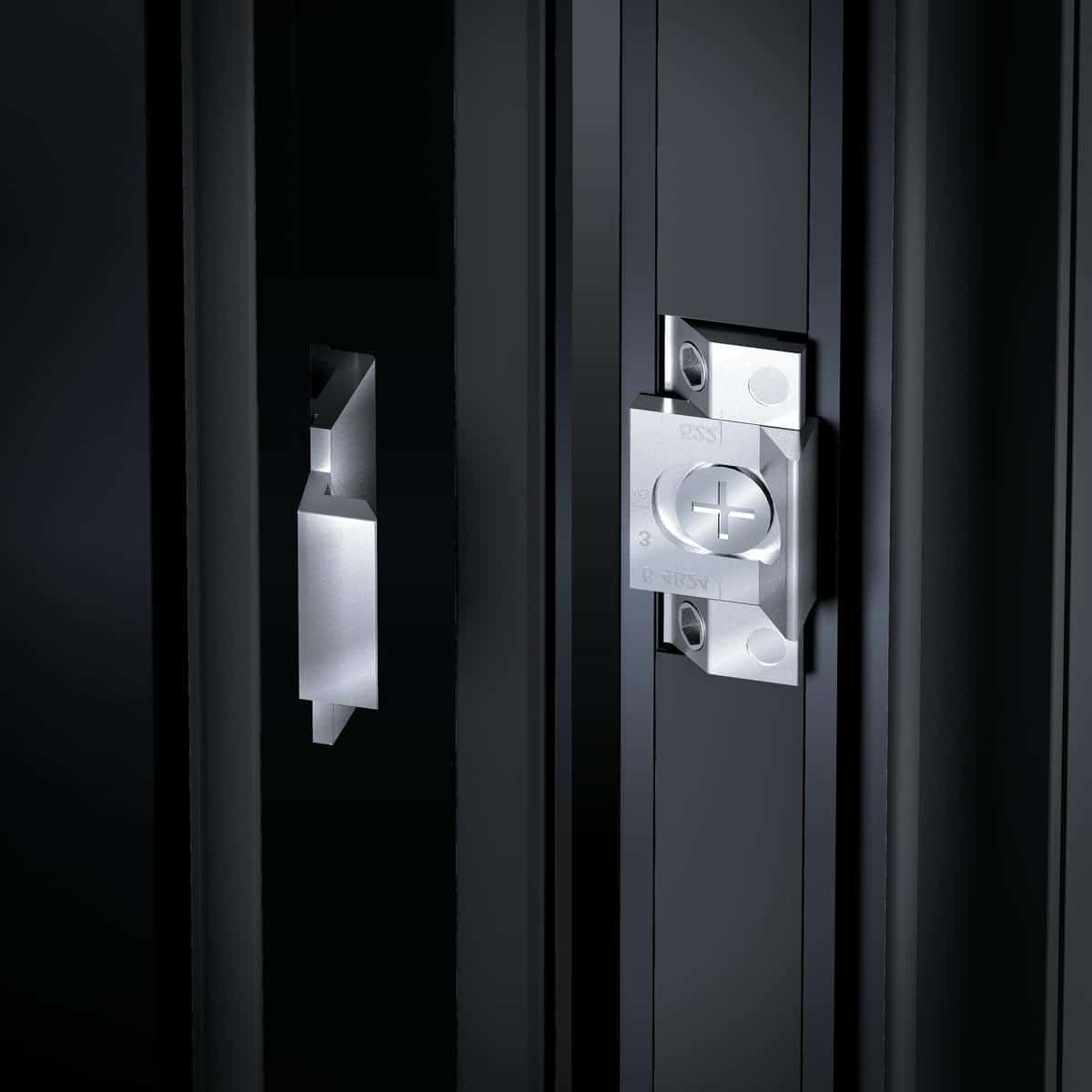
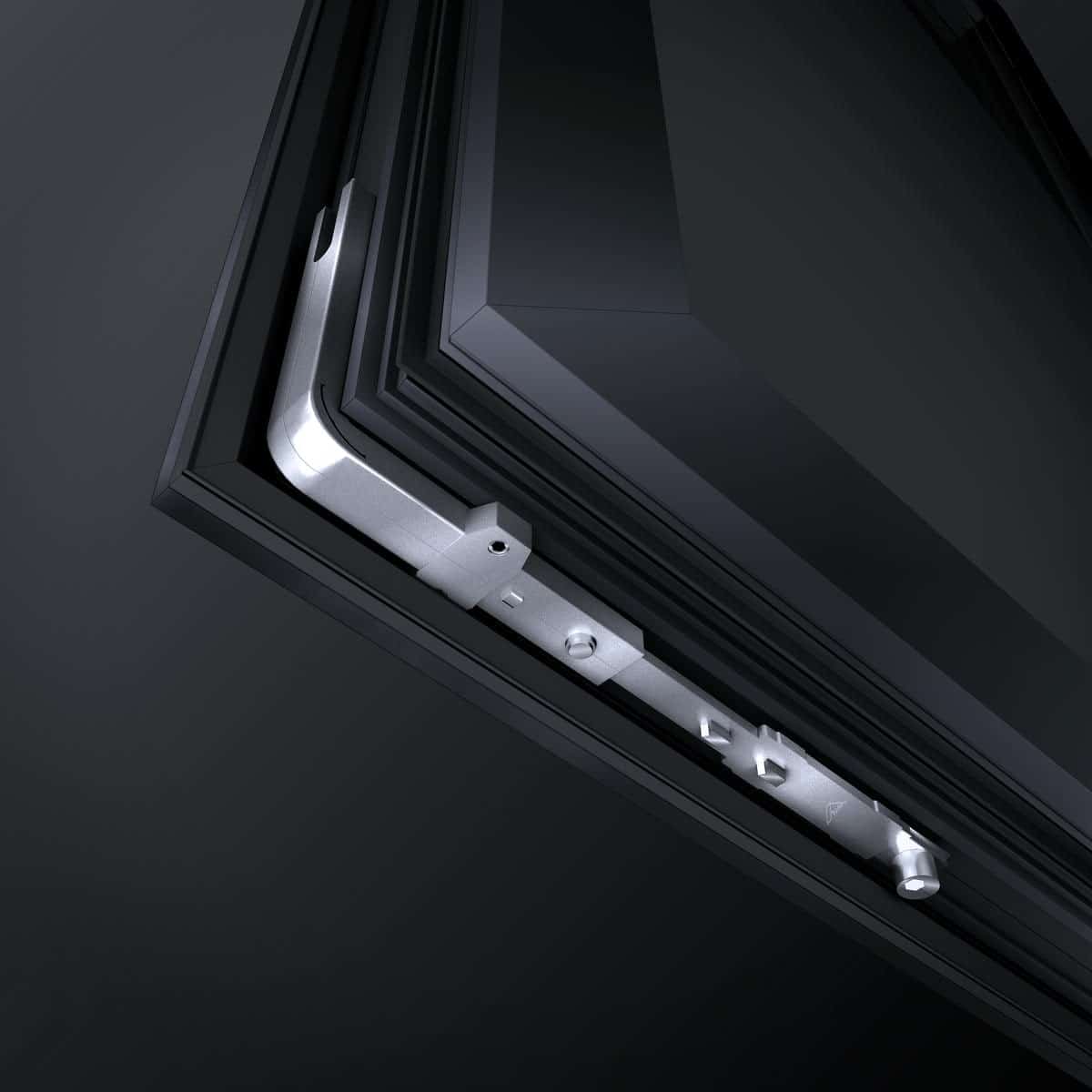
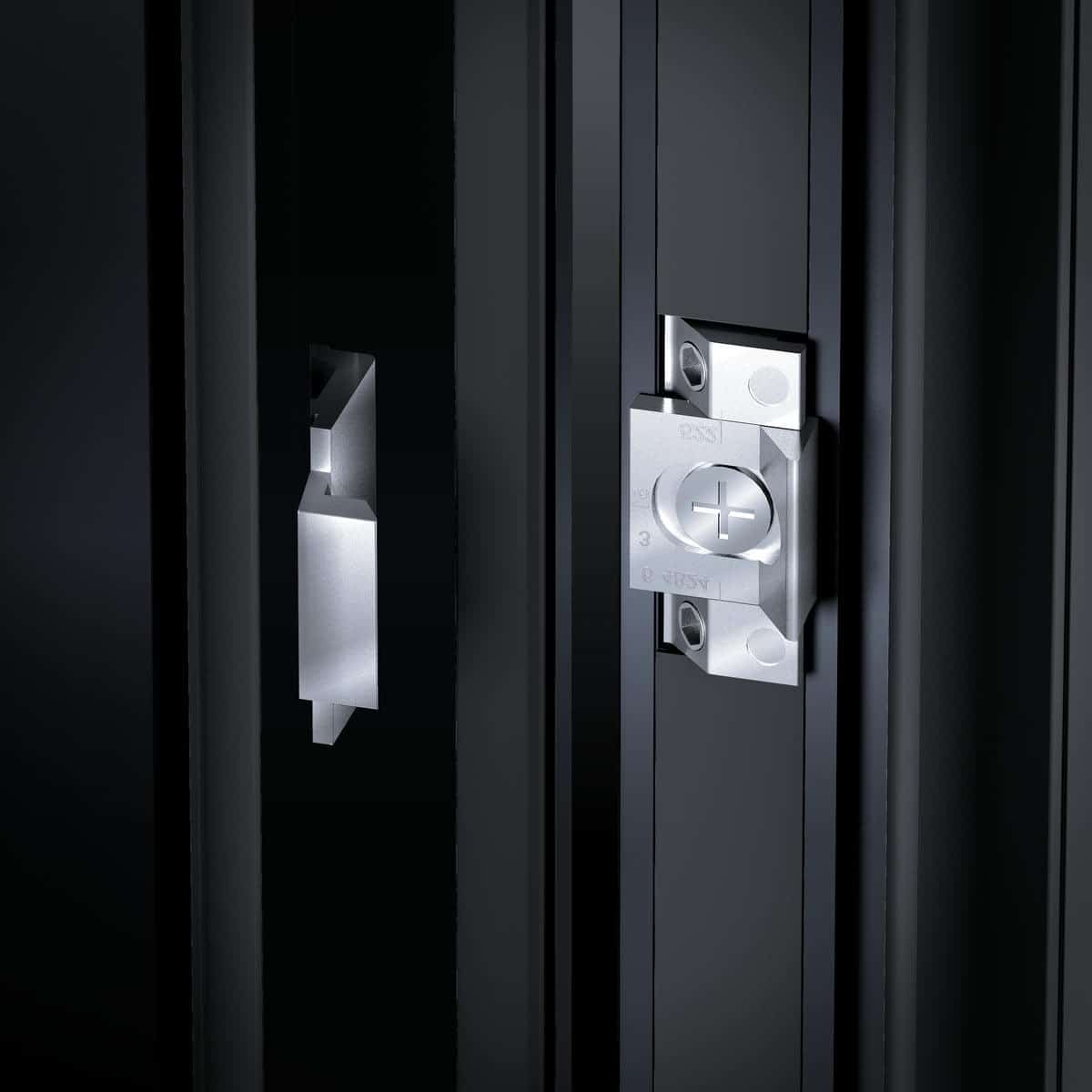
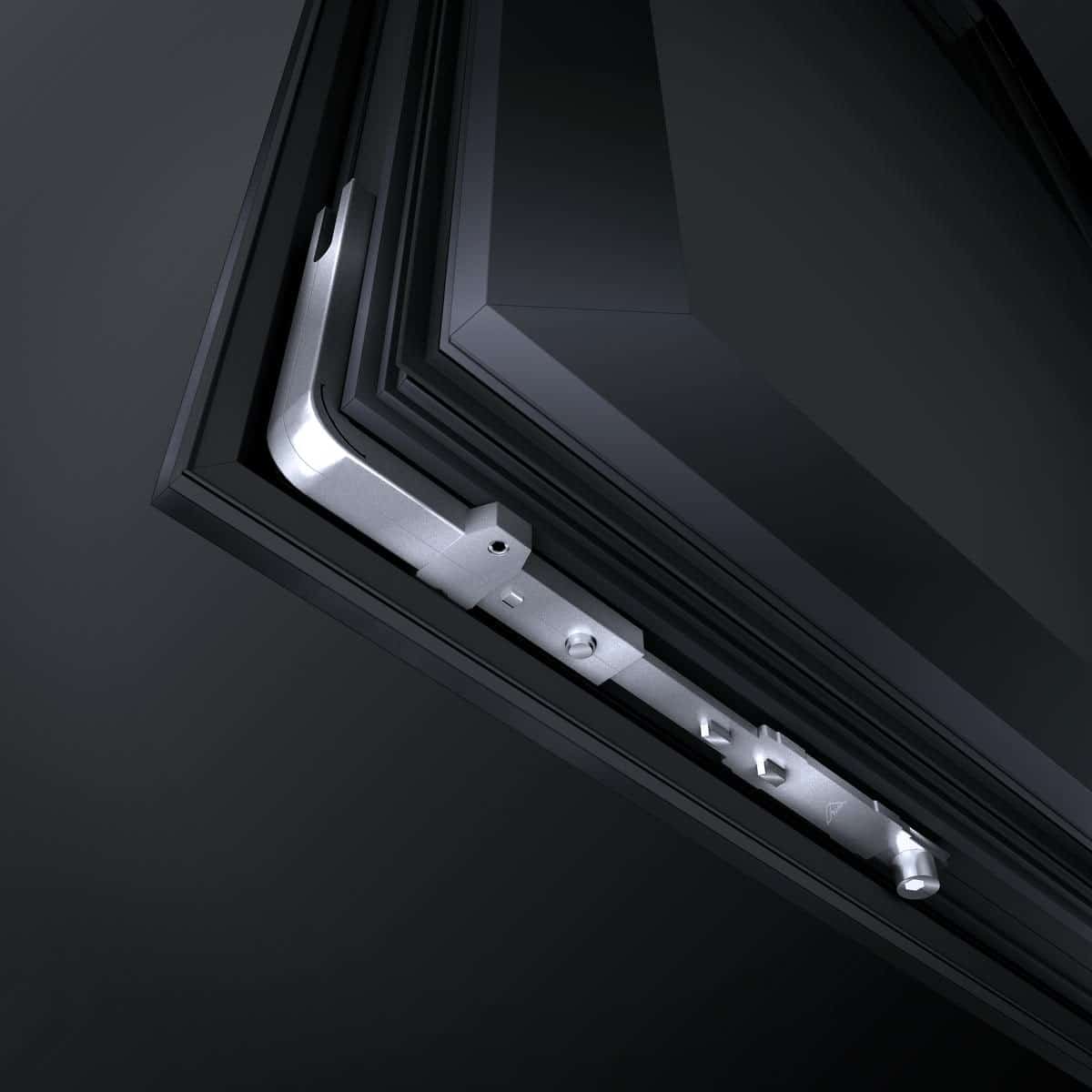
- Mechanical Core: Multi-point locking and adjustable hinges with all load points located strictly within the primary chamber.
Global Compliance Standards
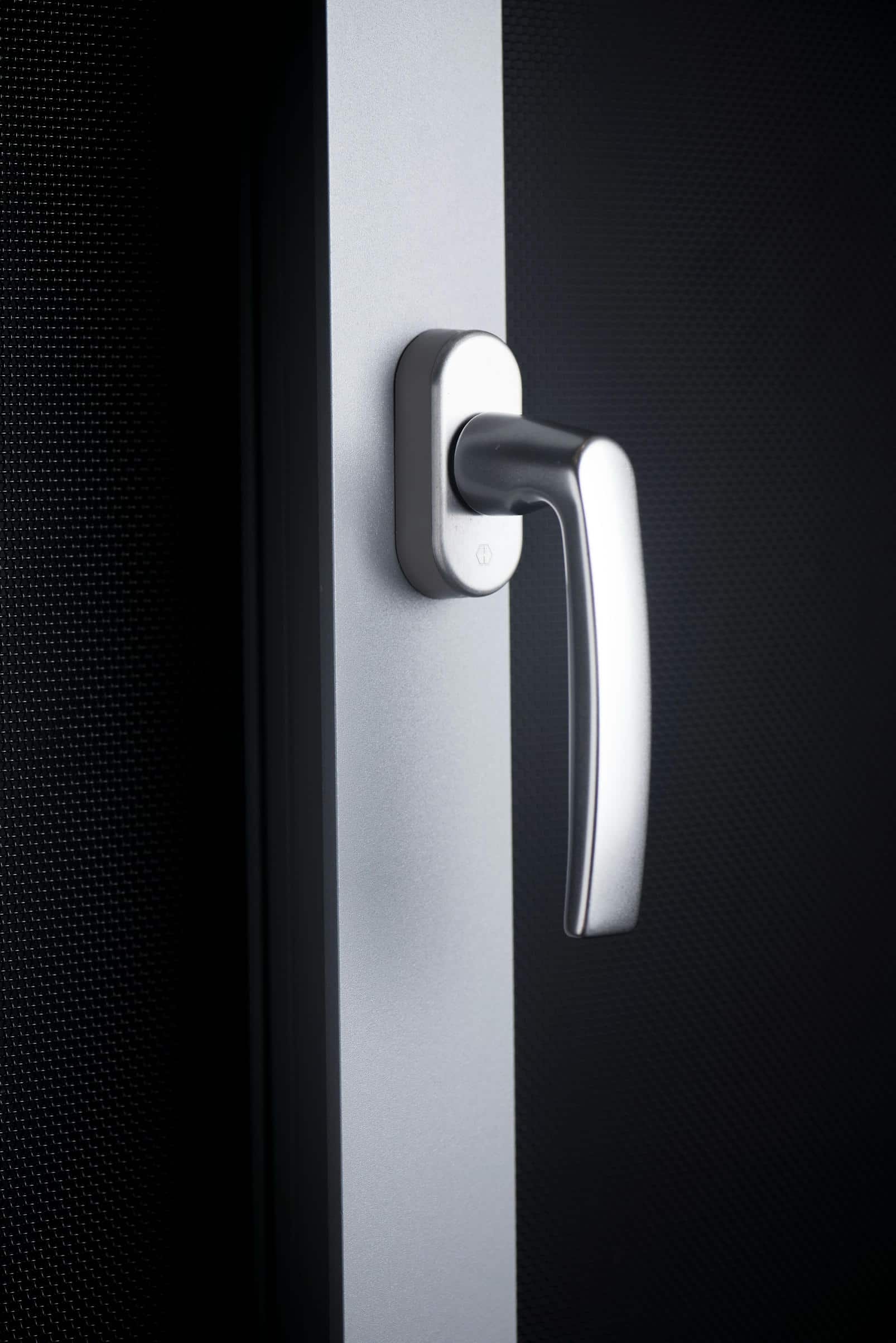
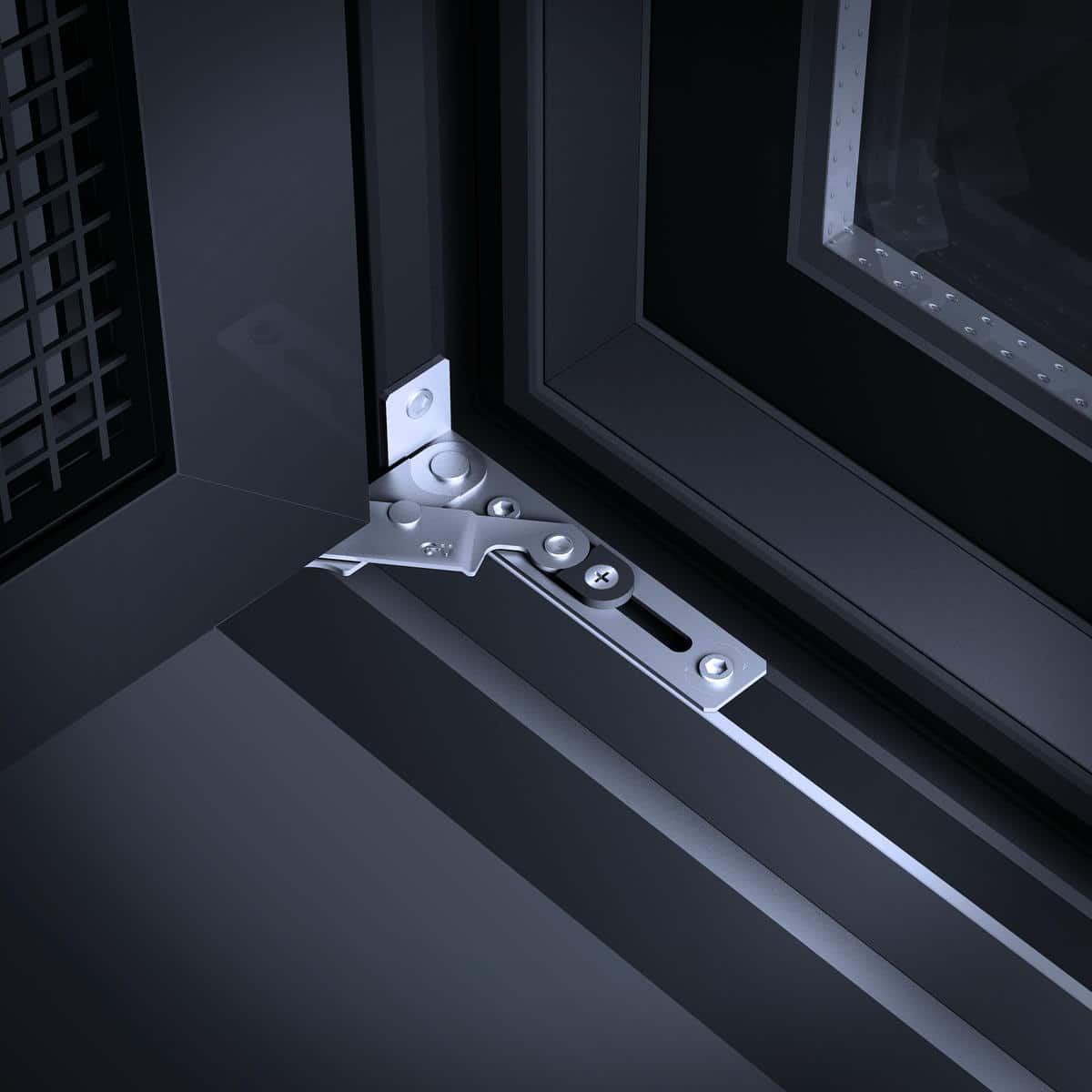
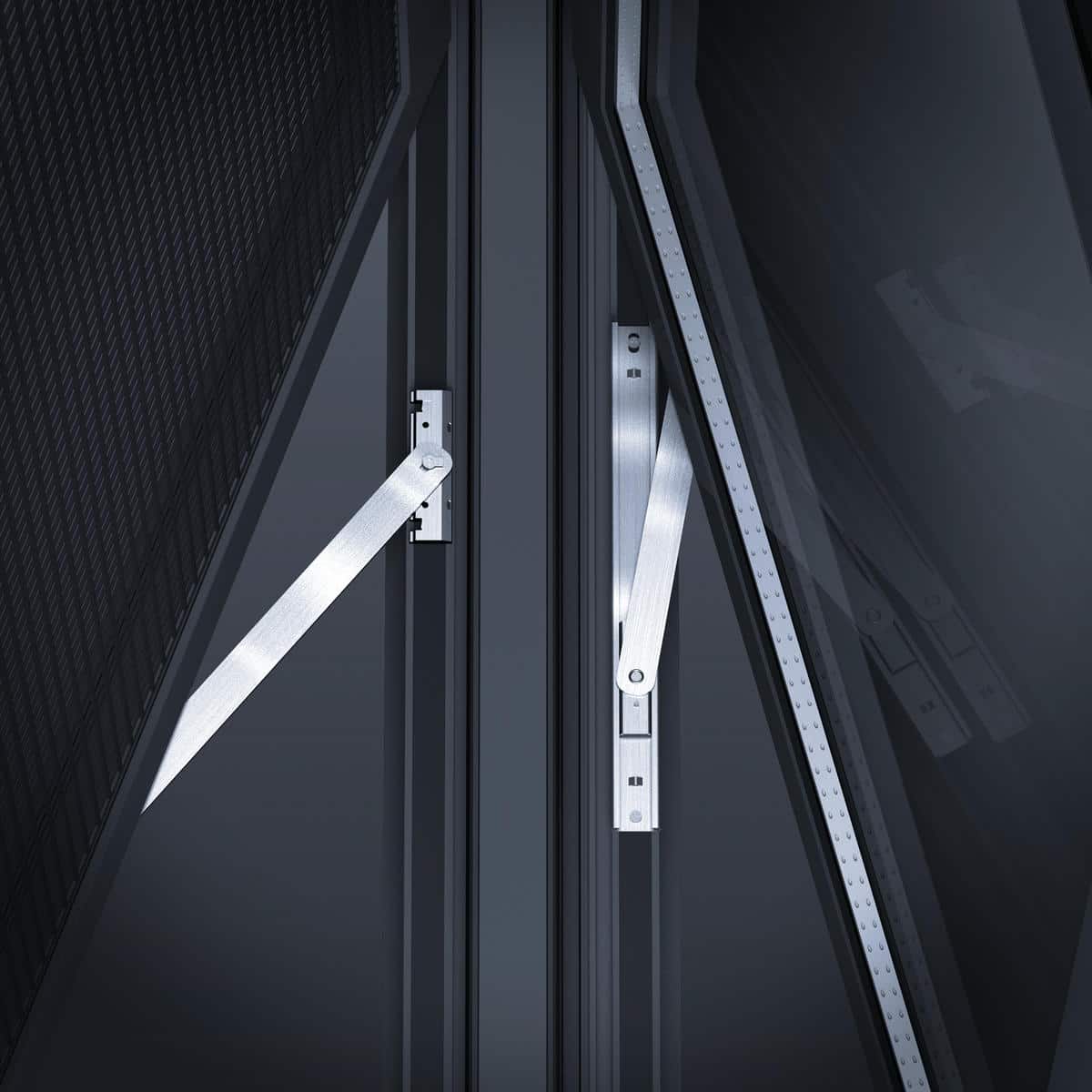
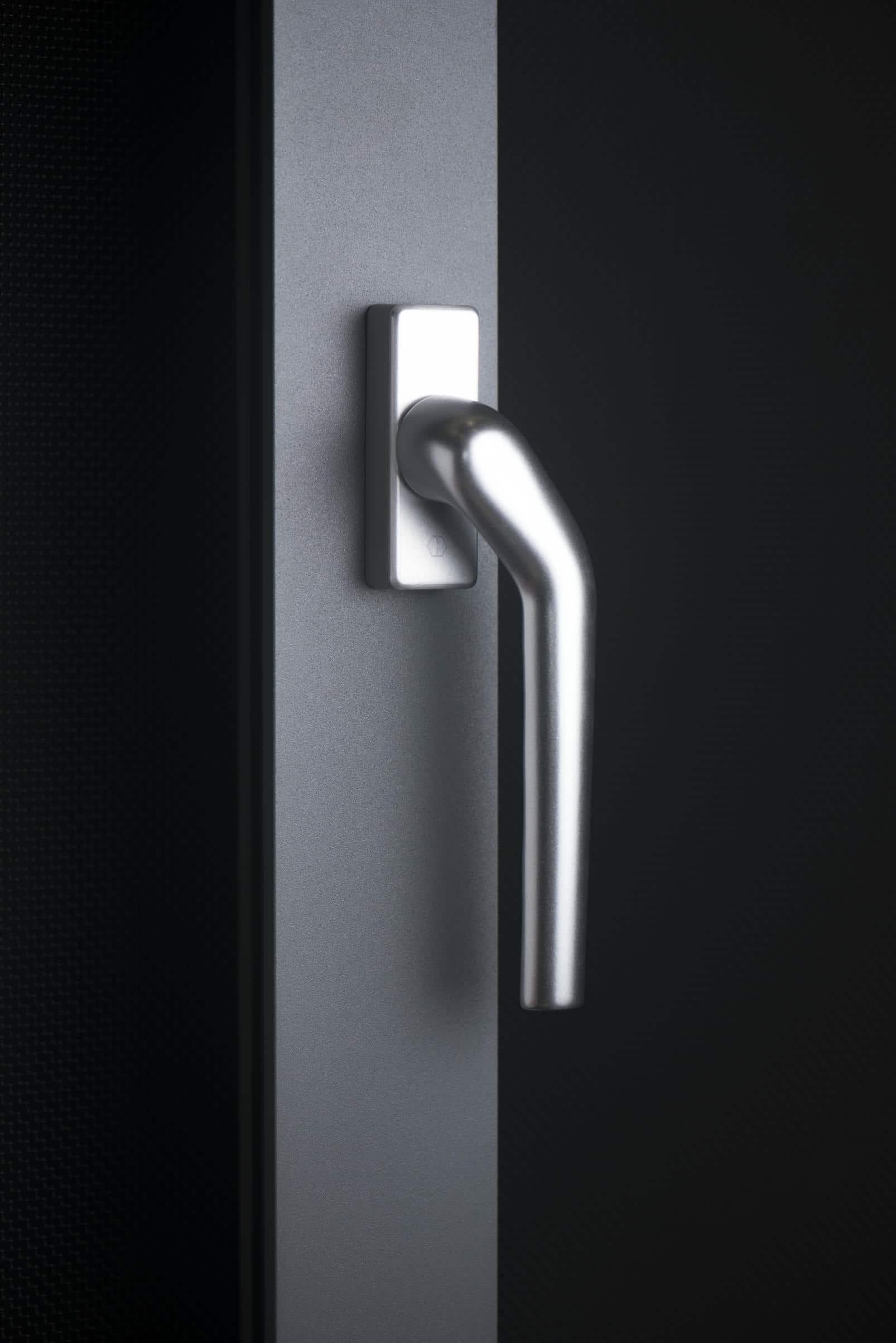
138-60 Series: Security-Integrated Outward Casement Window System
Engineer secure operable ventilation through an outward casement system that integrates intrusion resistance at the structural level without external protection elements.
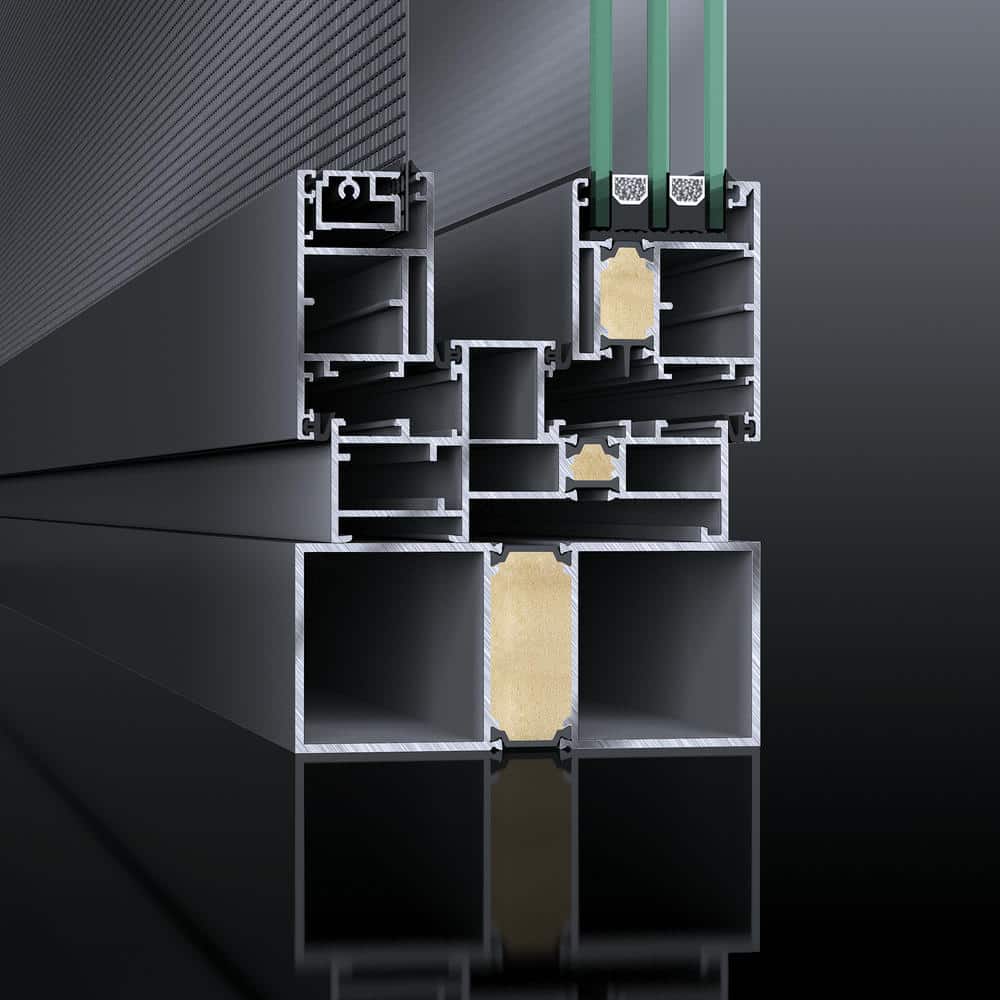
- ● System Adaptability: Maintain a unified 5.43-inch structural frame depth accommodating both operable sash and integrated security components within one system.
- ● Load-Controlled Hardware: Separate operational and protective load paths while confining forces within the primary load-bearing chamber via a defined Glazing Stop.
- ● Verified Performance: Evaluated to ASTM E283 / E330 / E331, supported by Technoform® Thermal Breaks, wet-glazed assembly using Wacker®, and a triple EPDM sealing system.
Fortress Security Casement
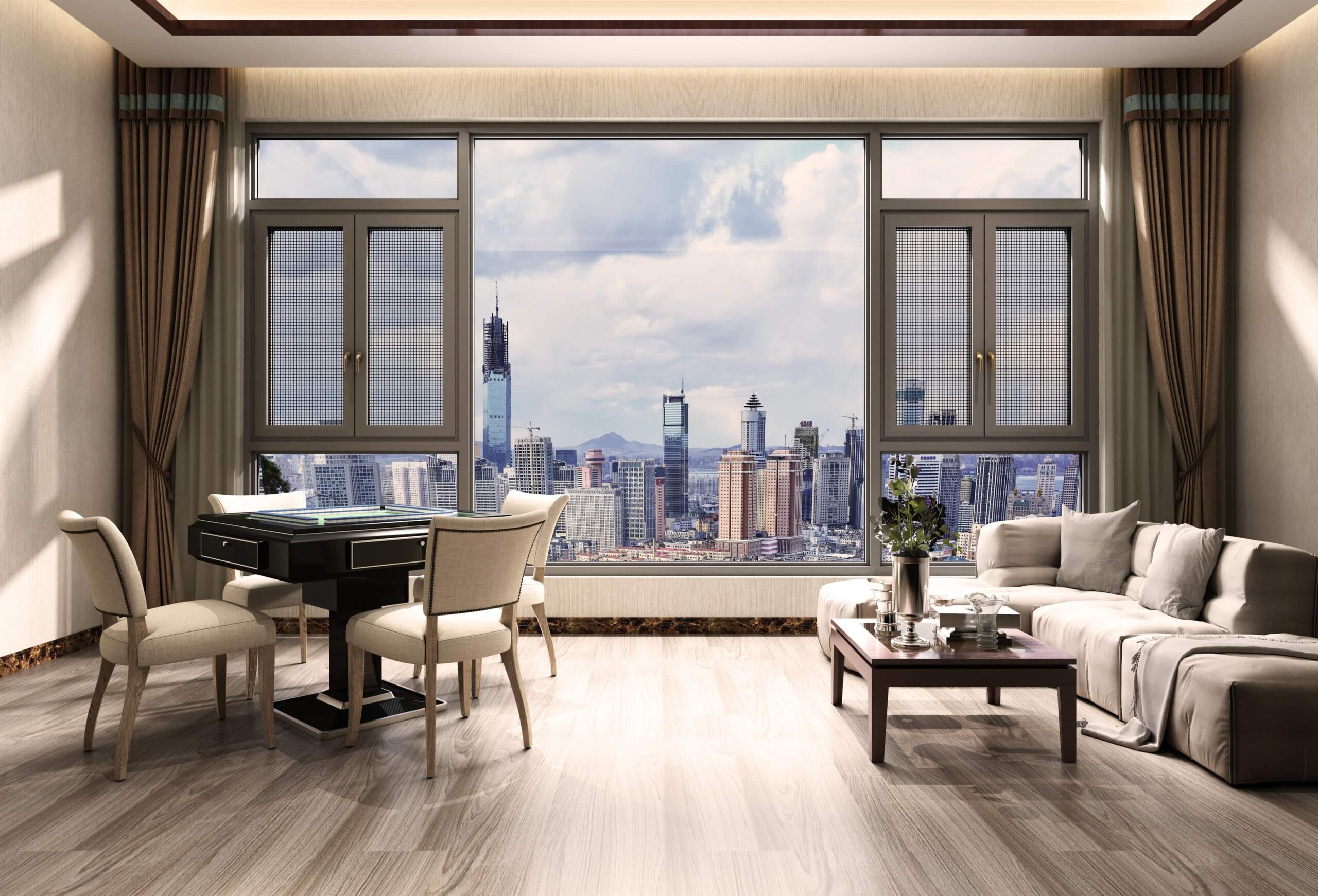
Maximum protection without performance trade-offs. An elite dual-sash system integrating 316 Stainless Steel mesh directly into the primary window structure for the ultimate low-level security shield.
- Integrated Fusion: Unlike add-on screens, the 138-60 fuses the glass sash and 316 mesh into a single structural frame for uncompromising aesthetics and strength.
- Bunker Strength Profile: Robust frame with up to 0.13" (3.2mm) wall thickness, supporting a deep 5.43" (138mm) structural chamber.
- Safe-Vent Logic: Even when the primary glass sash is wide open for airflow, the security mesh remains locked in place to prevent intrusion or accidental climbing.
- Independent Sealing: The security mesh operates on a dedicated track that never breaks the primary window's triple-seal circuit, maintaining elite energy ratings.
Global Security Standards
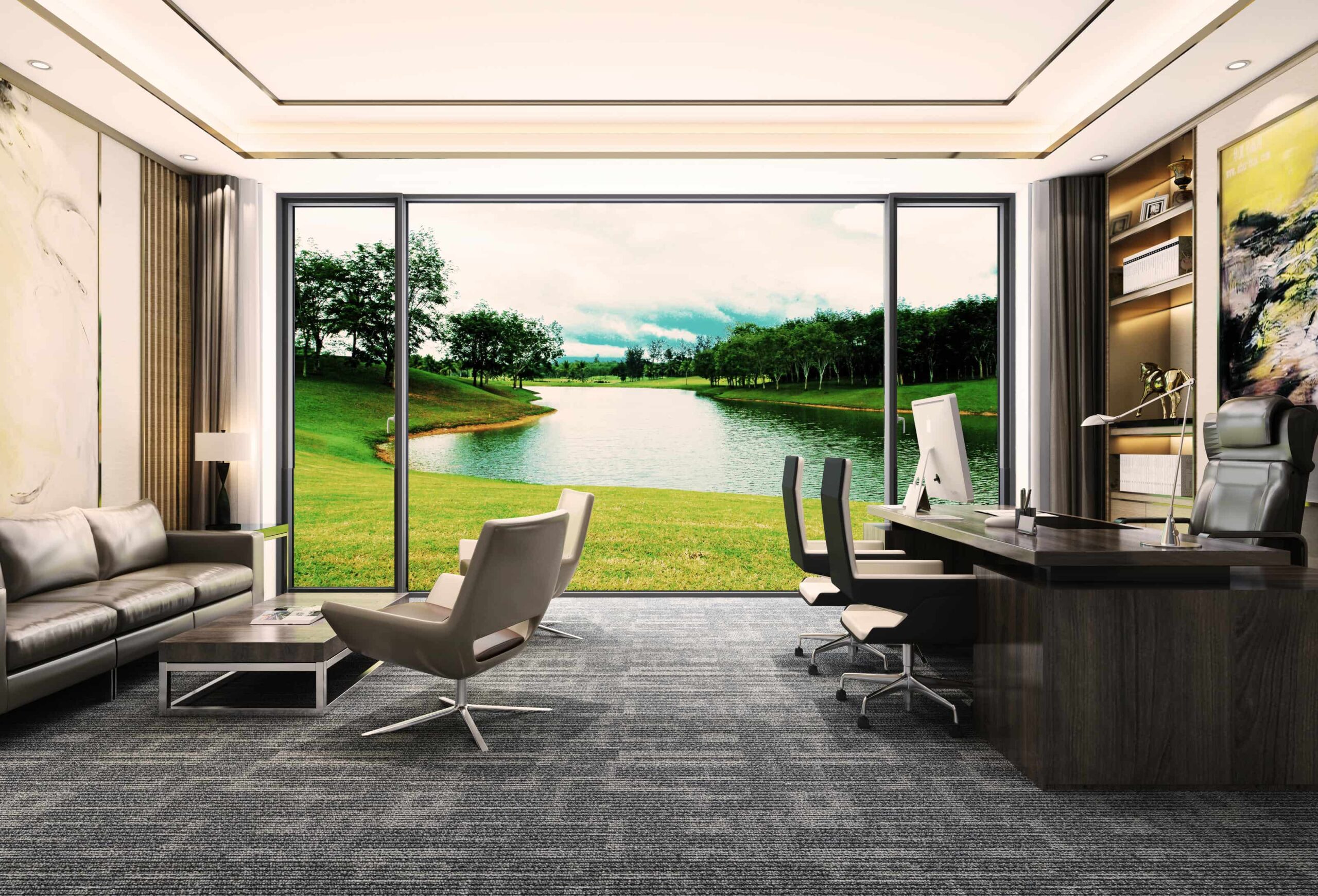
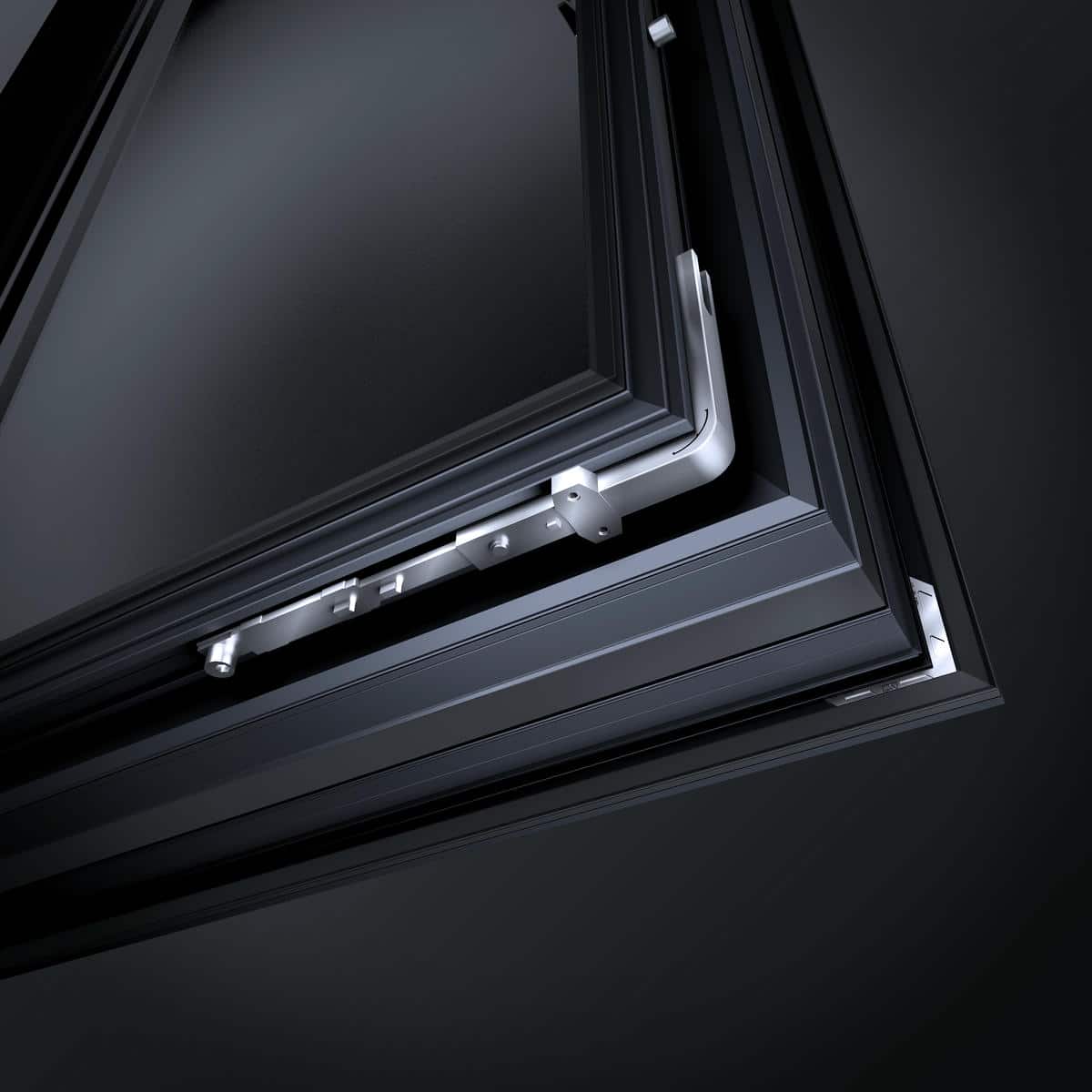
130ZKW Series: Flagship Slim-Profile Outward Casement Window System
Engineer energy-efficient operable ventilation through a slim-profile outward casement system aligned with NFRC-oriented performance configurations.
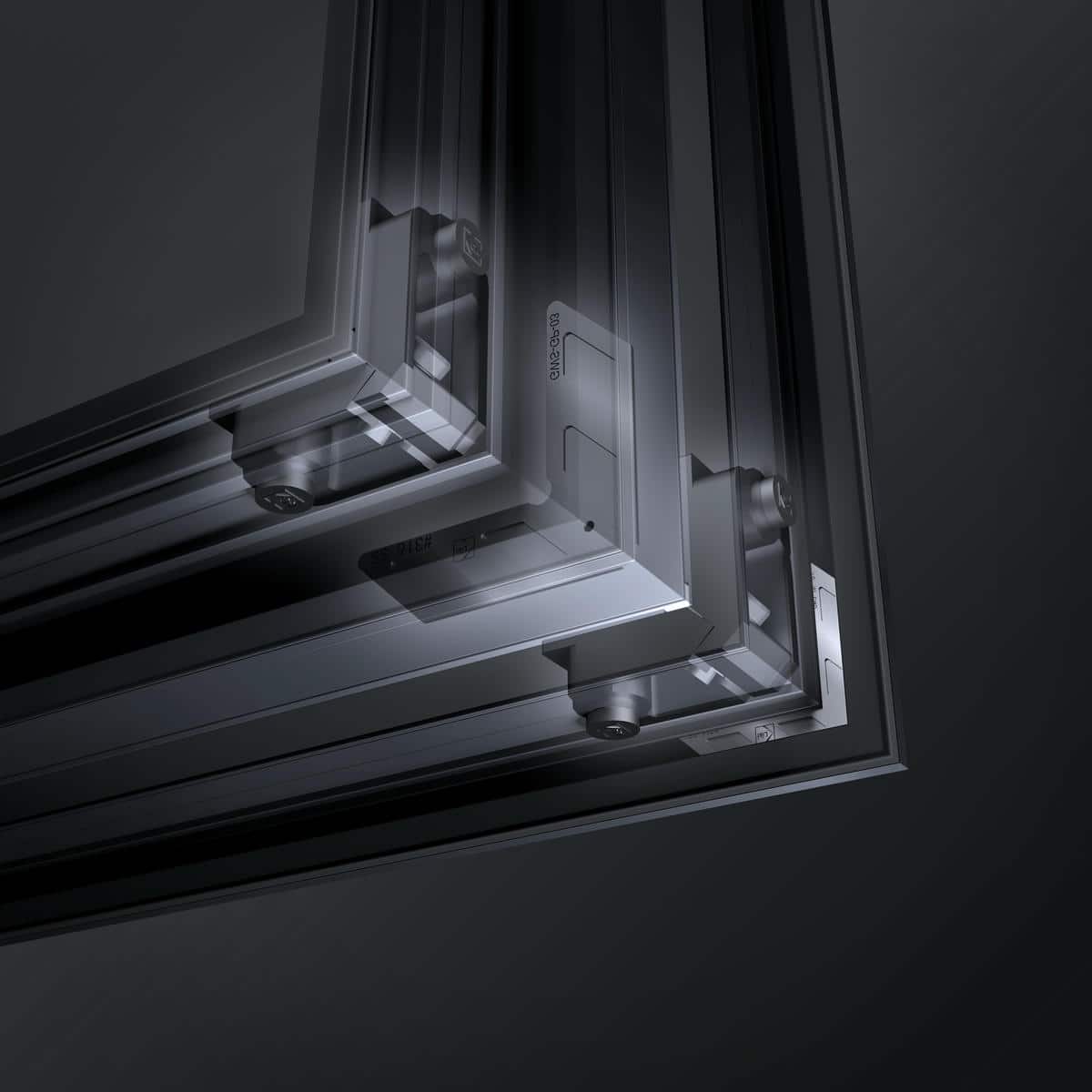
- ●System Adaptability: Maintain a unified slim-frame platform suitable for mid- and high-rise façades without fragmenting into additional system variants.
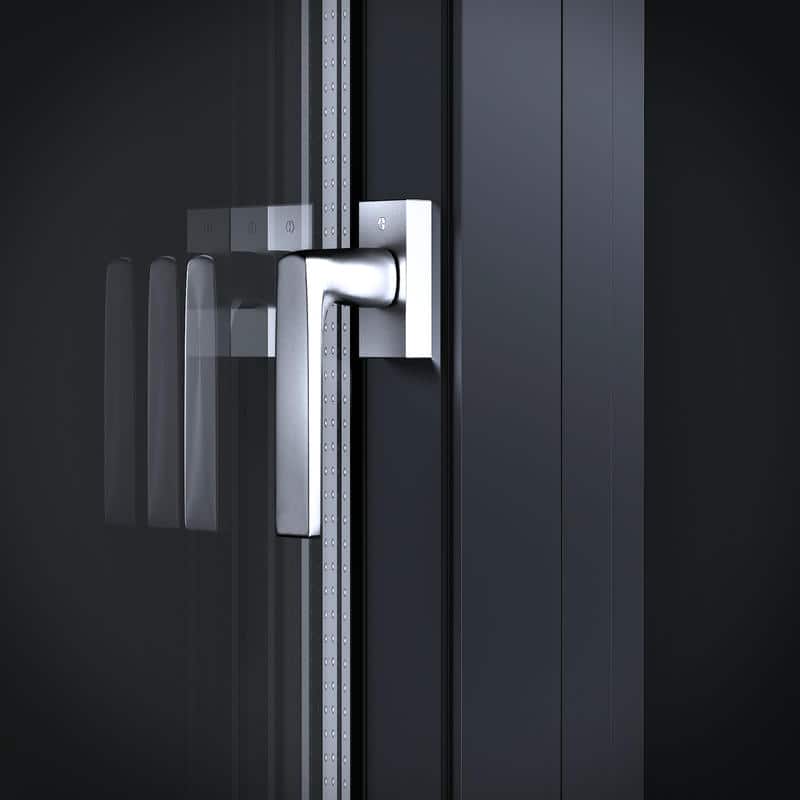
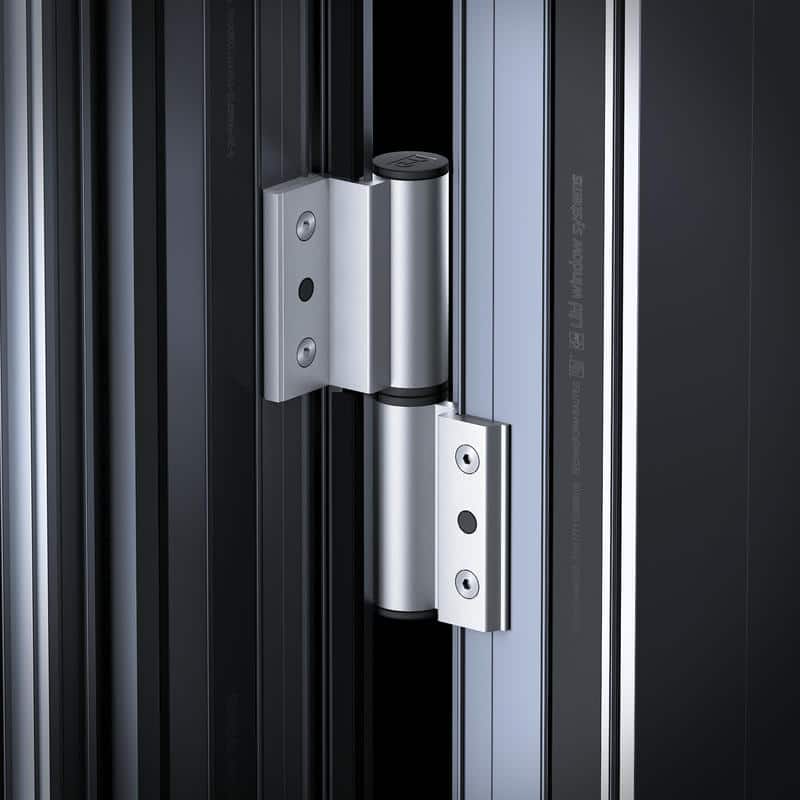
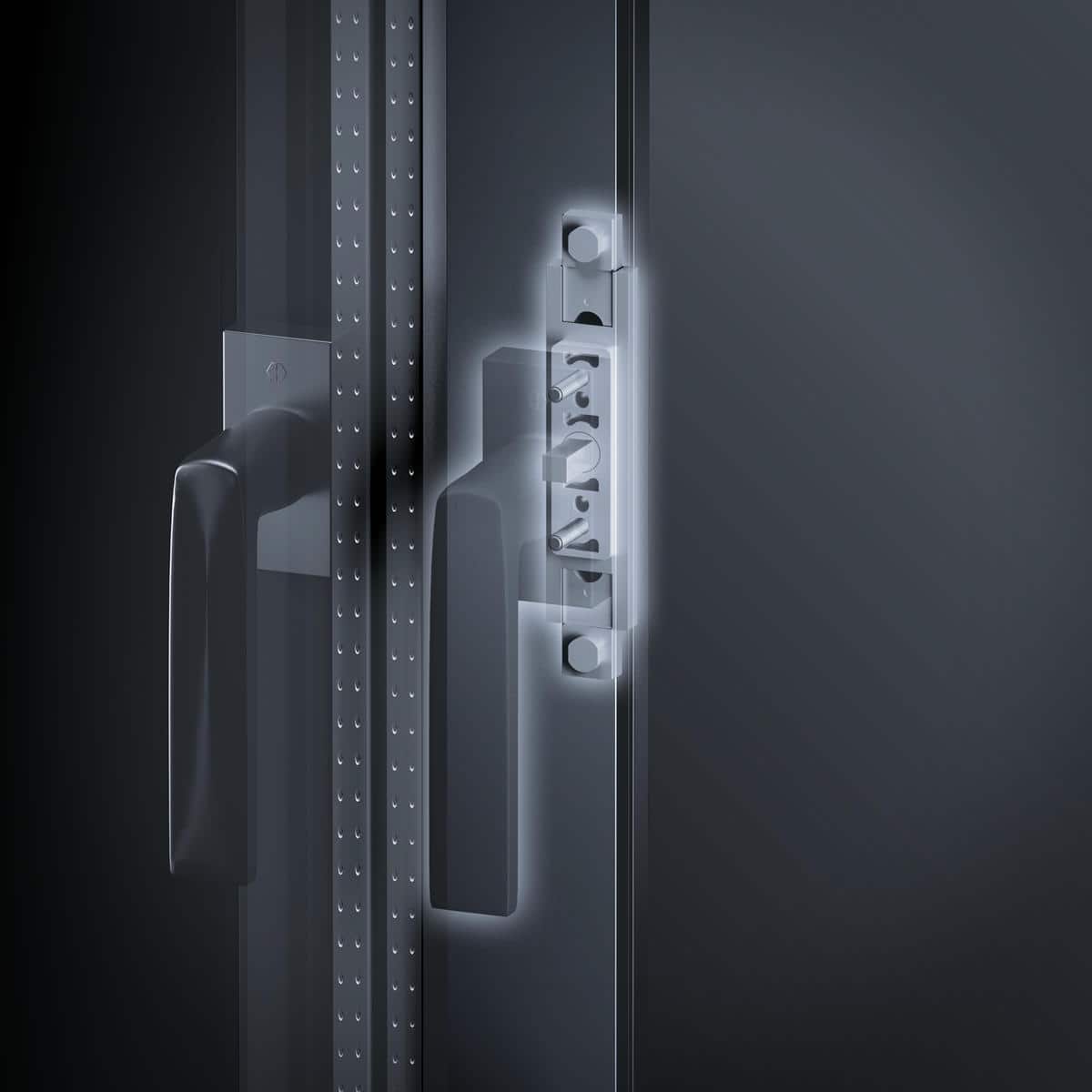
- ●Load-Controlled Hardware: Coordinate friction-stay or hinge strategies with sash weight while confining forces within the primary load-bearing chamber.
- ●Verified Performance: Evaluated to ASTM E283 / E330 / E331 within applicable NFRC scopes, supported by Technoform® Thermal Breaks and a triple EPDM sealing system.
Flagship Slim-Frame Casement
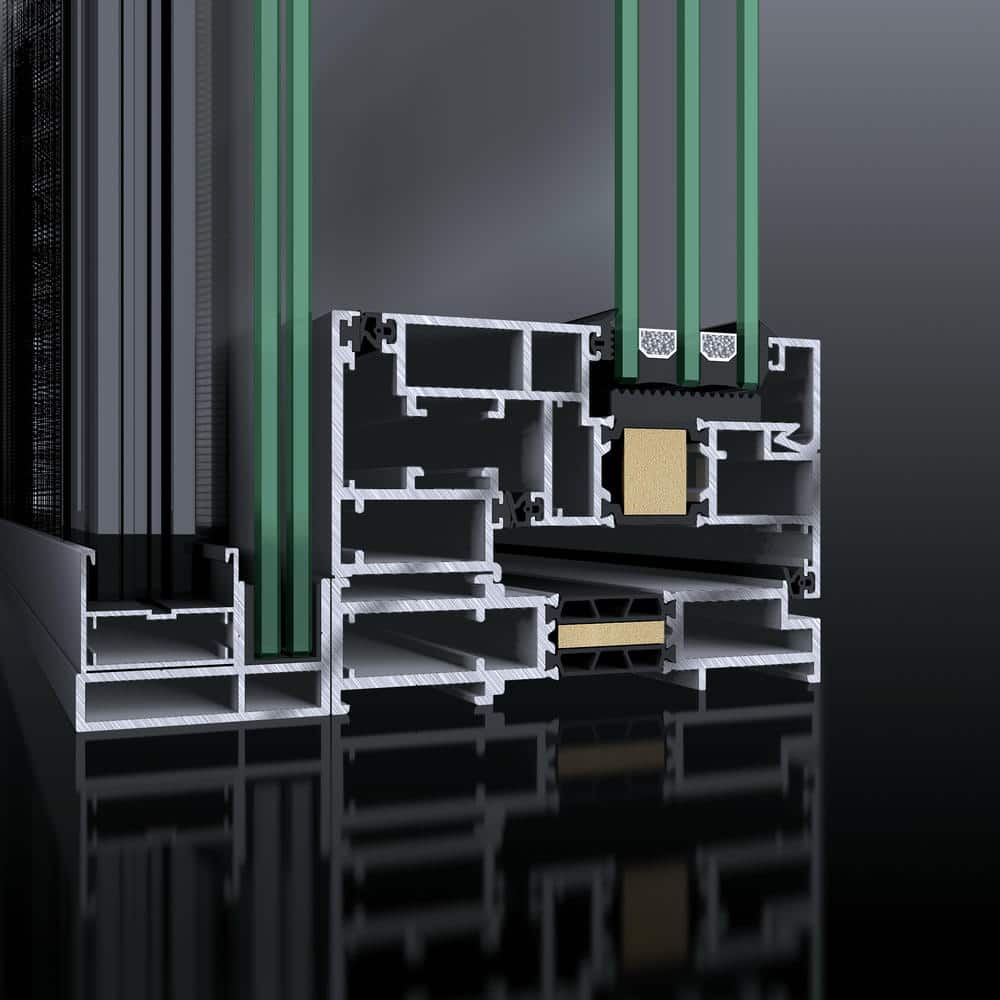
Architectural elegance meets NFRC-certified efficiency. A premium flagship system featuring ultra-slim sightlines and a multi-chamber thermal core for high-performance North American facades.
- Architectural Slimness: Engineered to align with contemporary preferences for slim-frame facades while maintaining massive structural rigidity.
- Bunker Strength: Frame system wall thickness ranges from 0.08" to 0.20" (2.0–5.0mm) for long-term reliability of oversized sashes.
- Thermal Shielding: 1.18" or 1.38" (30mm/35mm) Technoform® multi-chamber paths effectively eliminate thermal bridging.
- Sealing Integrity: Integrated triple-sealing zones create a stable compression path to maintain elite airtightness and acoustic insulation.
Performance Standards
- Get In Touch
Connect with an LIKI Expert
Get personalized guidance from a knowledgeable LIKI representative—no pressure, just expert advice.
Why choose Casement windows
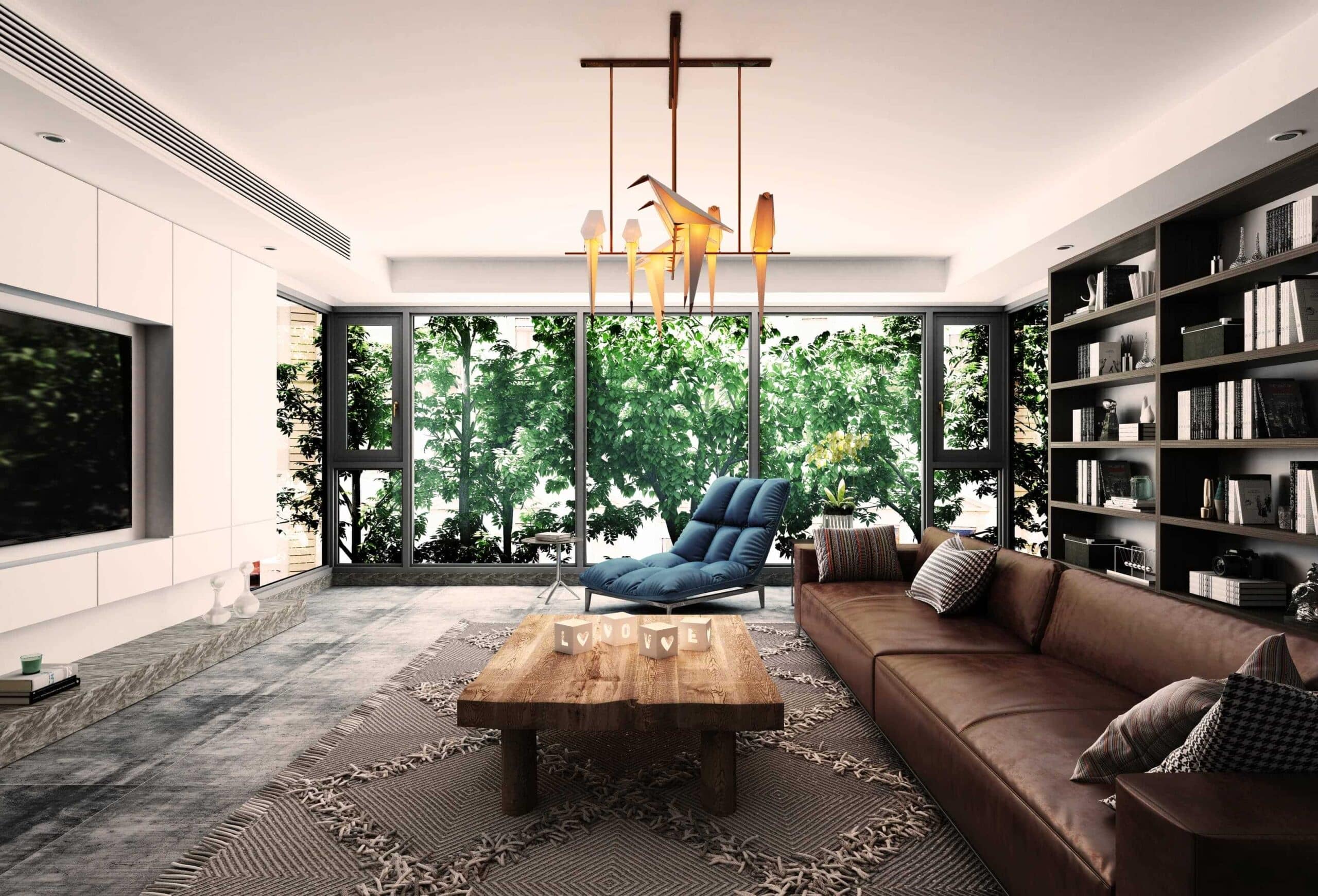
Aluminum casement window systems are often chosen for their tight seal, smooth operation, and long-term stability.
By combining aluminum strength with thermally broken or non-thermal system designs, LIKI offers solutions that adapt to different climates without changing the core window concept.

Tighter Seal

Easy Everyday Use

Built to Last
View the stunning performance of Casement windows
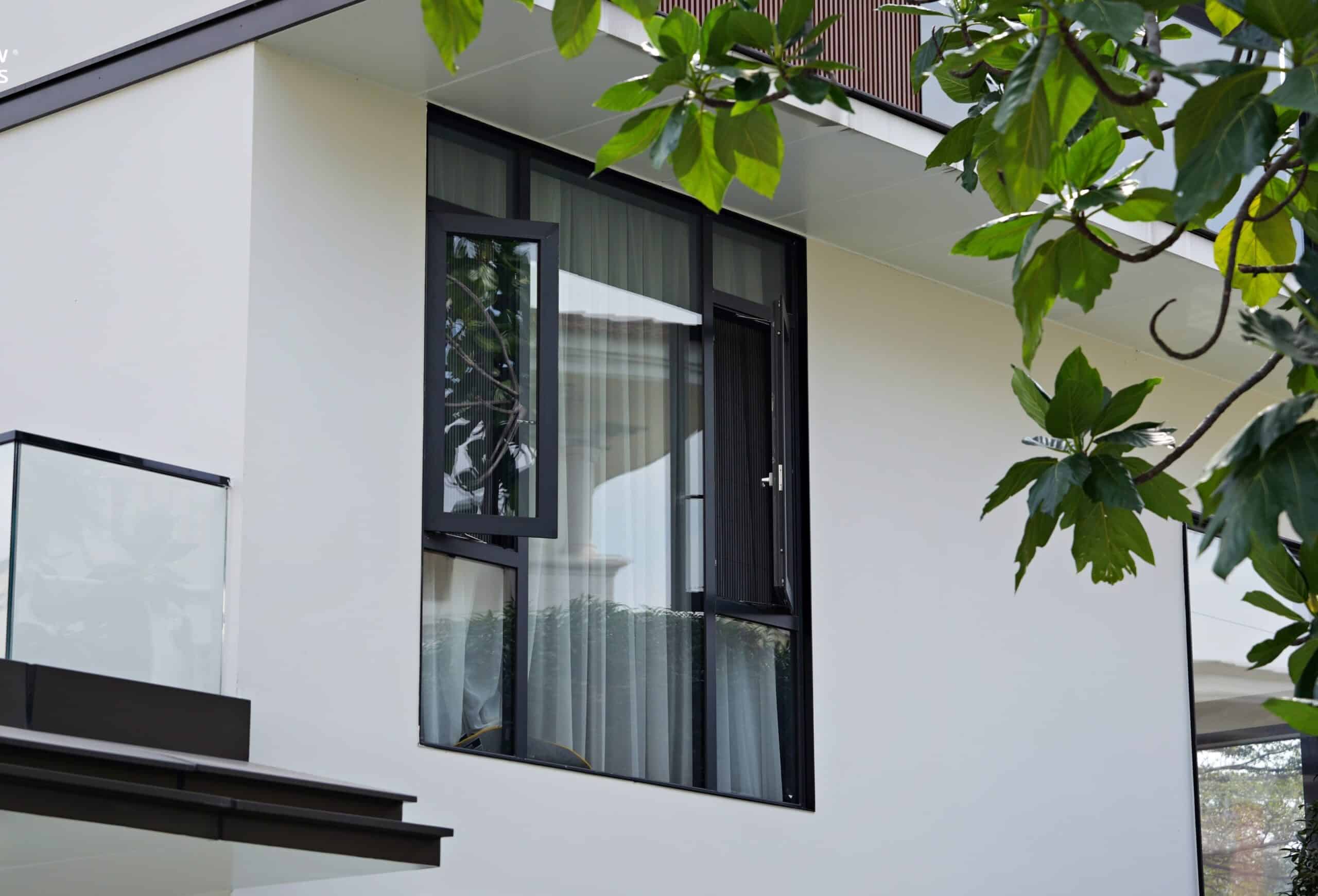
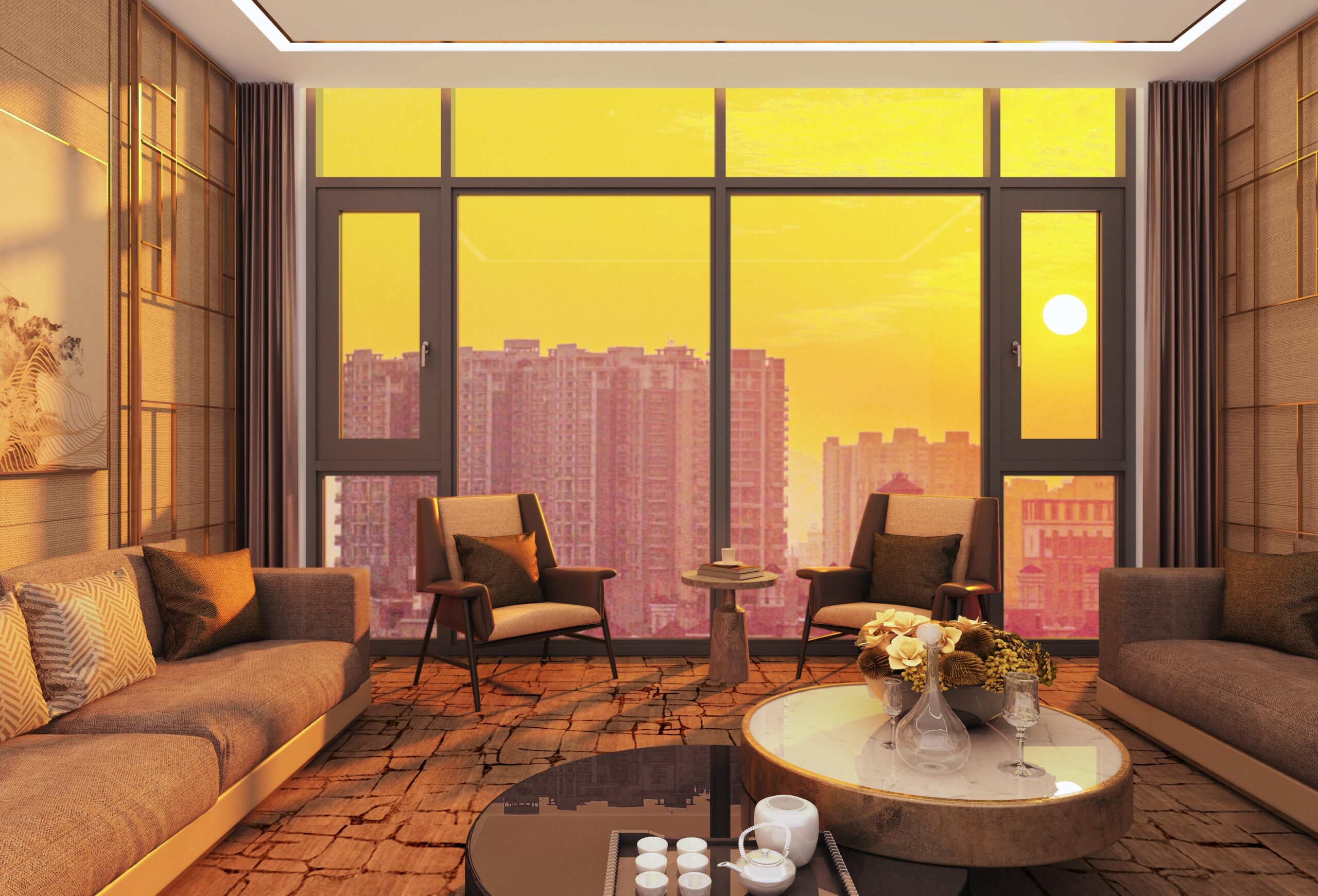
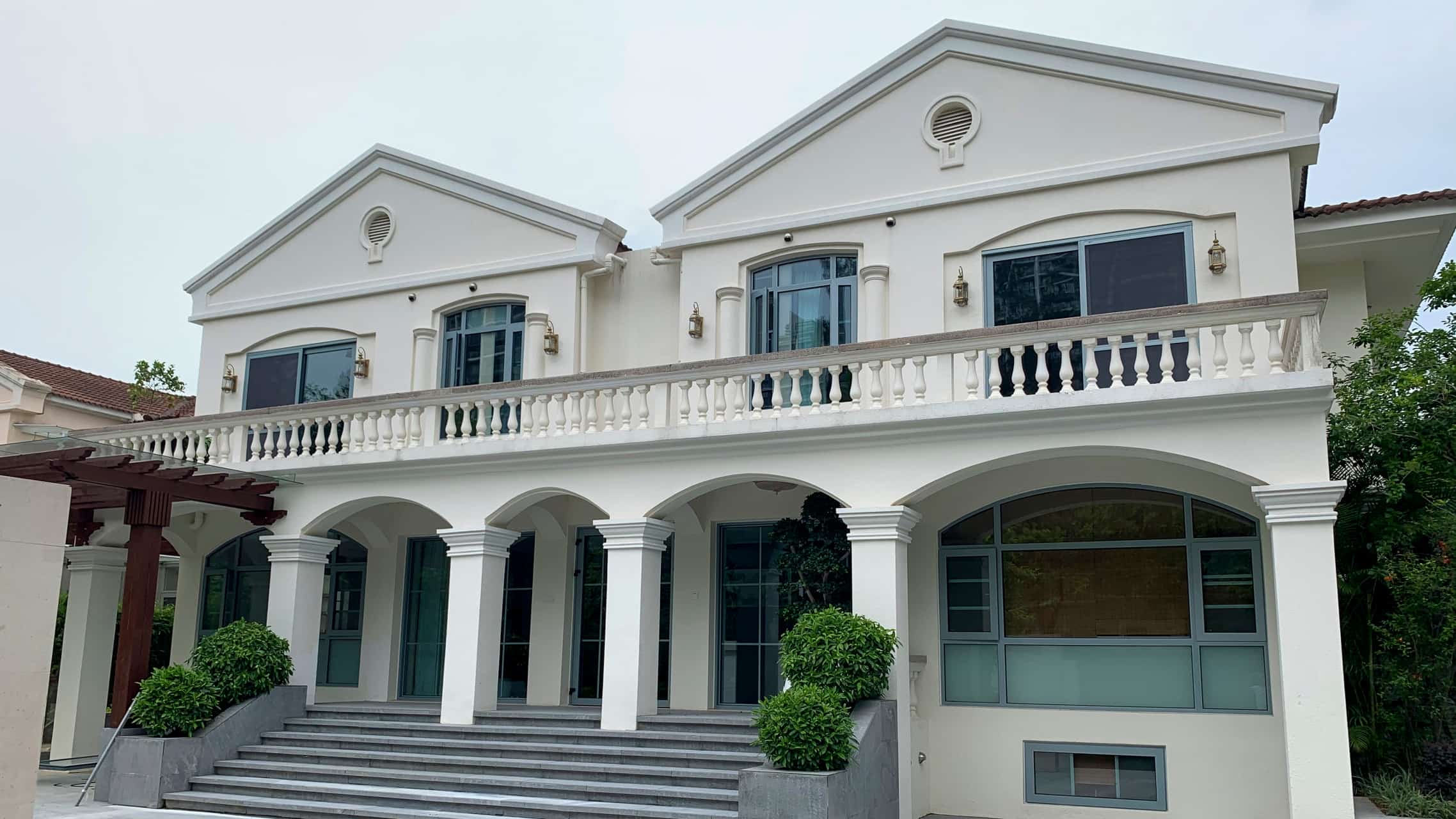
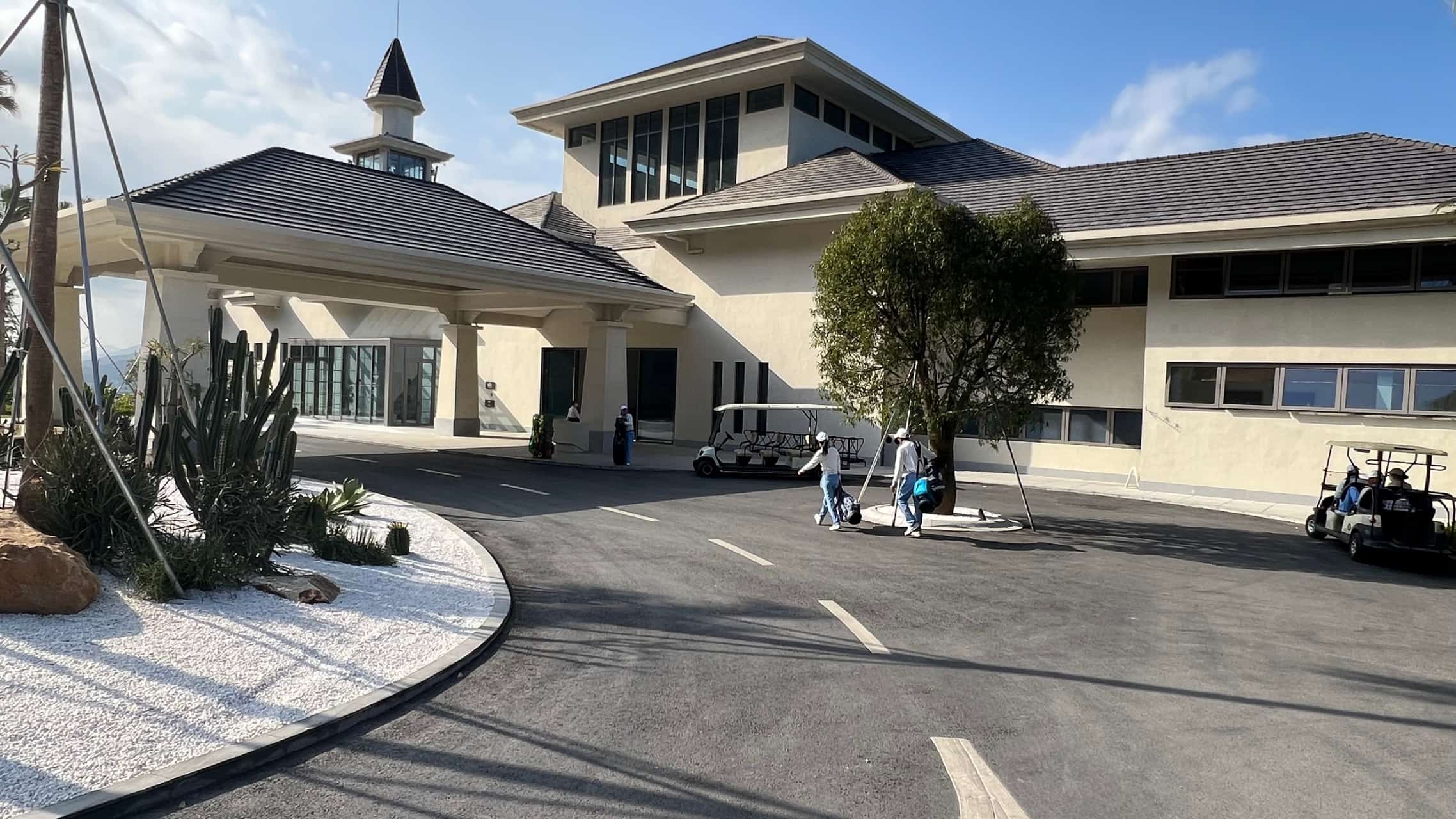
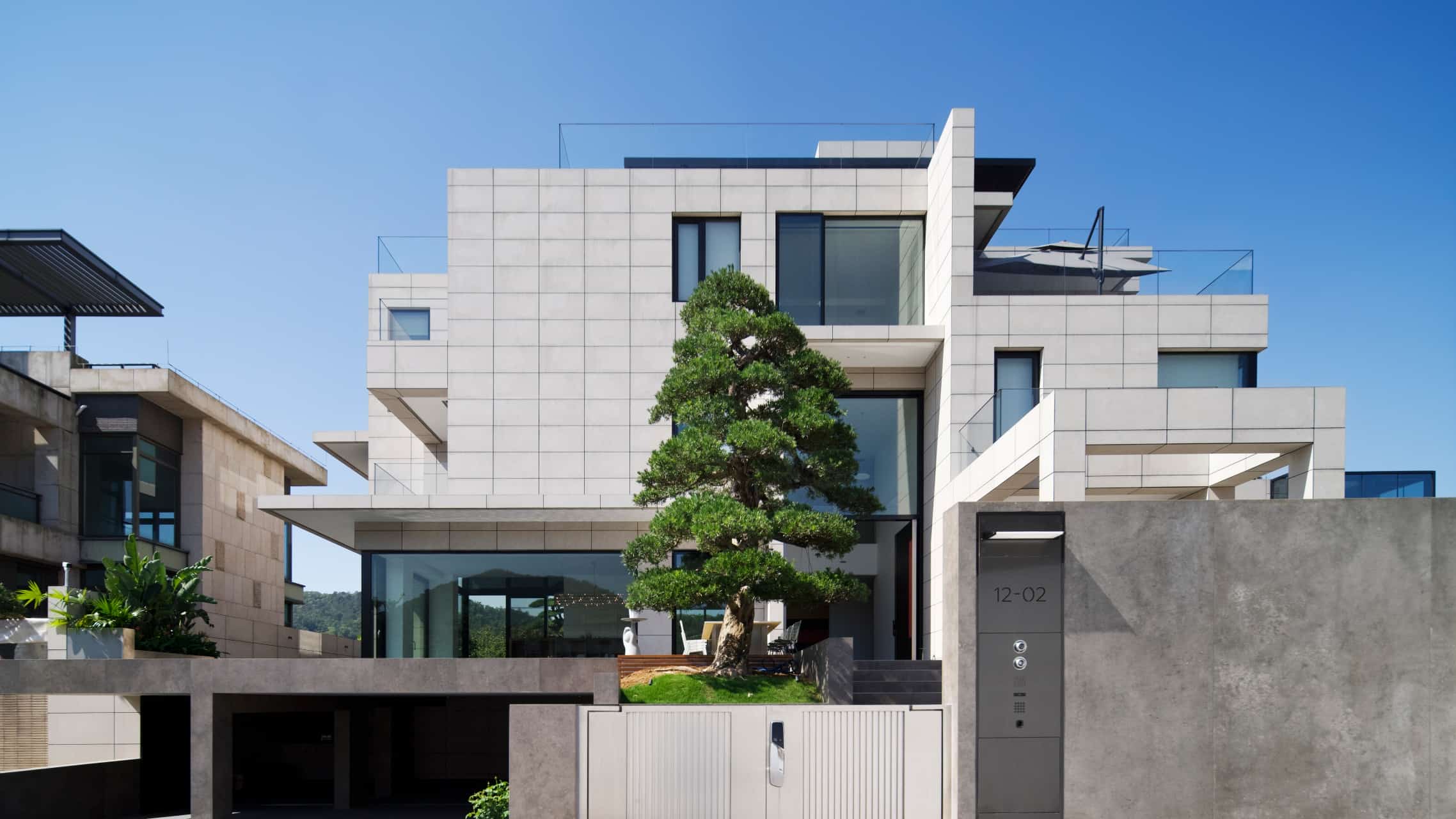
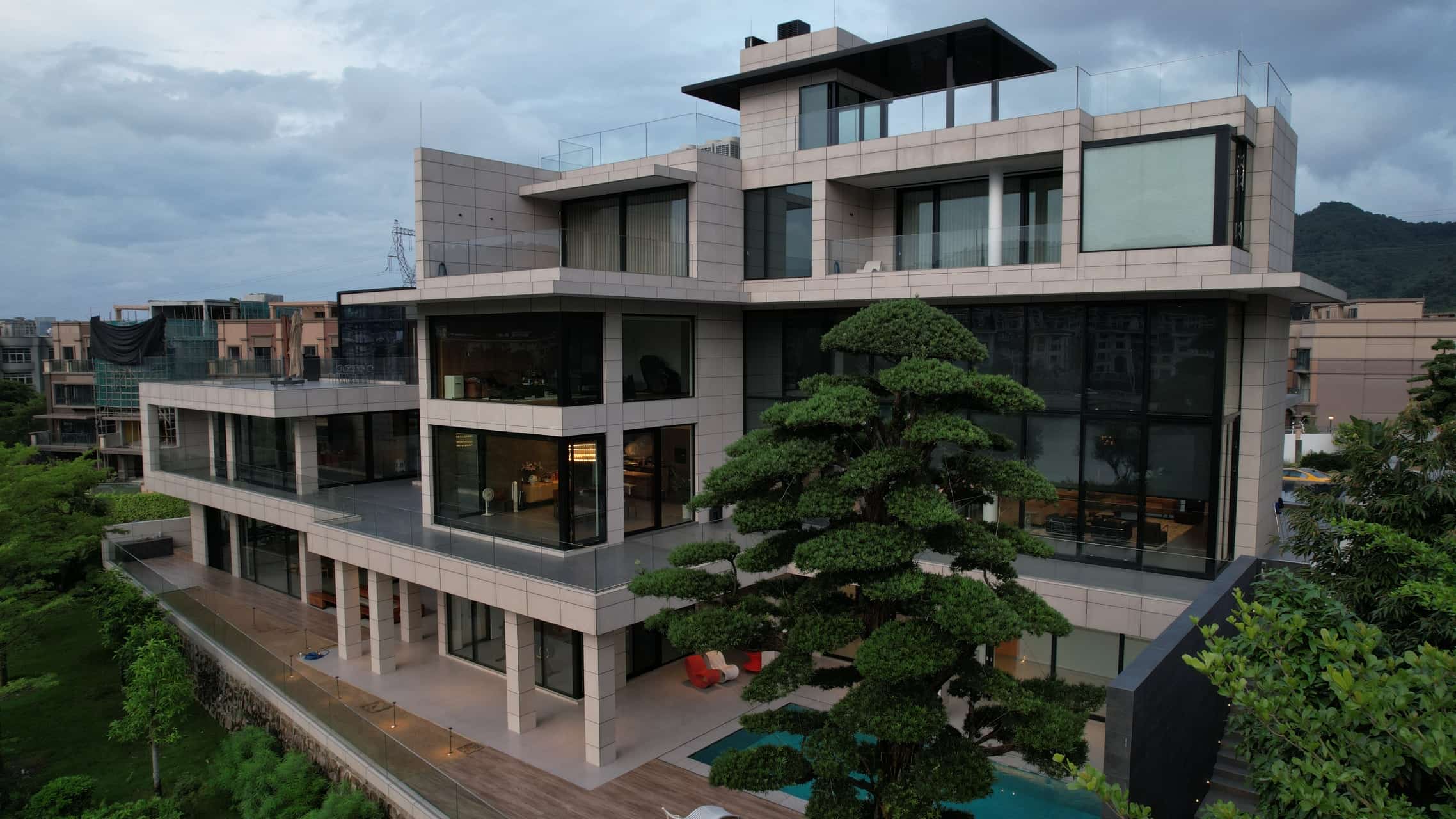
Casement Window systems are used in a wide variety of real homes and mixed-use buildings, showing how the same window concept can fit different architectural styles, spaces, and everyday living needs.

Casement windows Demonstration Video List
Watch how LIKI casement windows are made, installed, and used in real projects to better understand how they look, move, and perform in everyday situations.


Get Answers to Your Questions
Casement windows FAQs answered
A casement window is a side-hinged window that opens outward like a door, usually operated with a crank or lever, giving you full fresh-air ventilation and a clear view when open.
Casement windows provide excellent ventilation, unobstructed views, and when closed they seal tightly against the frame to help reduce drafts and improve energy efficiency.
Yes. Because they seal firmly against the frame when closed, casement windows can reduce air leakage and help keep indoor temperatures stable—which may lower heating and cooling costs.
Casement windows swing open outward and offer more ventilation and tighter seals than sliding or double-hung windows, though they need clearance to open and may not fit tight pathways.
They work well above kitchen sinks, in bathrooms for airflow, in living spaces with views, and in any room where you want maximum fresh air or natural light.
Yes. Most casement windows use multi-point locks that bolt the sash tightly into the frame, making them harder to pry open than many other window types.
Casement windows are generally low-maintenance; simple cleaning of the glass and frame and occasional lubrication of the crank mechanism help keep them working smoothly.
Typically they tend to cost more than simple sliding or double-hung windows because of the hardware and sealing system, but the energy and ventilation benefits often make up for the difference.
The Right Solutions for Your Project
Explore helpful resources, real project inspiration, and expert support to guide your window and door decisions—whether you’re planning, designing, or ready to get started.

Professional Resources
Access technical documentation, performance data, and installation guidance to support accurate planning, specification, and execution.

Inspiration & Living
Explore real projects, everyday spaces, and design ideas to see how LIKI window systems fit naturally into different homes and lifestyles.

Start Your Project
Get guidance from LIKI specialists to review your needs, answer questions, and move your project forward with confidence.