
The Ultimate European Engineering for Versatile Ventilation and Elite Security.
High-Performance Aluminum Tilt & Turn Windows
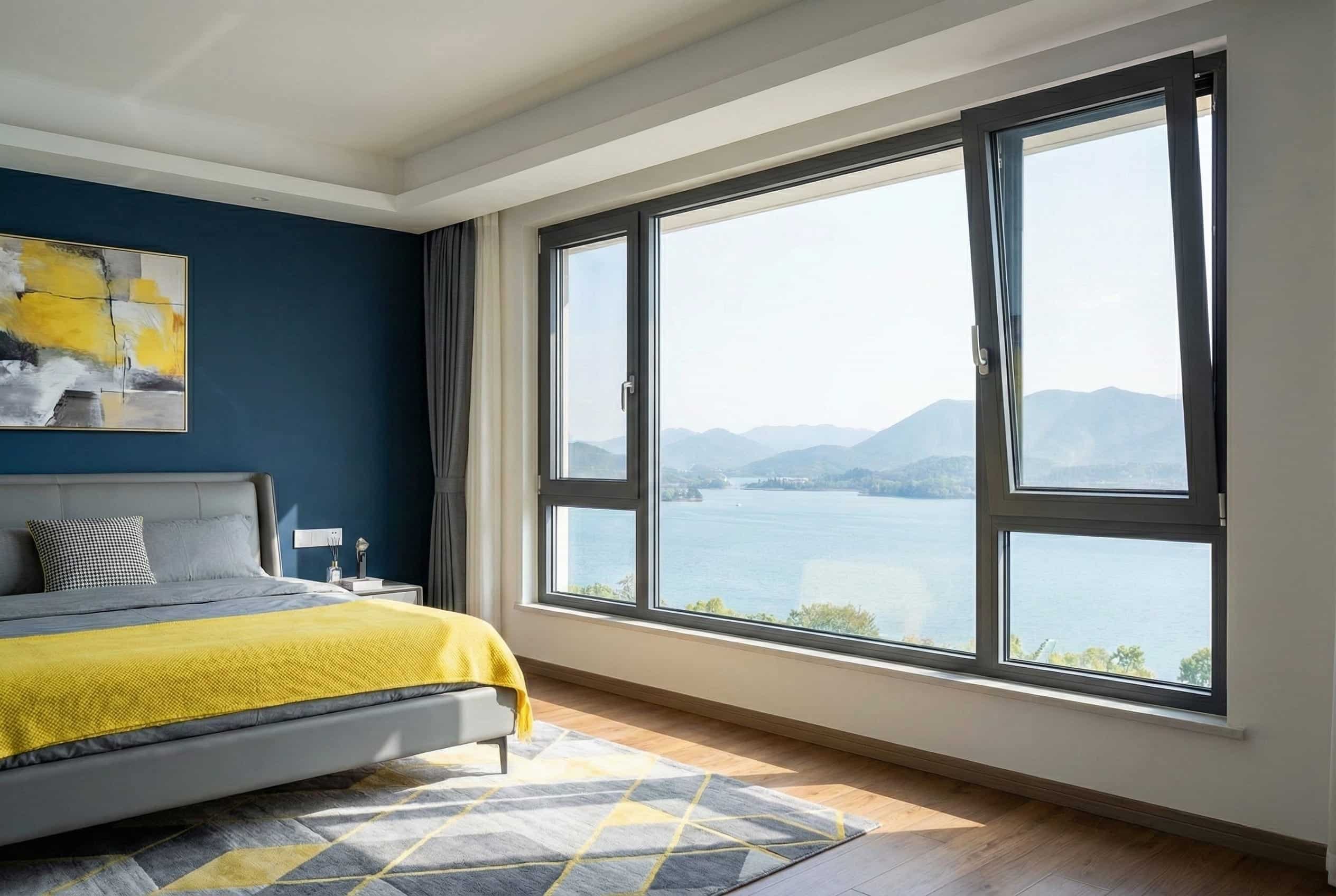
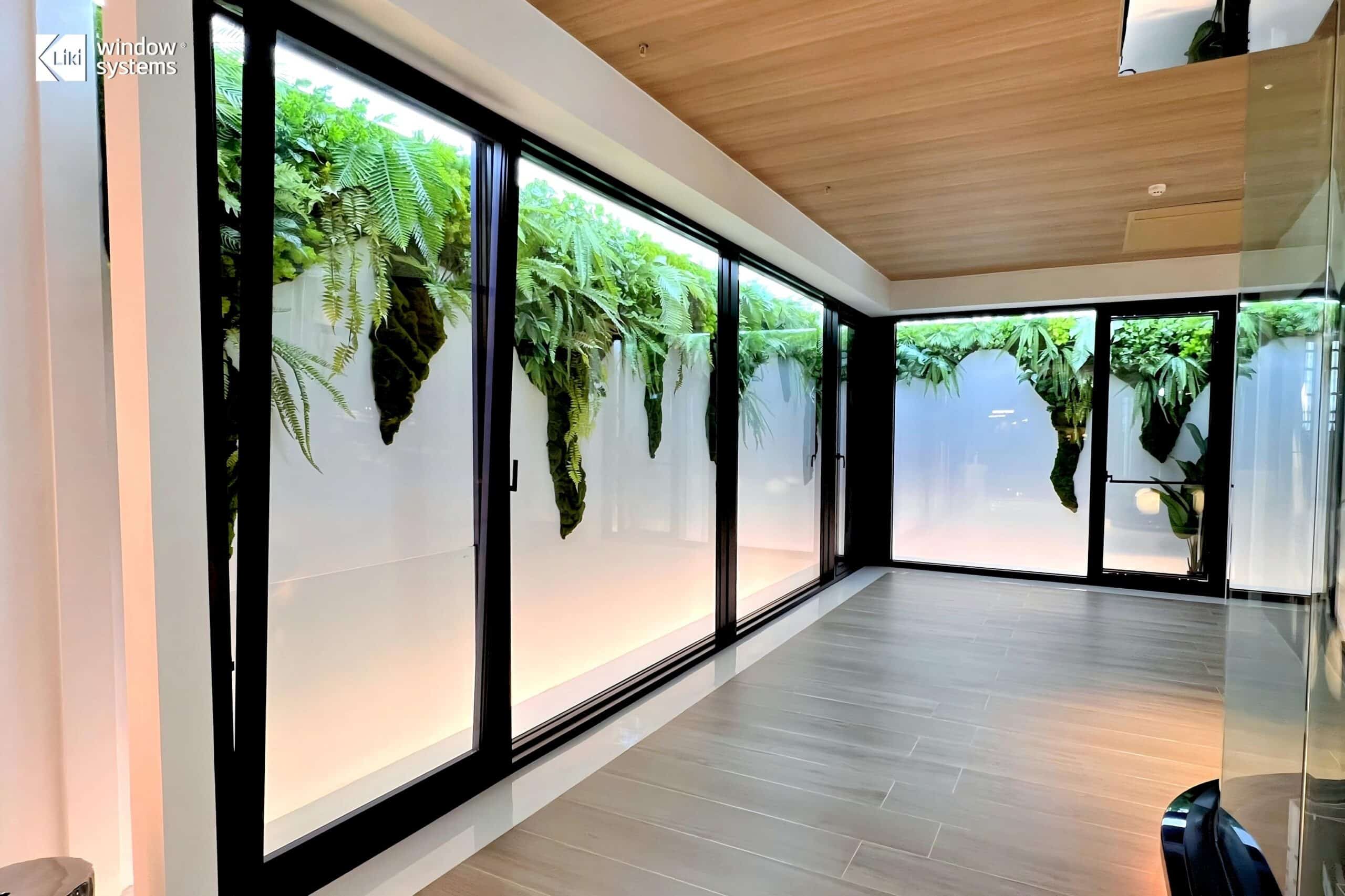
As a premier System Window Solution, LIKI tilt & turn systems offer a unique dual-action operation: tilting from the top for secure ventilation or swinging inward like a door for full access. Built with 6063-T66 primary aluminum and finished with AkzoNobel coatings, these windows are the top choice for modern homeowners seeking superior energy efficiency and architectural elegance.
Explore Our Precision Tilt & Turn Systems
Selecting the right system depends on your specific needs for insulation, structural load, and integrated protection. LIKI provides a comprehensive matrix of European-spec platforms for the North American climate.
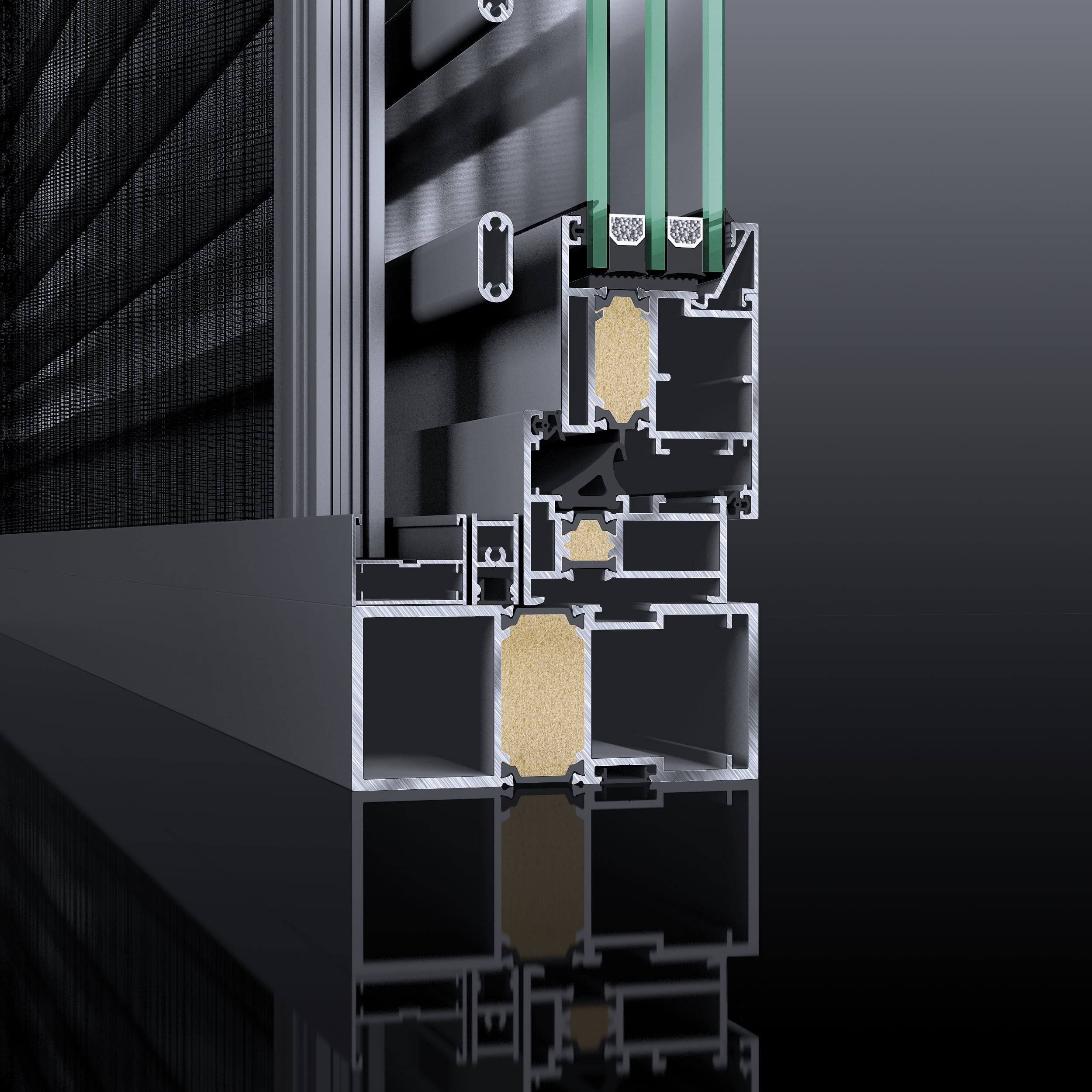
All systems are built on 6063-T66 primary aluminum and enhanced by Technoform® insulation to ensure a superior U-Factor.
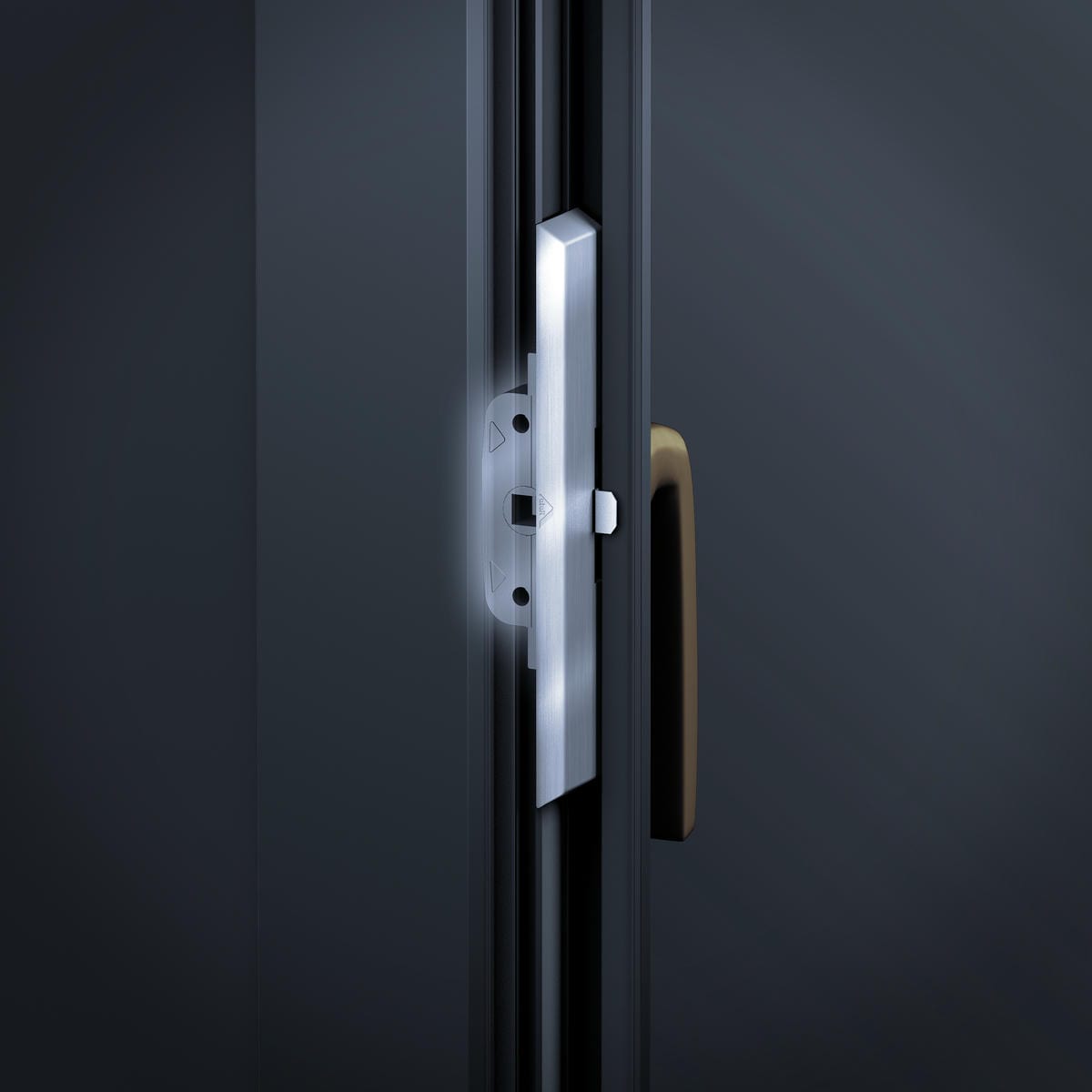
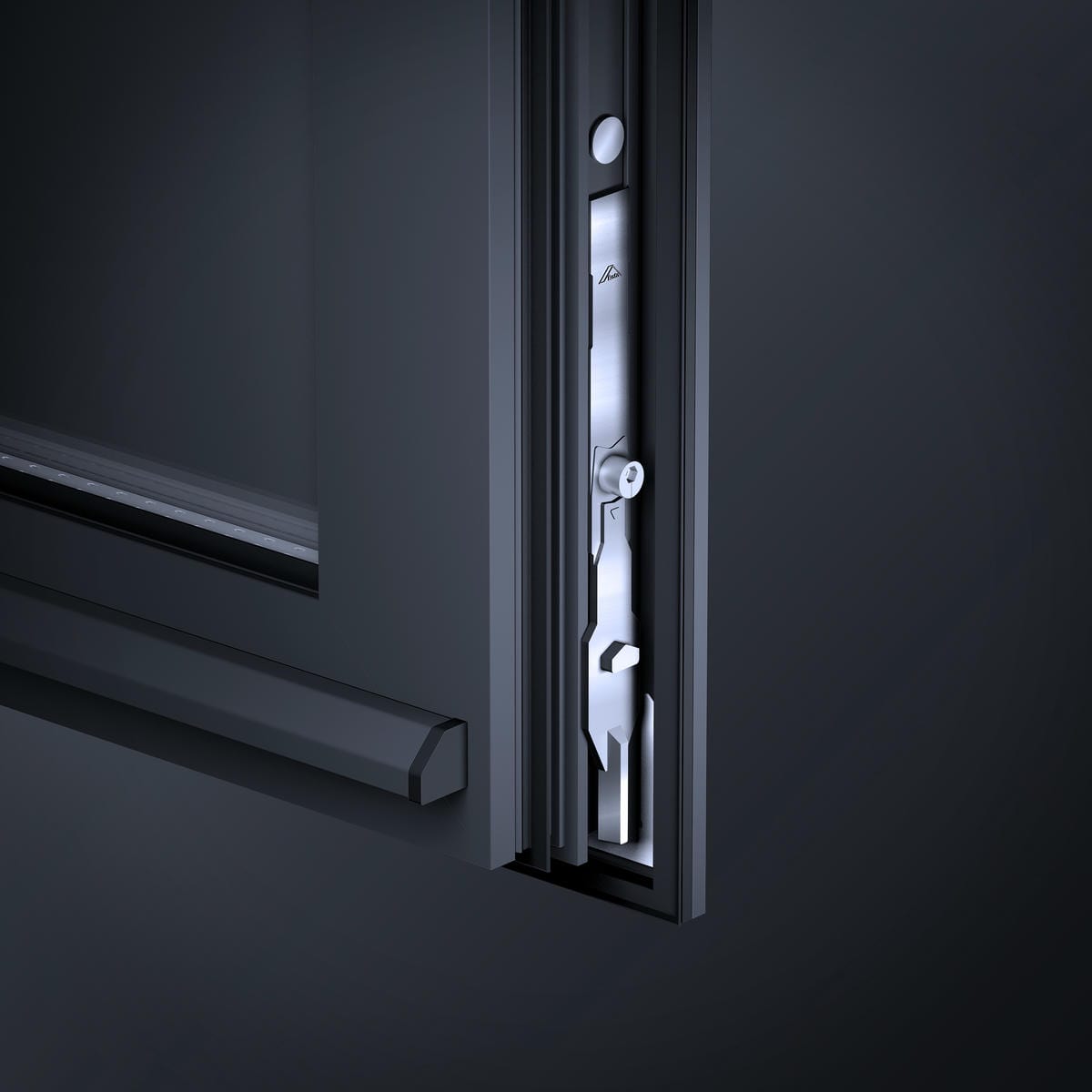
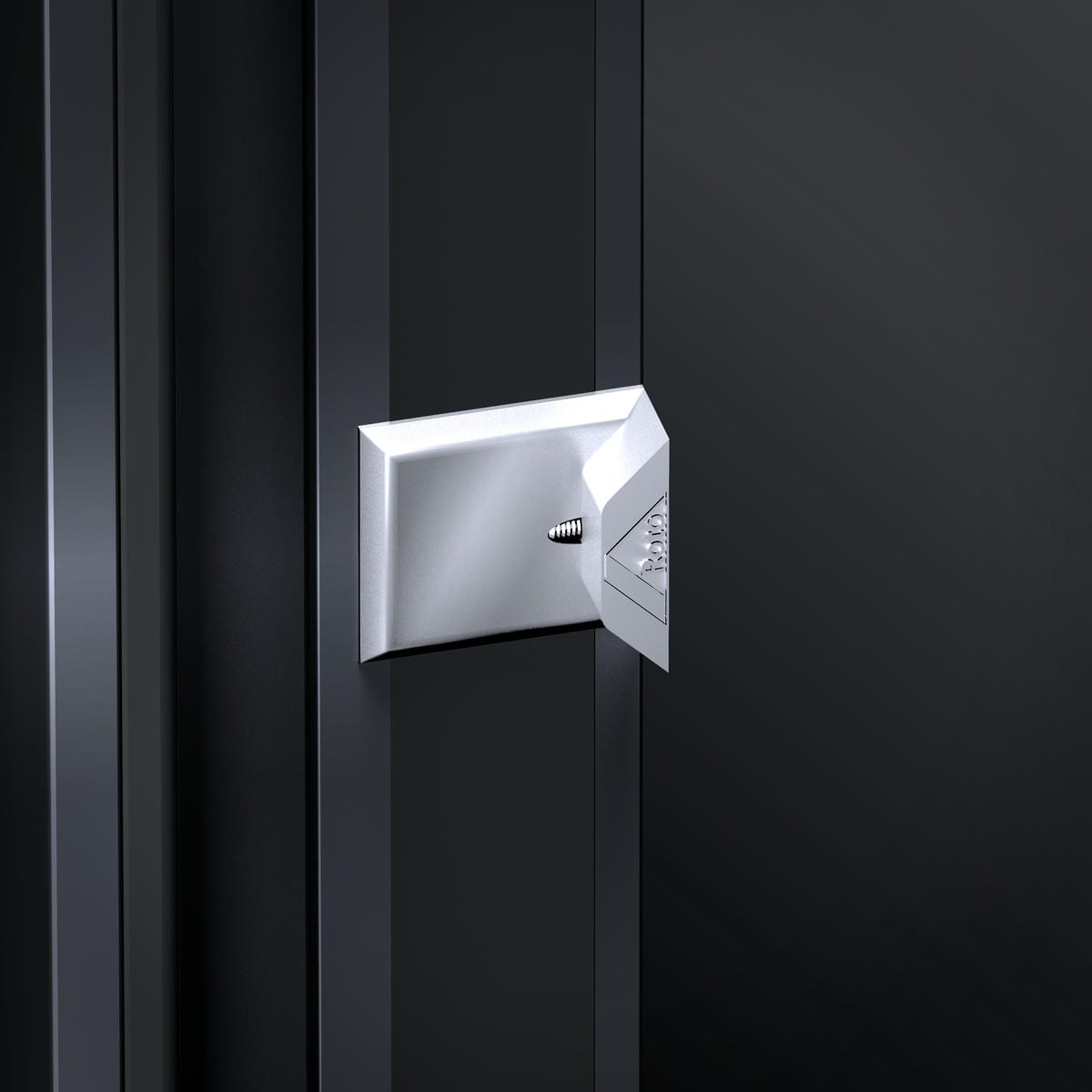
60 Series: Residential Tilt & Turn Window System
Engineer everyday residential comfort through a compact Tilt & Turn system that controls ventilation, interior cleaning access, and airtight stability at the window-core level.
- ● System Adaptability: Maintain an approx. 2.36-inch system depth for standard residential openings and mid-rise apartment window positions.
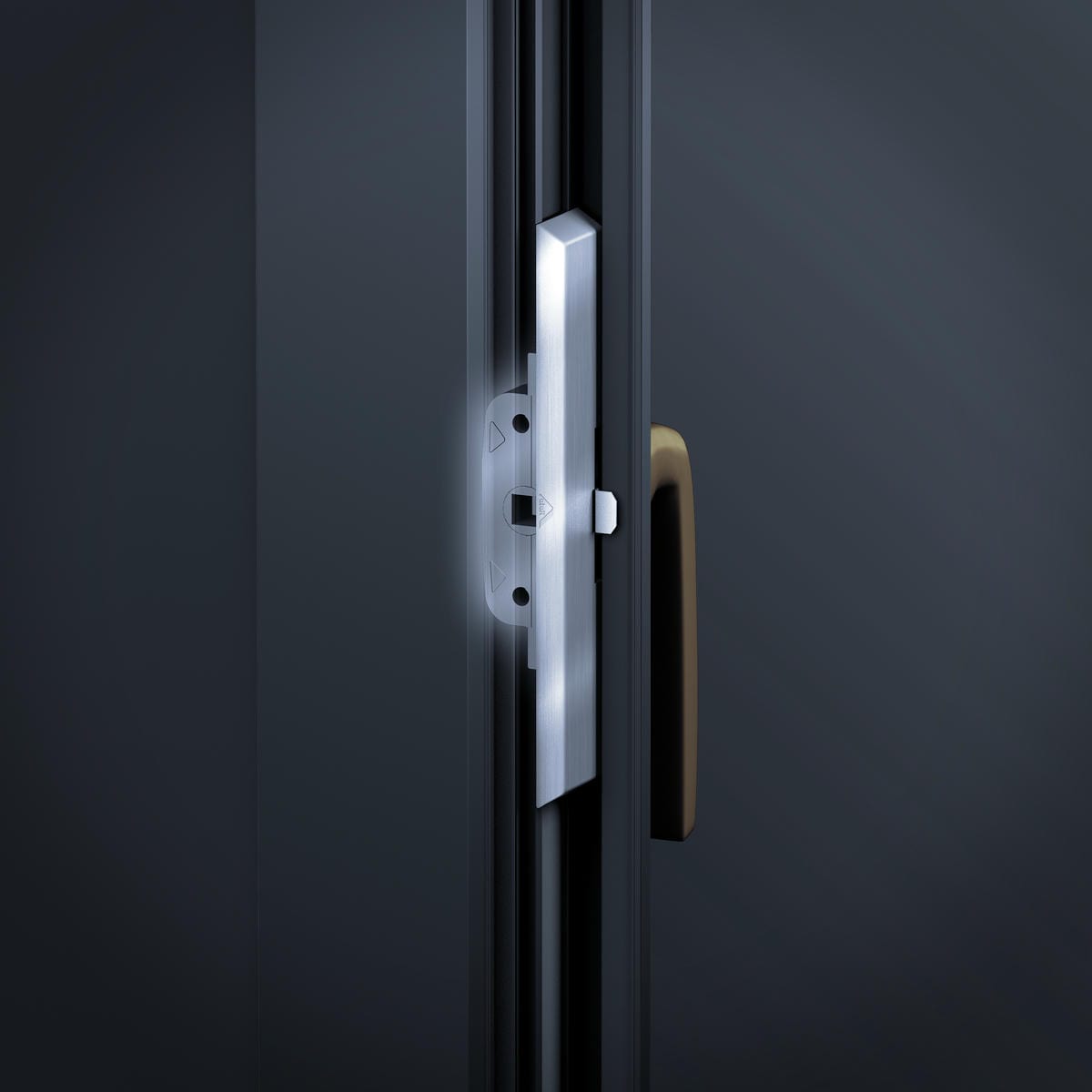
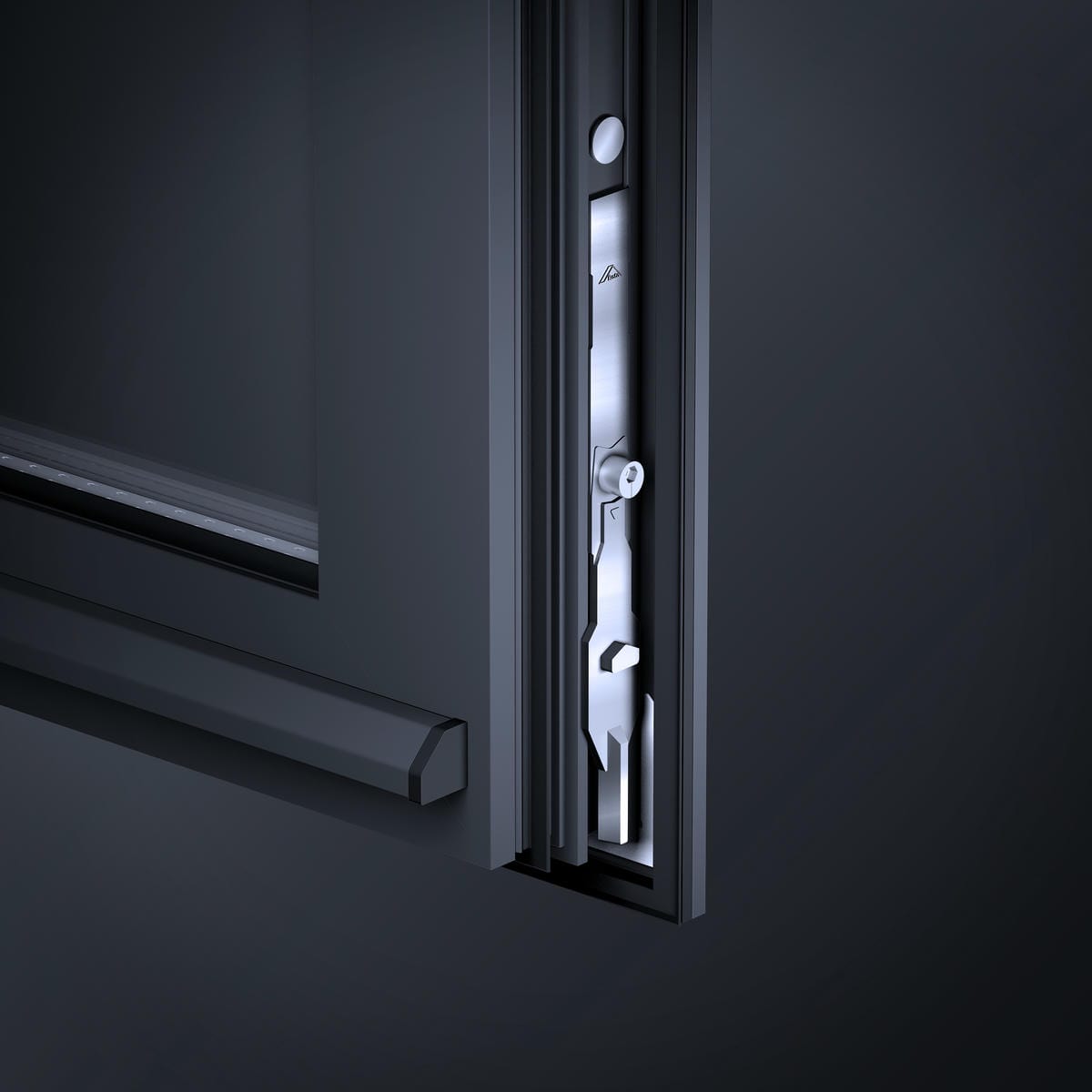
- ● Load-Controlled Hardware: Use tilt & turn multi-point locking with stable tilt-limit control, retaining serviceability through a defined Glazing Stop.
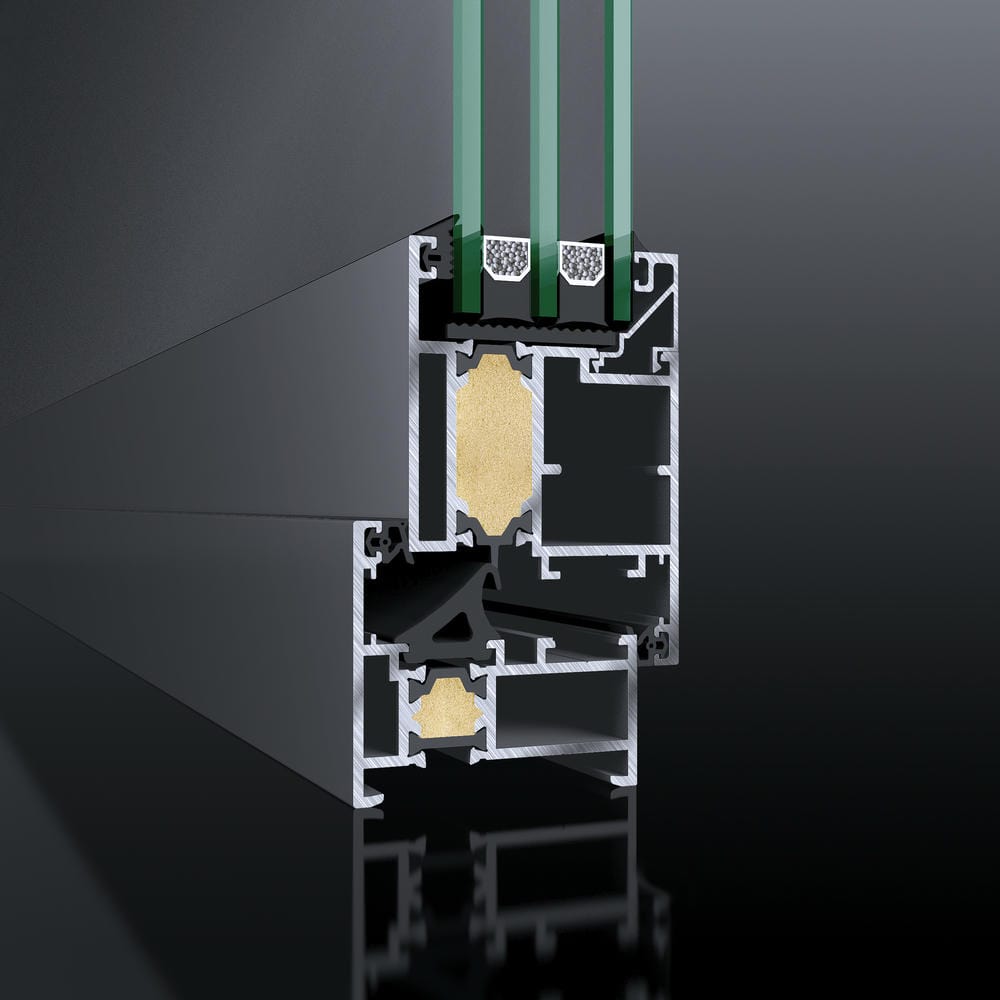
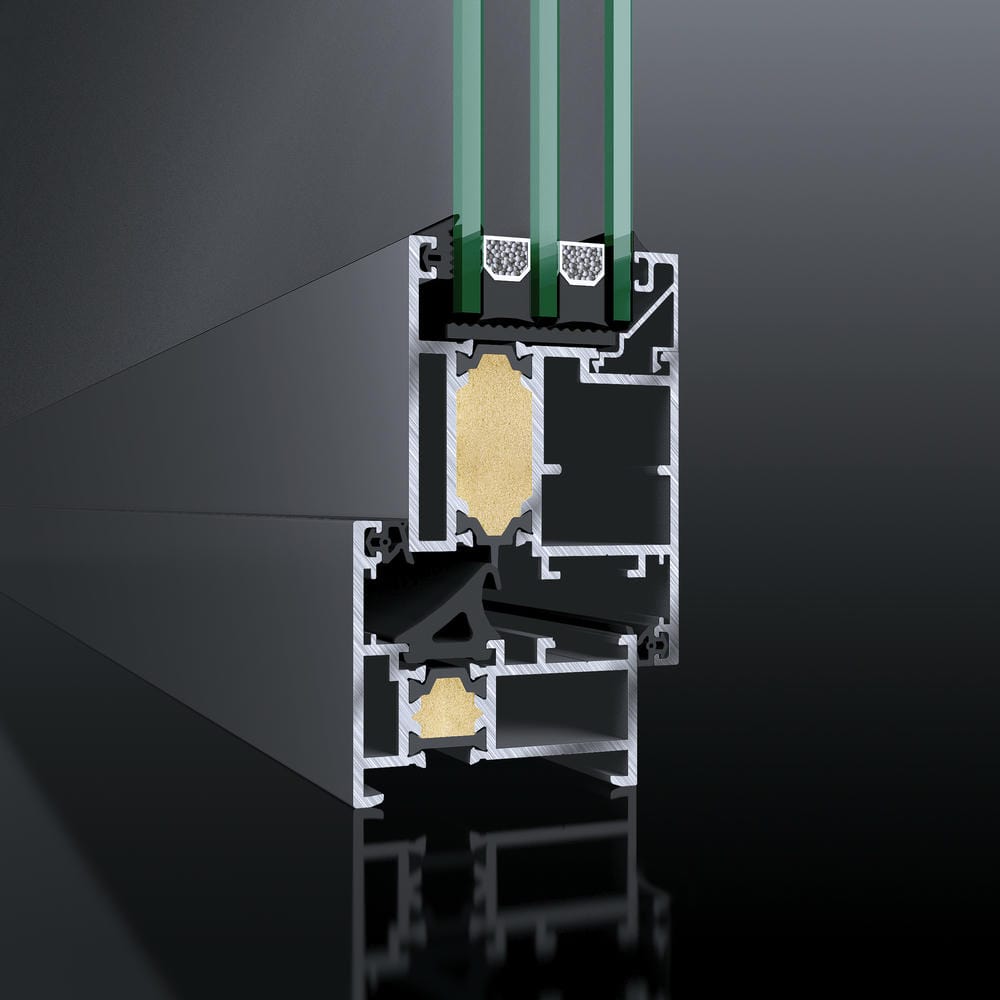
- ● Verified Performance: Evaluated to EN 12207 / 12208 / 12210 and ASTM E283 / E330 / E331, stabilized by Technoform® Thermal Breaks, Wacker® wet-glazed assembly, and a triple EPDM Triple-Seal System (ref. wind resistance approx. 63 PSF).
Smart Tilt & Turn Window
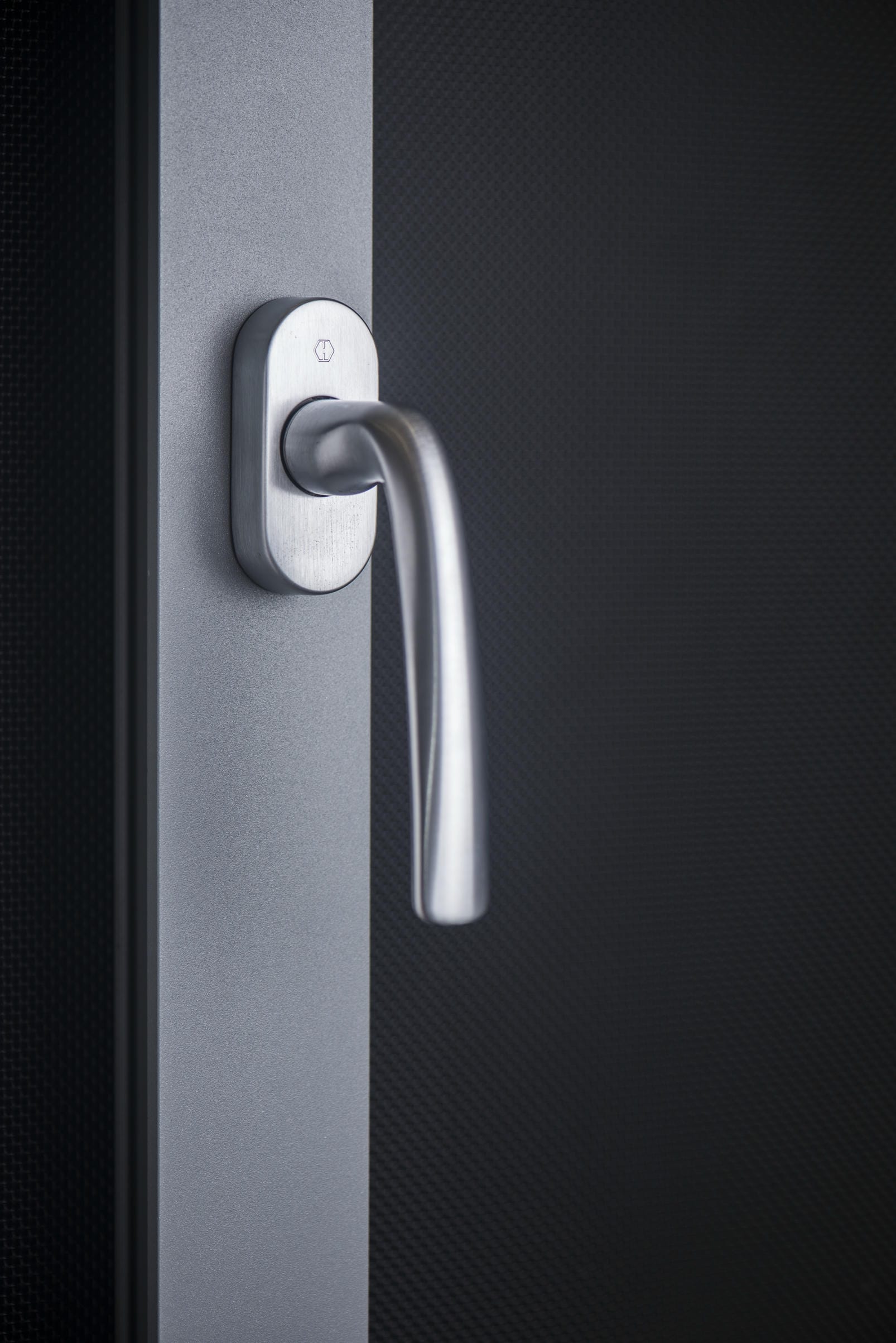
The European standard for modern living. One handle controls two modes: tilt for secure ventilation and turn for easy cleaning and egress.
- Triple Sealed: Advanced 3-layer EPDM gaskets create a superior barrier against noise (40dB), wind, and rain compared to standard sliders.
- Structural Integrity: Built on a proven 6063-T66 aluminum platform, offering long-term stability and resistance to deformation.
Certified Performance

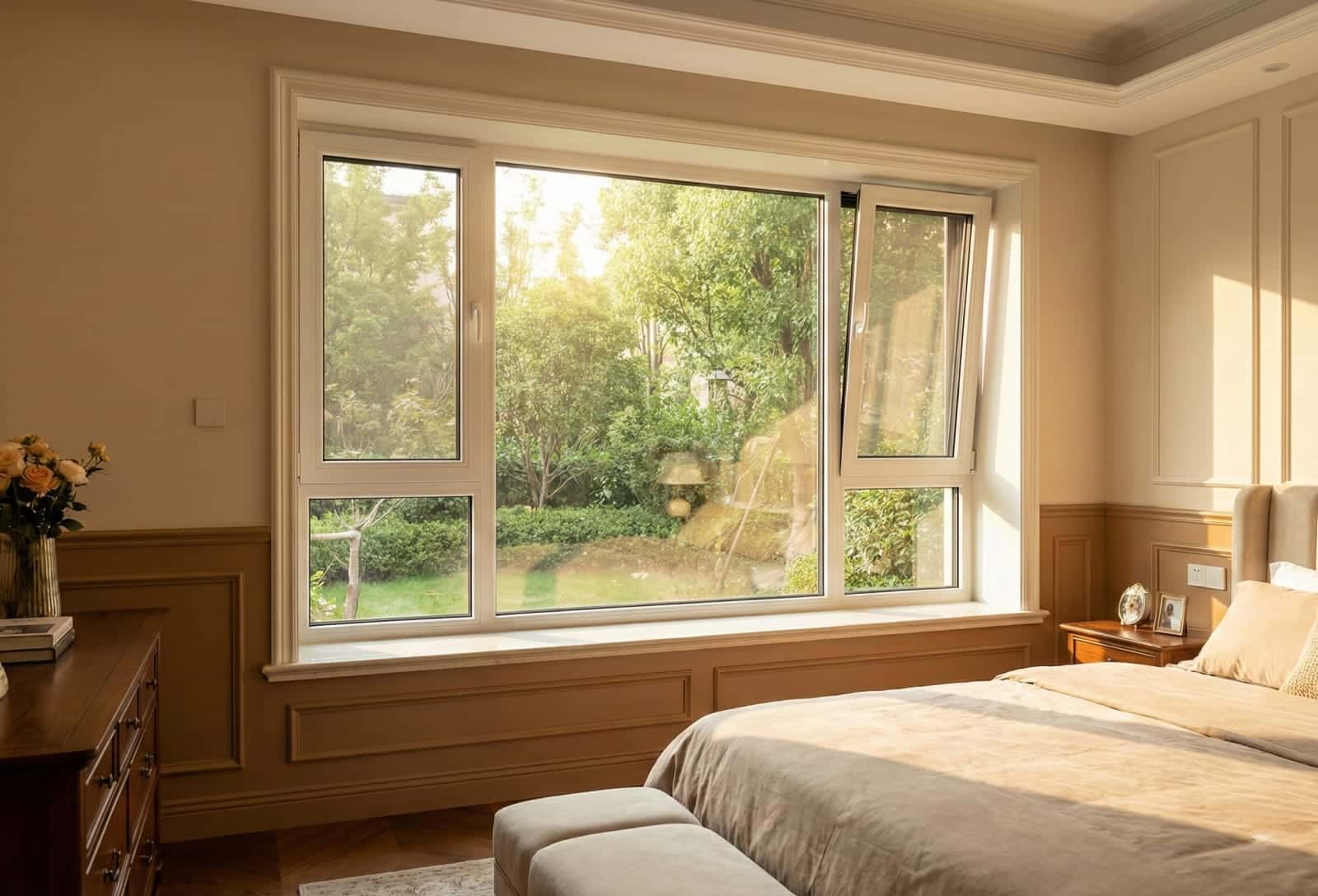
65 Series: Enhanced Thermal Tilt & Turn Window System
Engineer daily residential comfort through an upgraded Tilt & Turn system that enhances thermal stability and structural margins while preserving compact, inward-opening proportions.
- ● System Adaptability: Maintain a compact 2.56-inch system depth derived from the 60 Series platform, upgraded for higher insulation and structural stability in residential applications.
- ● Load-Controlled Hardware: Utilize multi-point Tilt & Turn hardware to manage sash loads and frequent operation, with forces confined within the primary load-bearing chamber via a defined Glazing Stop.
- ● Verified Performance: Evaluated to EN 12207 / 12208 / 12210 and ASTM E283 / E330 / E331, supported by 24 mm Technoform® Thermal Breaks, Wacker® wet-glazed assembly, and a triple EPDM sealing system with structural resistance up to approx. 63 PSF.
Performance Tilt & Turn
The power of the 60 platform, elevated. A performance-driven upgrade featuring deeper 2.56" (65mm) engineering and maximized thermal barriers for residential projects requiring zero-compromise comfort.
- Structural Performance Upgrade: Developed as a high-performance iteration of the 60 platform, featuring a deeper 2.56" (65mm) frame for increased structural redundancy and larger sash capabilities.
- Elite Thermal Control: Integrated 0.94" (24mm) Technoform® polyamide strips provide superior U-Factor potential and significantly cleaner hot/cold zone separation.
- Anti-Sag Engineering: Optimized load-bearing hardware geometry prevents sash sagging even in high-frequency daily residential use.
- Zero-Leak Triple Sealing: Features three independent compression zones to ensure stable elite airtightness and acoustic comfort (Rw ≈ 40 dB).
Global Compliance Standards
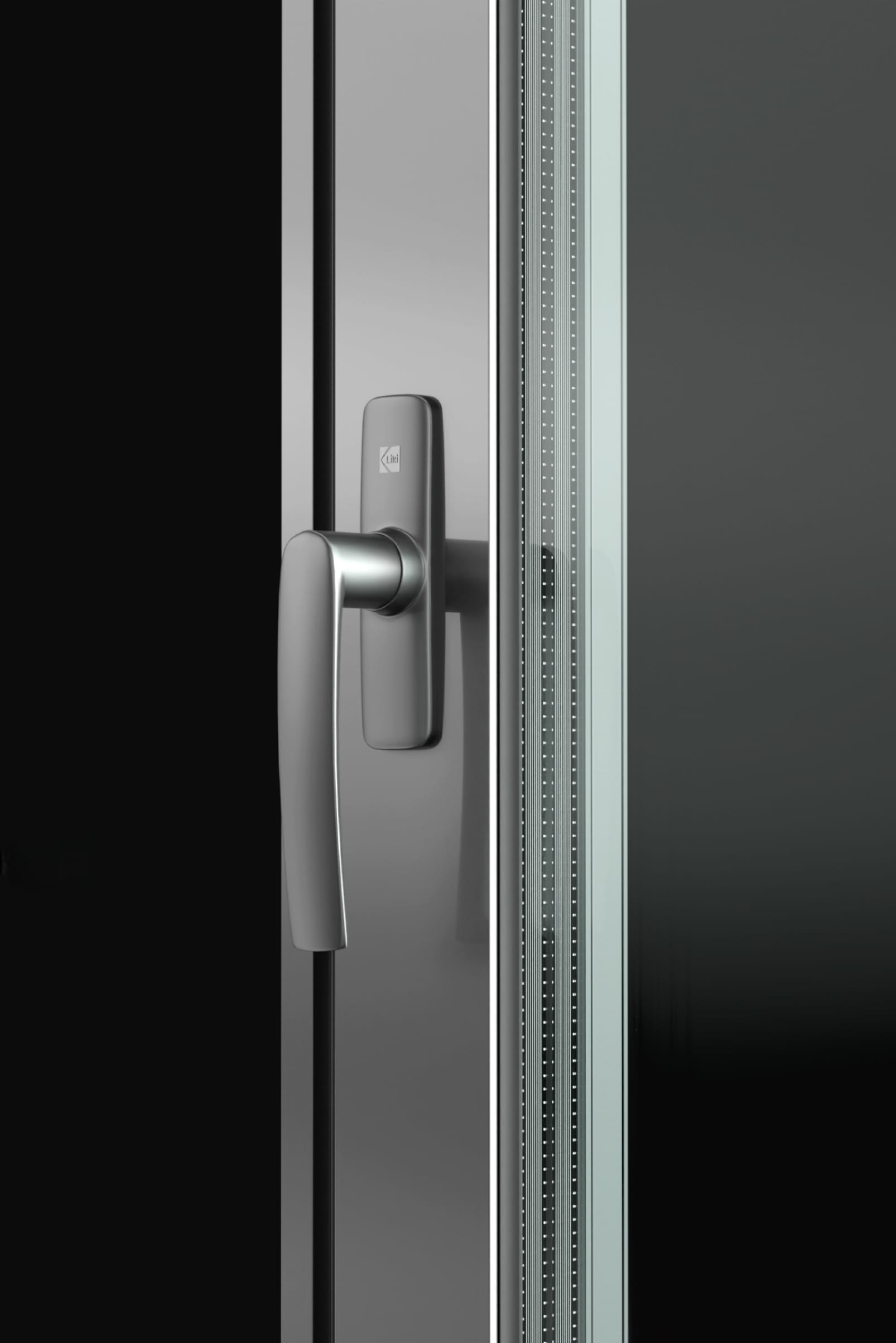
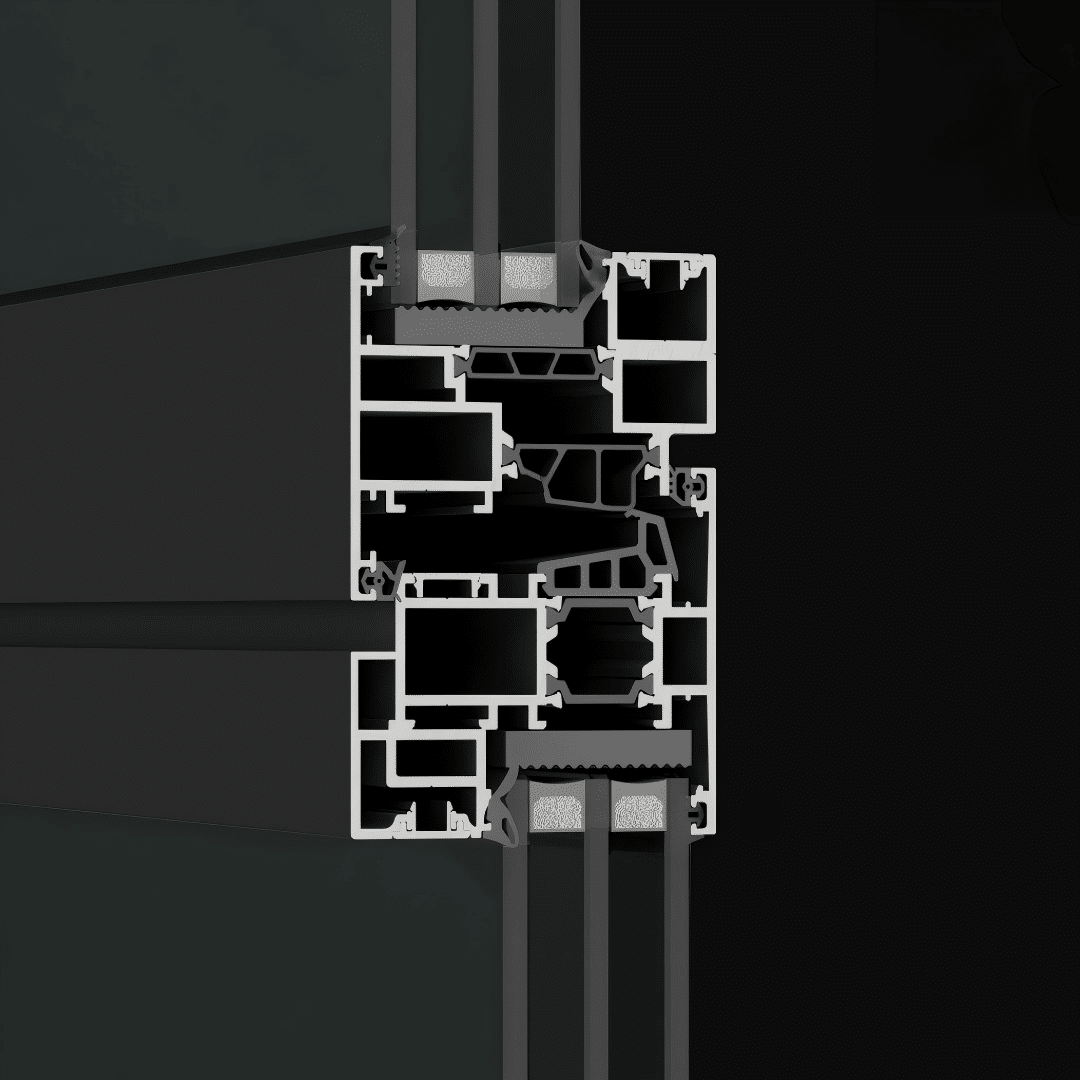
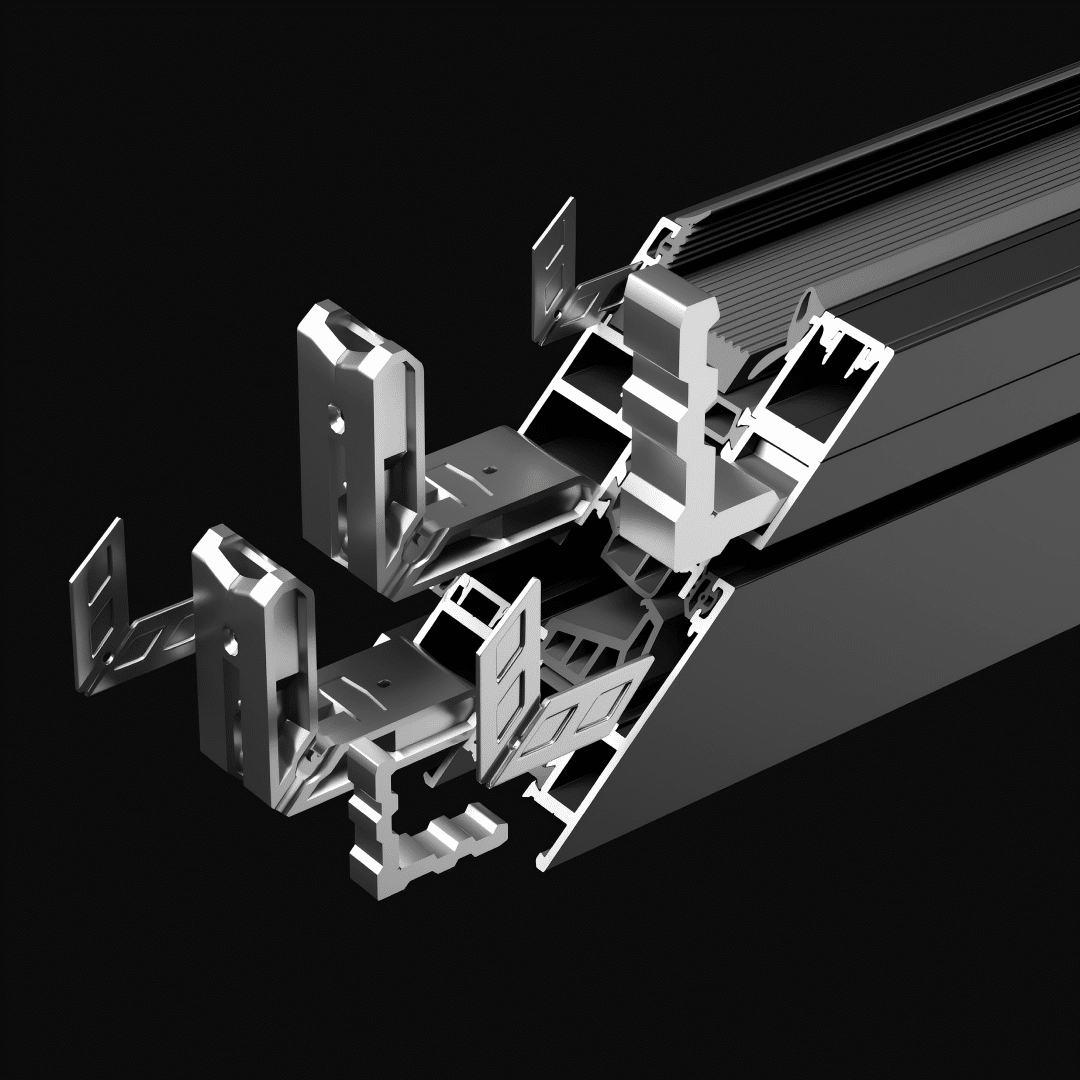
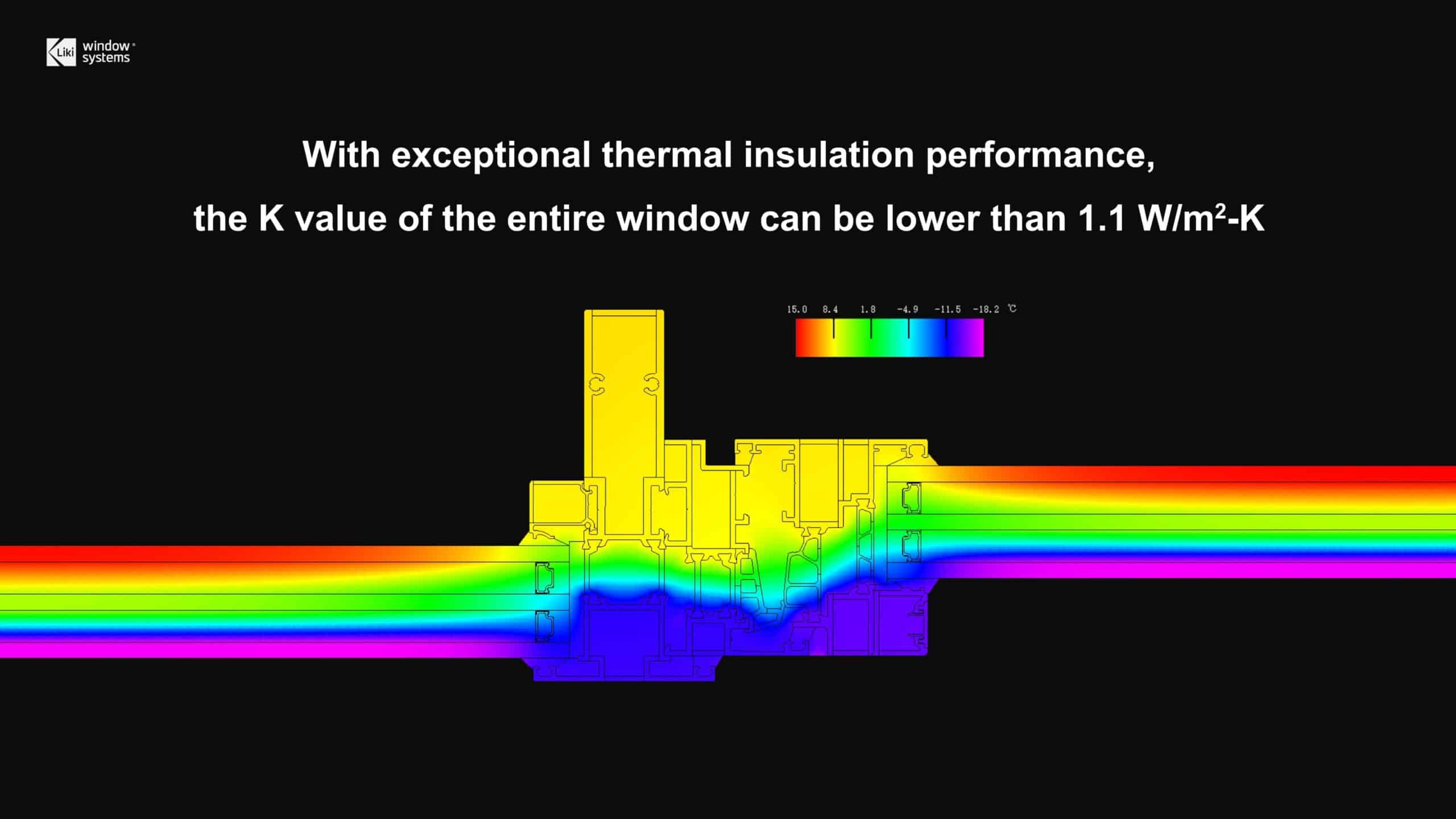
80 HTTI Series: High-Performance Tilt & Turn Window System
Engineer residential-grade airtight performance through a high-capacity Tilt & Turn system that combines inward-opening safety, stable operation, and architectural adaptability at the system level.
- ●System Adaptability: Establish a reinforced 3.15-inch system depth with modular frame extensions to adapt to varied wall conditions without altering the Tilt & Turn core platform.
- ●Load-Controlled Hardware: Support inward-opening and tilt ventilation through multi-point Tilt & Turn hardware, managing sash loads within a Flat-Aligned frame-and-sash structure via a defined Glazing Stop.
- ●Performance Matched: Stabilize air and water performance with multi-layer EPDM sealing, supported by Technoform® Thermal Breaks and insulating glass up to 1.54 inches for high-performance residential applications.
Modular High-Performance Tilt & Turn
Adaptive European engineering for elite residential projects. A stable, modular system platform that achieves high-load structural versatility without altering its proven high-performance core.
- Architectural Adaptability: Modular box frame modules allow the system to adapt from a 3.15" (80mm) base up to 6.65" (169mm) to match complex wall conditions.
- Flush Integrity Design: Sash and frame align on a perfectly flat plane, ensuring clean architectural lines and optimized wind-load transfer.
Engineered to Global Compliance Standards
110-50 Series: Integrated Protective Tilt & Turn Window System
Engineer secure inward-opening operation through a system-level Tilt & Turn platform that integrates controlled ventilation, interior safety, and protective functions within a unified structural frame.
- ● System Adaptability: Utilize a unified 4.33-inch system depth to accommodate Tilt & Turn operation alongside integrated protective and thermal frame components within one platform.
- ● Load-Controlled Hardware: Coordinate multi-point Tilt & Turn hardware with inward-opening sash loads, isolating protective elements from primary load paths via a defined Glazing Stop.
- ● Verified Performance: Evaluated to EN 12207 / 12208 / 12210 and ASTM E283 / E330 / E331, supported by Technoform® Thermal Breaks, wet-glazed assembly using Wacker®, and a triple EPDM sealing system.
Fortress Integrated Tilt & Turn
Maximum protection meets elite architectural versatility. A high-load 4.33" system depth engineered to fuse safety barriers with seamless inward-venting logic for modern luxury facades.
- Unified Load-Bearing: Engineered with a 3.94" (100mm) structural mullion that integrates protection components directly into the primary system frame.
- Silent Guard Logic: High-density sealing paths deliver premium urban comfort with a sound insulation rating of Rw ≈ 40 dB.
Global Compliance Standards
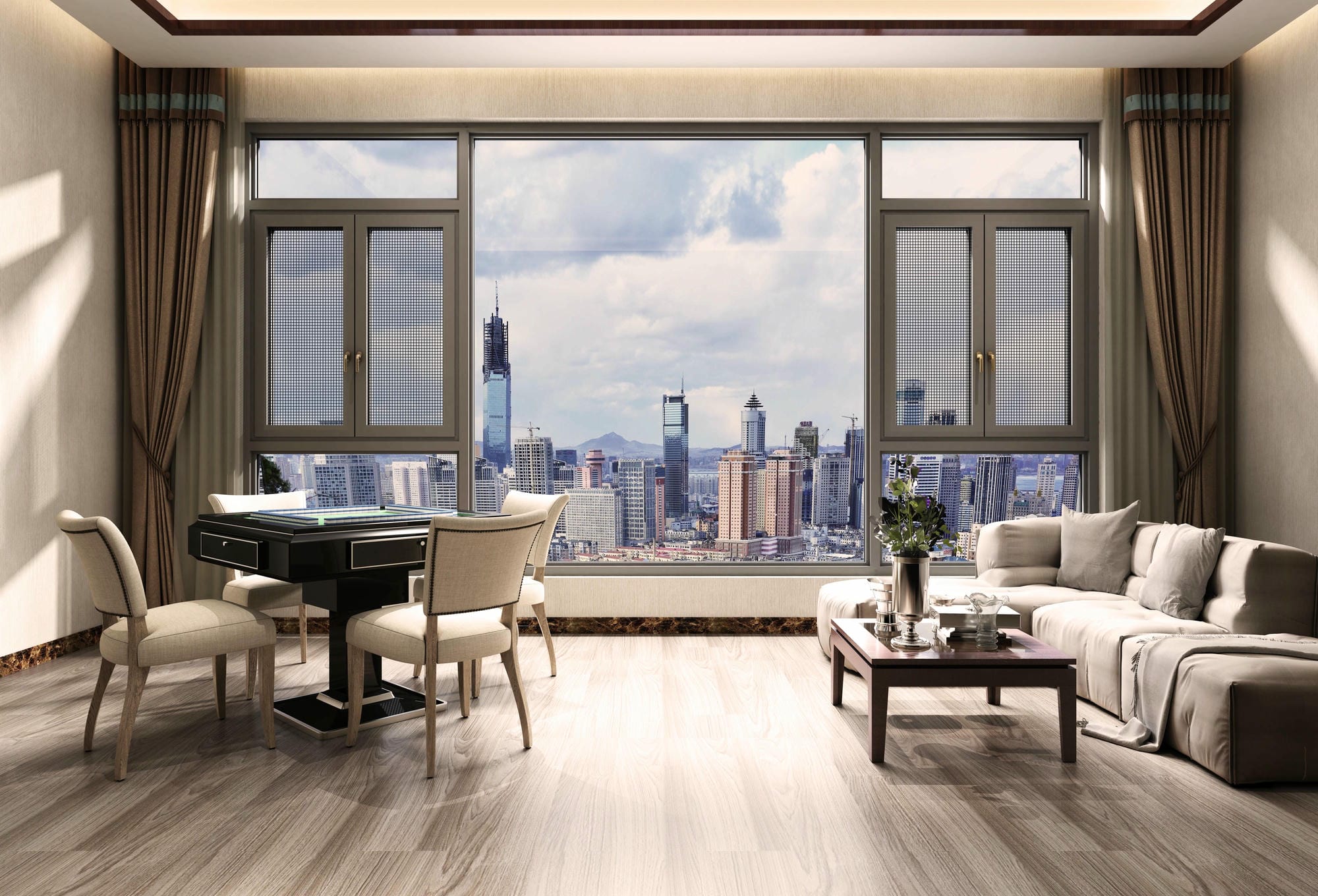
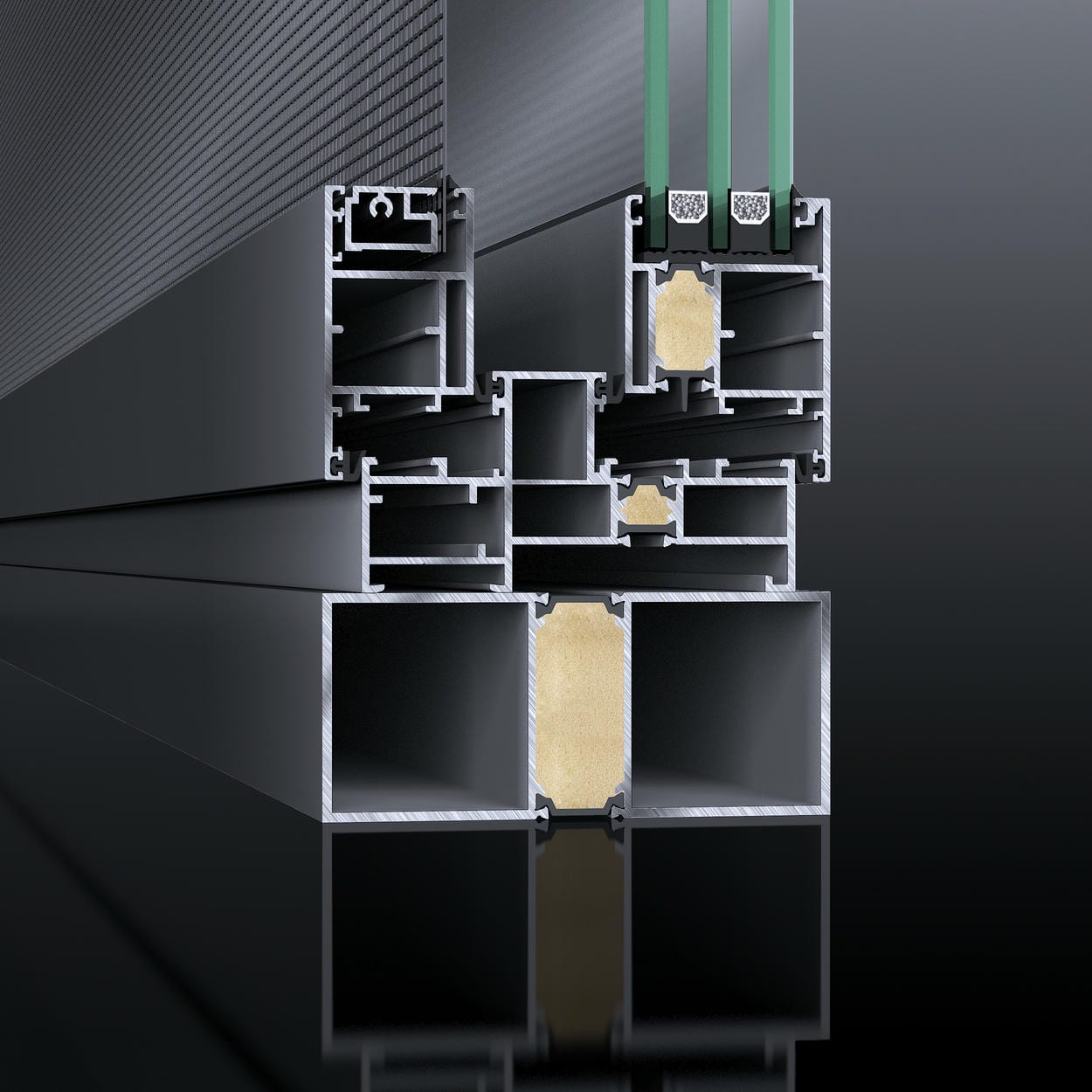
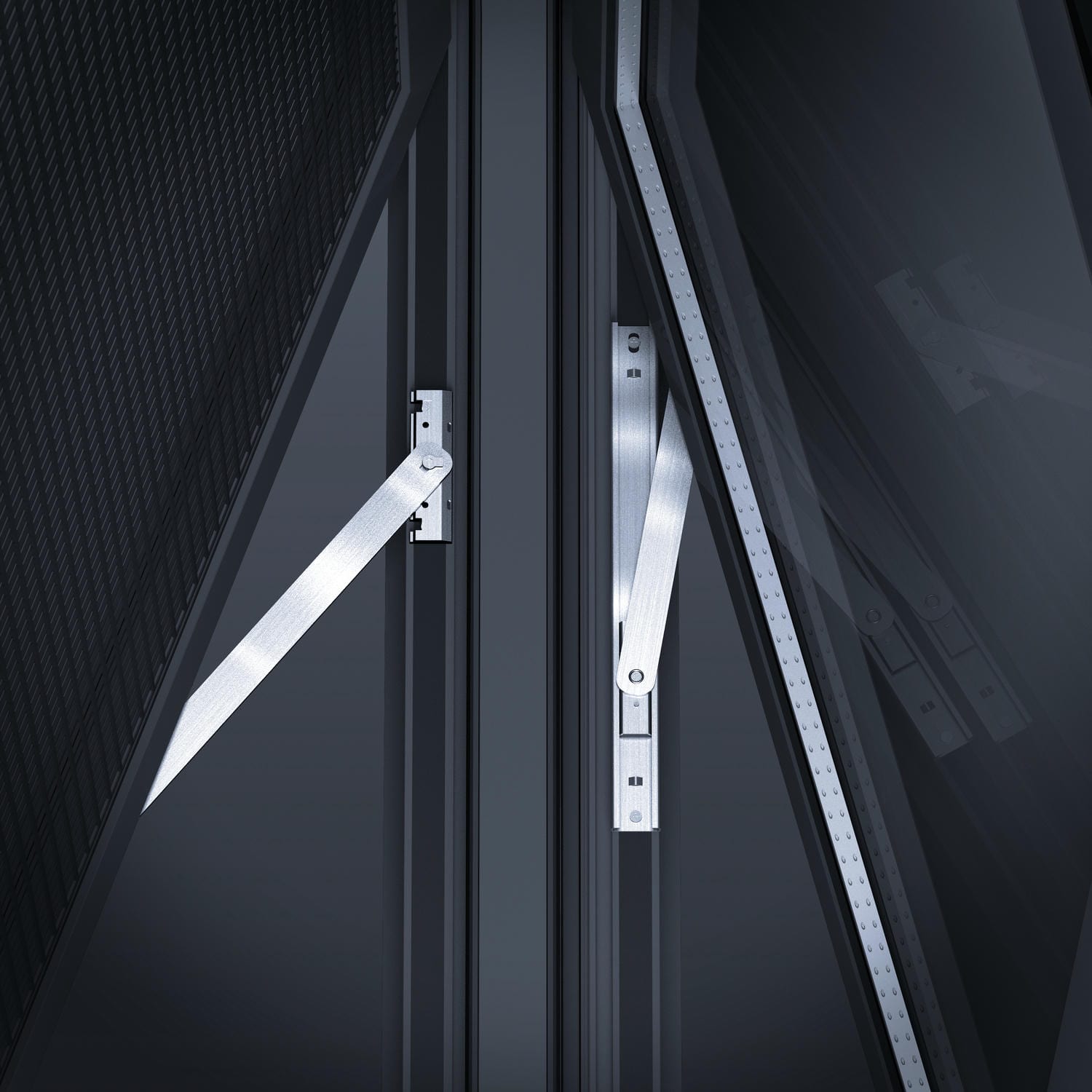
138-60 Series: Security-Integrated Tilt & Turn Window System
Engineer long-term safe ventilation through a Tilt & Turn system that integrates inward-opening operation and system-level security within a single structural frame.
- ● System Adaptability: Utilize a unified 5.43-inch system depth to integrate Tilt & Turn operation and an independent security layer within one structural frame.
- ● Load-Controlled Hardware: Coordinate multi-point Tilt & Turn hardware and inward-opening sash loads while isolating the security system from primary load paths via a defined Glazing Stop.
- ● Verified Performance: Evaluated to EN 12207 / 12208 / 12210 and ASTM E283 / E330 / E331, supported by Technoform® Thermal Breaks, wet-glazed assembly using Wacker®, and a triple EPDM sealing system.
Fortress Security Tilt & Turn
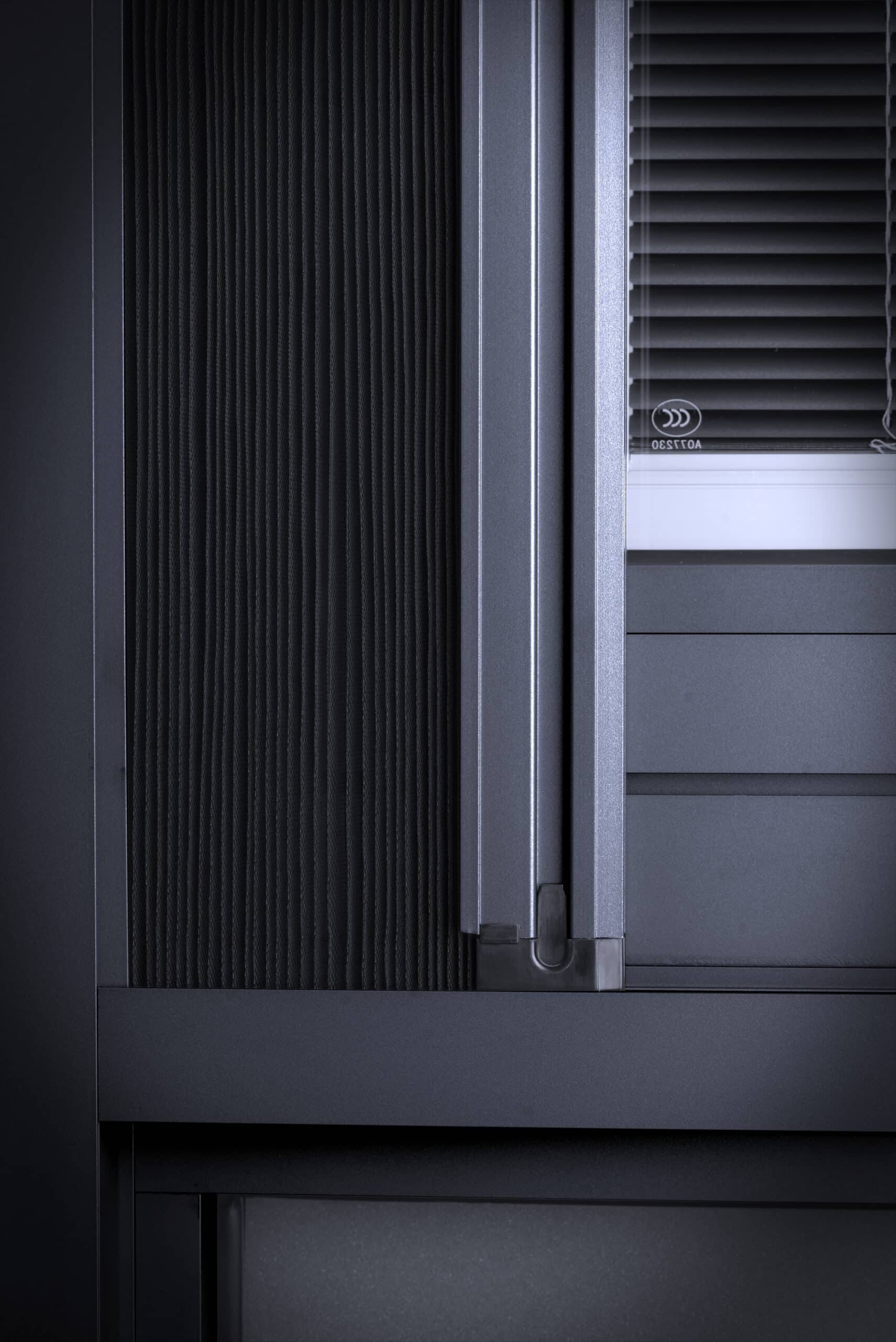
Uncompromising protection meets European elegance. A high-tier integration platform fusing an inward glass sash with a structural #316 stainless security mesh for elite residential safety.
- Dual-System Core: Unlike simple add-ons, the 138-60 fuses the primary Tilt & Turn sash and the security mesh into a massive 5.43" (138mm) structural frame.
- Bunker Strength Walls: Engineered from 6063-T66 aluminum with up to 0.13" (3.2mm) wall thickness for extreme long-term structural redundancy.
- Safe-Vent Intelligence: Tilt mode provides high-level micro-ventilation while the locked security mesh maintains a continuous defensive barrier against intrusion.
- Acoustic Shielding: The triple-seal composite system delivers premium urban comfort with a sound insulation rating of Rw ≈ 40 dB.
Engineered to Global Compliance Standards
- Get In Touch
Connect with an LIKI Expert
Get personalized guidance from a knowledgeable LIKI representative—no pressure, just expert advice.
Why choose Tilt & Turn Window Systems
The inward-opening Tilt & Turn logic is the benchmark for high-performance windows worldwide. It addresses the core functional needs of modern architectural projects.

Child-Safe Ventilation

Emergency Egress Ready

Anti-Intrusion Design
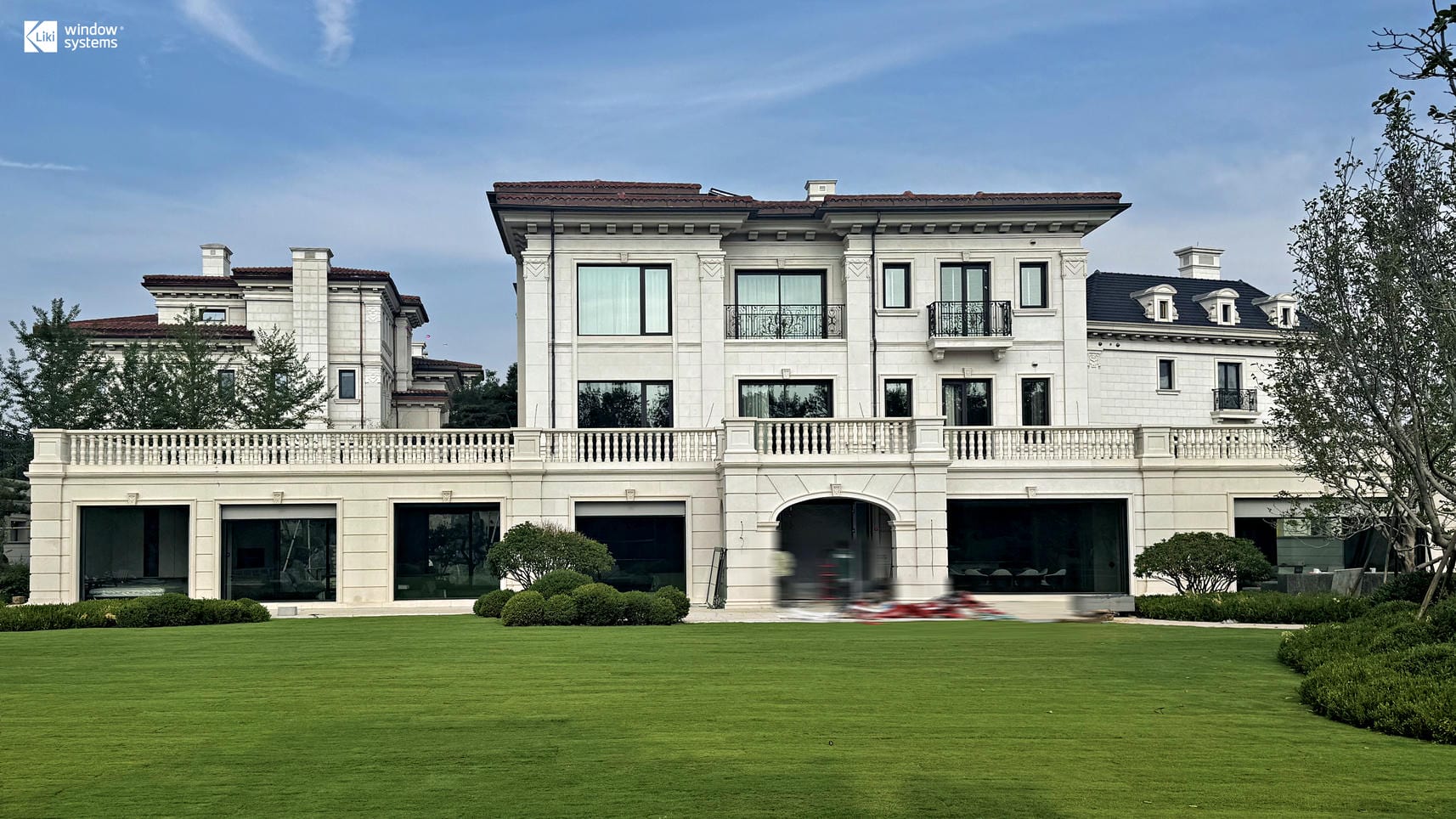
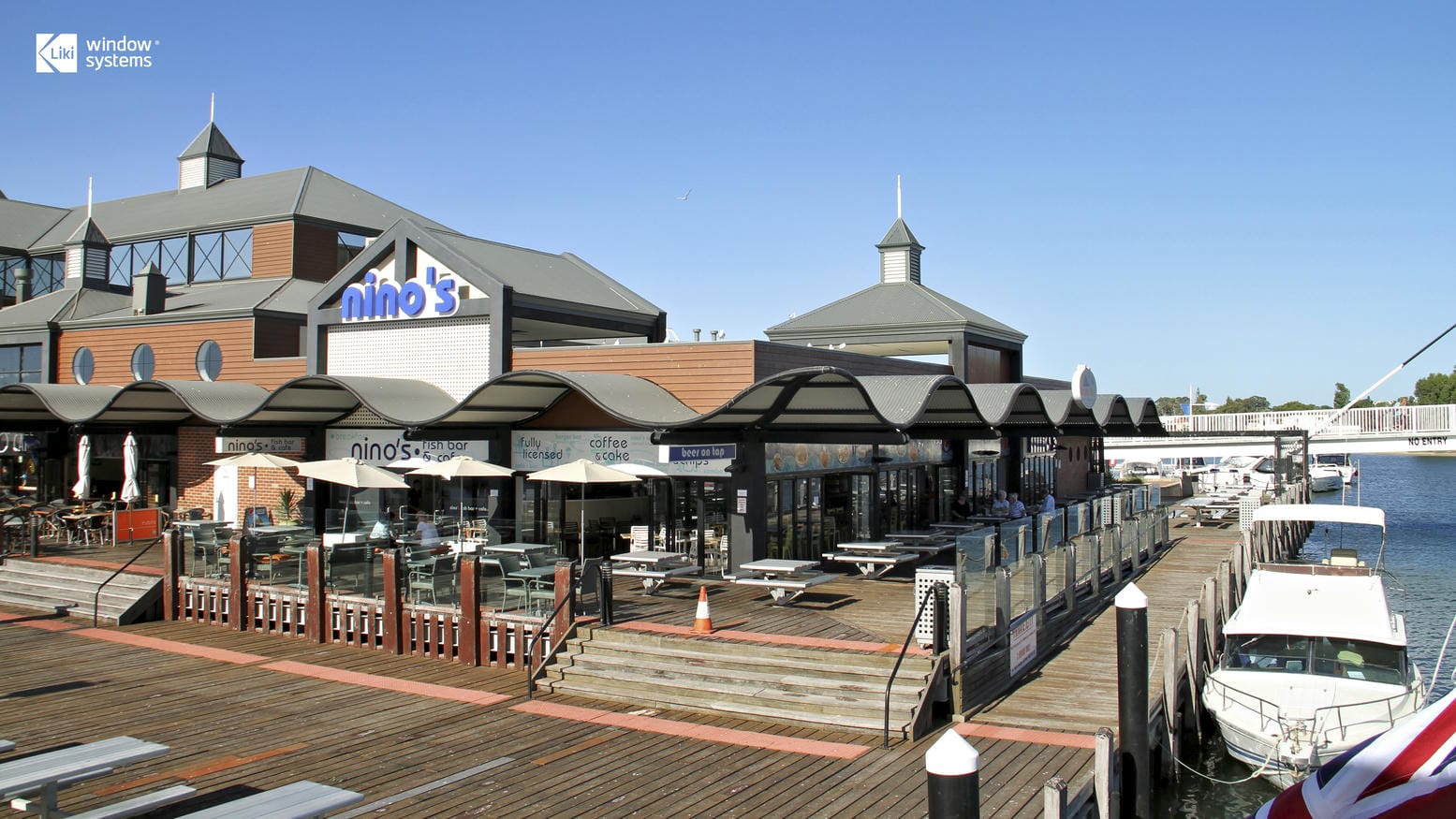
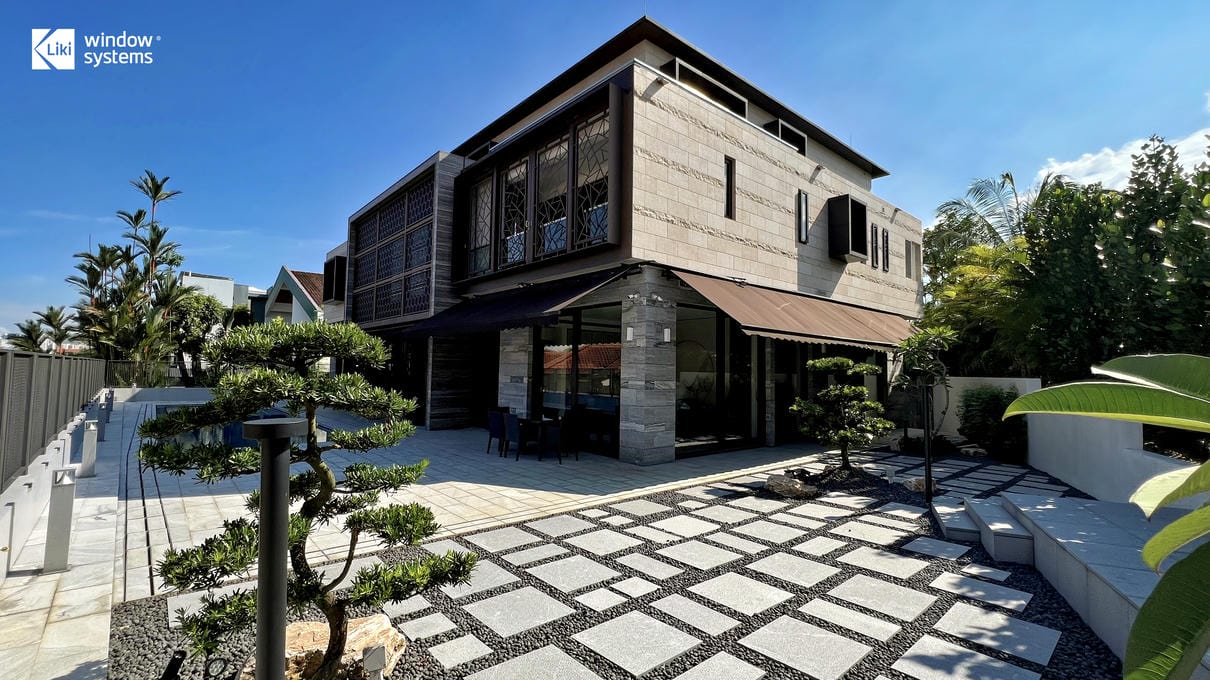
View the stunning performance of Tilt & Turn Window Systems
See how LIKI Aluminum Tilt & Turn Windows—finished with high-durability AkzoNobel® powder coating—enhance the structural integrity and aesthetic value of luxury residential projects across North America.

Tilt & Turn Window Systems Demonstration Video List
Watch our demonstration of the Multi-point Locking System and experience the smooth, one-handed operation of our CNC-machined tilt & turn units.


Get Answers to Your Questions
Tilt & Turn Window Systems FAQs answered
Yes. Our Safe-Vent Intelligence allows you to tilt the window for fresh air while the bottom remains locked, preventing accidental falls.
Absolutely. We offer integrated protective screens (like in our 138-60 and 110-50 series) that stay in place without interfering with the window's operation.
No. LIKI systems feature Pressure-Balanced drainage and Wacker® wet-glazed assembly, ensuring complete water tightness even under high wind loads.
Even our 180KG high-load sashes operate with a single finger thanks to precision Euro-Spec hardware and anti-sag engineering.
The Right Solutions for Your Project
Explore helpful resources, real project inspiration, and expert support to guide your window and door decisions—whether you’re planning, designing, or ready to get started.

Professional Resources
Access technical documentation, performance data, and installation guidance to support accurate planning, specification, and execution.

Inspiration & Living
Explore real projects, everyday spaces, and design ideas to see how LIKI window systems fit naturally into different homes and lifestyles.

Start Your Project
Get guidance from LIKI specialists to review your needs, answer questions, and move your project forward with confidence.
More about Tilt & Turn Window Systems
The Architectural Standard for Secure Ventilation and High-Rise Water Management.
Custom thermally broken aluminum tilt and turn windows are advanced fenestration systems engineered with a single-handle, dual-action mechanism. They hinge at the bottom to tilt inward at the top for secure, draft-free ventilation, or swing entirely inward like a door for egress and maintenance, utilizing polyamide thermal breaks to prevent energy transfer.
What Are Custom Thermally Broken Aluminum Tilt & Turn Windows?
How Does the Dual-Action Mechanism Actually Work?
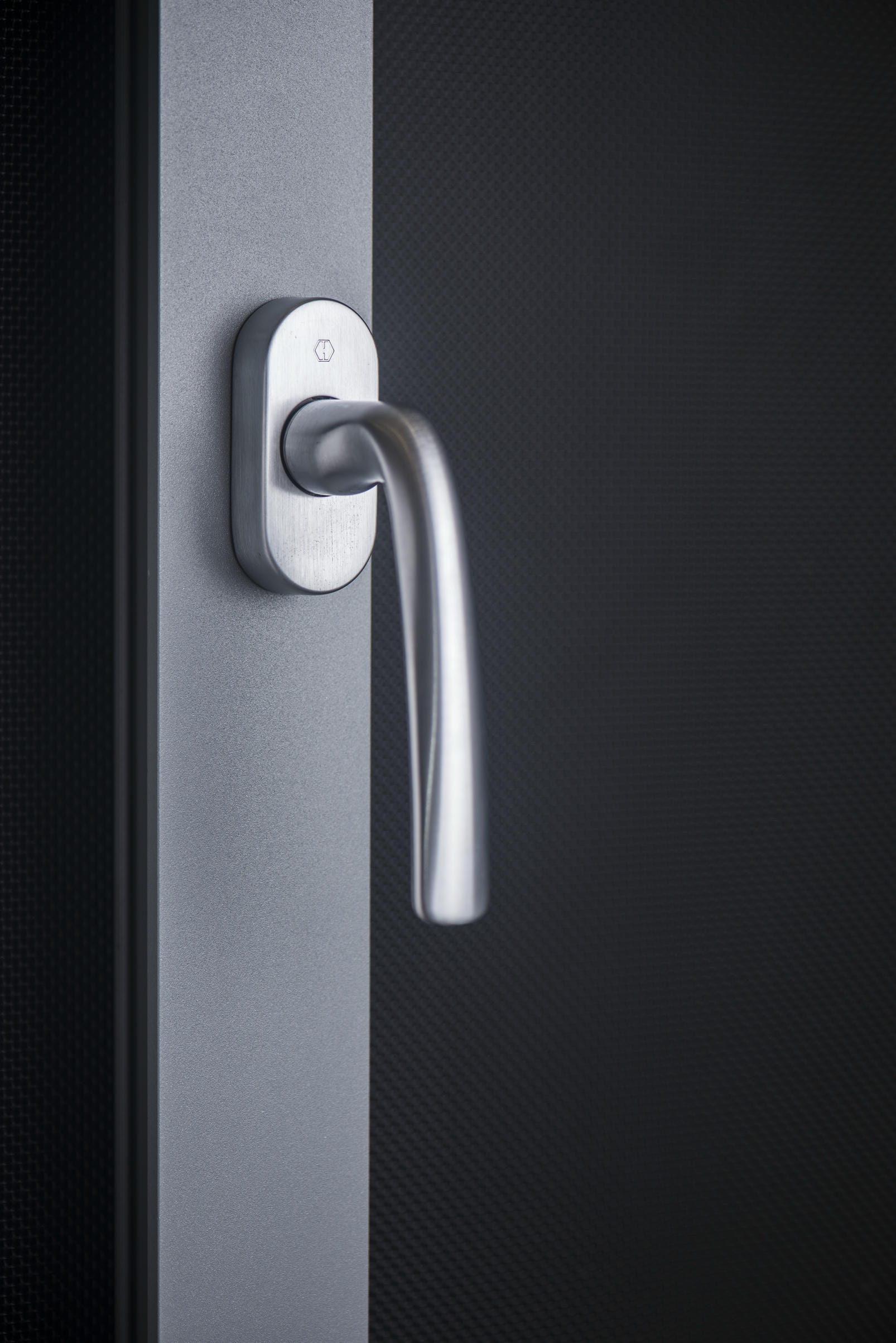
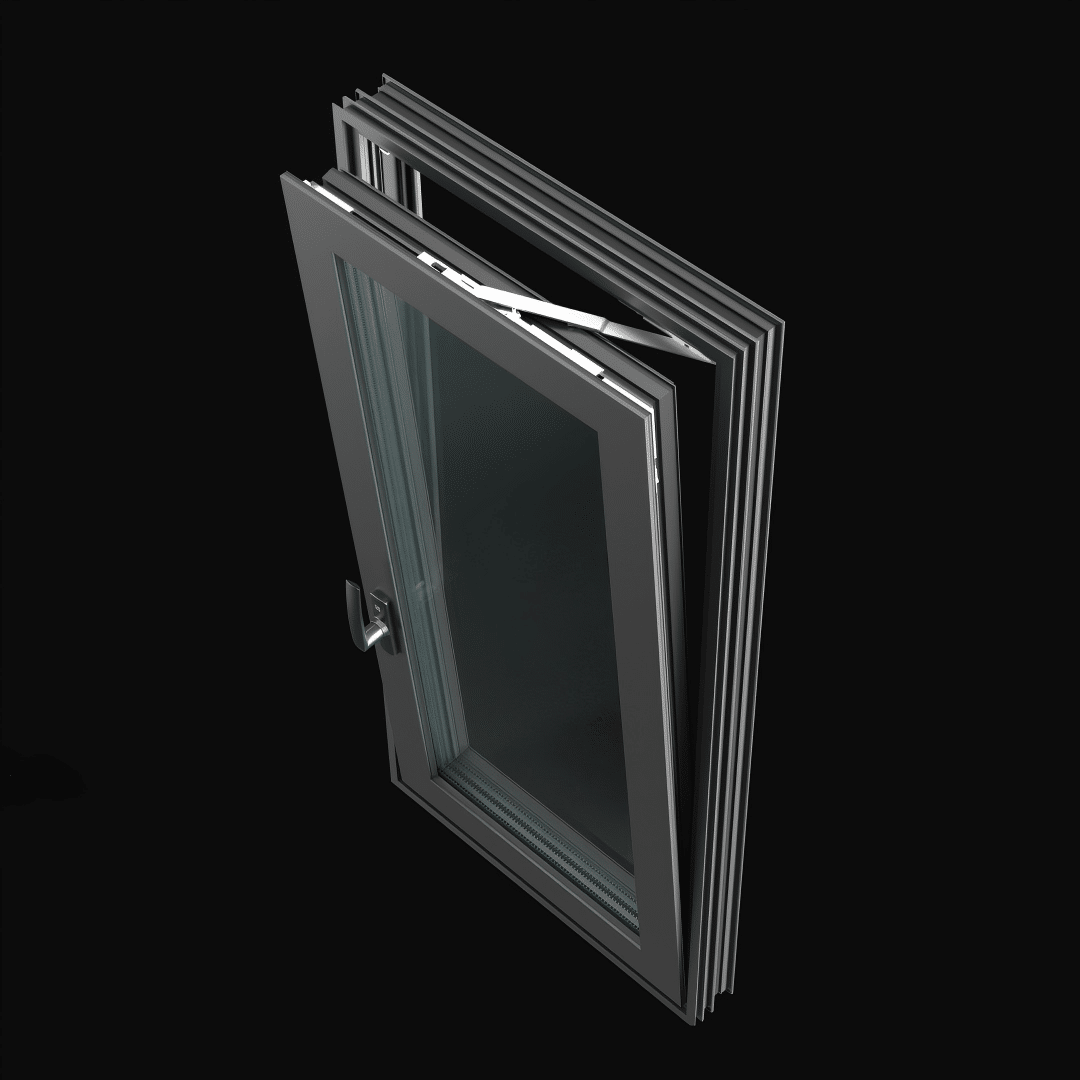
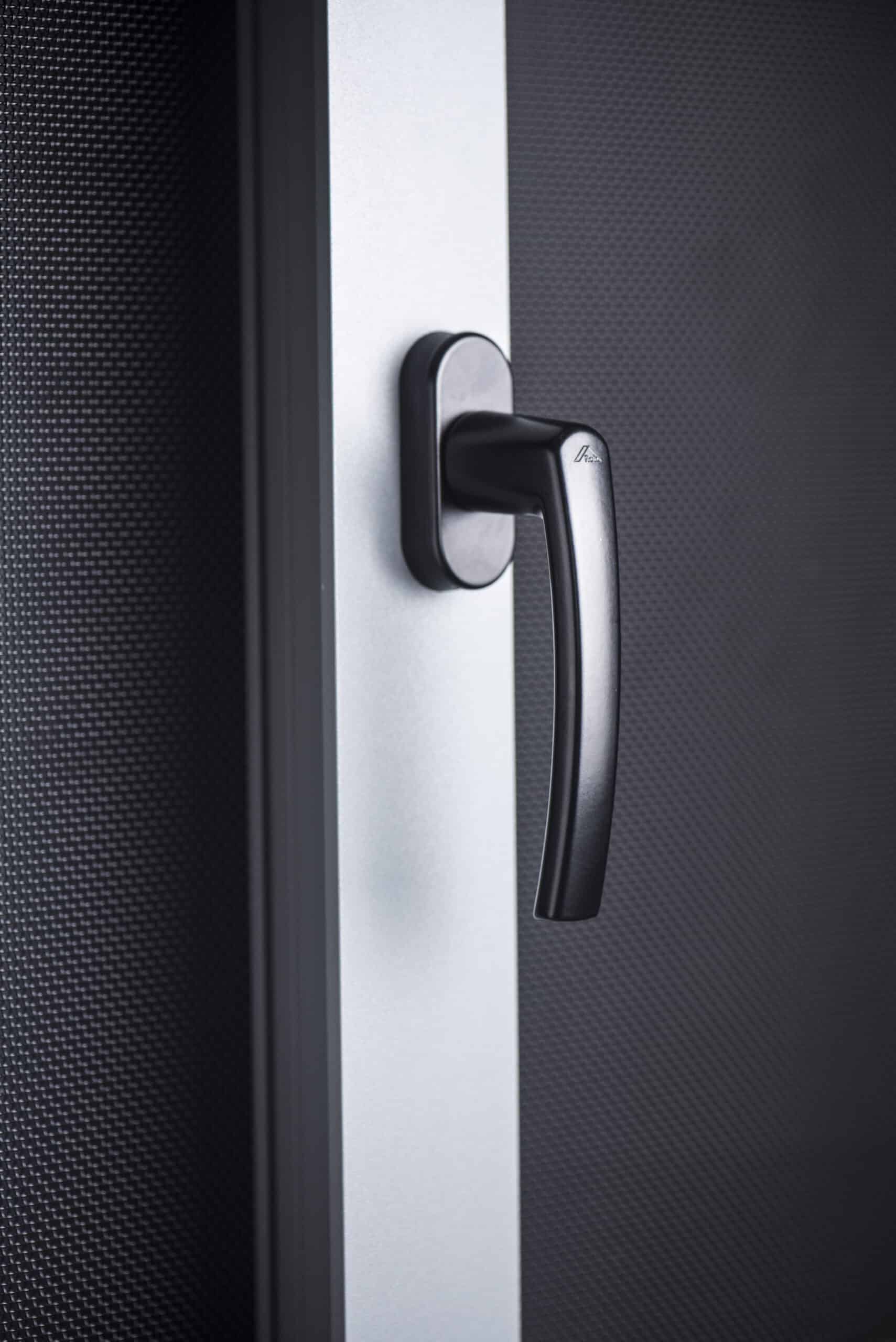
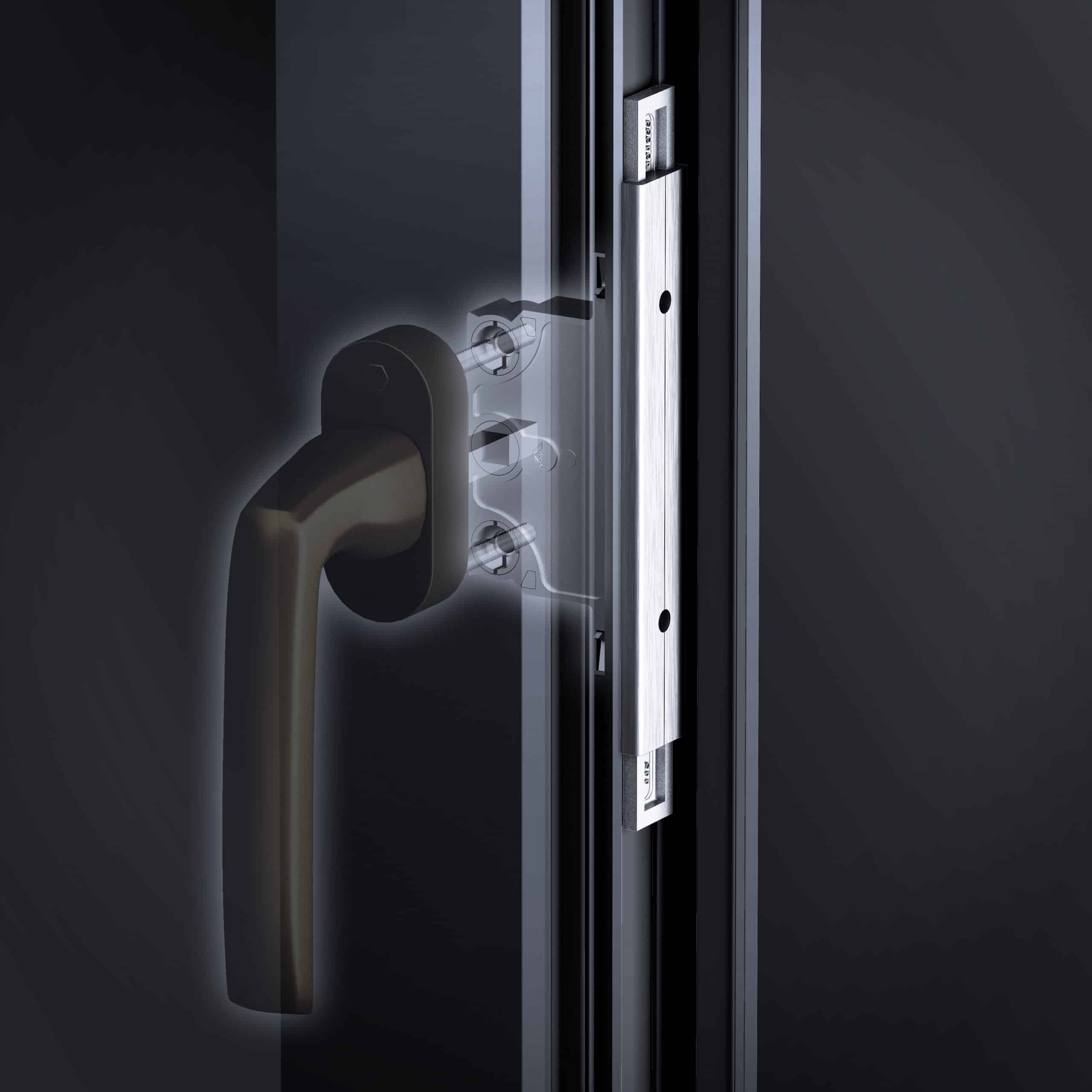
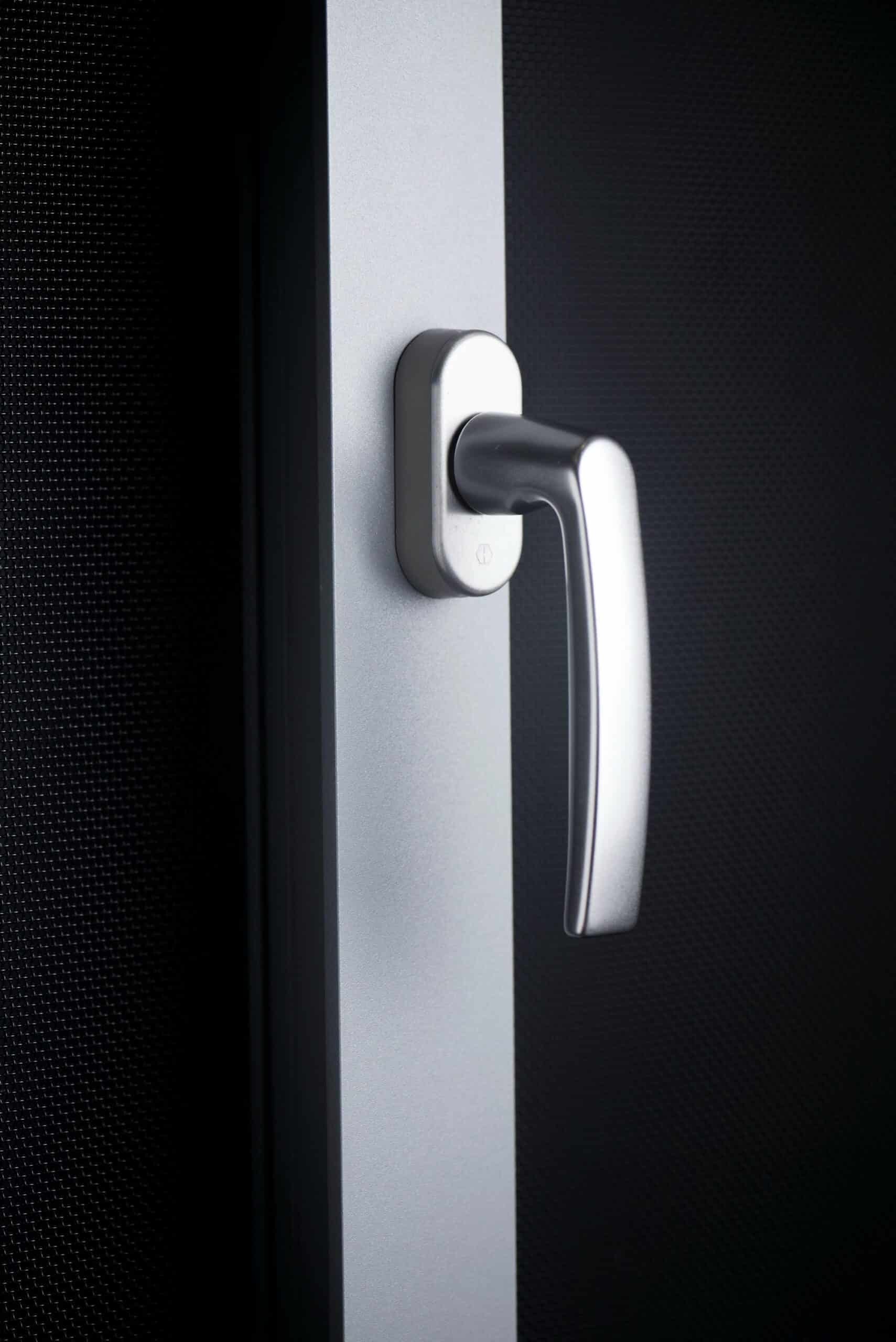
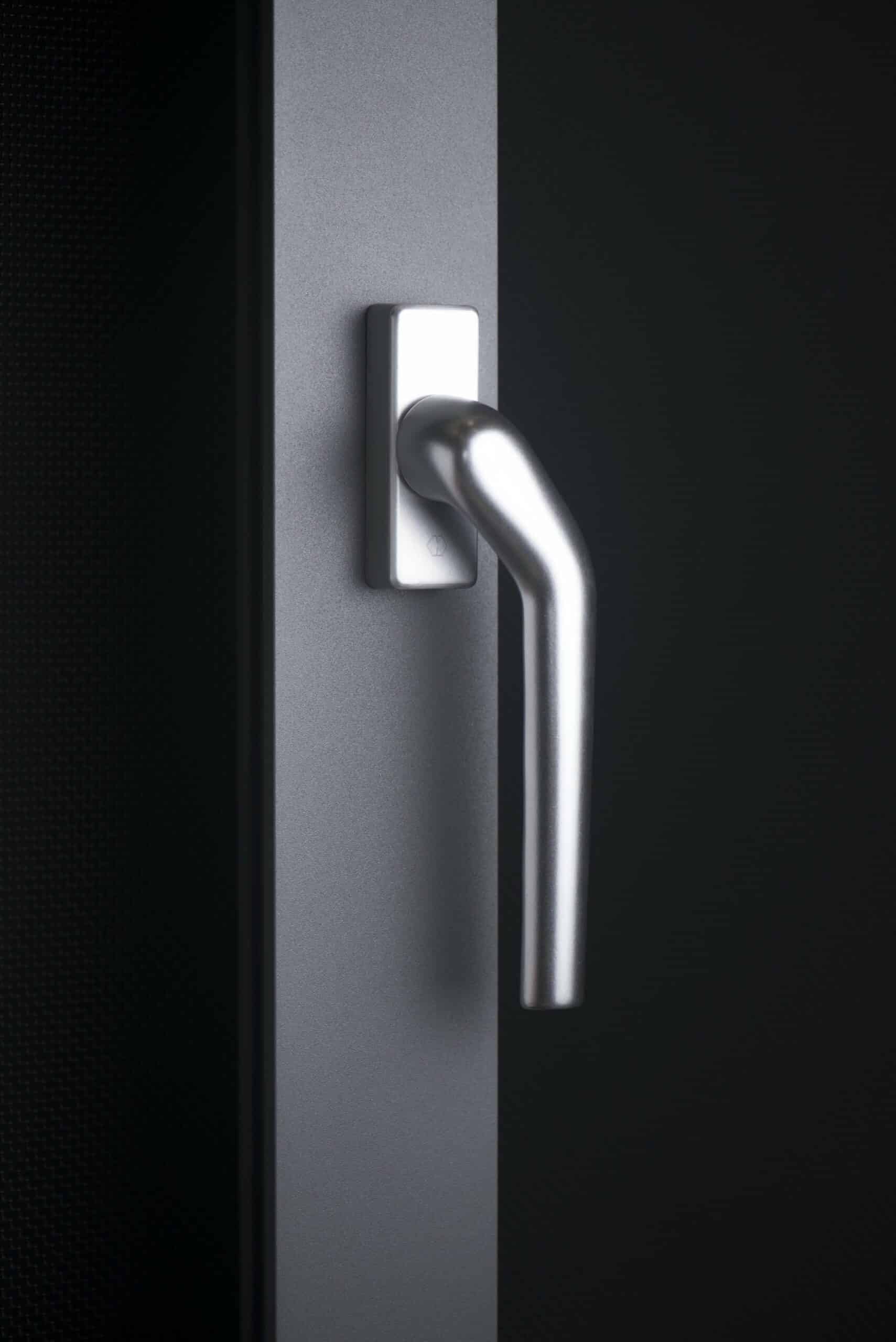
The operational core of these windows relies on a sophisticated perimeter hardware system controlled by a single ergonomic handle. When the handle is pointed downward, the multi-point locking perimeter is fully engaged, securing the sash against the frame. Turning the handle 90 degrees horizontally disengages specific lock points, shifting the load path to the side hinges, allowing the window to turn inward like a traditional casement. Rotating the handle 180 degrees upward shifts the weight distribution to the bottom hinges, allowing the top of the sash to tilt inward at a fixed angle. Understanding these handle positions is crucial for safe and effective operation.
Is the Tilt Position Truly Secure for Nighttime Ventilation?
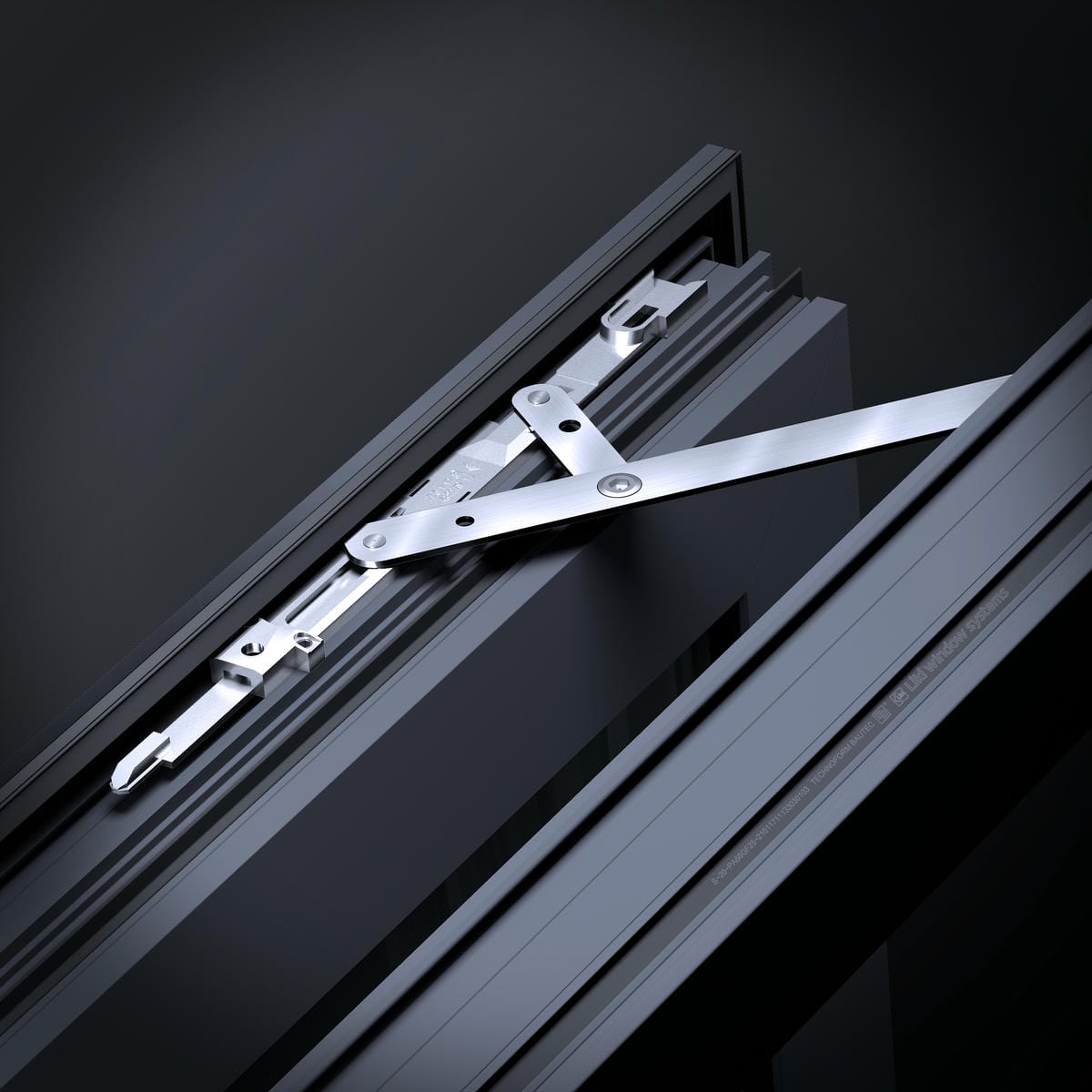
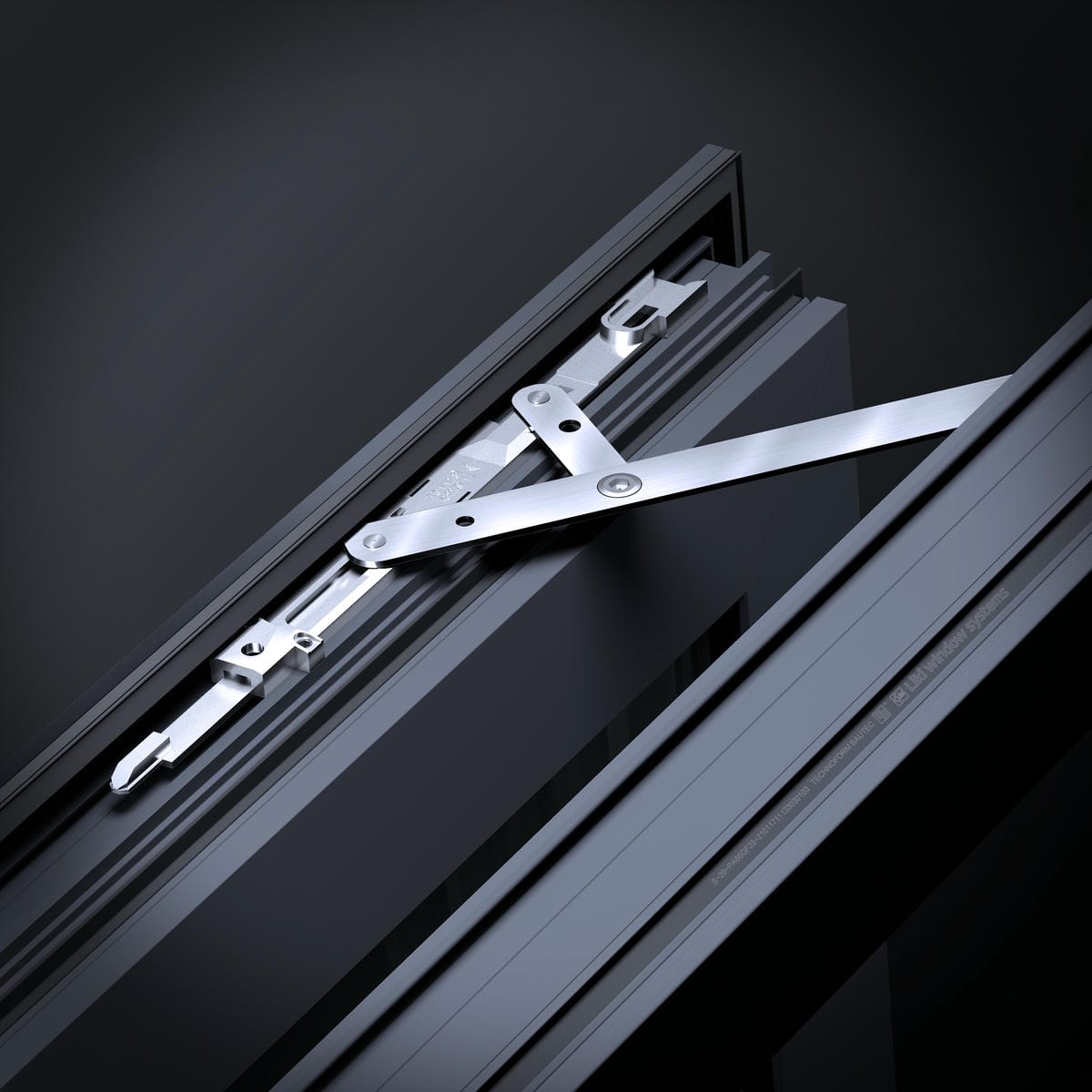
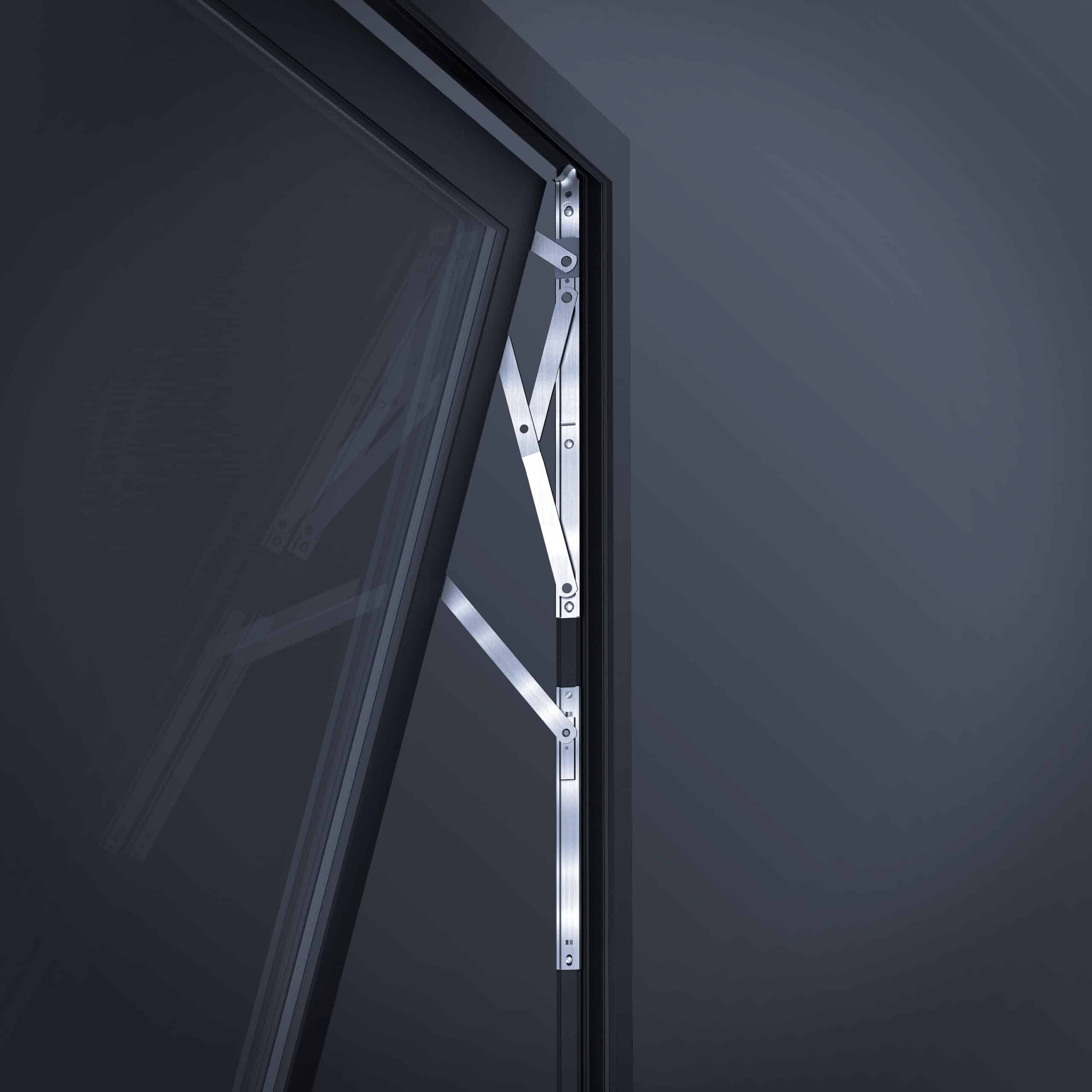
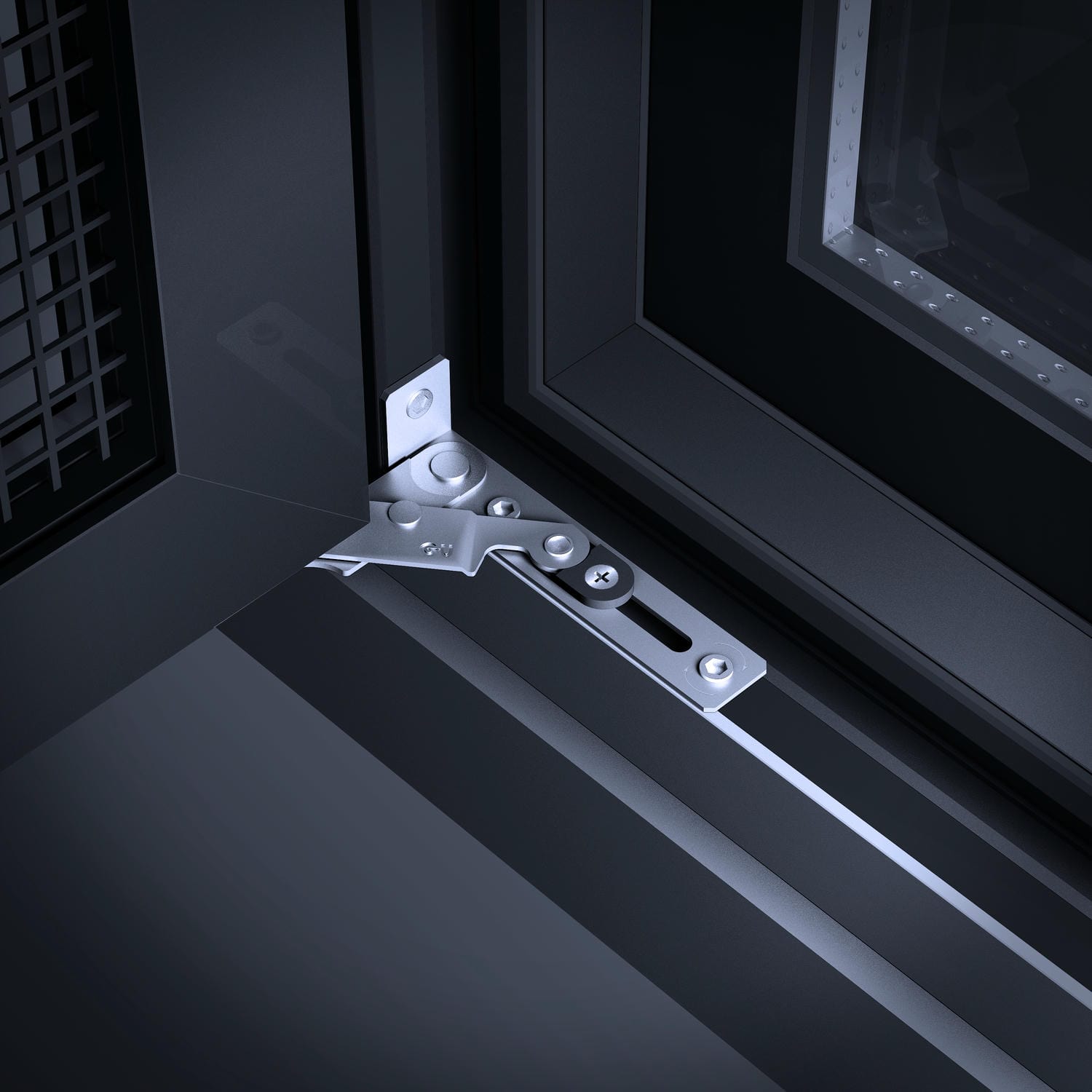
A common misconception is that the “tilt” function simply leaves a window cracked open, vulnerable to intrusion. In reality, the tilt position operates as a fortress of ventilation. The specific tilt gap geometry is restricted (usually between 4 to 6 inches) by heavily engineered steel tilt stays. Because the bottom of the sash remains locked into the frame and the overall load path is rigidly distributed, external manipulation is virtually impossible without specialized tools. This design provides continuous air exchange while maintaining enhanced security, answering the critical need for safe nighttime ventilation in urban environments. For a deeper understanding of the mechanics, review how this relates to secure ventilation load paths.
How Do These Windows Solve High-Rise Exterior Cleaning Hazards?
Maintaining exterior glass in high-rise luxury condos typically presents significant drop hazards and maintenance costs. The inward-turning function provides a safe cleaning path. By swinging the sash fully into the interior space, both the interior and exterior glass surfaces can be cleaned safely from within the room. This eliminates the need for exterior scaffolding or dangerous leaning, though operators must be educated on correct handle use to prevent accidental hinge disengagement during the transition between modes.

How Are These Windows Engineered to Defeat Wind and Driven Rain?
What is an Isobaric Chamber and Why Does It Matter for Water Management?
Water intrusion in high-rise applications is rarely caused by gravity alone; it is driven by kinetic energy and wind pressure. Advanced fenestration relies on the principle of pressure equalization. An isobaric chamber (or pressure-equalized cavity) is engineered directly into the aluminum extrusion profile. When wind-driven rain strikes the facade, the air pressure inside this chamber equalizes with the exterior wind pressure. By neutralizing the pressure differential, the driving force that typically pushes water through tiny crevices is eliminated, allowing gravity to safely direct the moisture down through concealed weep holes.
How Does the Central Weatherstripping Interrupt the Water Path?
Effective water management is not a matter of luck; it is a calculated physical boundary. In premium tilt and turn systems, the primary line of defense is the central weatherstripping (central gasket). Positioned deep within the profile, it divides the extrusion into a wet zone (the exterior-facing isobaric chamber) and a dry zone (the interior-facing hardware cavity). This continuous EPDM or silicone gasket physically interrupts the water path. Even if moisture bypasses the exterior rain screen, the central gasket acts as an impenetrable dam, ensuring the internal locking hardware remains dry and corrosion-free.
Imagine a sudden evening squall rolling across the city skyline. You live on the 32nd floor, and your window is tilted inward to catch the breeze. As the driving rain hits the facade, there is no panic to slam the sash shut. Instead, the engineered isobaric chamber quietly equalizes the pressure, and the central weatherstripping intercepts the moisture before it ever reaches the interior threshold. The water is smoothly diverted down the concealed drainage path and expelled back outside. You remain seated, listening to the rain and enjoying the fresh, cool air, trusting entirely in the physics of the extrusion profile. This is the tangible difference between basic fenestration and a meticulously engineered architectural system.
Why Are Polyamide (PA66) Thermal Breaks Critical for Condensation Control?
Because aluminum is a highly conductive material, it acts as a thermal bridge, rapidly transferring exterior cold into the interior space. To prevent this energy loss and the resulting interior condensation (sweating) during harsh urban winters, the interior and exterior aluminum profiles must be structurally separated. This is achieved using structural polyamide thermal breaks (typically PA66 reinforced with glass fibers). These thermal struts lock the aluminum halves together while acting as an insulating barrier, maintaining comfortable interior surface temperatures and meeting rigorous energy efficiency standards.
What Makes the Glazing and Hardware Ecosystem Secure and Efficient?
How Does Multipoint Locking Distribute the Load Path?
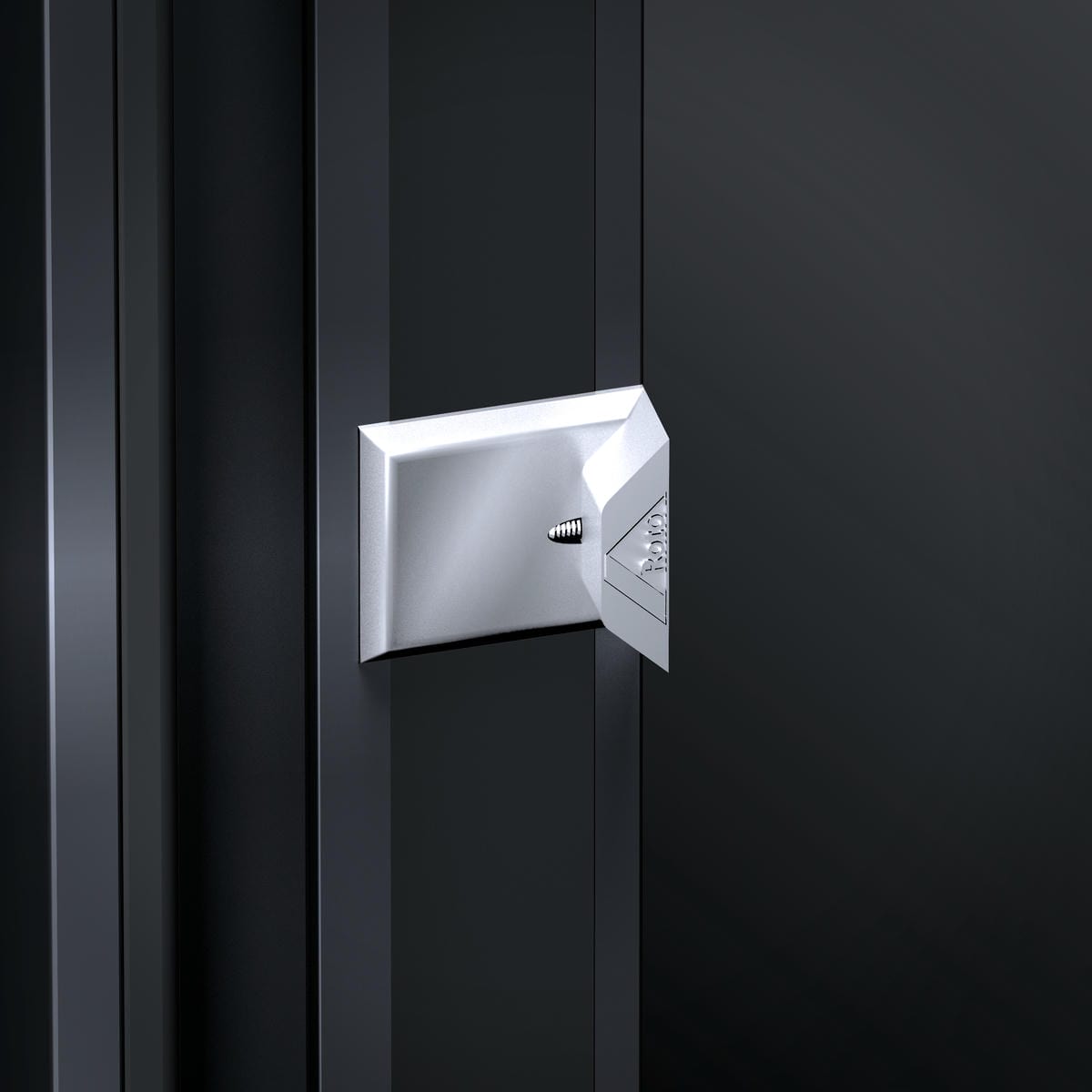
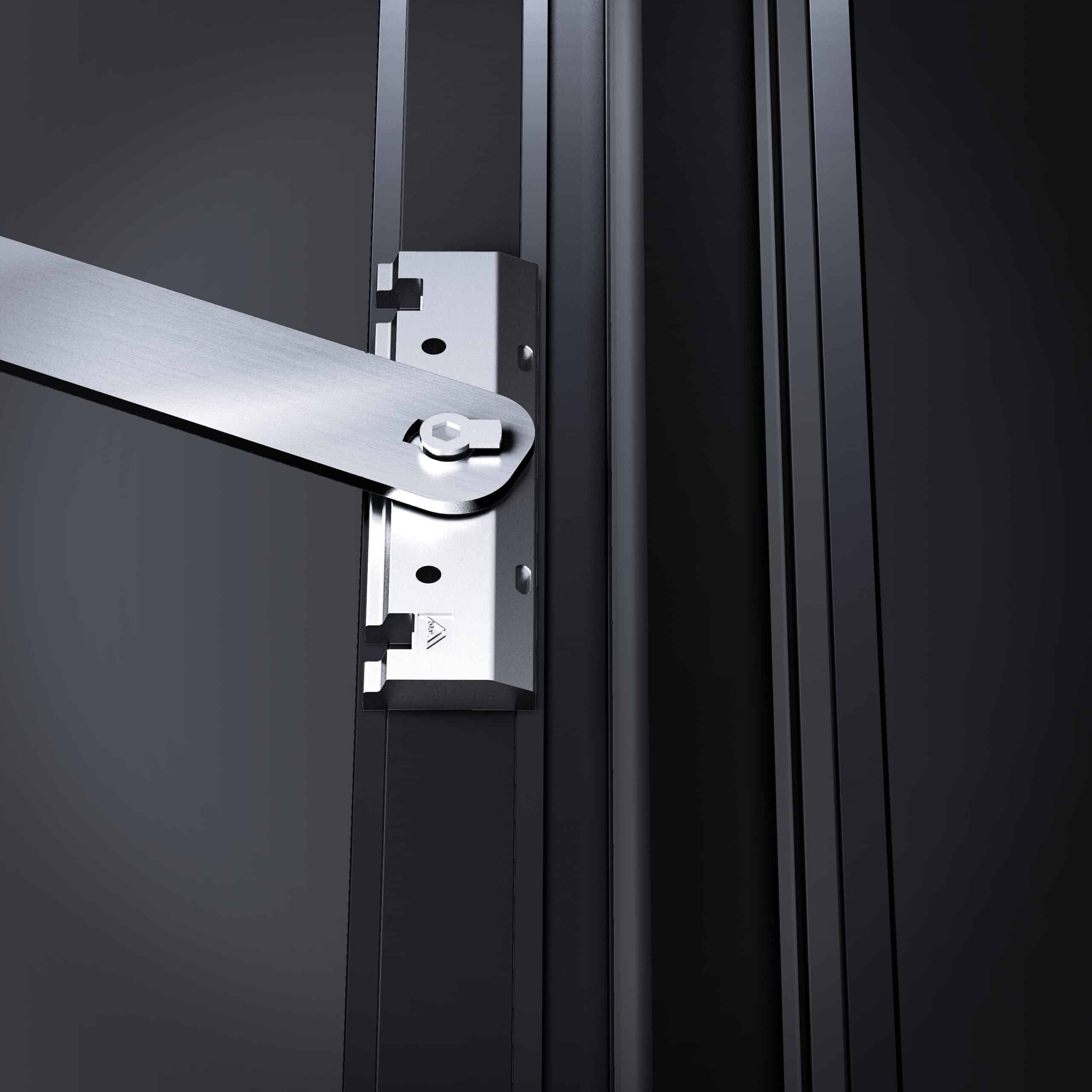
The structural integrity of a custom thermally broken aluminum tilt and turn window relies heavily on its multipoint locking system. Unlike traditional single-point latches, this system utilizes a continuous steel ribbon integrated into the sash perimeter. When engaged, multiple mushroom-head cams (strikers) interlock with steel keeps mounted on the frame simultaneously. This distributed load path ensures that any external force—whether from severe wind loads or attempted forced entry—is spread evenly across the entire frame, drastically reducing the risk of a single point of failure.
What Does an RC2 Security Rating Mean for Intrusion Resistance?
In high-end residential and commercial applications, security is often quantified by European resistance classes (e.g., EN 1627). An RC2 (Resistance Class 2) rating indicates that the window system, when configured with specific glazing and hardware, can withstand an opportunistic attack using simple tools (like screwdrivers or pliers) for at least three minutes. Achieving this level of intrusion resistance requires deeper striker engagement and drill-resistant handles. While manufacturers can provide expert recommendations and engineer systems capable of meeting these rigorous standards, the final choice of hardware configuration and security level always rests entirely with the customer to align with their specific project requirements and budget.
Which Glazing Configurations Best Address Urban Acoustic Challenges?
For luxury urban condos, mitigating street-level noise is as critical as thermal performance. Standard double glazing often falls short in blocking low-frequency traffic noise. Acoustic optimization typically involves asymmetrical glazing—using two panes of glass with different thicknesses to break up different sound wave frequencies. For maximum Sound Transmission Class (STC) ratings, acoustic laminated glass featuring a PVB (polyvinyl butyral) interlayer is integrated into the insulating glass unit (IGU), effectively dampening vibrations and transforming a noisy cityscape into a quiet sanctuary.
What Are the Primary Cost Drivers for Custom Tilt & Turn Systems?
How Do Sash Weight and Oversized Dimensions Impact the Budget?
The most significant variable in custom fenestration is the size-to-weight ratio. Modern architectural designs favor expansive glass surfaces, which exponentially increase the sash weight. A standard hinge might support 80 kg (176 lbs), but oversized sashes require heavy-duty, often concealed, 3D-adjustable hinges rated for 130 kg (286 lbs) or more. Upgrading the hardware ecosystem to safely carry and operate these massive loads without sagging over time is a primary cost driver.
Does Upgrading Hardware for Enhanced Security Increase Costs?
Security upgrades directly affect the budget. Moving from a standard baseline security setup to an RC2-compliant configuration involves adding more locking points around the perimeter, upgrading to hardened steel keeps, and integrating lockable, key-operated handles. The increased density of precision-engineered components naturally drives up the initial investment.
How Do Advanced Glazing Options Affect the Final Price?
The glass unit typically represents the largest surface area of the window. Specifying triple glazing over double glazing adds immediate material and weight costs. Furthermore, selecting specialized low-emissivity (Low-E) coatings tailored for specific solar heat gain coefficients (SHGC), adding argon or krypton gas fills for superior U-factors, or utilizing acoustic laminated glass will incrementally increase the overall system price.
| Specification Category | Standard Configuration Baseline | High-Performance / Oversized Upgrades |
|---|---|---|
| Hardware Capacity | Standard surface-mounted hinges (up to 80kg) | Concealed heavy-duty hinges (up to 130kg+) |
| Security Level | Basic multipoint locking | RC2-ready hardware (mushroom cams, lockable handle) |
| Glazing & Acoustics | Double pane IGU with standard Low-E | Triple pane or acoustic laminated glass (asymmetrical) |
| Dimensional Limits | Standard residential sizes | Customizable based on project requirements |

How Does LIKI Engineer Custom Tilt & Turn Solutions for Complex Projects?
How Do LIKI Profiles Optimize Hardware Load Paths?
To safely accommodate oversized sashes and specialized acoustic glass, the extrusion profile must be flawless. LIKI engineers custom thermally broken aluminum frames with reinforced chamber walls specifically designed to optimize the load paths of heavy-duty hardware. For projects demanding enhanced intrusion resistance, we frequently suggest integrating precision German-engineered Roto hardware, which utilizes deep-biting mushroom cams and robust steel keeps to establish a secure perimeter. However, we firmly believe that project requirements dictate the final specification; therefore, the customer always retains the final choice over the hardware configuration to best suit their specific security and budgetary needs.How Does LIKI’s Extrusion Design Handle High-Rise Wind Loads?
Water management in urban high-rises requires exact engineering. The LIKI tilt and turn system features a meticulously designed isobaric chamber paired with an EPDM central weatherstripping that physically interrupts the driving rain path. By precisely equalizing internal cavity pressure with external wind loads, our profiles ensure that internal hardware remains protected even during severe weather events. For projects requiring stringent thermal compliance, NFRC certification is available for specific system configurations, depending entirely on the chosen glazing makeup and overall dimensions.Where Are Tilt & Turn Windows Most Effectively Applied?
Why Are They the Standard for Luxury Urban Condos?
Custom thermally broken aluminum tilt and turn windows are the definitive choice for modern urban living. They address the trifecta of high-rise challenges: the need for draft-free, secure nighttime ventilation without compromising safety; the demand for rigorous acoustic insulation against street noise; and the logistical necessity of a safe, inward-swinging cleaning path.What Should Architects Include in the Submittal Checklist?
When specifying these systems for a commercial or high-end residential build, architects should ensure the submittal explicitly details the following parameters to guarantee performance:- Intrusion Resistance: Specify hardware requirements and striker density (e.g., RC2-capable configurations).
- Air and Water Tightness: Require documentation on the isobaric chamber design and central weatherstripping performance.
- Hardware Specifications: Clearly outline the required hinge capacity (e.g., 130kg concealed) and handle operation types.
- Glazing Makeup: Detail the IGU thickness, acoustic laminated requirements (STC ratings), and thermal break depth (PA66).