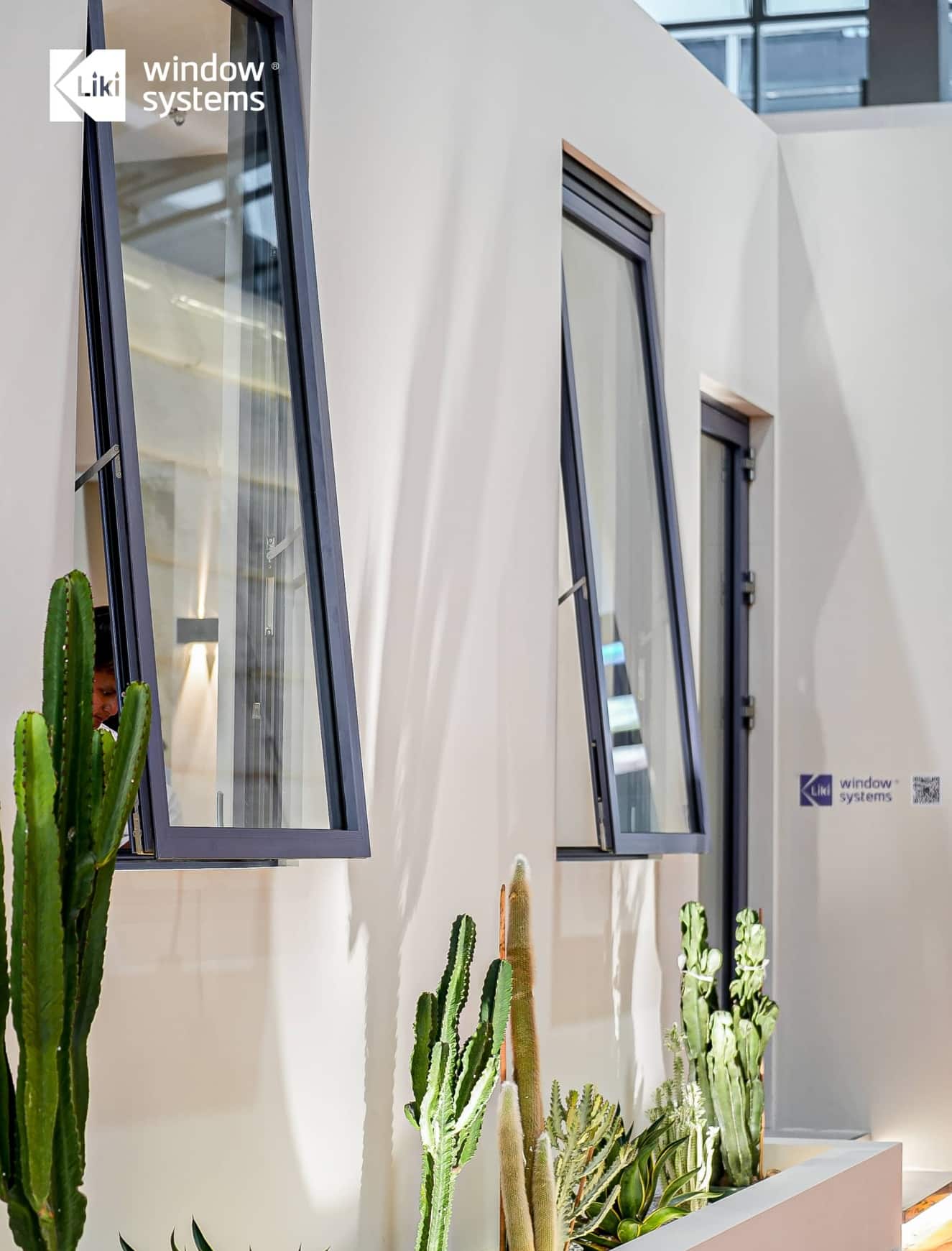
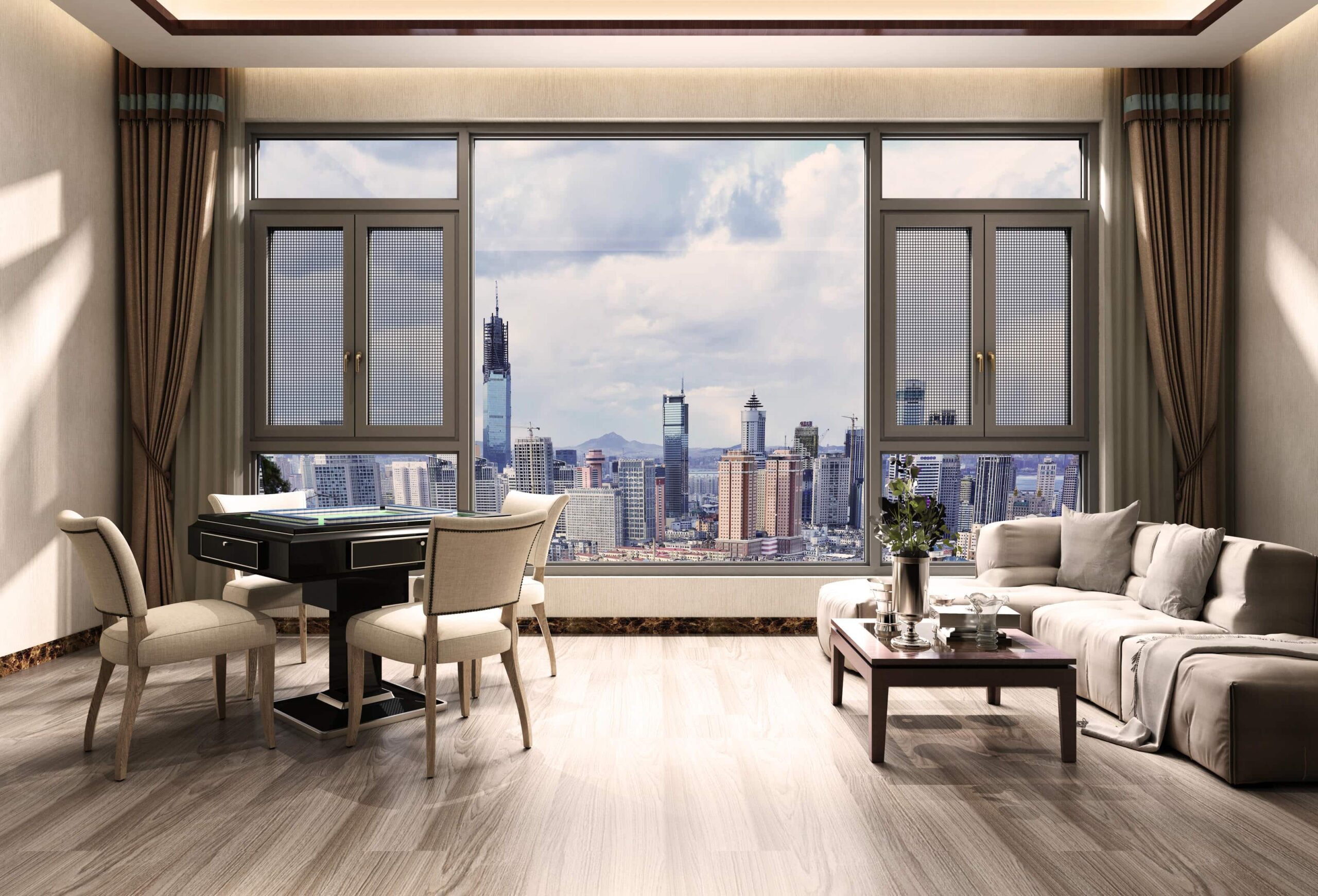
The Smarter Choice for Rain-Safe Ventilation and Modern Architectural Design.
High-Performance Aluminum Awning Windows
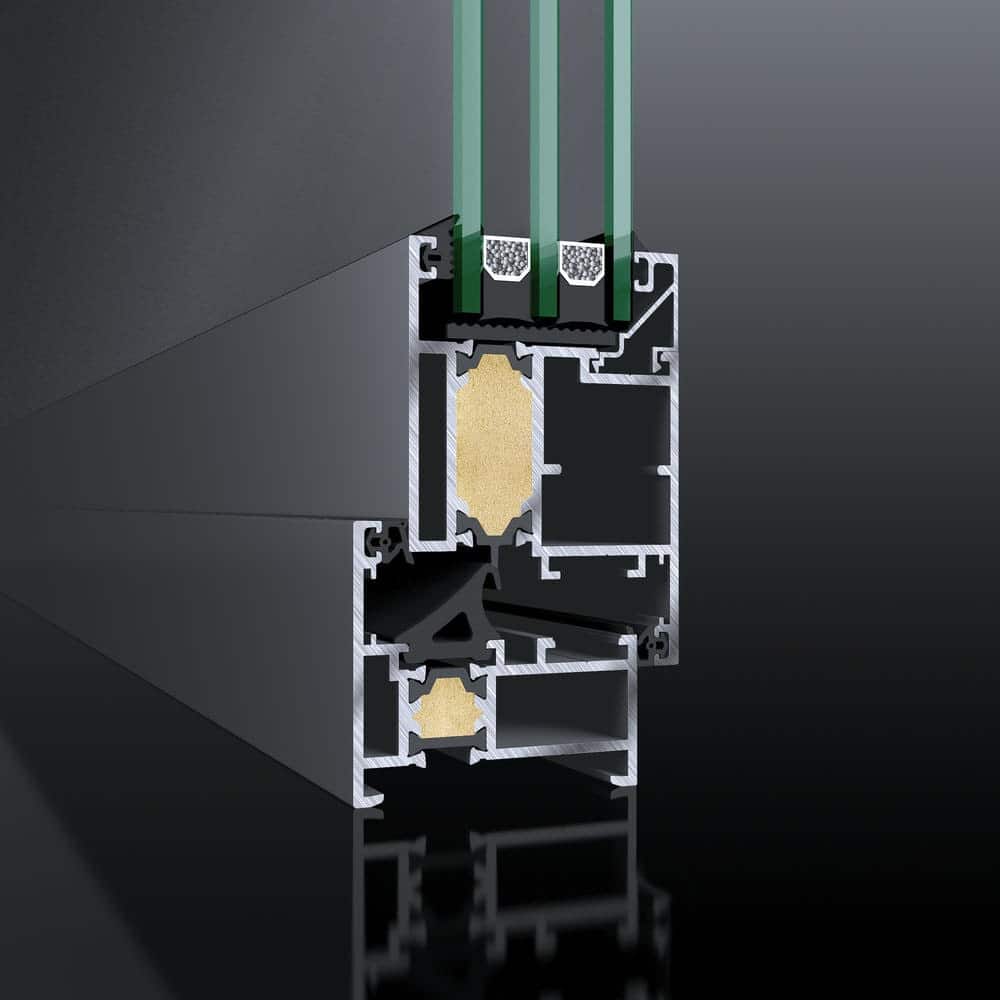
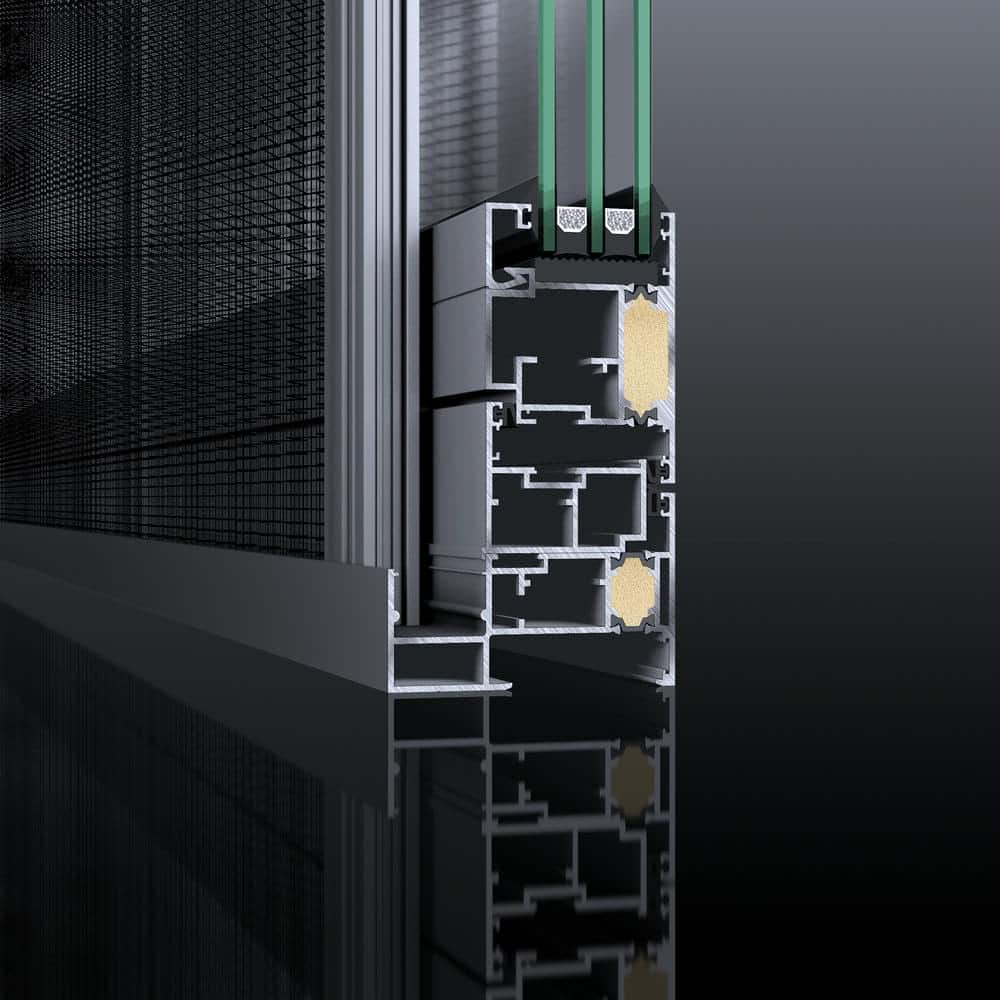
As a premier System Window provider, LIKI offers a refined awning solution that perfectly balances natural airflow with high-end durability. Built with 6063-T66 Primary Aluminum and protected by AkzoNobel coatings, this system is designed for homeowners and architects who value functional beauty and long-term peace of mind in any North American weather condition.
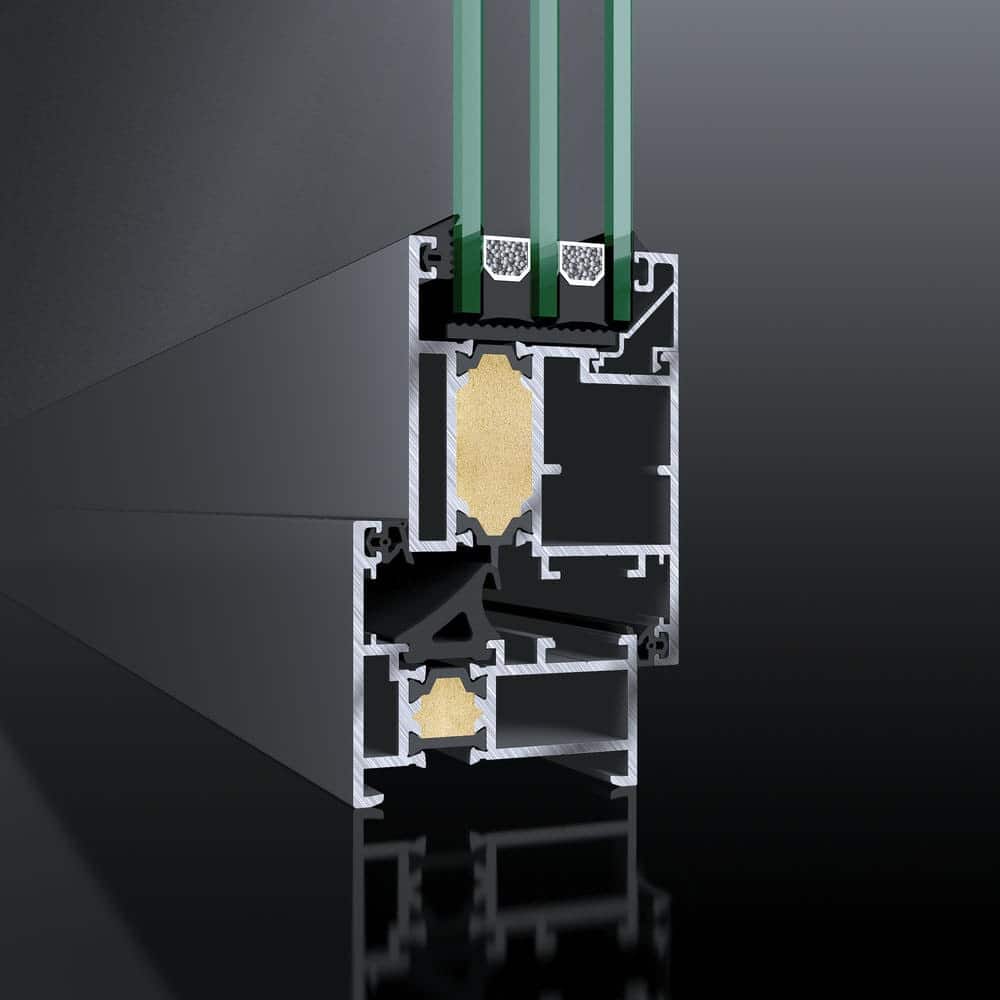
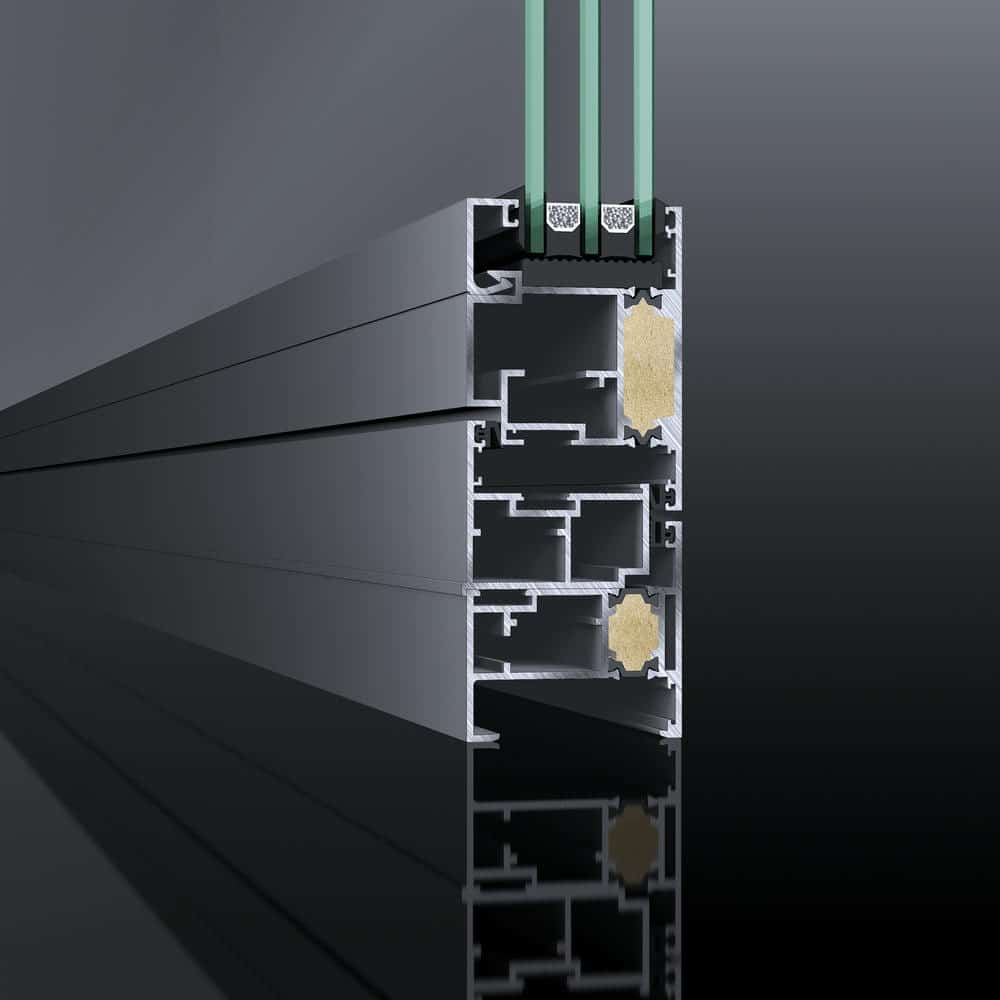
LIKI offers a versatile range of aluminum awning platforms designed to meet diverse architectural and performance requirements across North America. From the cost-efficient non-thermal 50 Series for commercial projects to our NFRC-certified 130ZKW flagship, every system is built with high-precision 6063-T66 aluminum and utilizes Technoform thermal break technology to ensure superior energy efficiency and structural stability under extreme ASTM testing standards.
Engineer rain-resistant ventilation through a cost-efficient Awning Window system designed for repetitive commercial applications.
●System Adaptability: Robust aluminum frame platform supports standardized fabrication and stacked installations without increasing system complexity.
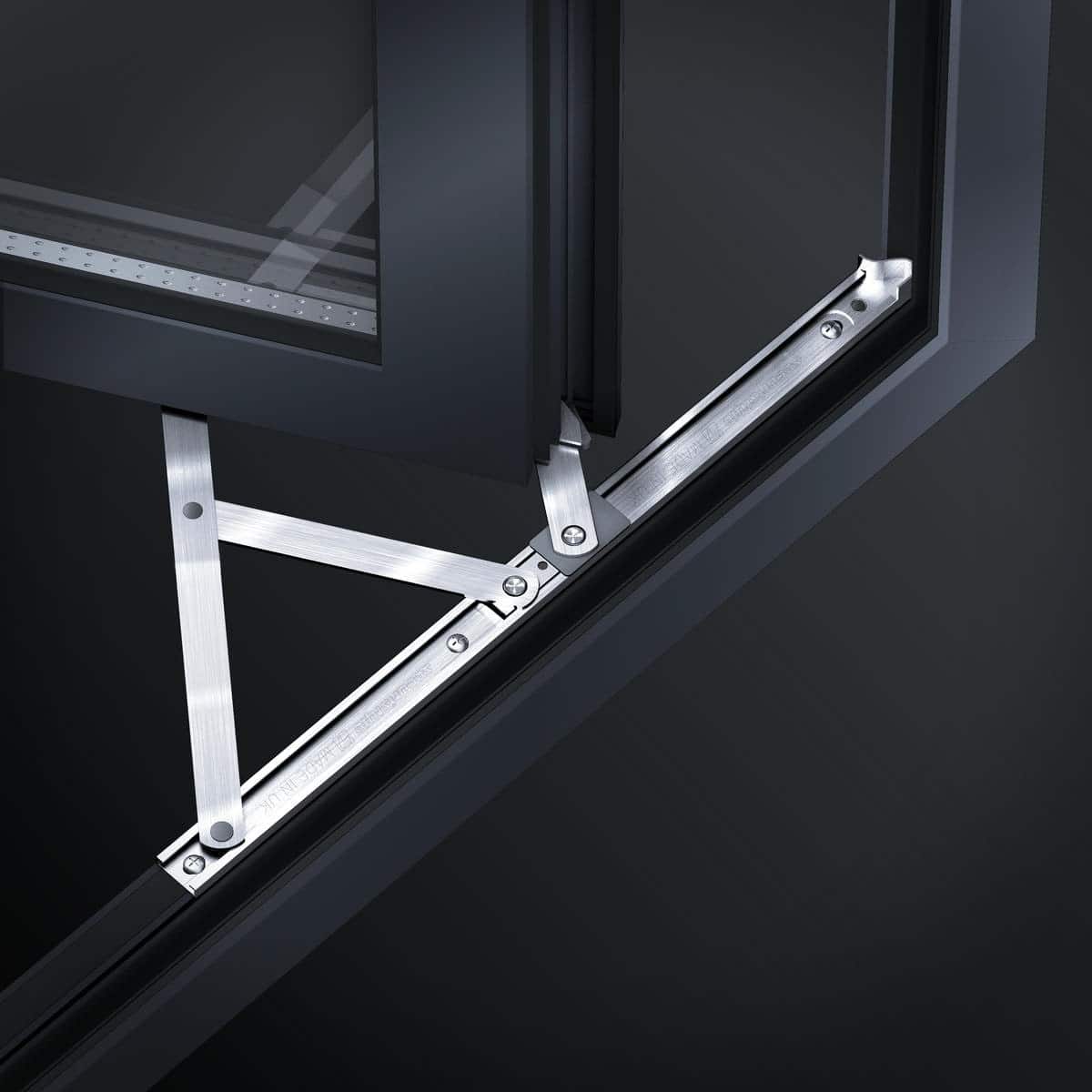
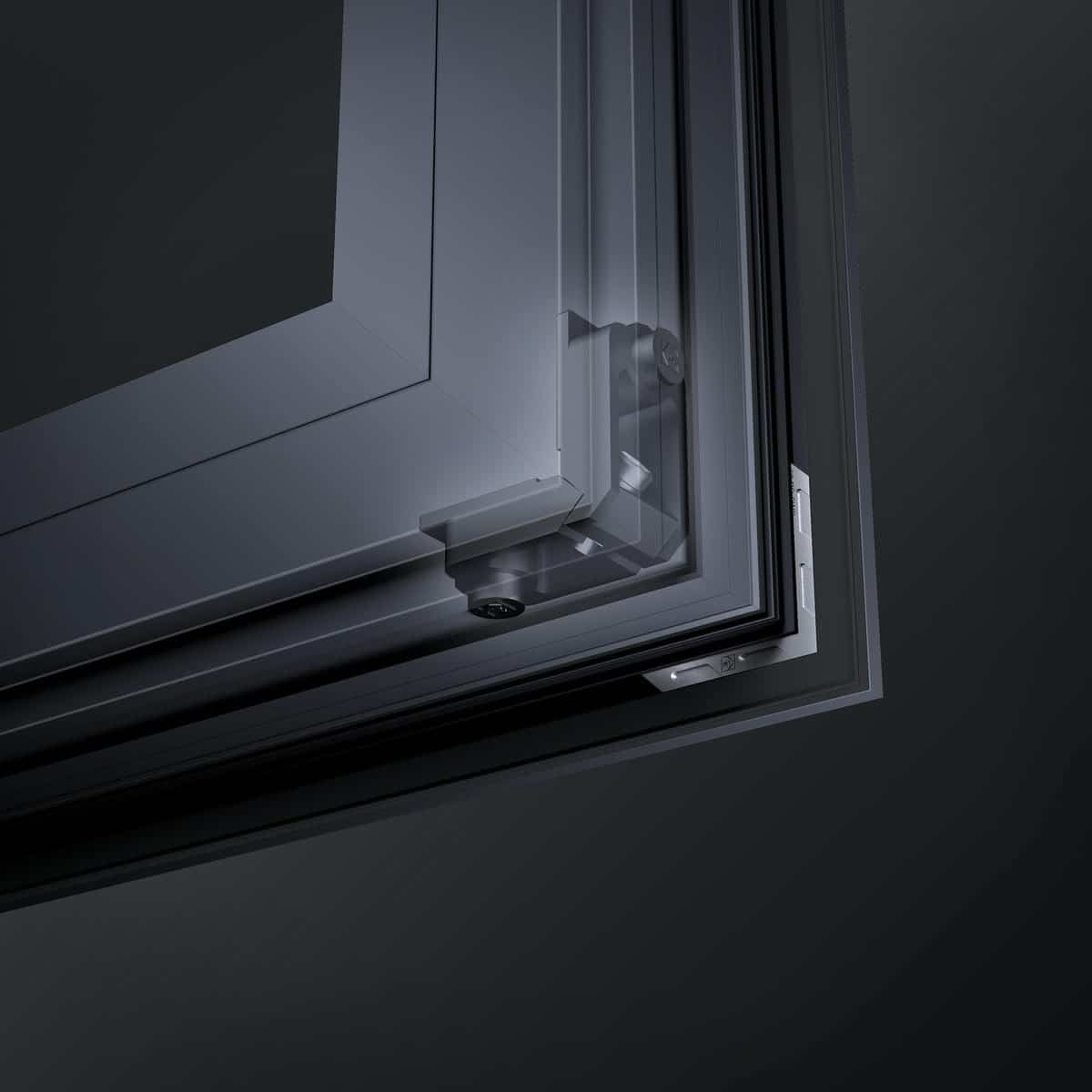
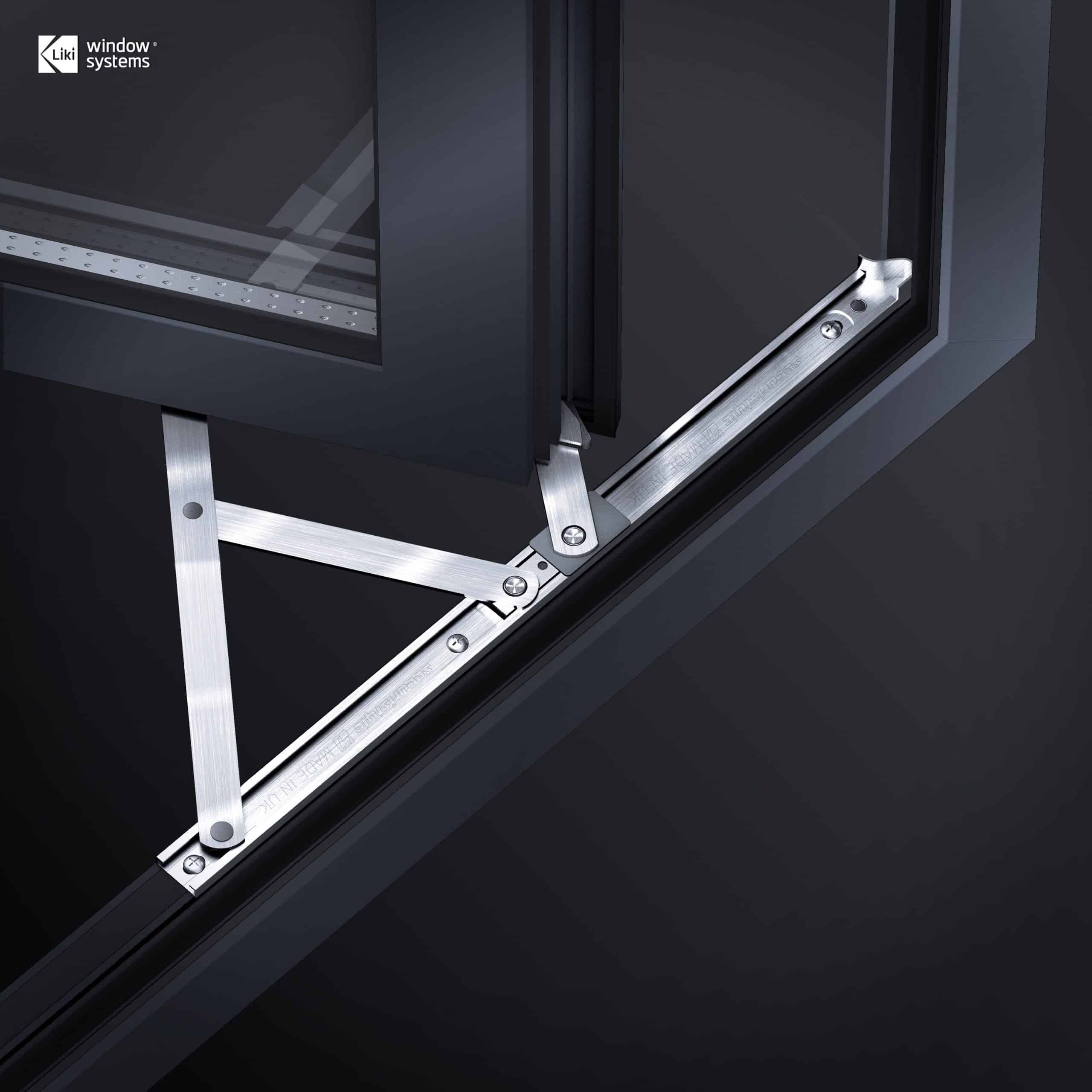
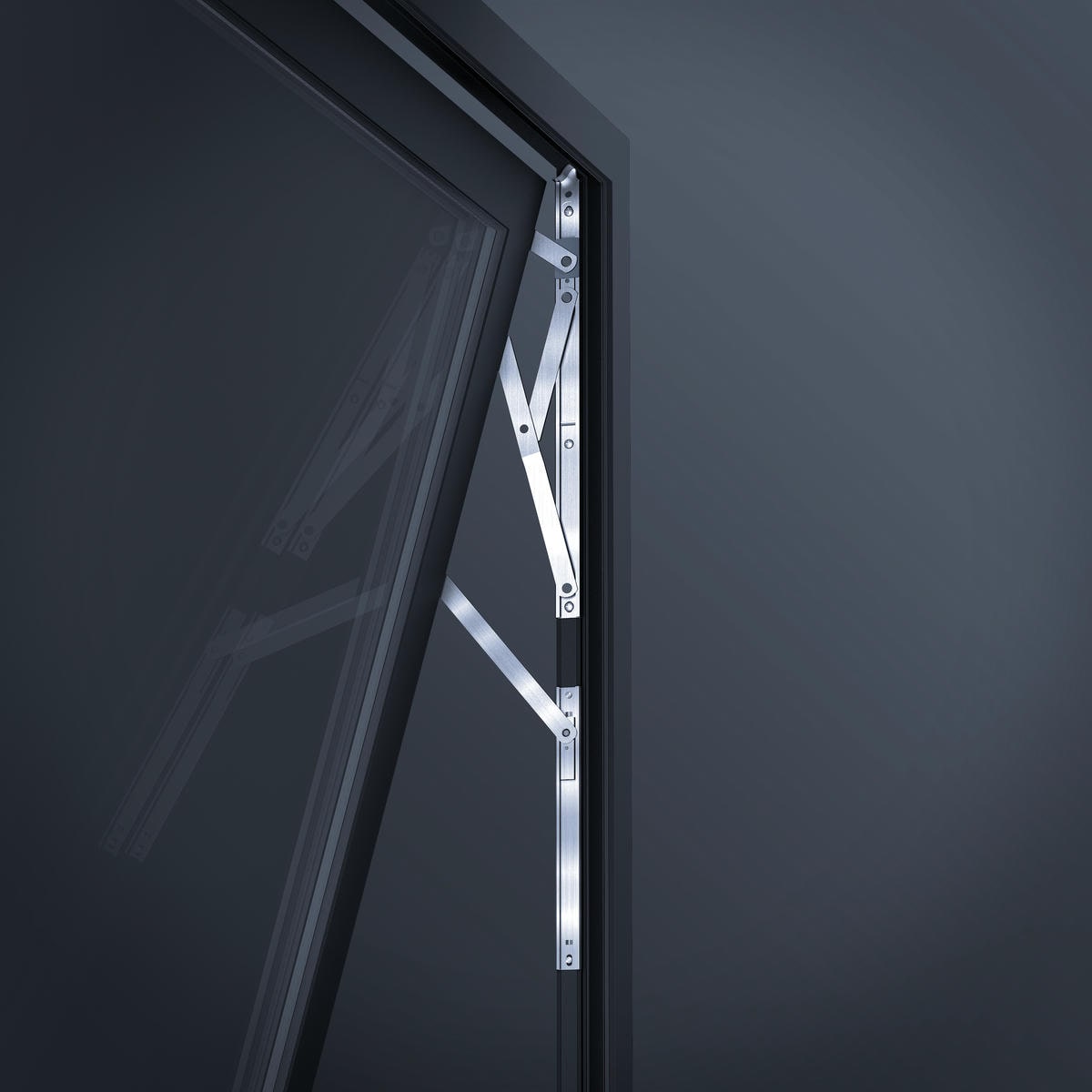
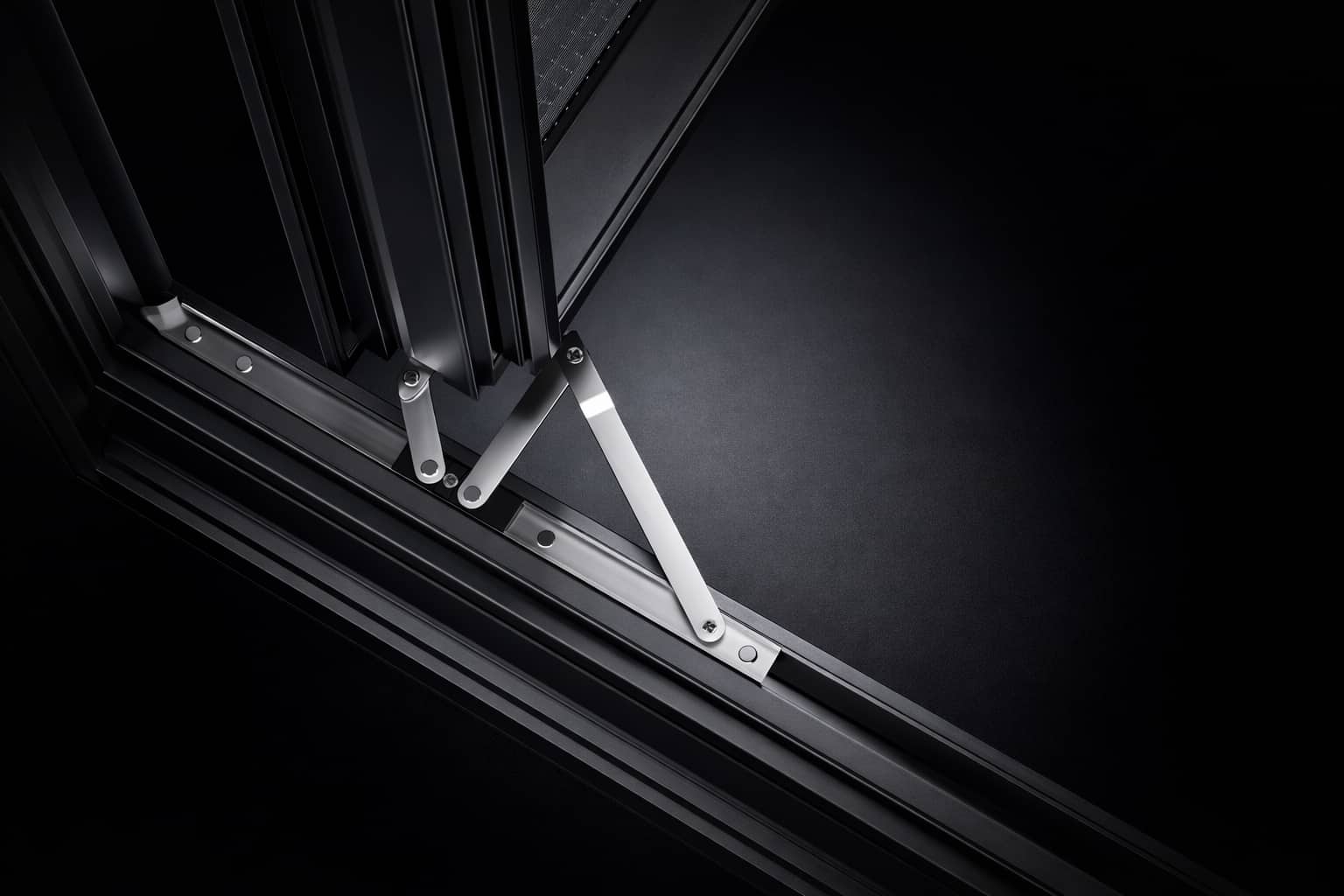
●Load-Controlled Hardware: Friction stays or heavy-duty hinge options control sash movement and retain opening stability under wind and rain conditions.
●Verified Performance: Evaluated to ASTM E330 with structural resistance up to DP 94 PSF and 11.5 PSF water resistance for commercial-grade applications.
50 Series
Essential Awning Window
The ultimate entry-level solution for rain-safe ventilation. A reliable, non-thermal awning system engineered for cost-sensitive projects without compromising on structural stability.
Rain-Safe VentTop-Hung Outward Opening
High-Rise AnchoredT66 Structural Stability
Wind StabilityClass P3 (±4.5 kPa) Rating
Space OptimizerZero Interior Footprint
Configuration Options
H-System HingeTraditional Hardware
Custom ColorAkzoNobel® Powder
Insect ScreenOptional Concealed
Friction StayFS System Option
Opening Layouts
⎗ Awning / Top-Hung
↓ Bottom-Out Operation
☁ Light Rain Ventilation
📐 Controlled Angle
HARDWAREFS (Friction) / H (Hinge) System
PROFILENon-Thermal 6063-T66 Aluminum
SEALINGEPDM + TPE Composite
FINISHAkzoNobel® / PPG® Coating
Ideal Applications
🏙️ High-Rise Apartments
🏨 Hotel Guestrooms
🚿 Bathrooms & Kitchens
💰 Budget-Sensitive Projects
Rain-Proof Venting: Top-hinged design allows consistent airflow even during light rain, keeping the interior dry and fresh.
●Load-Controlled Hardware: Friction stay hardware controls sash opening under wind pressure, with loads confined to the primary load-bearing chamber.
●Verified Performance: Evaluated to ASTM E330 with structural resistance up to DP 63 PSF and 11.5 PSF water resistance using a multi-chamber EPDM sealing system.
60 Series
Essential Thermal Awning Window
Balanced performance meets rain-resistant logic. A mature thermal break awning system designed for residential stability, safety ventilation, and streamlined project costs.
Rain-Safe VentTop-Hung Shielding
Thermal Shield0.63" (16mm) Technoform®
Wind StabilityClass P3 Performance
Steady Core6063-T66 Aluminum
Configuration Options
Dual-ToneInterior/Exterior Color
Insect ScreenIntegrated Option
LimitersSafety Angle Control
Low-E GlassNFRC-Certified Paths
Opening Logic
⎗ Awning / Tilt-Out
↓ Top-Hung Operation
☁ All-Weather Venting
📏 Hardware-Limited Opening
HARDWAREStandard FS Hinge System
THERMAL BARRIERTechnoform® Polyamide
SEALINGMulti-Layer EPDM Composite
FINISHAkzoNobel® / PPG® Grade
Ideal Applications
🏠 Residential Bedrooms
🚿 Kitchens & Bathrooms
🏢 Mid-Rise Residences
💰 Cost-Sensitive Housing
Reliable Thermal Barrier: Integrated 0.63" (16mm) Technoform® strips provide effective thermal bridging reduction for standard energy requirements.
Optimized Drainage: Specifically engineered for the awning window operation, ensuring safe water diversion during rainy day ventilation.
Structural Reliability: Crafted from 6063-T66 aluminum with a frame depth of 2.36" (60mm) to balance structural adequacy with visual proportion.
Seal Protection: Multi-layer EPDM sealing system designed for stable compliance and long-term weather resistance.
Engineer improved thermal performance through a mid-rise Awning Window system positioned between standard and high-performance platforms.
●System Adaptability: Deepened thermal frame platform builds on the 60 Series logic, increasing insulation capacity without changing fabrication or installation workflows.
●Load-Controlled Hardware: Friction stay hardware supports the wider thermal sash and maintains controlled opening geometry under wind and rain exposure.
●Verified Performance: Evaluated to ASTM E330 with structural resistance up to DP 63 PSF and 11.5 PSF water resistance, stabilized by Technoform® Thermal Breaks and EPDM sealing.
65 Series
Thermal Shield Awning Window
Enhanced efficiency meets all-weather logic. An upgraded thermal-break awning system designed for superior insulation, rain-safe ventilation, and value-engineered stability.
Insulation Plus0.94" (24mm) Technoform®
Storm-Safe VentTop-Hung Shielding
Stable Grade6063-T66 Aluminum
Quiet GuardMulti-Layer EPDM Seal
System Configurations
Dual-Tone FinishInterior/Exterior Color
Security ScreensIntegrated Mesh Options
Safety LimitersControlled Opening
Low-E GlazingEnergy-Optimized Paths
Opening Logic
⎗ Awning / Tilt-Out
↓ Top-Hung Operation
☁ Rain-Resistant Venting
📏 Angle-Controlled Flush
HARDWAREStandard FS Hinge System
THERMAL BARRIERTechnoform® 24mm (Germany)
SEALINGEPDM Multi-Layer Composite
FINISHAkzoNobel® / PPG® Grade
Ideal Scenarios
🏠 Residential Bedrooms
🏙️ Mid-Rise Living
🌡️ Comfort-Sensitive Projects
💰 Value-Engineered Insulation
Enhanced Thermal Shield: Upgraded 0.94" (24mm) Technoform® polyamide strips deliver improved whole-window energy performance over standard entry-level systems.
Safe-Flow Venting: Top-hung configuration allows for continuous airflow even during rainy weather while keeping interior spaces dry.
Proven Reliability: Built on a mature 2.56" (65mm) structural platform with 6063-T66 aluminum for long-term sash stability.
Pressure-Balanced Logic: Multi-layer EPDM sealing circuit optimized specifically for awning operations to maintain stable airtightness.
Performance & Testing Compliance
70 Series: High-Rise Serviceable Awning Window System
Engineer high-rise ventilation through a thermally broken Awning Window system designed for interior-side glazing service.
●System Adaptability: Flat-aligned frame geometry maintains façade continuity while enabling interior access for glass replacement in high-rise applications.
●Load-Controlled Hardware: Friction stays or heavy-duty hinges control sash movement under wind exposure, with loads isolated inside the primary load-bearing chamber.
●Verified Performance: Evaluated to ASTM E330, stabilized by Technoform® Thermal Breaks and multi-chamber EPDM sealing for high-rise conditions.
Architectural precision for the high-rise horizon. A mid-to-high level awning system featuring flush-frame aesthetics and interior-serviceable glazing for uncompromising safety and design.
High-Rise GradeUp to 0.26" (6.5mm) Wall
Flush AestheticsSash & Frame Co-Planar
Interior GlazingSafe High-Floor Service
Storm-ReadyClass P3 Wind Armor
Professional Upgrades
Smart AutomationOptional Motorization
Thermal CoreTechnoform® 12-16mm
Concealed MeshIntegrated Protection
Heavy-Load H-HingeFor Oversized Sashes
Opening Logic
⎗ Awning / Tilt-Out
↓ Top-Hung Sash
☁ Rain-Resistant Vent
📏 Angle-Limited Safety
HARDWARERoto® / GU® / Sobinco®
THERMAL BARRIERTechnoform® Polyamide
SEALINGMulti-Layer EPDM Composite
FINISHAkzoNobel® / PPG® Certified
Ideal Scenarios
🏙️ High-Rise Residences
🏛️ Institutional Projects
🌪️ Hurricane-Prone Zones
💎 Luxury Façade Alignment
Interior Glazing Stop: Engineered with an interior glazing bead structure, allowing glass installation and maintenance to be completed safely from inside the building.
Flush Frame-and-Sash: Unique architectural design ensures the frame and sash align on a perfectly flat plane when closed, maintaining elite facade consistency.
Bunker Strength Wall: Robust profile wall thickness up to 0.26" (6.5mm) provides extreme structural rigidity for oversized sashes at height.
Acoustic Shielding: High-density sealing paths deliver premium urban comfort with a sound insulation rating of Rw ≈ 40 dB.
100-95 Series: Integrated Screen Awning Window System
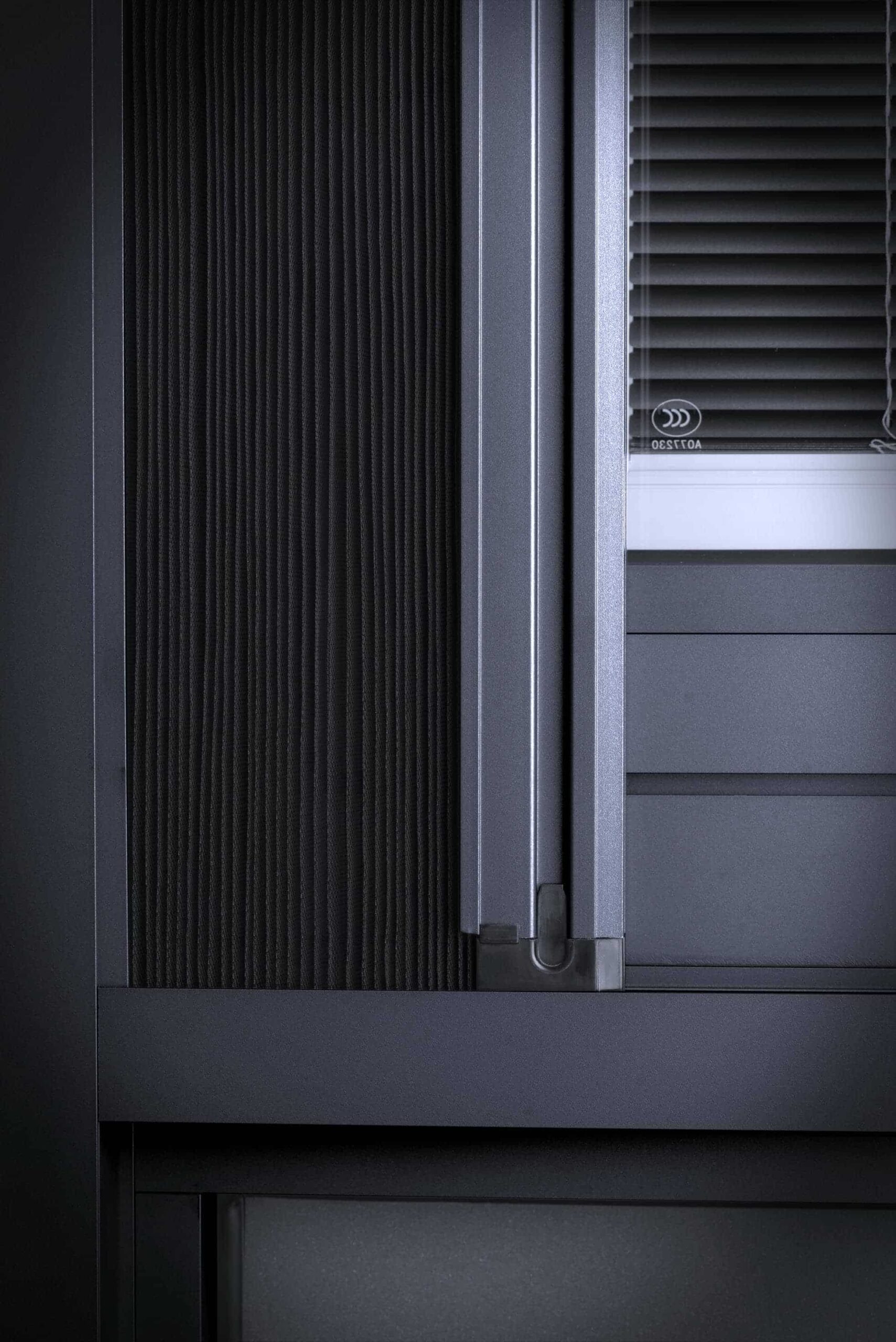
Engineer rain-resistant ventilation with an integrated insect screen at the system level—maintaining airflow control without external attachments.
●System Adaptability: Unified 4-inch structural frame integrates glazing and screen functions within one system profile, maintaining façade clarity without secondary products.
●Load-Controlled Hardware: Awning-specific hardware supports controlled opening under wind and rain, with screen loads isolated from the primary load-bearing chamber.
●Verified Performance: Tested to ASTM E283 / E330 / E331 with structural resistance up to DP 94 PSF, stabilized by Technoform® Thermal Breaks and EPDM sealing.
100-95 Series
Fortress Integrated Awning
Architectural grace meets high-rise resilience. A system-level fusion of safety ventilation and native insect protection, engineered for the most demanding architect-led projects.
Storm ShieldRain-Safe Ventilation
Integrated GuardNative Screen System
Flush PrecisionSeamless Co-Planar Sash
Acoustic ArmorRw ≈ 40 dB Performance
Project Customization
Venetian BlindsOptional Integrated
Dual-Tone FinishCustom Int/Ext Color
Thermal CoreTechnoform® Polyamide
Reinforced WallUp to 0.26" Thickness
Opening Logic
⎗ Awning / Top-Hung
↓ Outward-Tilt Opening
☁ Rain-Shedding Geometry
🛡️ Screen-Integrated Vent
HARDWARERoto® / GU® / Sobinco®
THERMAL BARRIERTechnoform® (Germany)
SEALINGDual-EPDM Composite
FINISHAkzoNobel® / PPG® Grade
Ideal Scenarios
🏙️ High-Rise Condos
🚿 Kitchens & Bathrooms
🌪️ Windy/Rainy Climates
🏛️ Architect-Led Facades
Native Protection: The insect screen is engineered directly into the main frame architecture, ensuring mosquito protection never disrupts the building's facade integrity.
Flush Alignment: A co-planar frame-and-sash design ensures stable wind-load transfer and a clean, unified architectural appearance.
Commercial Stability: Robust profile design with a 0.08"–0.26" (2.0–6.5mm) wall thickness range, optimized for high-rise structural safety.
Sealing Circuit: Dual EPDM composite sealing layers balance air and water tightness while maintaining smooth, all-weather operation.
Engineer rain-resistant ventilation through a stable Awning Window core. Control structure, load path, and thermal continuity at the system level—not through add-ons.
●System Adaptability: Maintain a fixed 4.33-inch core depth while adapting to 2×6–2×8 wall conditions through structural interfaces—not new SKUs.
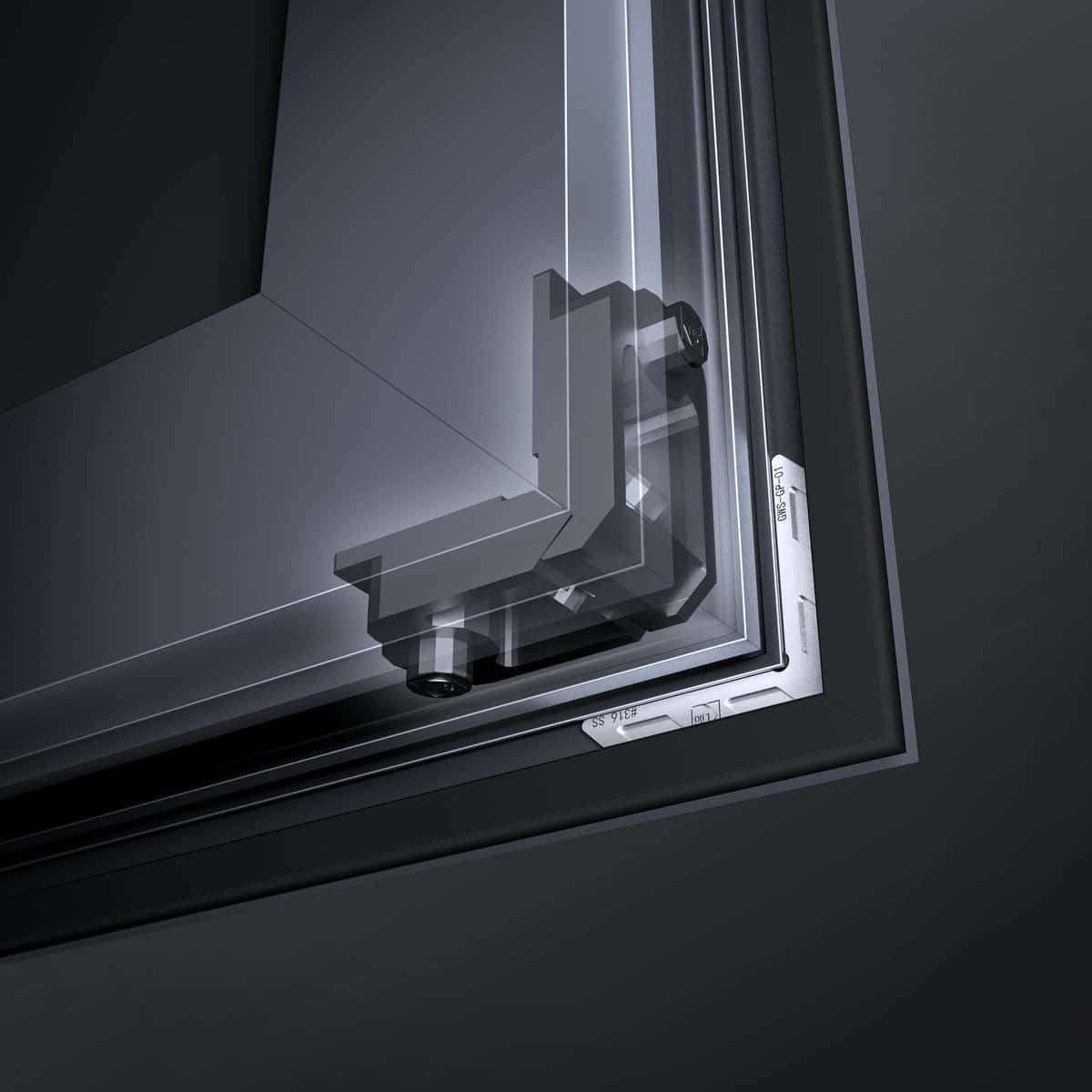
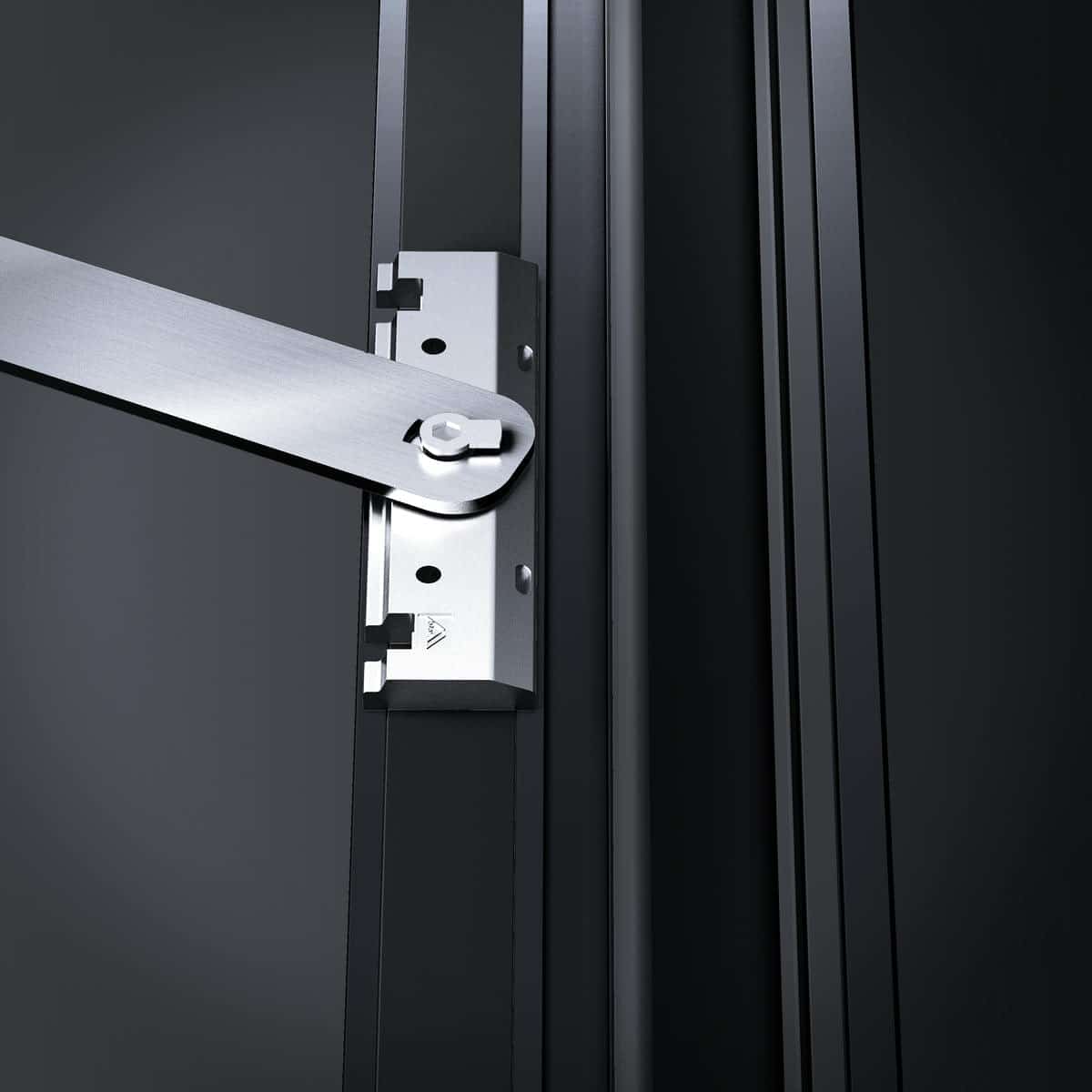
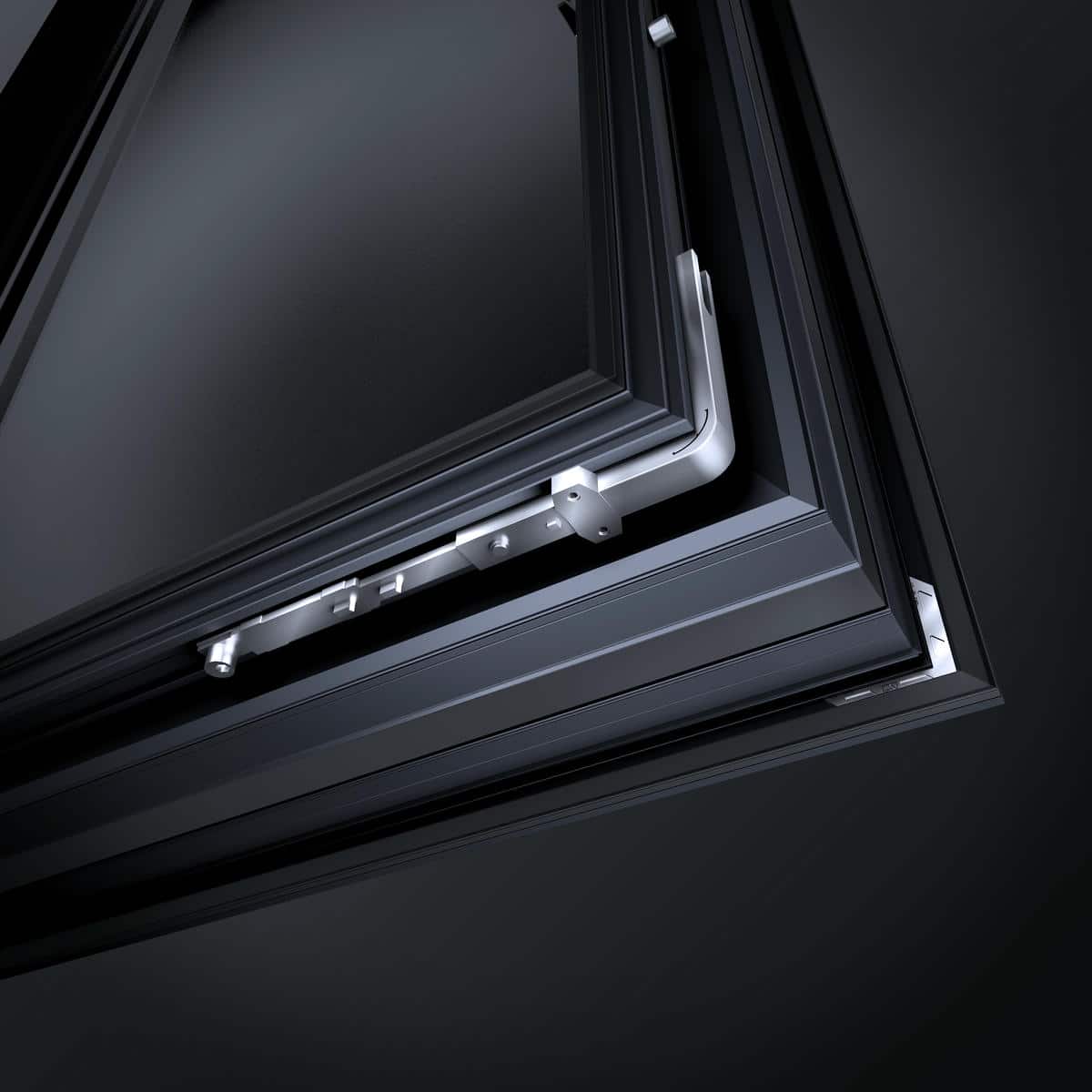
●Load-Controlled Hardware: Match sash weight to Roto® / GU® hardware and isolate hinge forces within the primary load-bearing chamber via a defined Glazing Stop.
●Verified Performance: Tested to ASTM E283 / E330 / E331 with structural resistance up to DP 94 PSF, stabilized by Technoform® Thermal Breaks and a triple EPDM sealing system.
110-50 Series
Fortress Integrated Awning
System-level protection for the high-rise horizon. Engineered with a 4.33" (110mm) structural thermal mullion to combine safe, rain-resistant ventilation with uncompromising facade security.
Structural ArmorIntegrated 110mm Mullion
Rain-Safe VentShedding Geometry
Hurricane Rated±4.5 kPa Wind Armor
Triple-SealingAir/Water/Sound Shield
Integrated Protection System
Insect GuardNative Integrated Screen
Thermal ShieldTechnoform® 16-24mm
Venetian BlindsOptional Integrated
Dual-Tone FinishCustom Int/Ext Colors
Opening Logic
⎗ Awning / Top-Hung
↓ Outward-Tilt Opening
☁ Rain-Shedding Vent
📏 Angle-Limited Safety
HARDWAREFS Friction Hinge / Limit Stays
THERMAL BARRIERTechnoform® (Germany)
SEALINGEPDM Triple-Seal Barrier
FINISHAkzoNobel® / PPG® Grade
Ideal Scenarios
🏙️ High-Rise Residential
🚿 Rain-Safe Openings
🛡️ Protected Operables
🏗️ Engineering Projects
Unified Structural Core: Features an integrated 4.33" x 1.97" (110mm x 50mm) thermal break mullion as the load-bearing heart of the system, enabling high-rise stability.
Rain-Shedding Geometry: The top-hung configuration creates a stable outward slope when open, allowing consistent airflow while diverting rainwater away from the interior.
Triple-Seal Integrity: Outer (weather), Middle (pressure), and Inner (acoustic) seals maintain stable elite performance in both open and closed states.
Native Shielding: Protection and screen components are structurally integrated within the unified profile system, ensuring they do not interfere with the primary weather seals or hardware.
138-60 Series: Security-Integrated Awning Window System
Engineer rain-safe ventilation with integrated security at the system level—not through external grilles or add-ons.
●System Adaptability: Unified 5.43-inch frame depth integrates the awning sash and security panel within one structural system—no secondary products.
●Load-Controlled Hardware: Independent load paths for the awning sash and security panel, with opening forces isolated inside the primary load-bearing chamber via a defined Glazing Stop.
●Verified Performance: Tested to ASTM E283 / E330 / E331, stabilized by Technoform® Thermal Breaks and a triple EPDM sealing system independent of the security layer.
138-60 Series
Fortress Security Awning Window
Elite low-level security meets uncompromised all-weather ventilation. Engineered with a dual-layer barrier logic to keep your perimeter locked while the elements stay out.
Fortress SecurityDual-Layer Shield Logic
Bunker Strength5.43" (138mm) System Depth
Hurricane Armor±0.65 psi (±4.5 kPa) Load
Storm ShieldRain-Safe Venting Geometry
Armor & Comfort Options
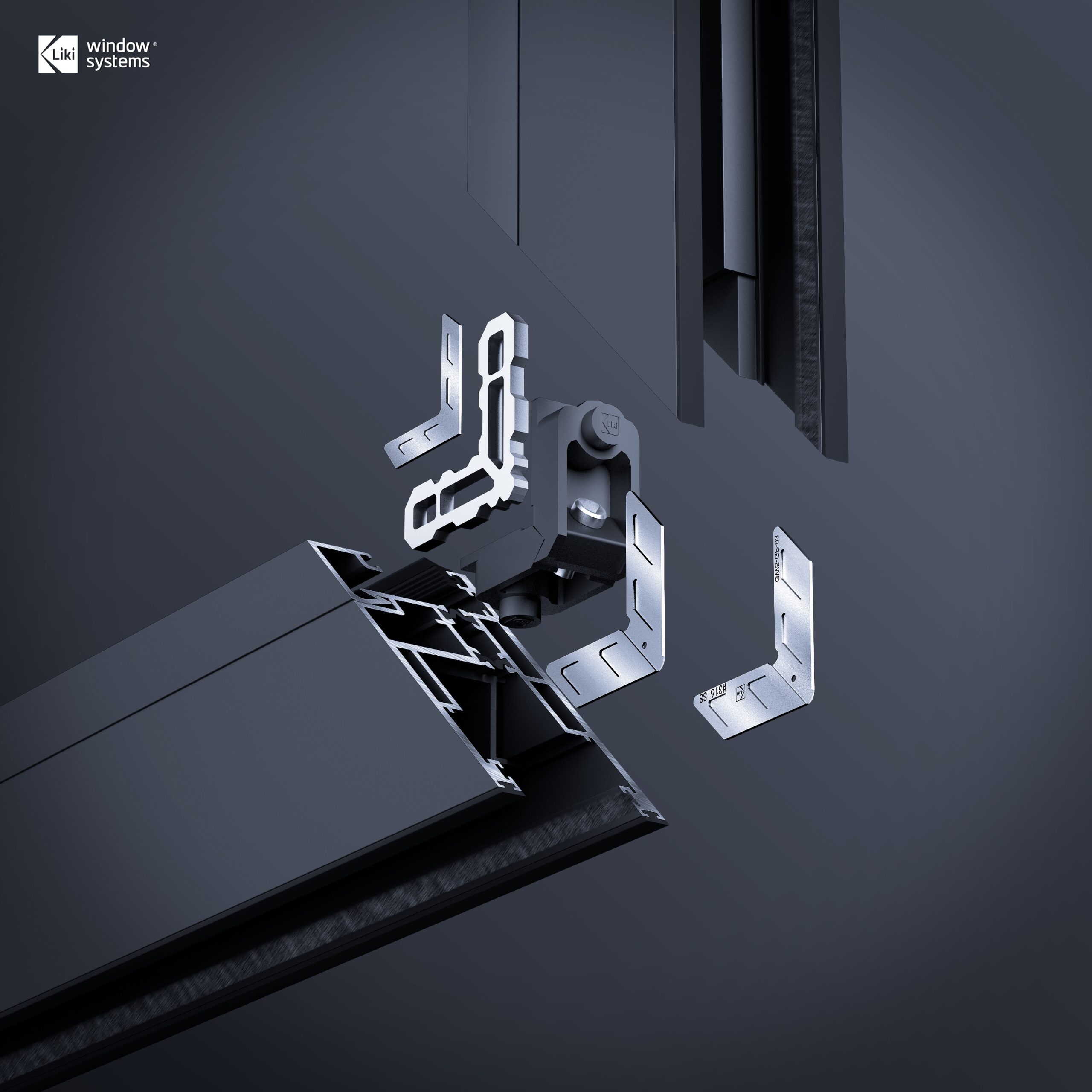
Concealed Guard#316 Stainless Screen
Thermal ArmorTechnoform® 16-24mm
Venetian BlindsIntegrated Manual/Auto
Dual-Tone FinishCustom Int/Ext Colors
Opening Logic
⎗ Awning Window
↓ Top-Hung Operation
☁ Rain-Shedding Vent
🛡️ Dual-Sash Protection
HARDWARERoto® / GU® / Sobinco® High-Load
THERMAL BARRIERTechnoform® (Germany)
SEALINGTriple-Seal EPDM Composite
FINISHAkzoNobel® / PPG® Grade
Ideal Scenarios
🏠 Low-Floor Residences
🏙️ Street-Front Buildings
🌧️ High-Rainfall Zones
🛡️ Maximum Security Suites
Dual-Layer Protection Logic: A revolutionary "sash + screen" structural integration that ensures your home remains a continuous defensive barrier even when the awning window is open for ventilation.
Massive Frame Depth: The robust 5.43" (138mm) system depth is engineered to house heavy-duty operables, optional #316 stainless security mesh, and a multi-chamber drainage circuit.
Safe High-Vent Operation: Top-hung geometry locates the opening at the top of the frame, naturally minimizing intrusion risks while facilitating long-term micro-ventilation.
Hurricane-Force Integrity: Built from 6063-T66 aluminum with up to 0.13" (3.2mm) wall thickness, delivering ±0.65 psi (±4.5 kPa) wind load resistance for coastal and high-wind environments.
130ZKW Series: Flagship Slim-Profile Awning Window System
Engineer rain-resistant ventilation within a slim-profile Awning Window system. Maintain air, water, and energy control at the system level—without add-on solutions.
●System Adaptability: Unified slim-profile platform shared with outward-opening systems, maintaining structural capacity and façade proportion without creating new SKUs.
●Load-Controlled Hardware: Awning-specific hardware isolates sash loads inside the primary load-bearing chamber, with controlled opening geometry independent of sealing paths.
●Verified Performance: Evaluated to ASTM E283 / E330 / E331 within NFRC-certified scopes, stabilized by Technoform® Thermal Breaks and a triple EPDM sealing system.
North American flagship performance. A zero-compromise awning system featuring ultra-slim sightlines, NFRC energy compliance, and a multi-chamber thermal core for elite architectural facades.
Unified Flagship Platform: Built on the flagship 130 platform, ensuring structural consistency and massive load-bearing capacity even for oversized awning sashes.
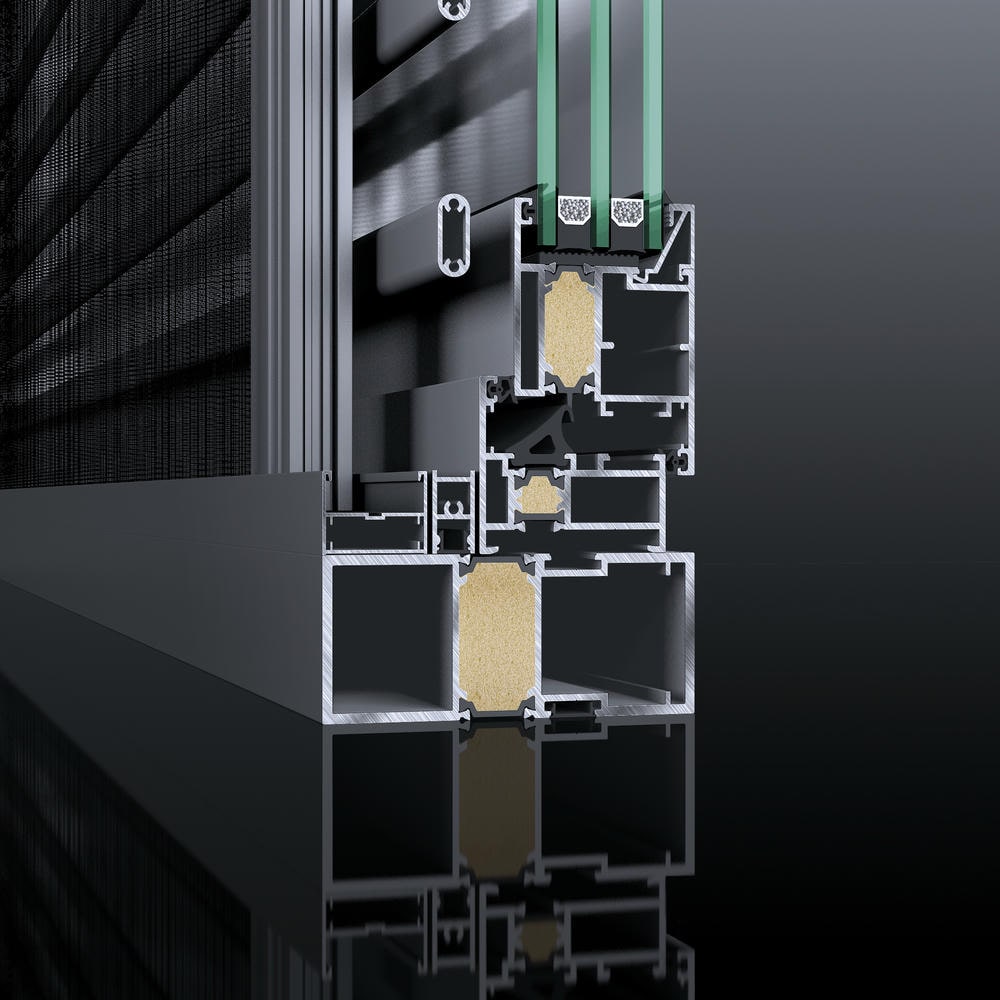
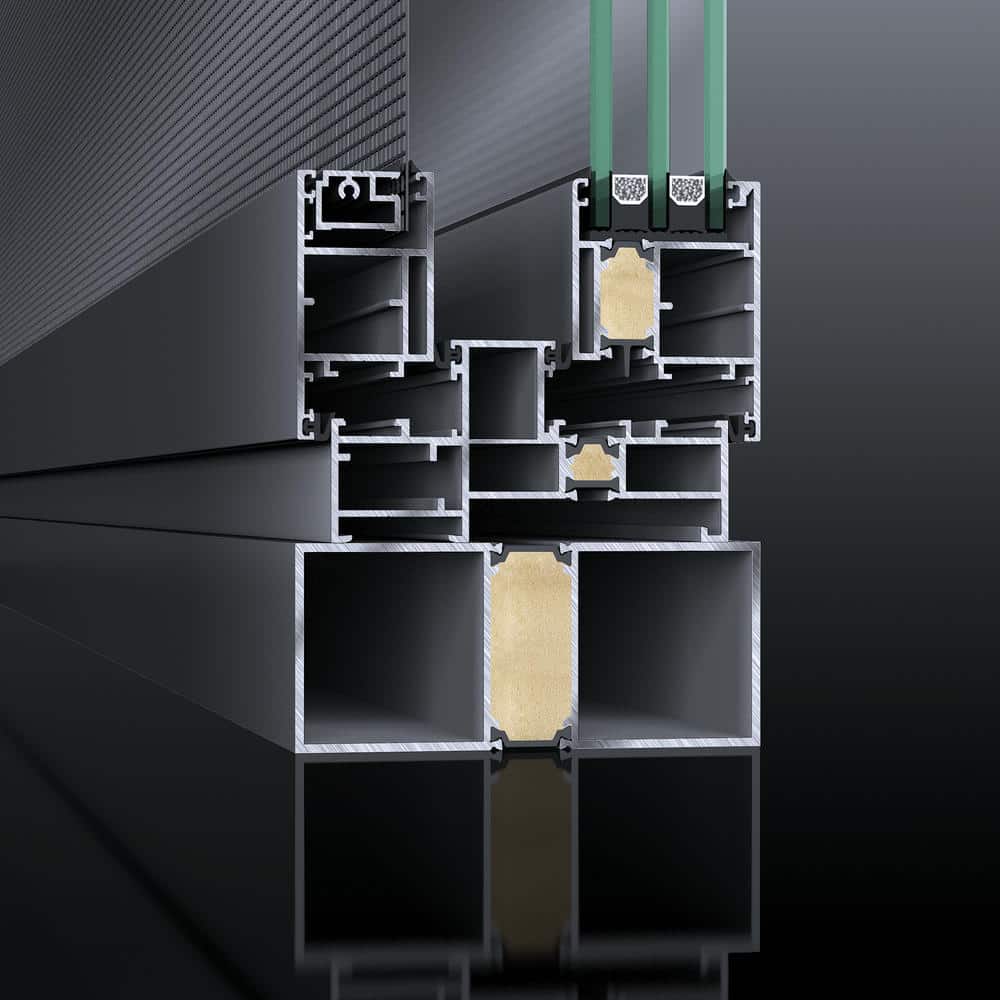
Multi-Chamber Mastery: Integrated multi-chamber design isolates load-bearing, thermal, drainage, and sealing functions for peak performance reliability.
Rain-Shedding Geometry: The top-hung configuration creates a natural outward "awning" effect, allowing continuous ventilation during storms while keeping interiors dry.
Bunker Strength Profile: Robust 6063-T66 aluminum with up to 0.20" (5.0mm) wall thickness for uncompromising high-rise structural safety.
NFRC & Global Standards Compliance
Get In Touch
Connect with an LIKI Expert
Get personalized guidance from a knowledgeable LIKI representative—no pressure, just expert advice.
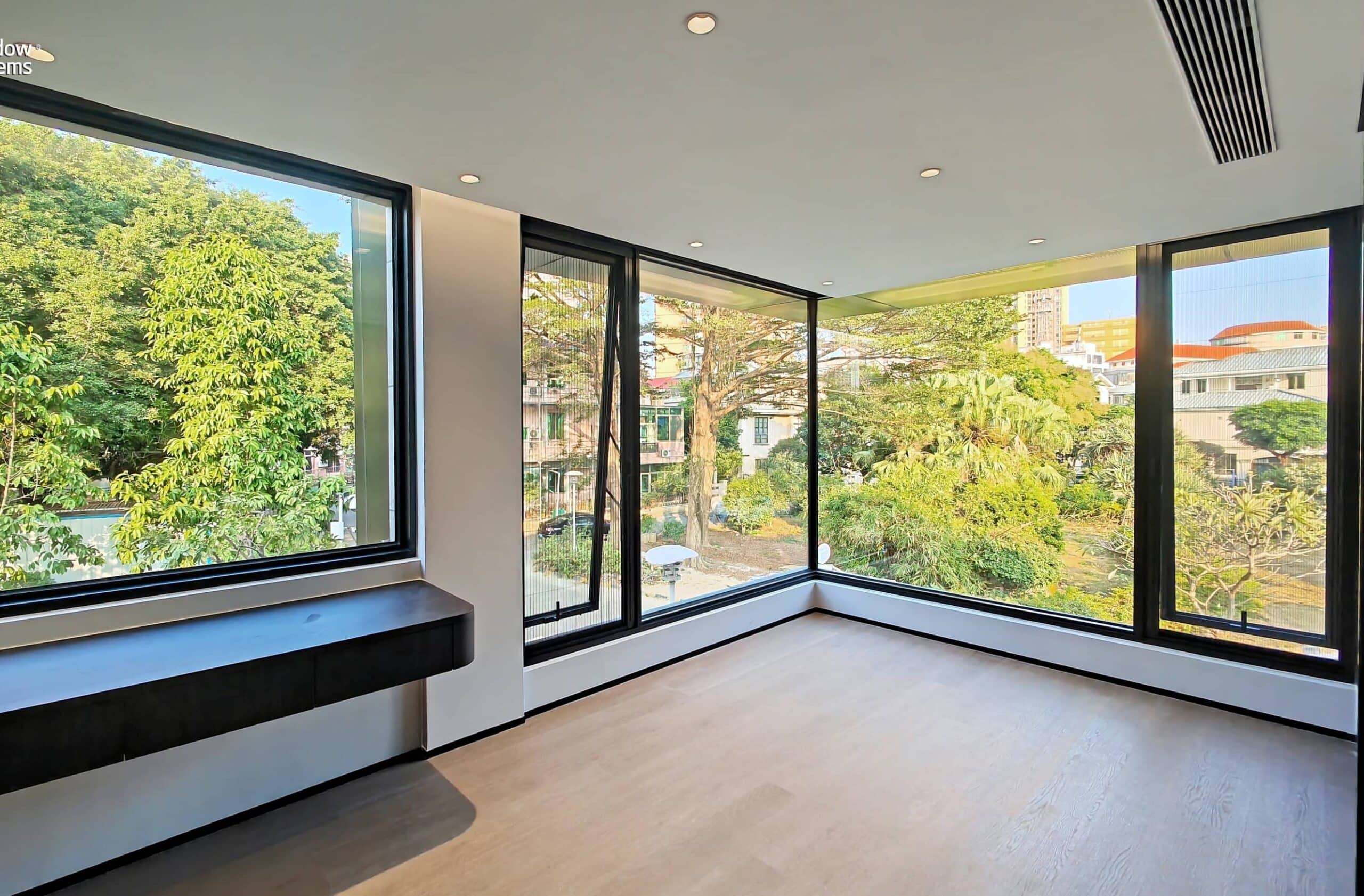
Awning windows are more than just an architectural trend; they are a lifestyle upgrade for the modern homeowner. By utilizing a clever top-hinge mechanism, these windows provide a level of versatility and Safe Ventilation that standard window types simply cannot match.
Ventilation Rain or Shine
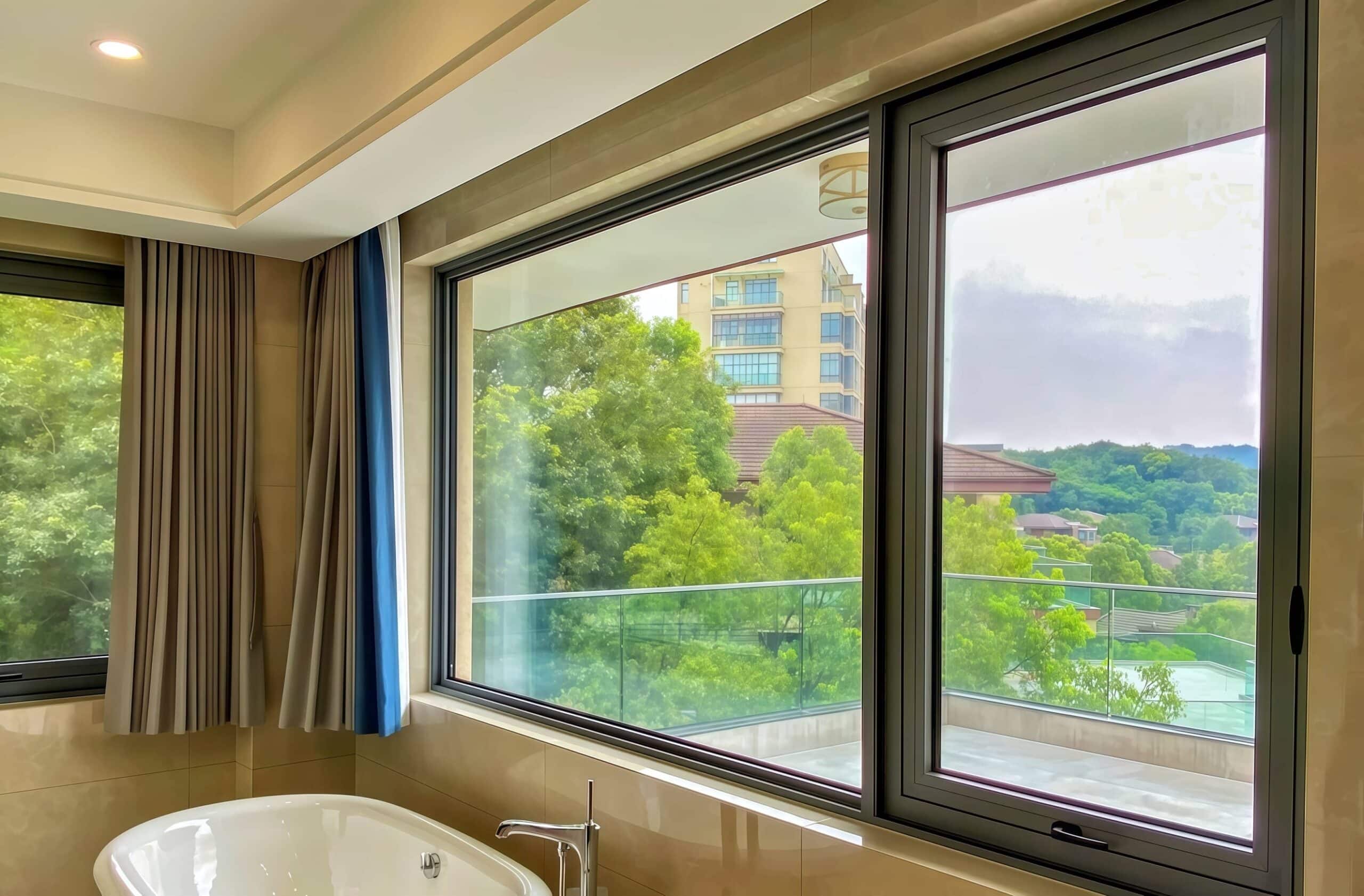
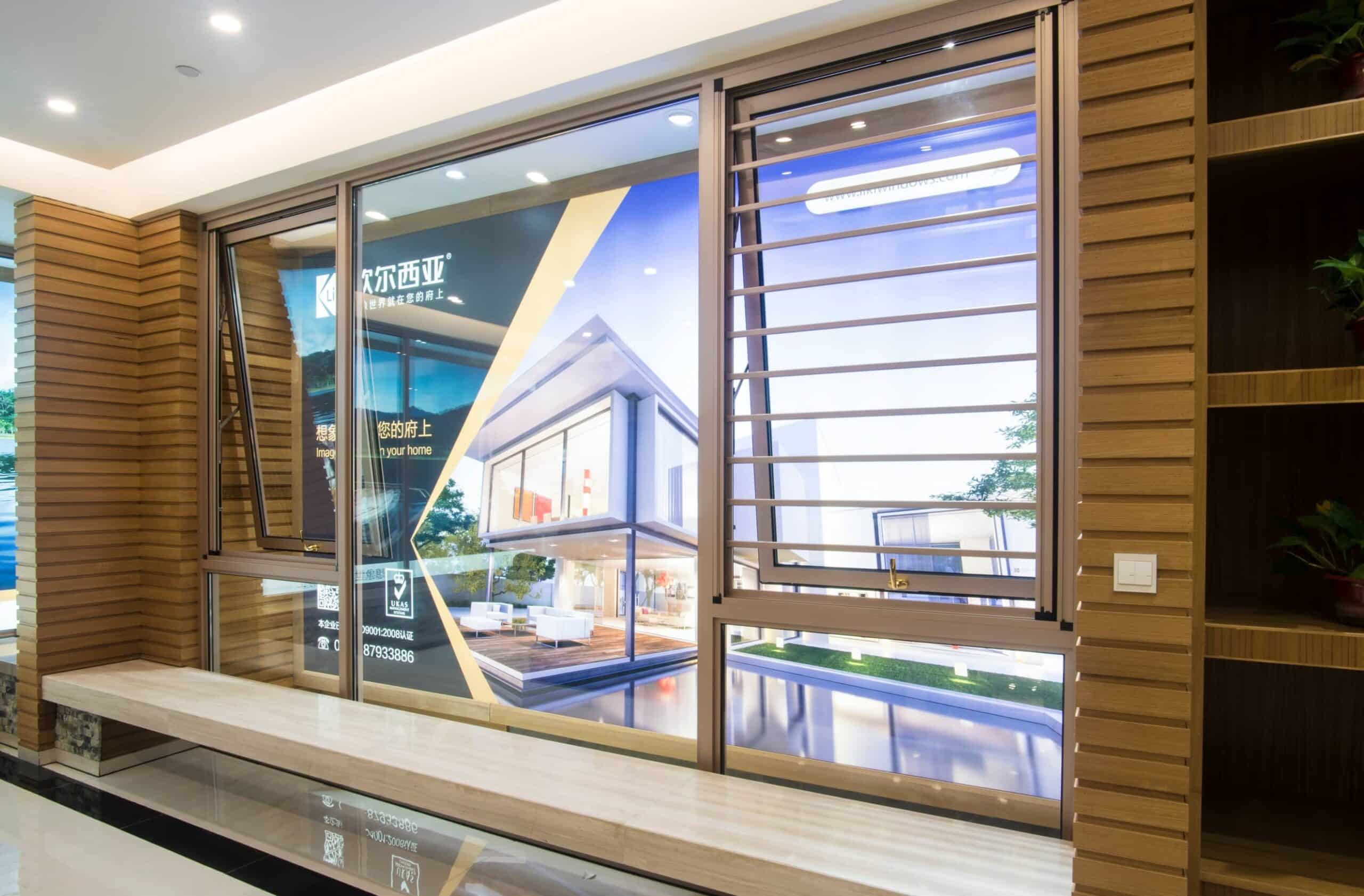
Because they hinge at the top and slope outward, awning windows act as a natural umbrella. You can enjoy a fresh breeze even during a light summer drizzle without worrying about water entering your home.
Strategic Privacy & Placement
Their compact design makes them perfect for high-wall placement in bathrooms or kitchens. This allows you to maximize natural light and airflow while keeping your interior private and your wall space free for furniture.
Precision Seal & Efficiency
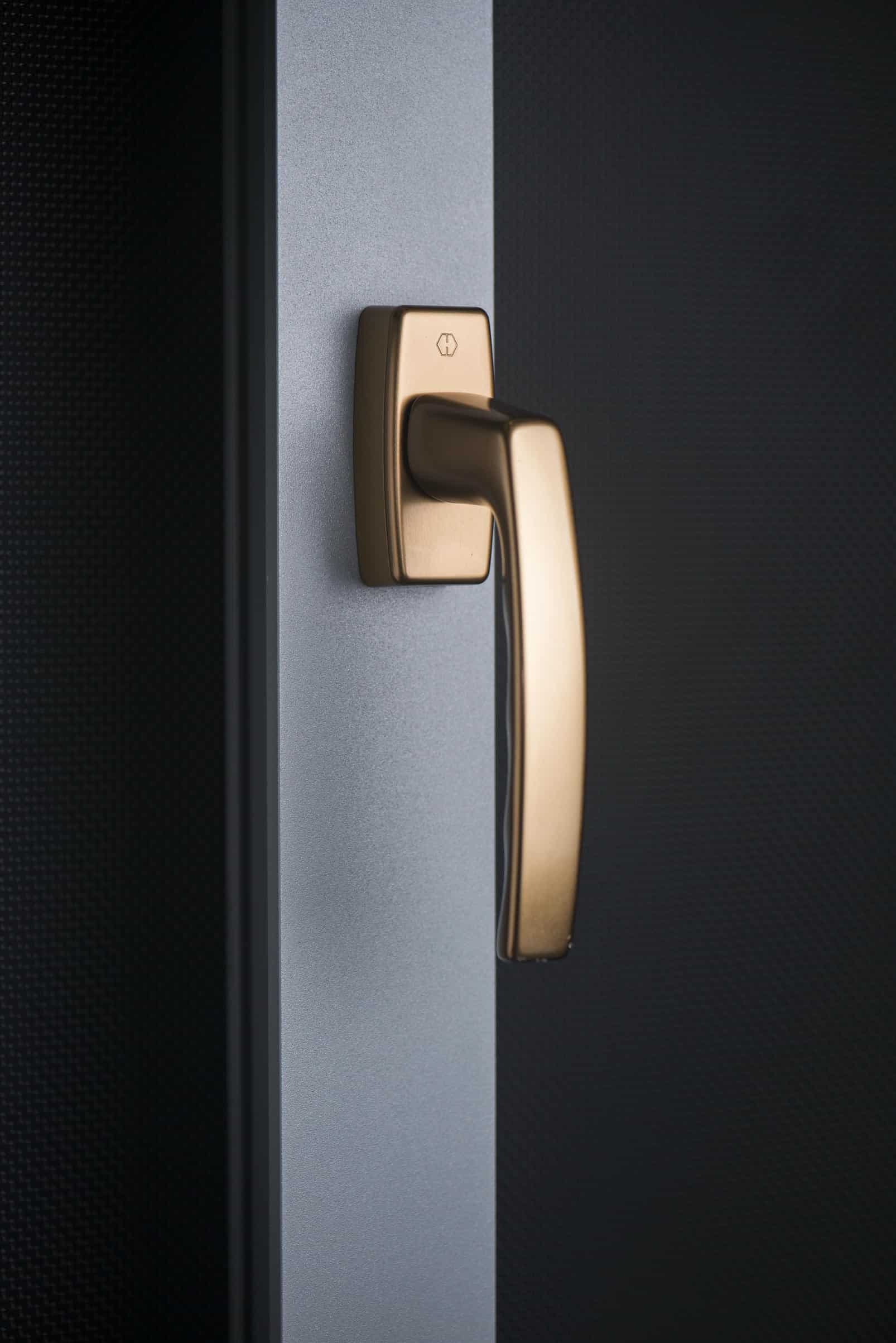
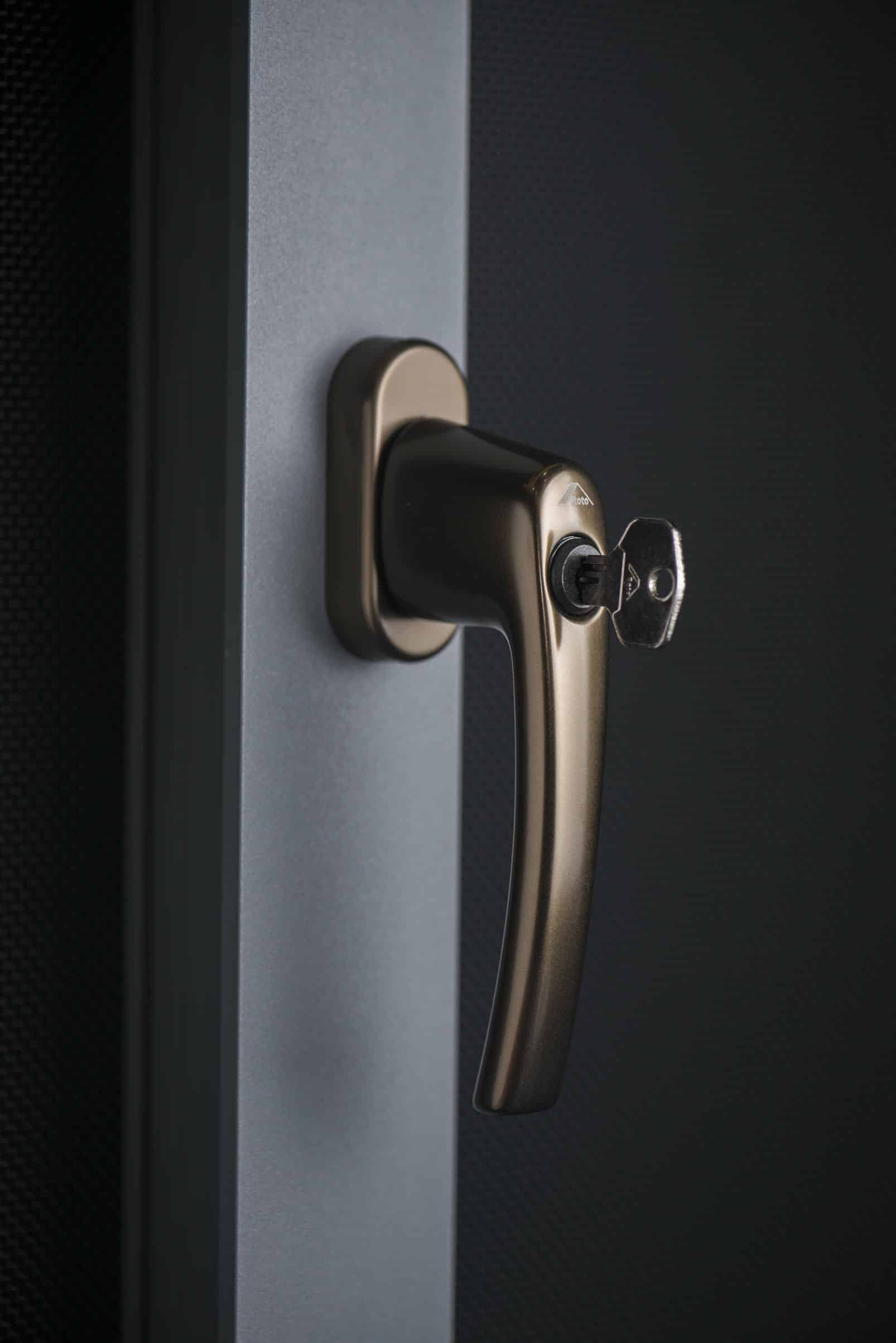
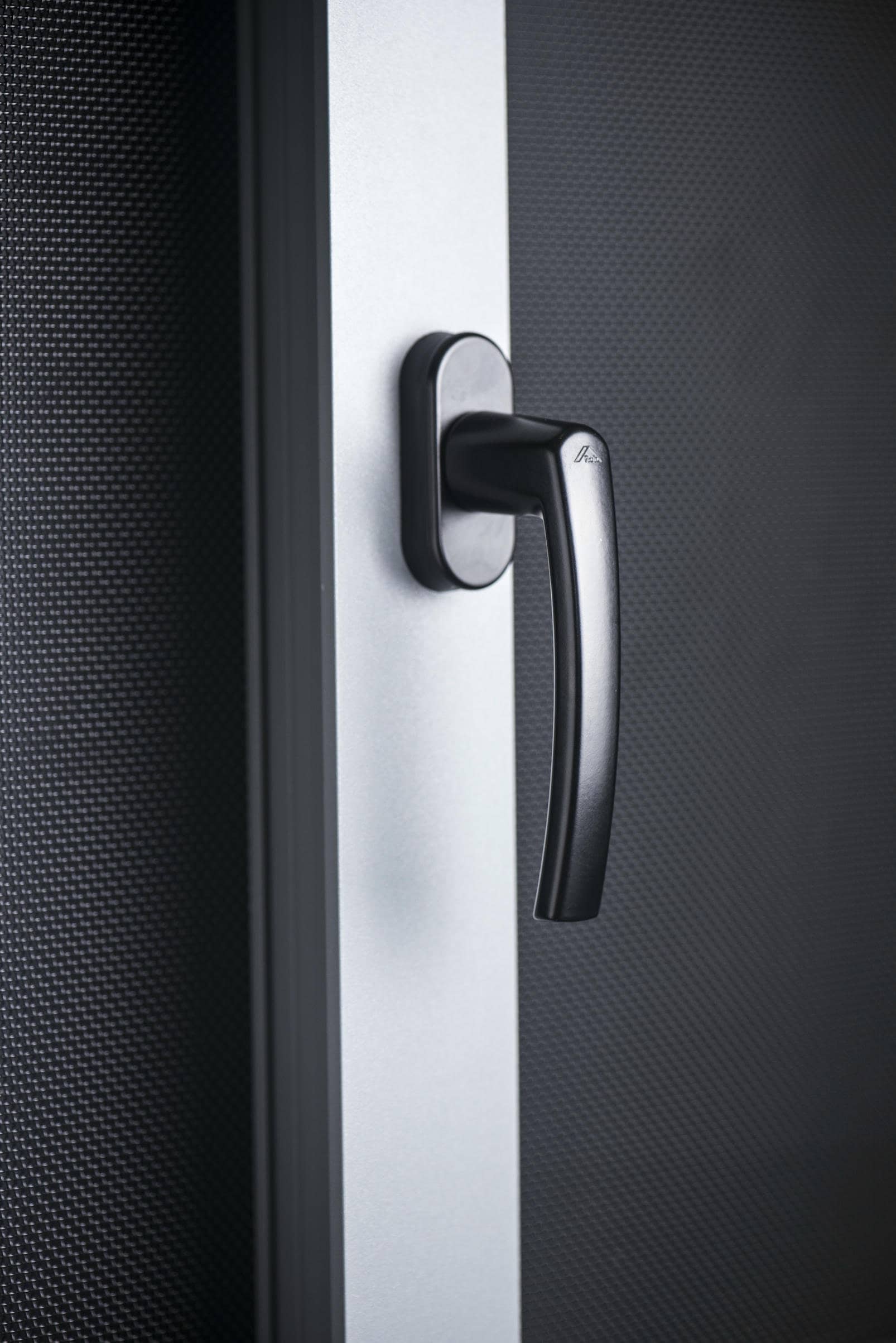
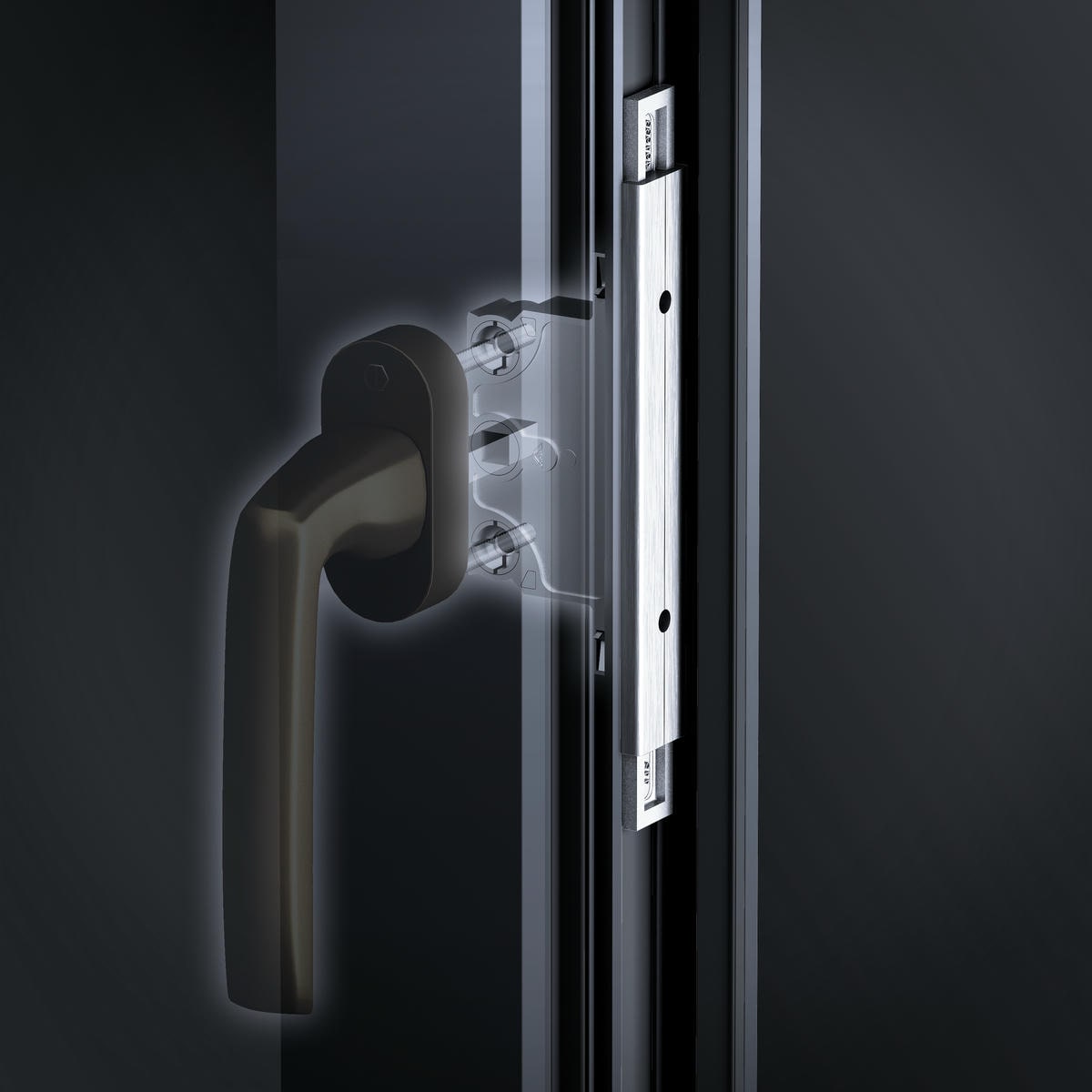
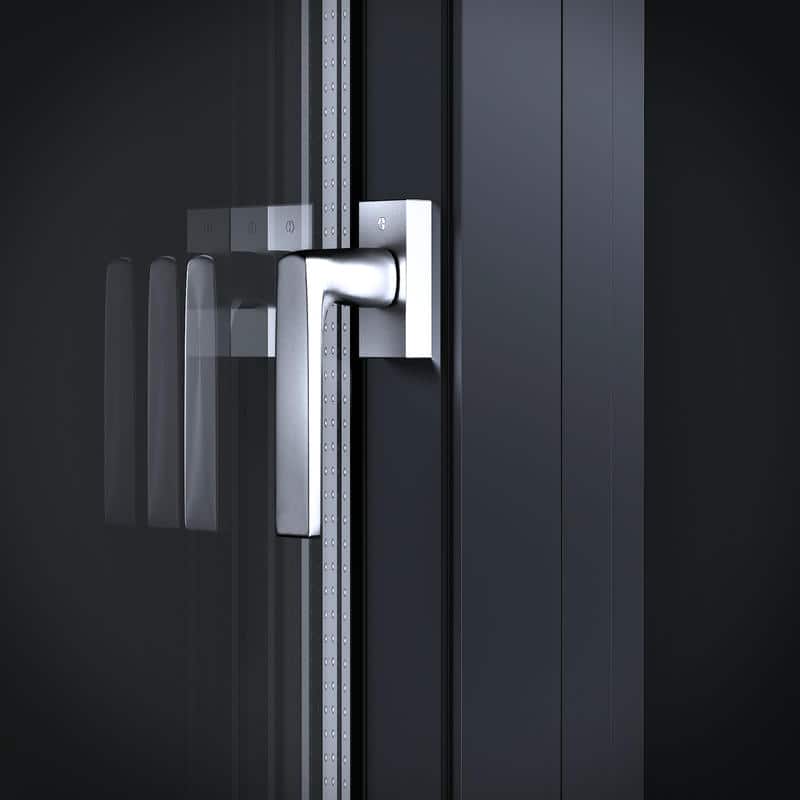
Powered by premium Roto hardware, our awning windows offer an exceptionally Airtight seal. Unlike other types, wind pressure actually pushes the sash tighter against the frame, ensuring your home stays quiet and energy-efficient during storms.
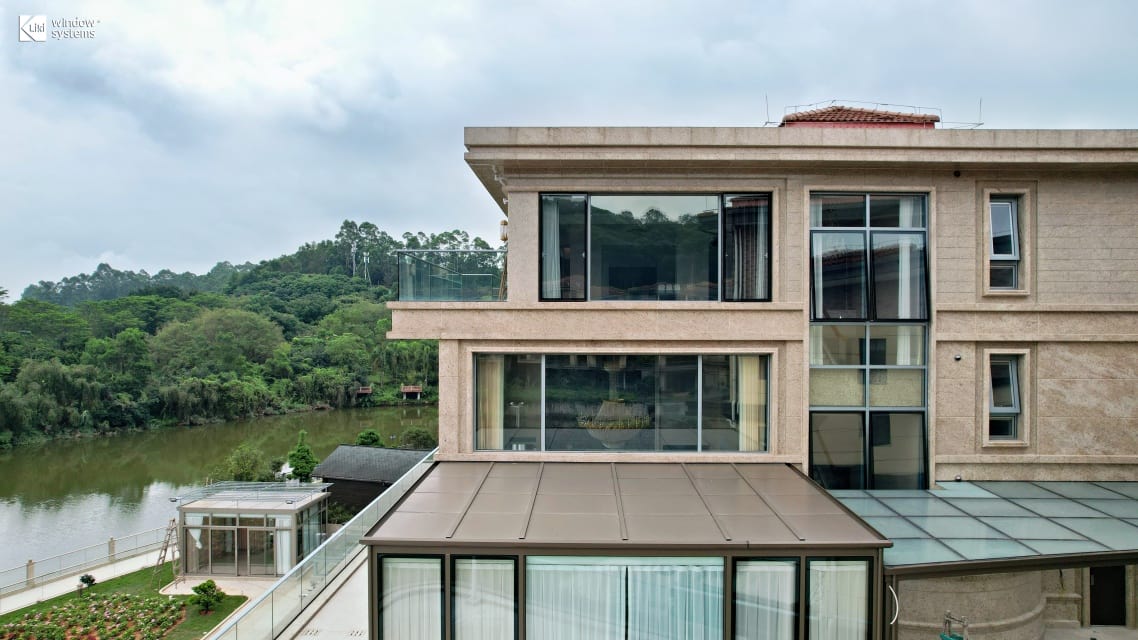
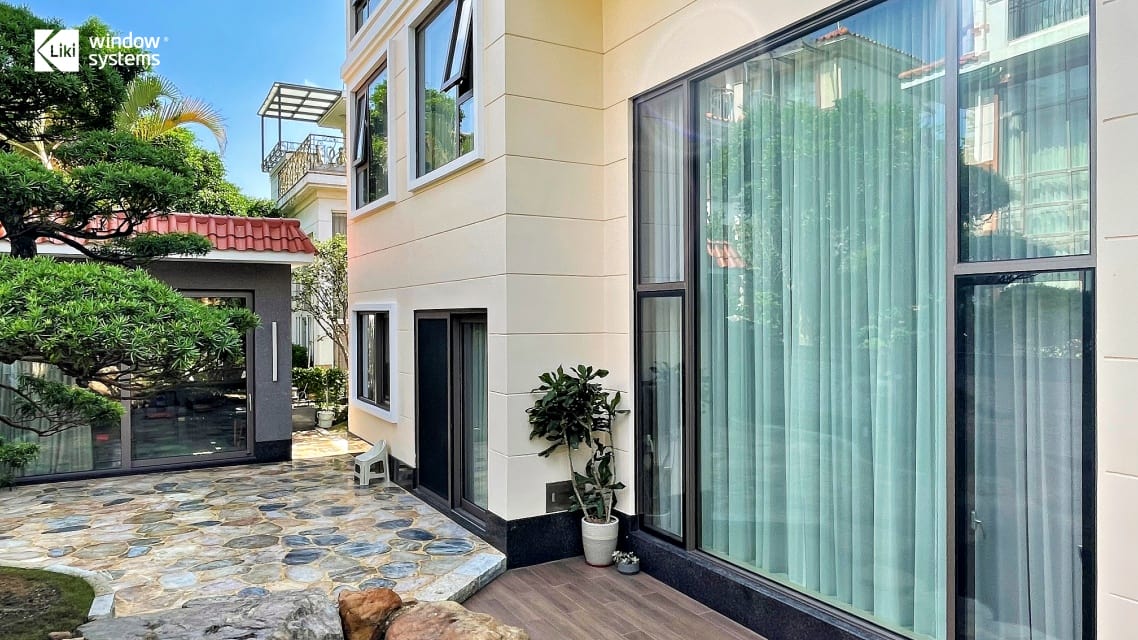
Real-World Excellence: LIKI Awning Windows in Architectural Projects
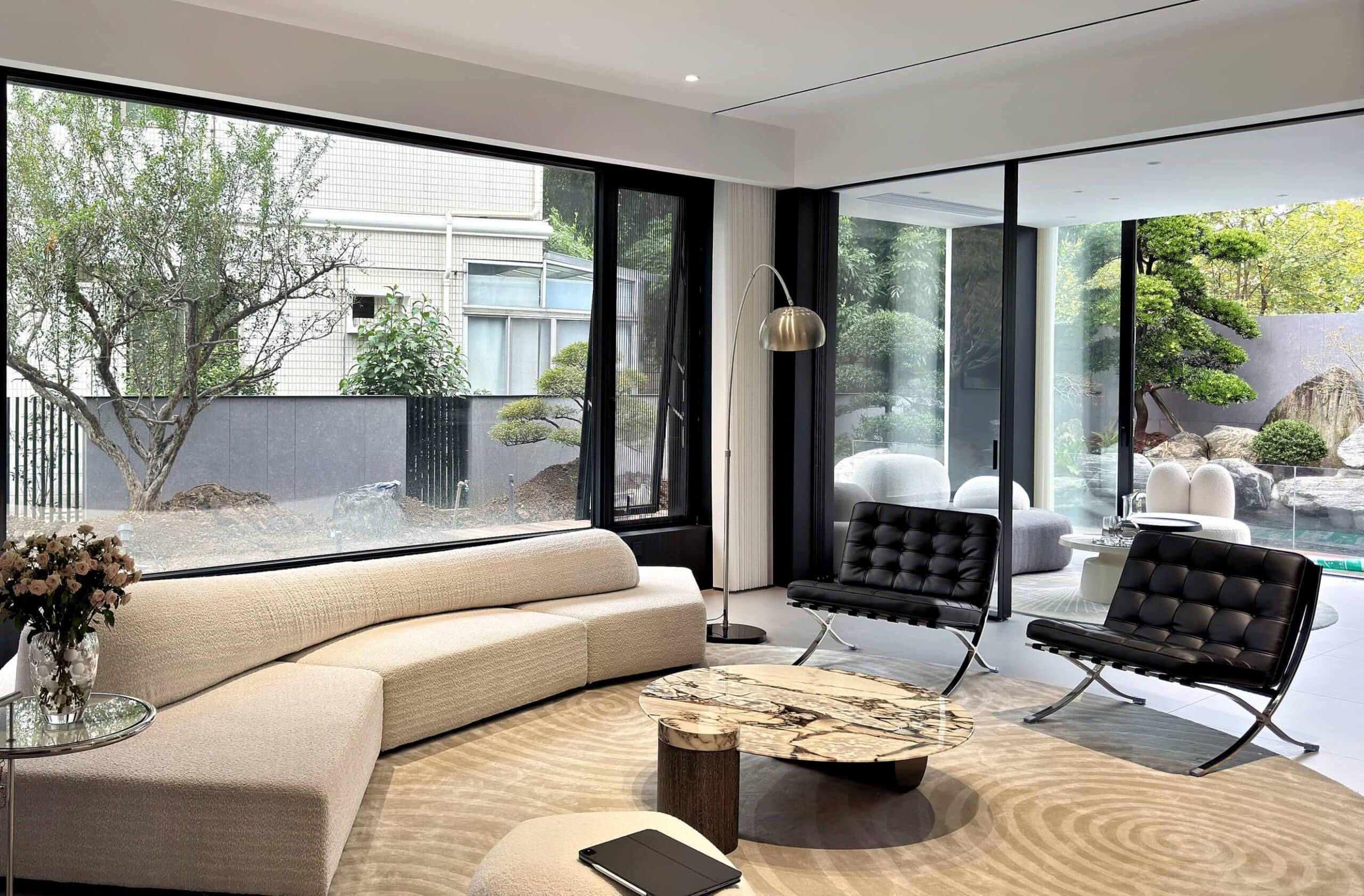
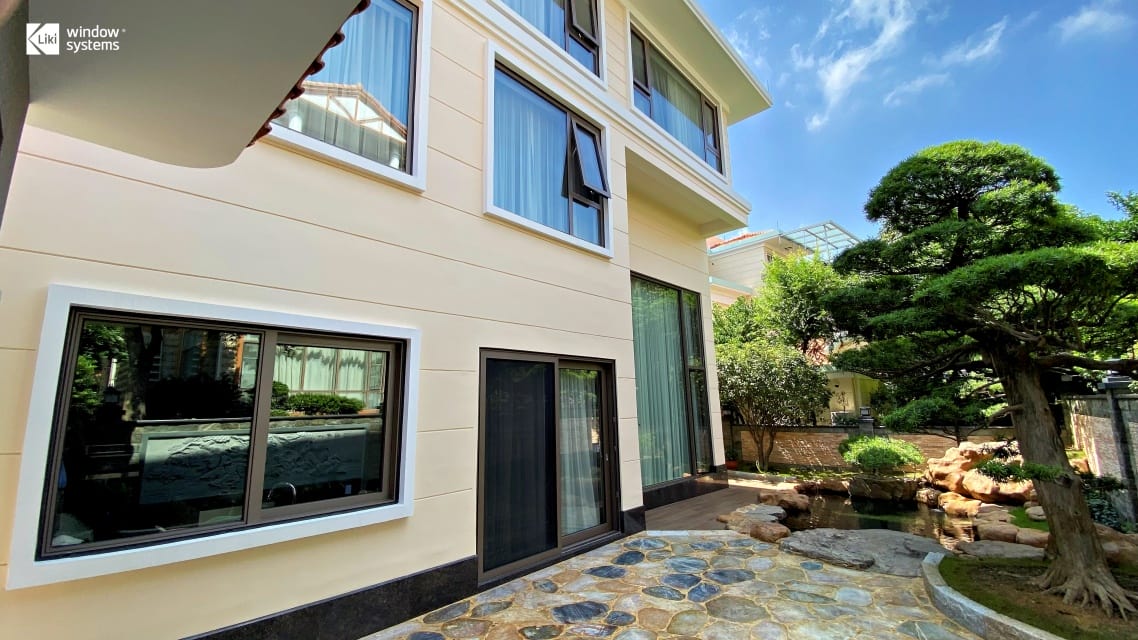
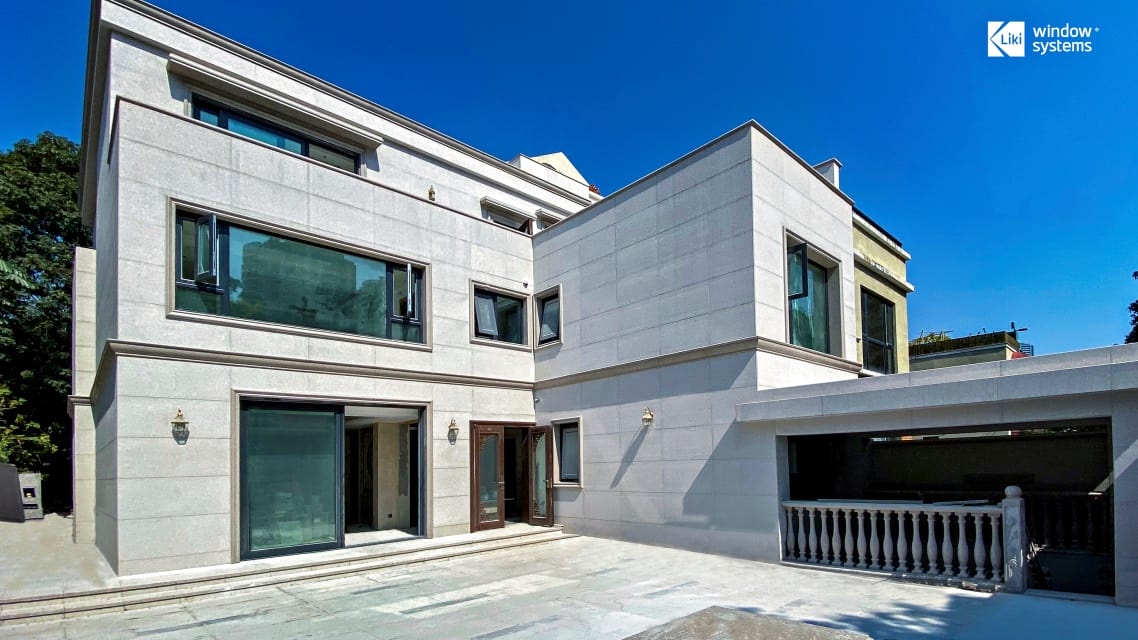
Discover how LIKI Aluminum Awning Windows—finished with premium AkzoNobel powder coating—provide high-performance Safe Ventilation and structural integrity for luxury villas, modern residential complexes, and high-rise developments across North America.
Experience the effortless operation and secure sealing technology of LIKI Aluminum Awning Windows in action through our detailed performance demonstration.
Yes! That’s their biggest advantage. Since they open from the bottom and slant outward, they act like a small roof, allowing fresh air in while keeping raindrops out.
Not at all. We design them for convenience. Depending on the series, most can be easily cleaned from the inside, and their smooth Roto hardware makes opening and closing them a breeze.
Absolutely. They are one of the safest choices for higher floors because the opening is controlled, and the wind actually pushes the window tighter against the seal when closed.
Yes, we provide high-quality insect screens.[1] In some of our premium systems, like the 100-95 series, the screens are even built directly into the frame for a cleaner look.
Yes. Because of their Thermal Break design and high-quality seals, they are excellent at keeping your home’s temperature steady, which means your AC won’t have to work as hard.
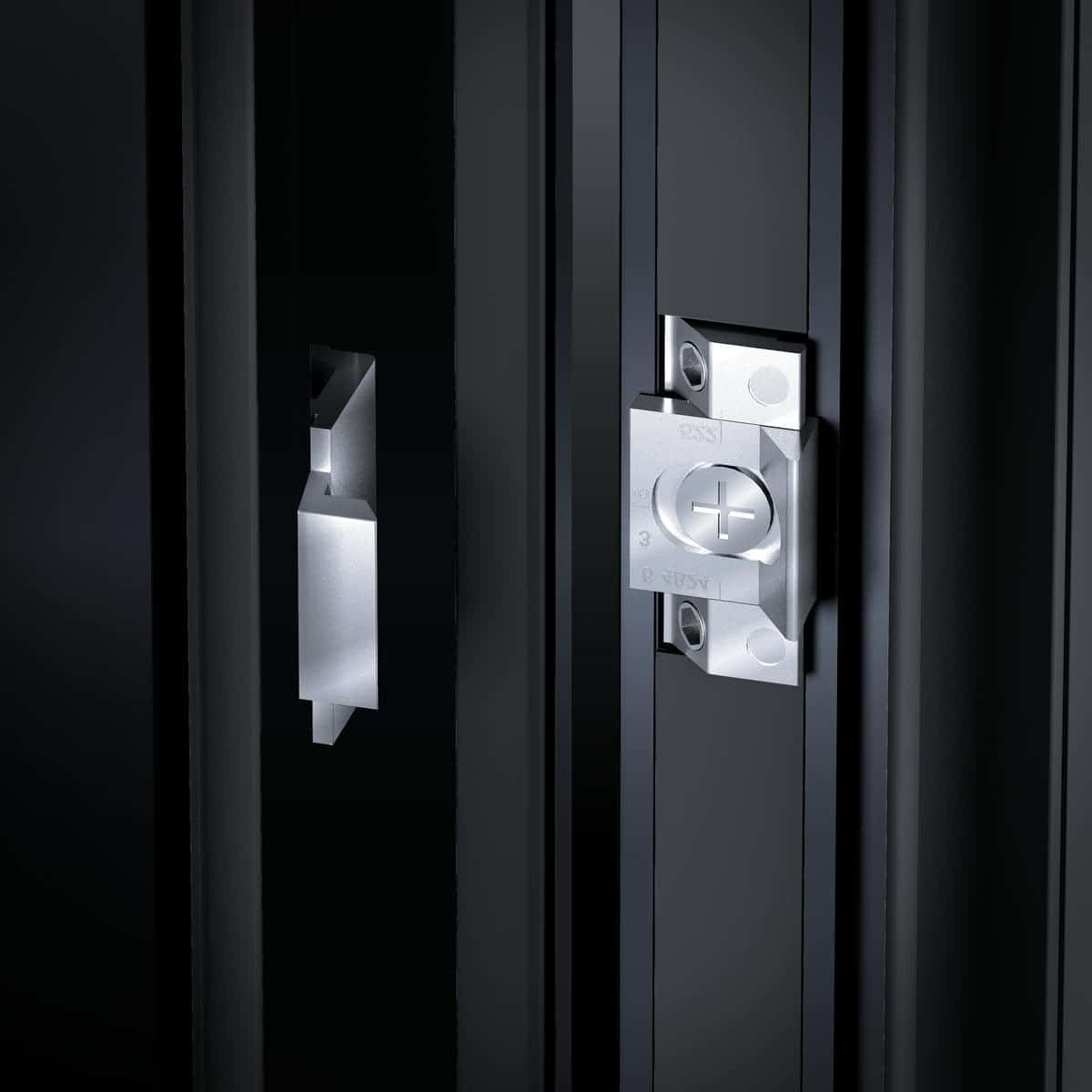
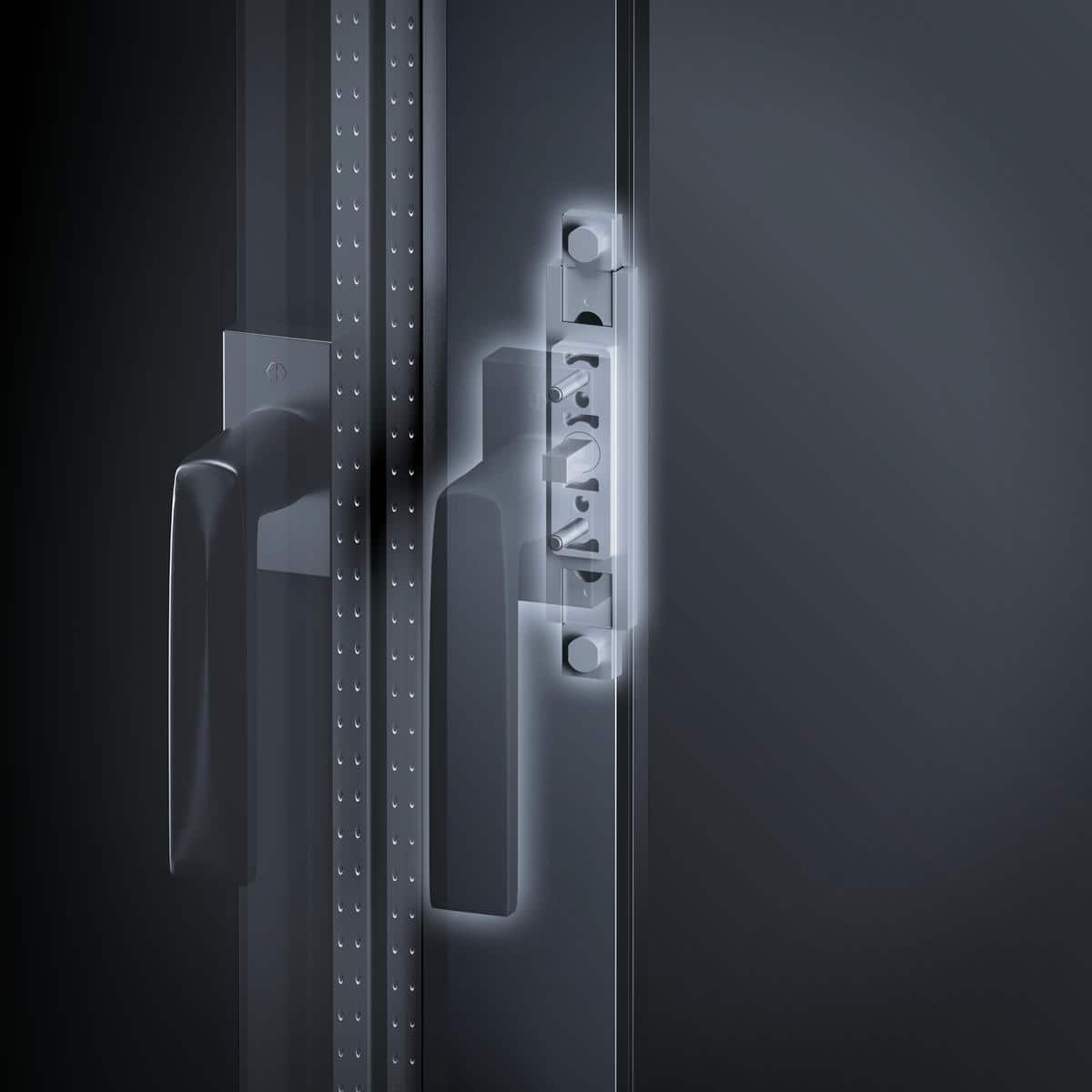
Security is a priority for us. Our windows feature a Multi-point Locking System that secures the window at several points around the frame, making it very difficult to force open from the outside.
The Right Solutions for Your Project
Explore helpful resources, real project inspiration, and expert support to guide your window and door decisions—whether you’re planning, designing, or ready to get started.
The Architectural Standard for Expansive Landscape and Weatherproof Ventilation.
Custom commercial and residential aluminum awning windows by LIKI are top-hinged, outward-opening facade systems engineered for high-rise load paths and all-weather ventilation. Utilizing multi-chambered 6063-T66 extrusions and structural friction stays, they function as primary architectural centerpieces rather than mere secondary vents.
Small Vents vs. Landscape Facades: Why Custom Aluminum Awning Windows Dictate a New Scale
Redefining the Awning Window
For decades, the awning window was relegated to a purely functional role—a small, secondary vent placed high in a bathroom or above a fixed picture window. The structural limitations of standard profiles meant these units could rarely exceed modest dimensions without risking hardware failure or weatherstripping degradation. However, modern luxury residential and high-rise commercial architecture demands a different scale. By utilizing deep, multi-chambered aluminum extrusions, the category has been completely redefined. We are no longer discussing mere ventilation points; we are engineering massive, operational landscape facades that maintain extreme structural rigidity even at expansive widths.
The Physics of Continuous Air Exchange
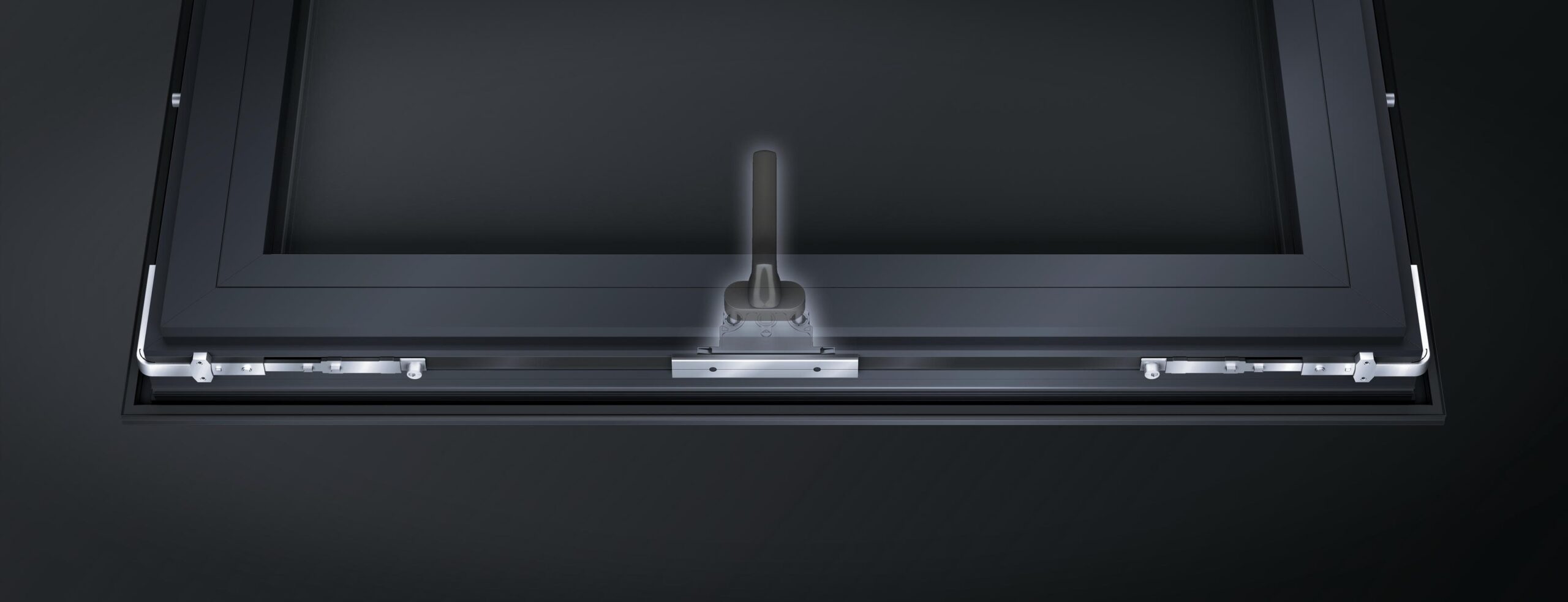
The core mechanical advantage of the awning operating style lies in its interaction with the elements. Hinged at the top and opening outward at the base, the sash inherently acts as a structural umbrella. During a heavy downpour, the outward tilt deflects rain while allowing positive pressure to drive continuous, controlled air exchange into the interior. When locked via the multi-point hardware system, the sash is pulled tightly against the frame, compressing the multi-layer weatherstripping and transitioning the unit from an open ventilation channel to a highly secure, weather-tight barrier against aggressive wind loads.
Anatomy & Materials: Size Demands a Stiffer Skeleton
When scaling an awning window to commercial or luxury residential dimensions, the primary engineering challenge shifts from basic weatherproofing to structural deflection. A standard residential frame will bow under the wind load of a high-rise application or the dead weight of a massive insulated glass unit (IGU). LIKI’s custom aluminum awning windows are engineered with a dedicated heavy-duty architecture to mitigate these extreme forces.
6063-T66 Aluminum Frame Deflection Limits
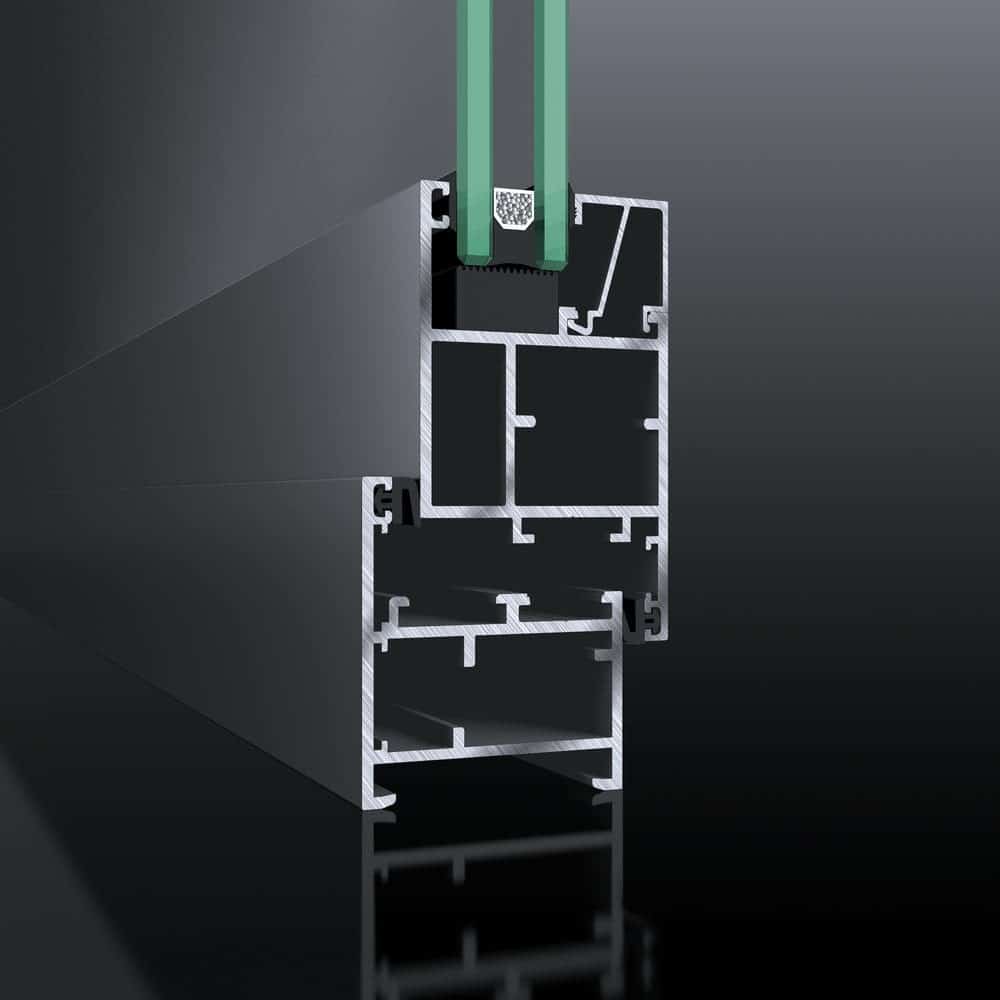
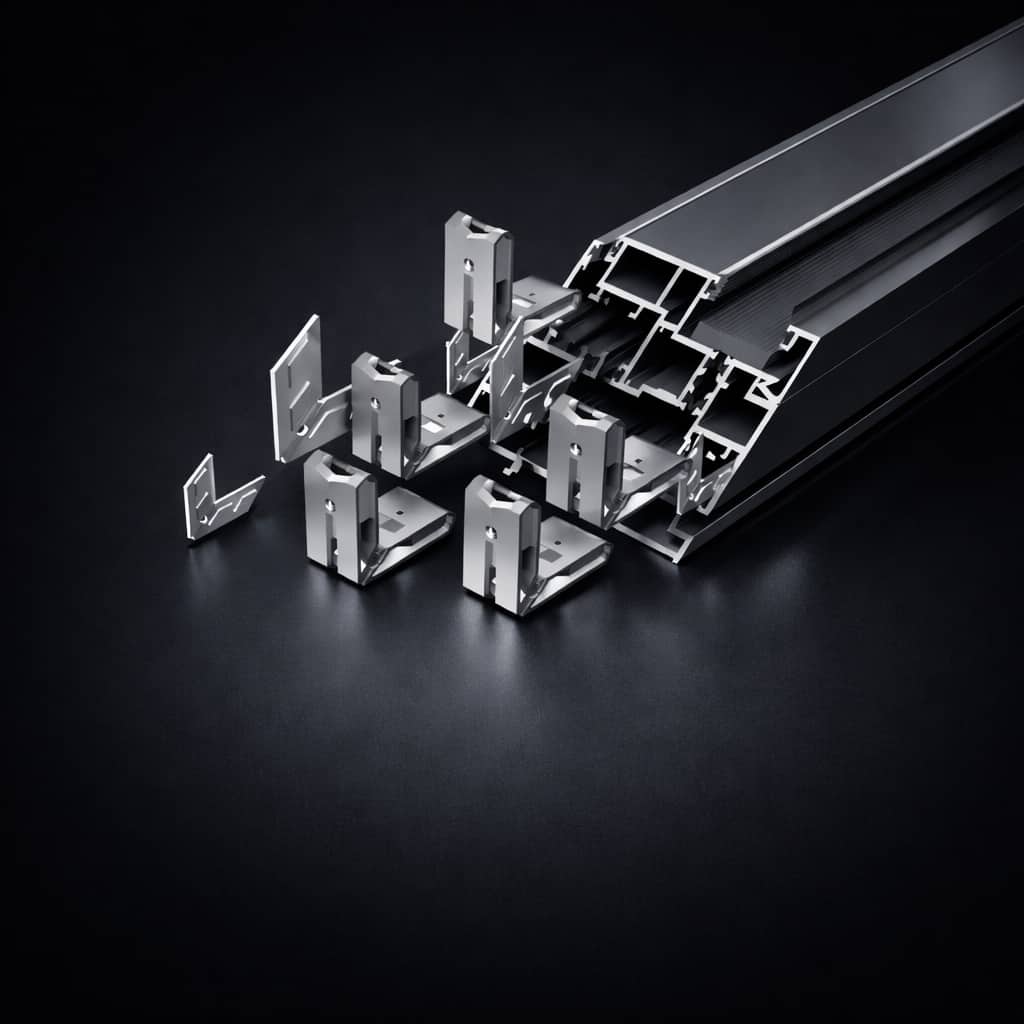
To support expansive spans without compromising the flush, minimalist aesthetic, LIKI utilizes premium 6063-T66 structural-grade aluminum extrusions. The multi-chambered profile design significantly increases the moment of inertia, ensuring the frame remains entirely rigid and operates smoothly even at maximum width limits. This stiff skeleton prevents the sash from twisting—the primary root cause of hardware binding and premature seal failure in oversized architectural applications.
Managing Thermal Physics at Scale
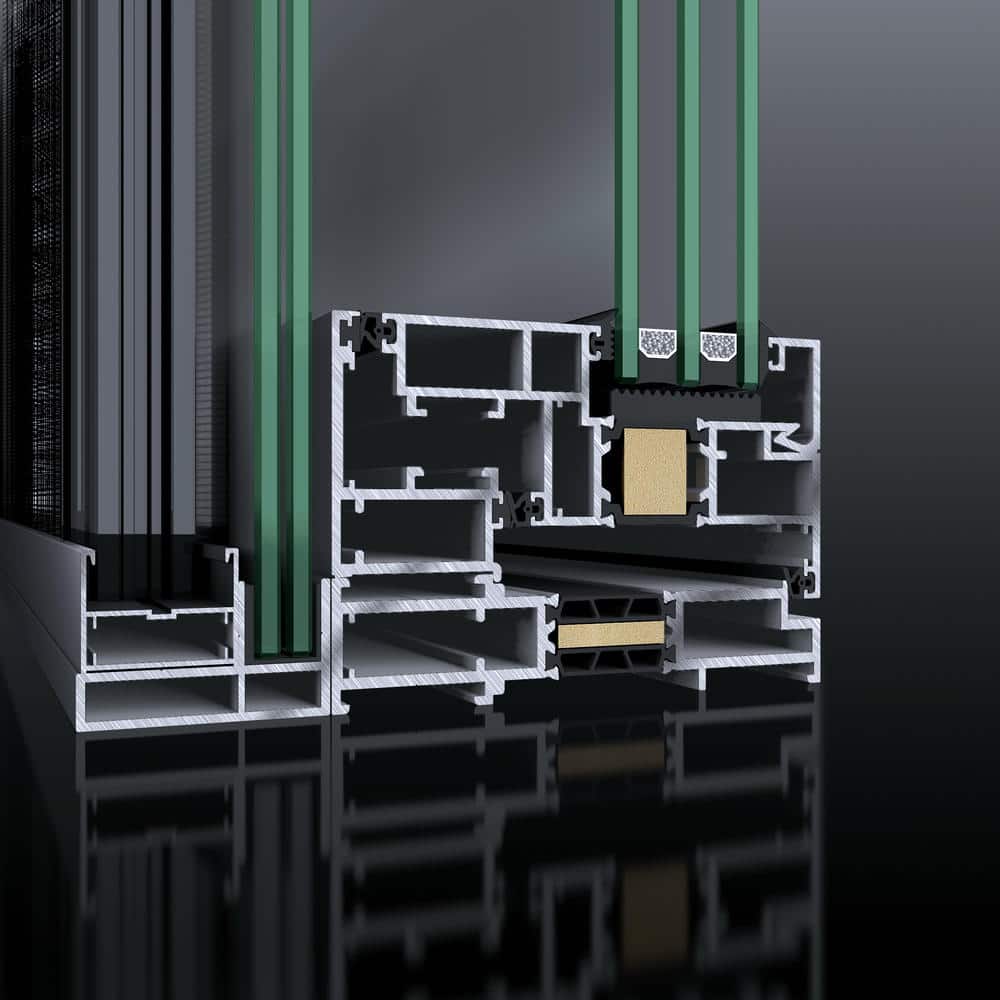
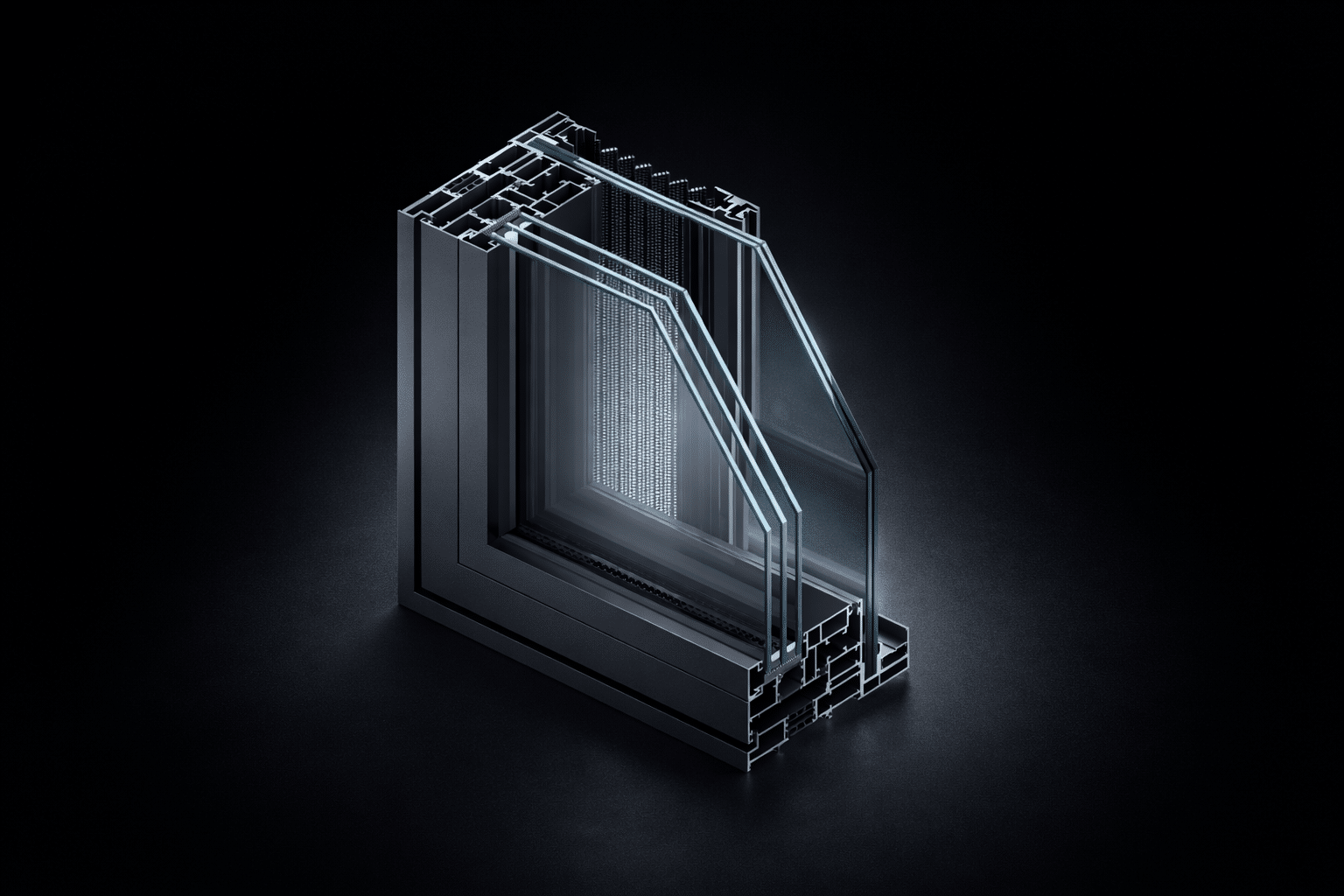
Large landscape facades inherently present massive thermal bridging risks. LIKI systems counteract this by integrating a deep 30mm or 35mm Technoform® PA66 polyamide thermal break. This extreme depth in the thermal barrier effectively severs the conductive pathway between the exterior and interior aluminum faces. By managing thermal physics at scale, these wide thermal struts not only prevent interior condensation in cold climates like Seattle or Vancouver, but they also serve as the foundational thermal architecture that allows LIKI’s systems to meet stringent energy codes.
Multi-Layer EPDM Weatherstripping
A high-rise window is only as reliable as its seals when subjected to dynamic wind pressure. LIKI’s custom aluminum awning windows employ a continuous, multi-layer EPDM weatherstripping system. Unlike standard seals, this resilient rubber matrix creates a staged, engineered barrier: an outer rain screen, a central pressure-equalization chamber, and an inner airtight seal. This tri-level defense ensures that even during severe weather events, water infiltration is systematically blocked before it can breach the interior.
The Sagging Sash and the Broken Seal: Glazing & Hardware Options
When most common failure modes in large-format awning windows are sash sagging and premature seal degradation. When an oversized window is specified with inadequate hardware or insufficient frame rigidity, the dead weight of the glass pulls the sash downward over time. This misalignment prevents the weatherstripping from engaging correctly, leading to drafts, acoustic leakage, and water ingress. LIKI addresses these architectural payloads through expanded glazing capacities and heavy-duty kinematic mechanisms.
Defeating Gravity with European Friction Stays
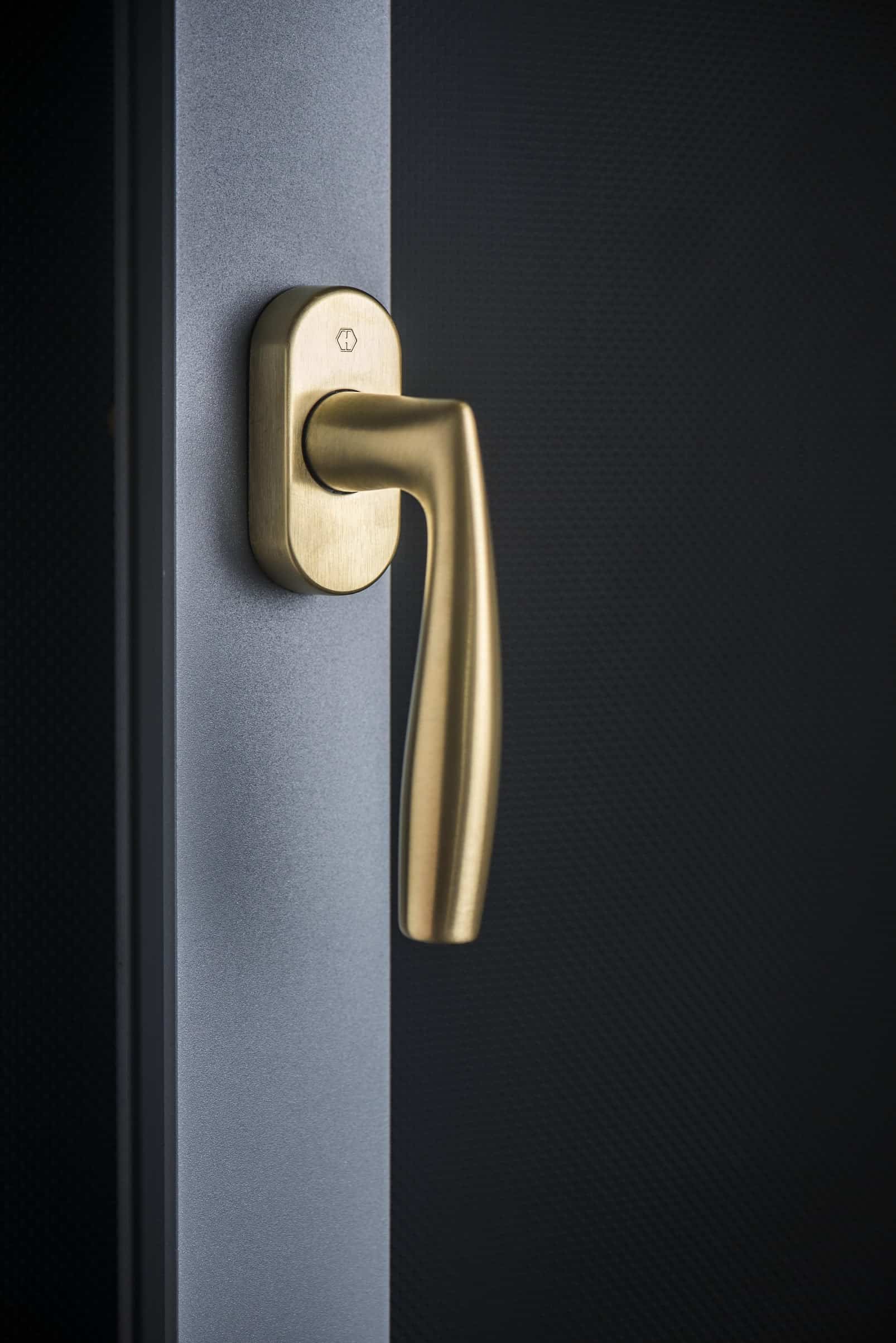
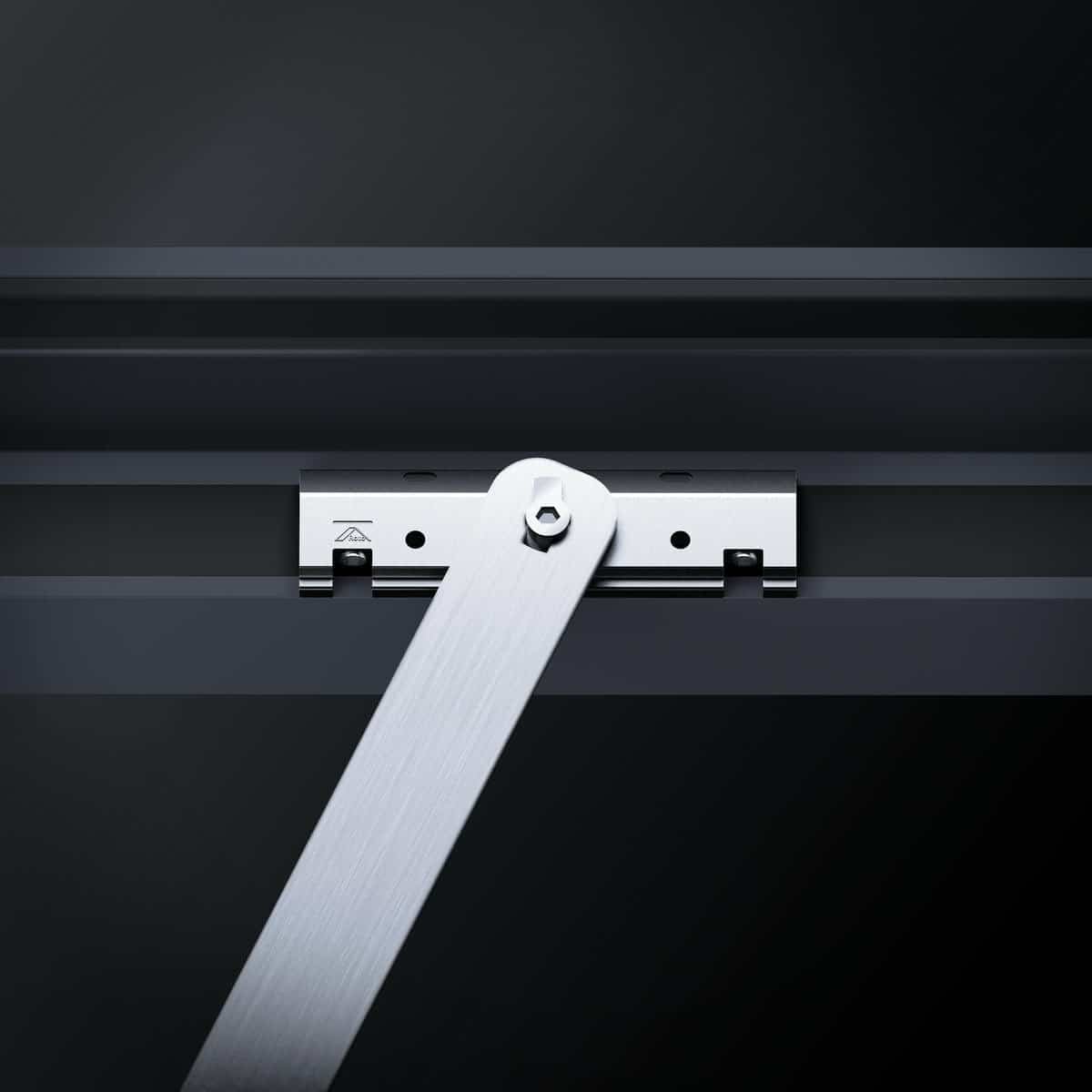
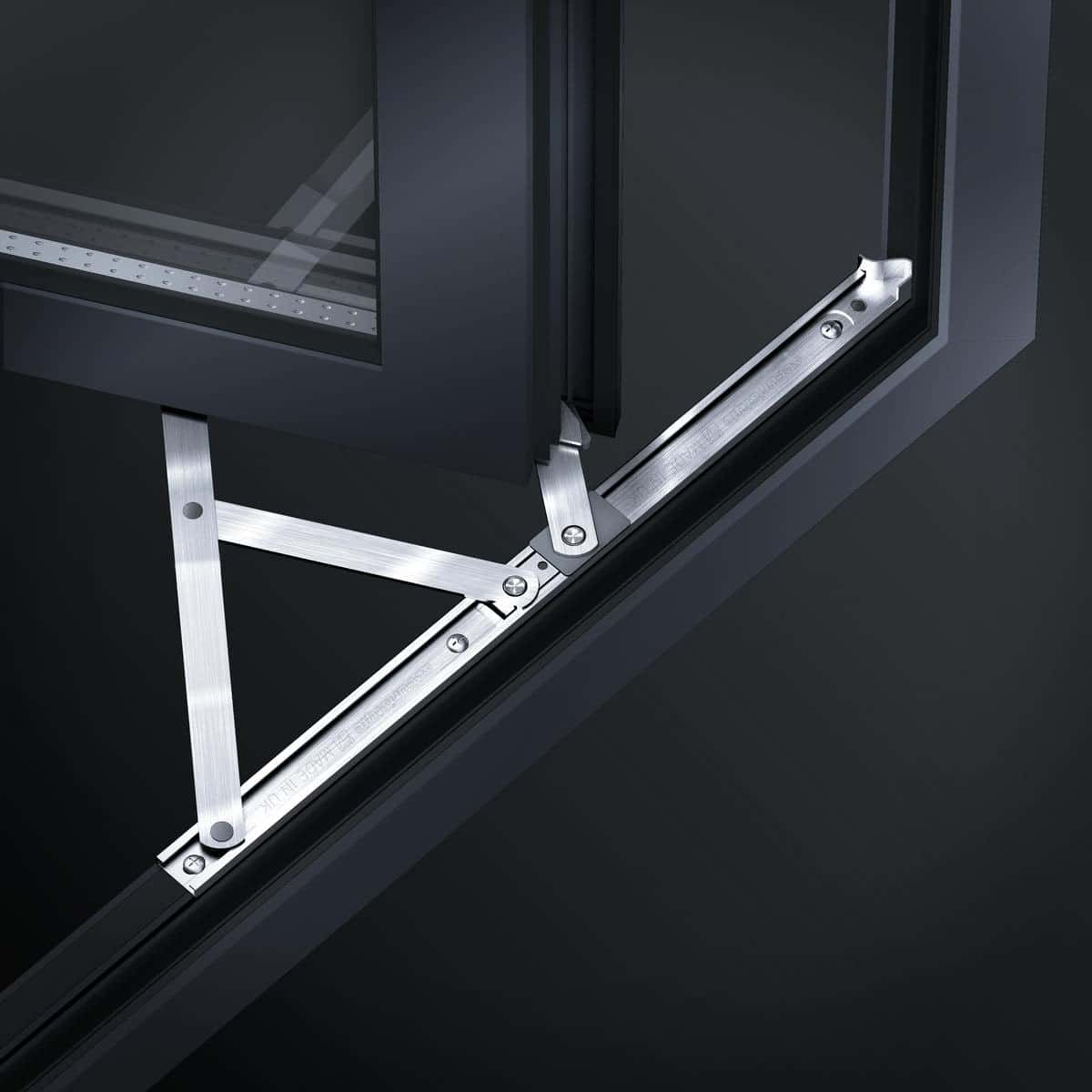
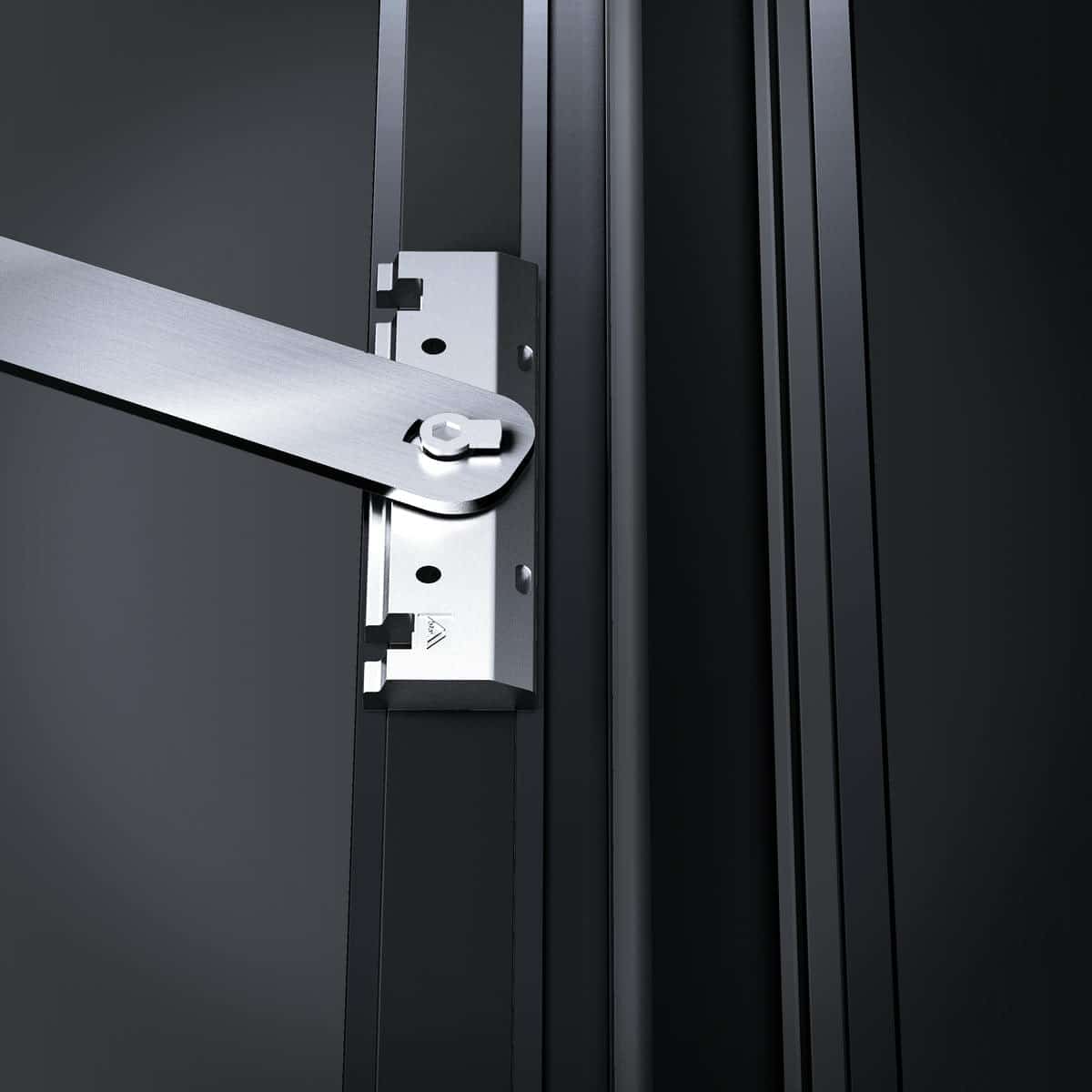
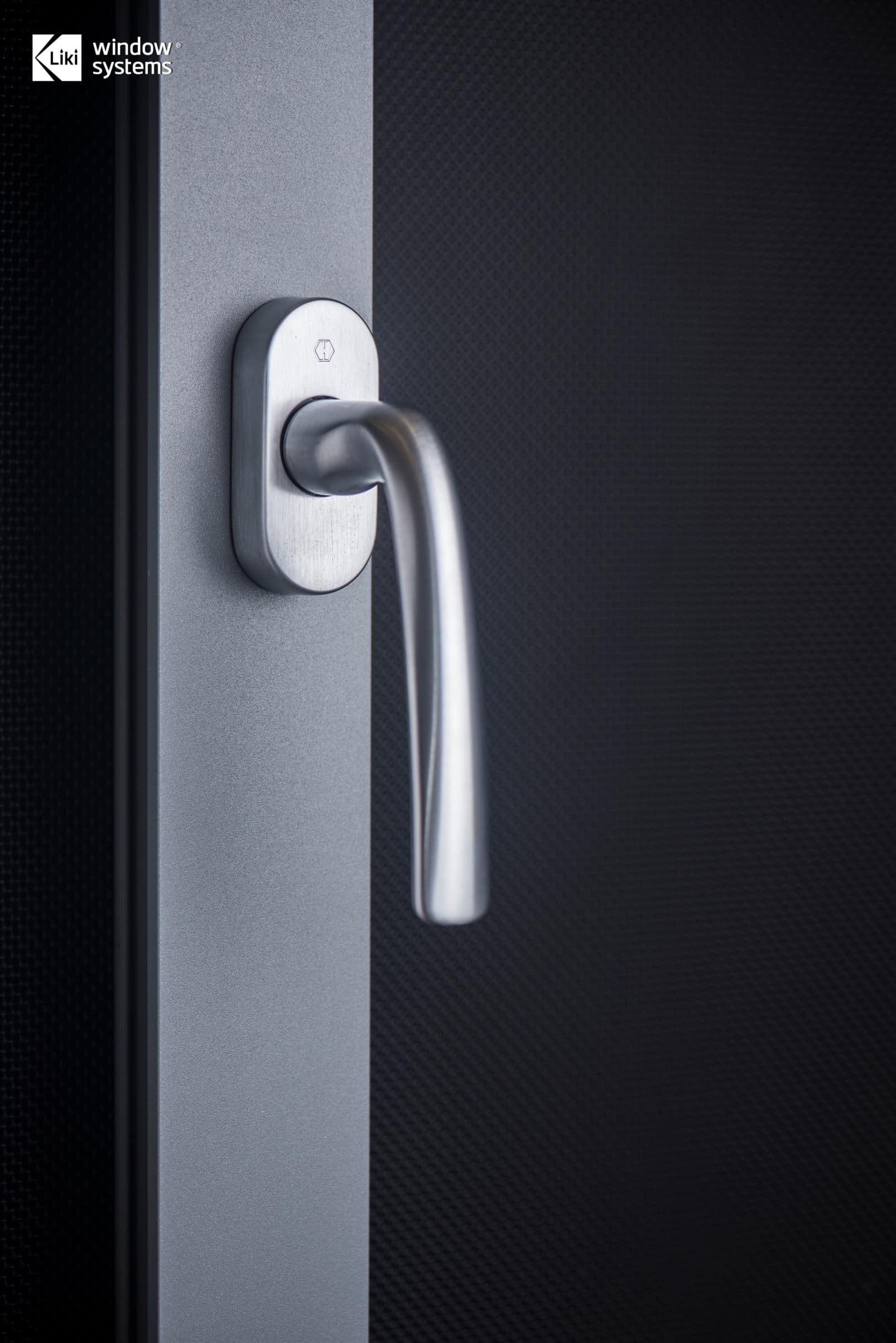
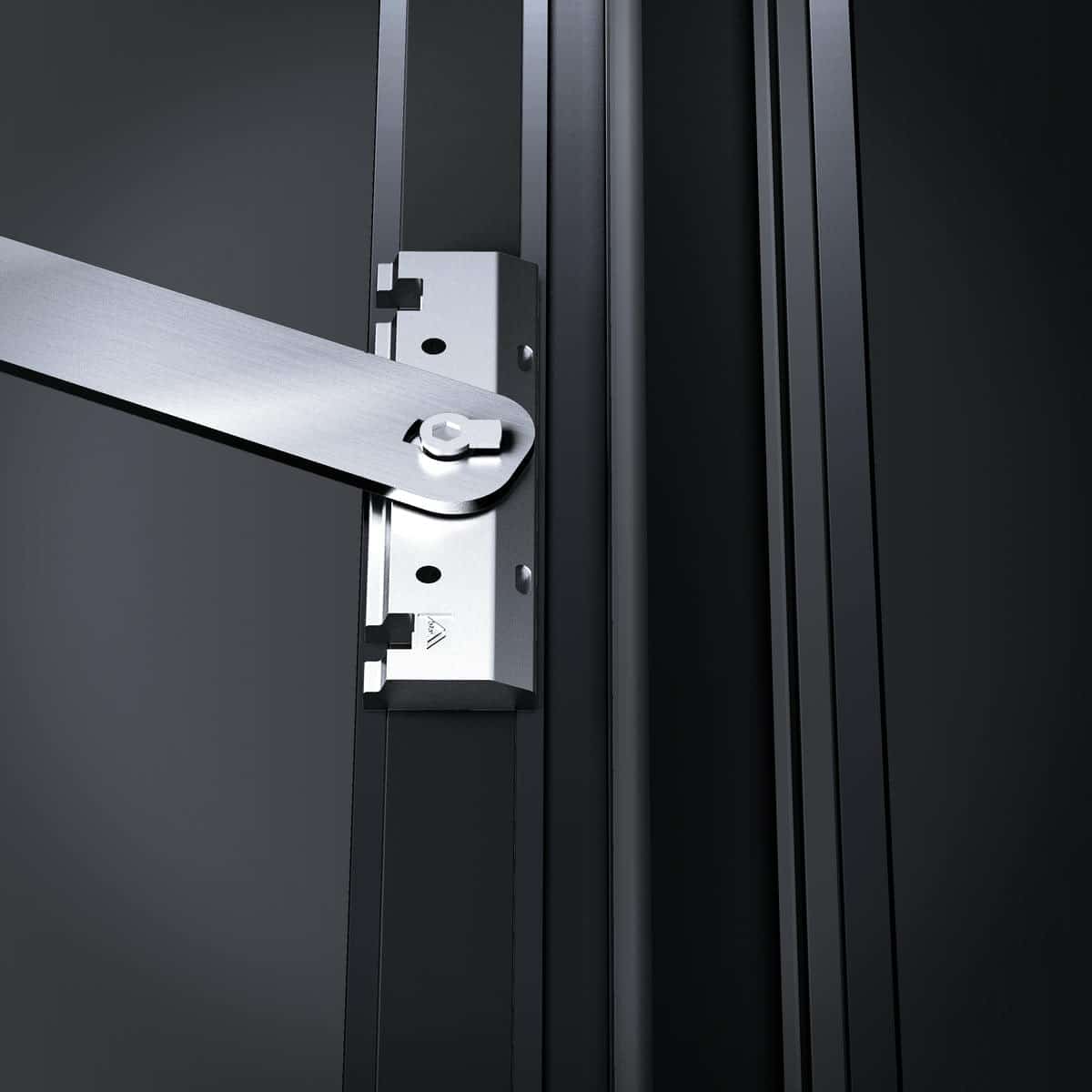
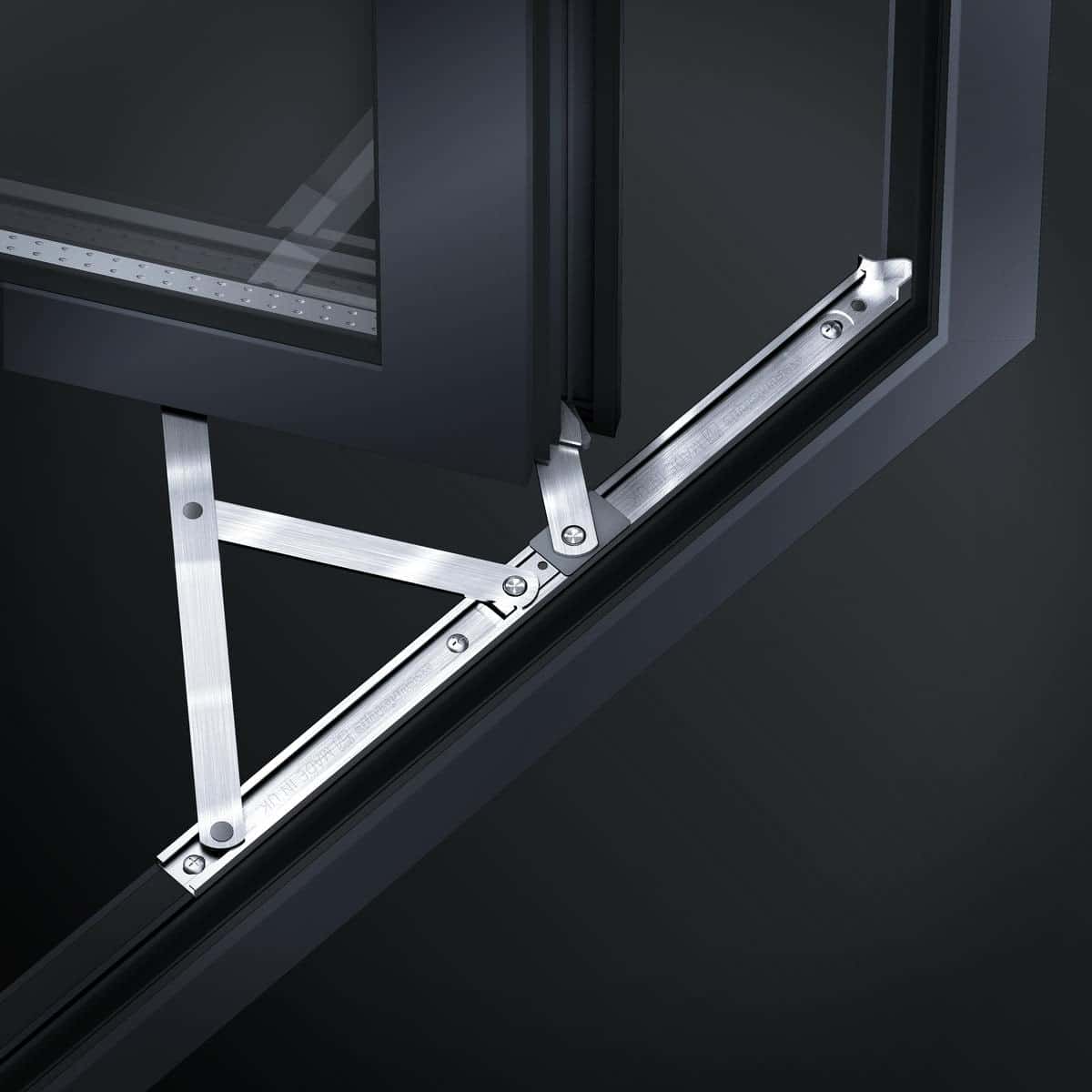
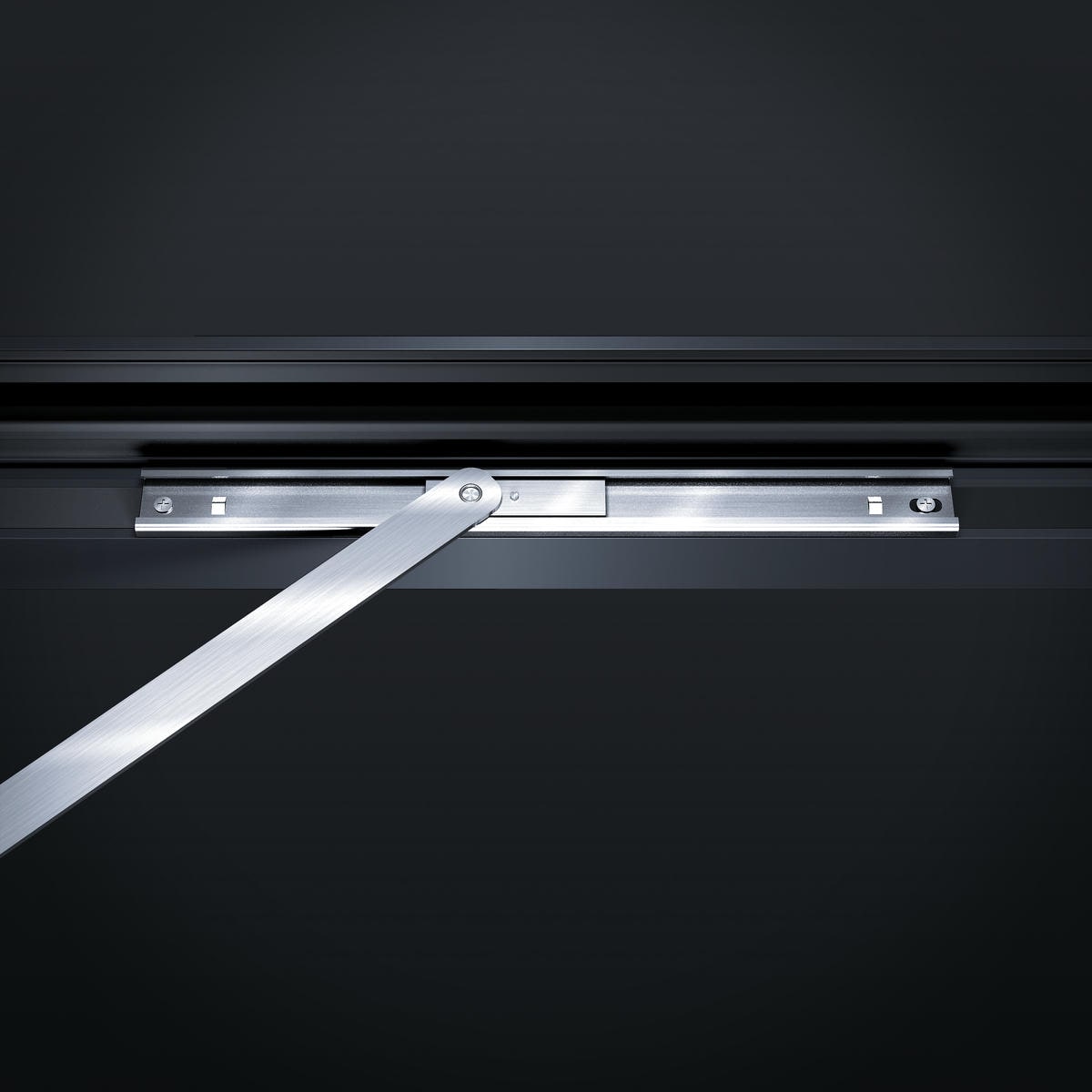
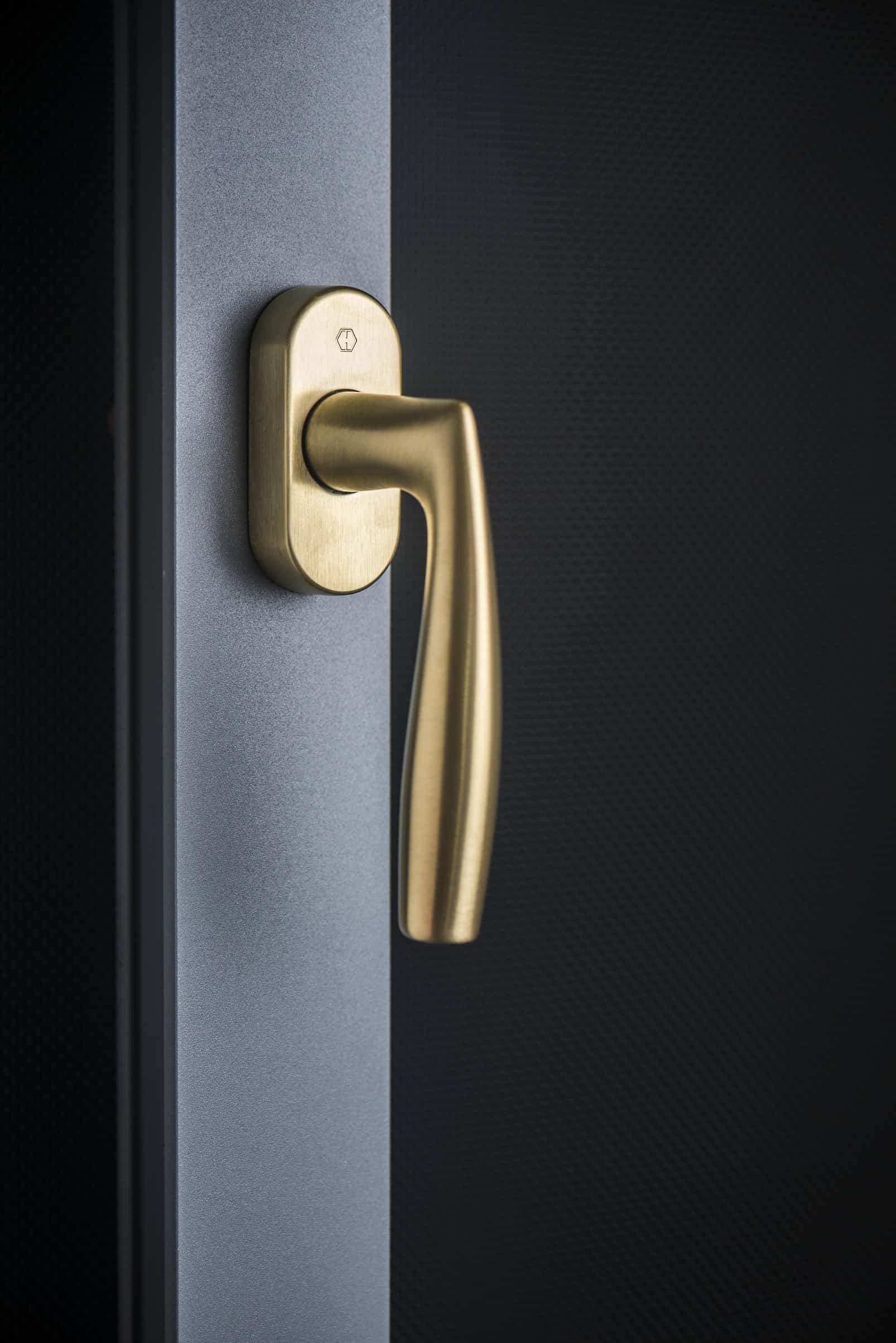
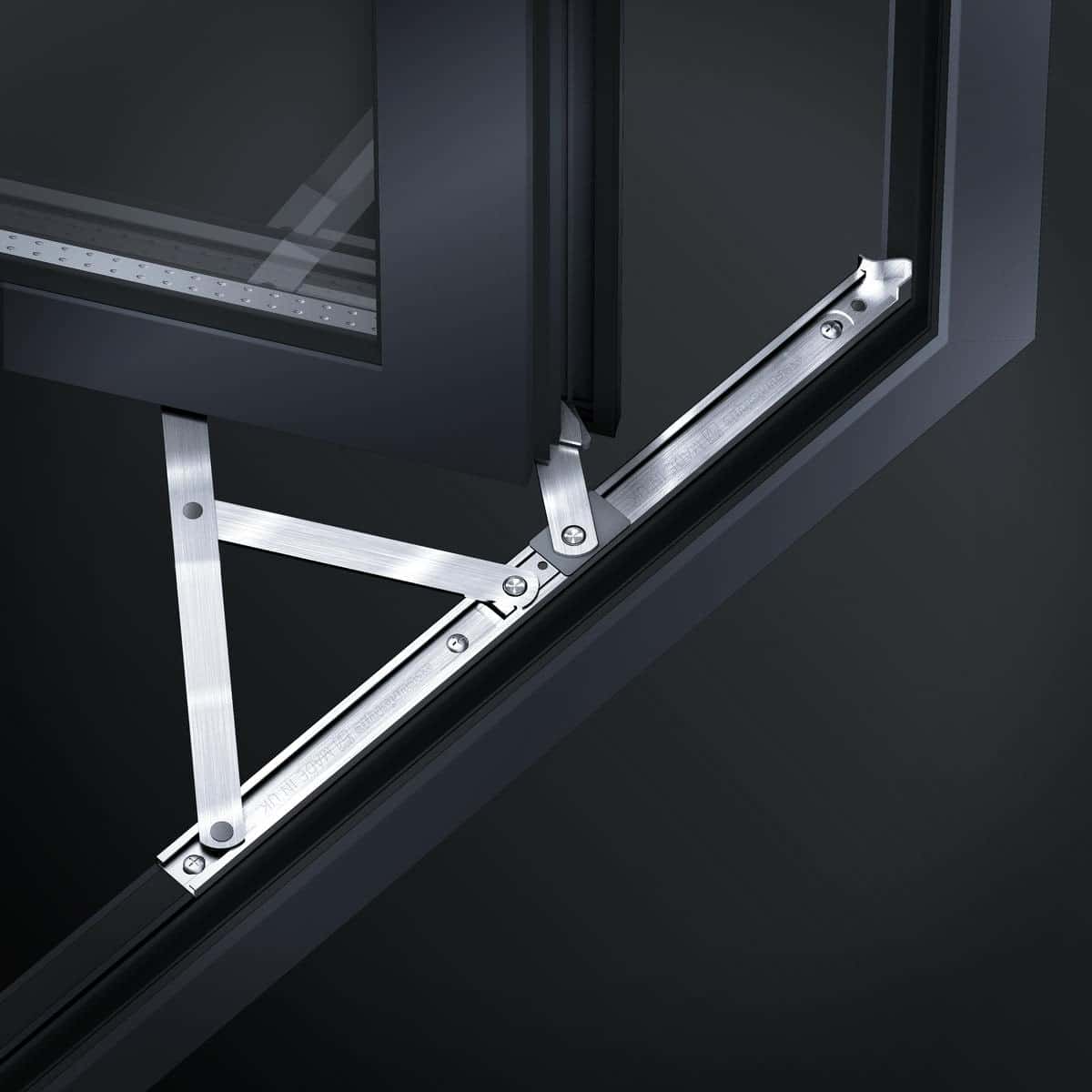
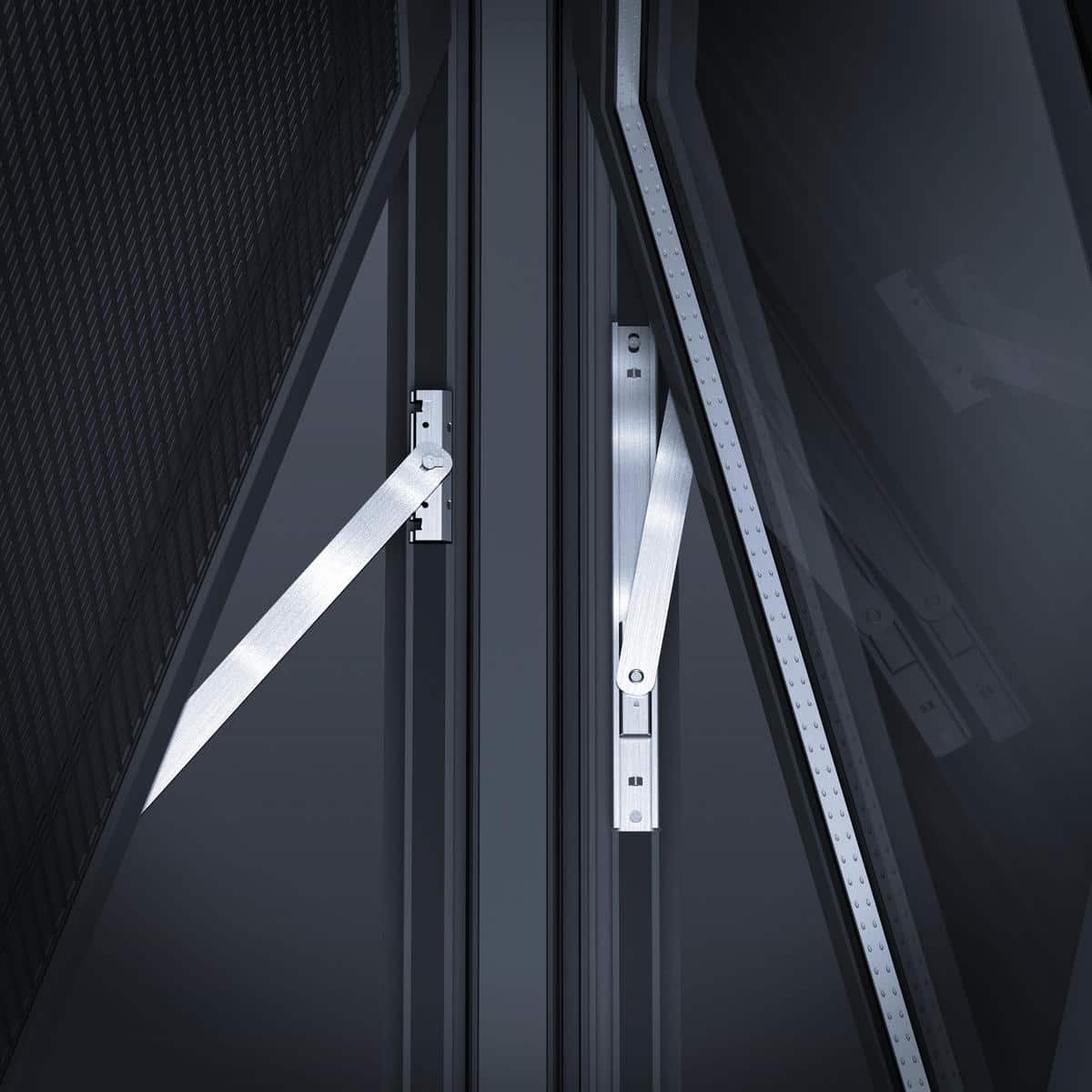
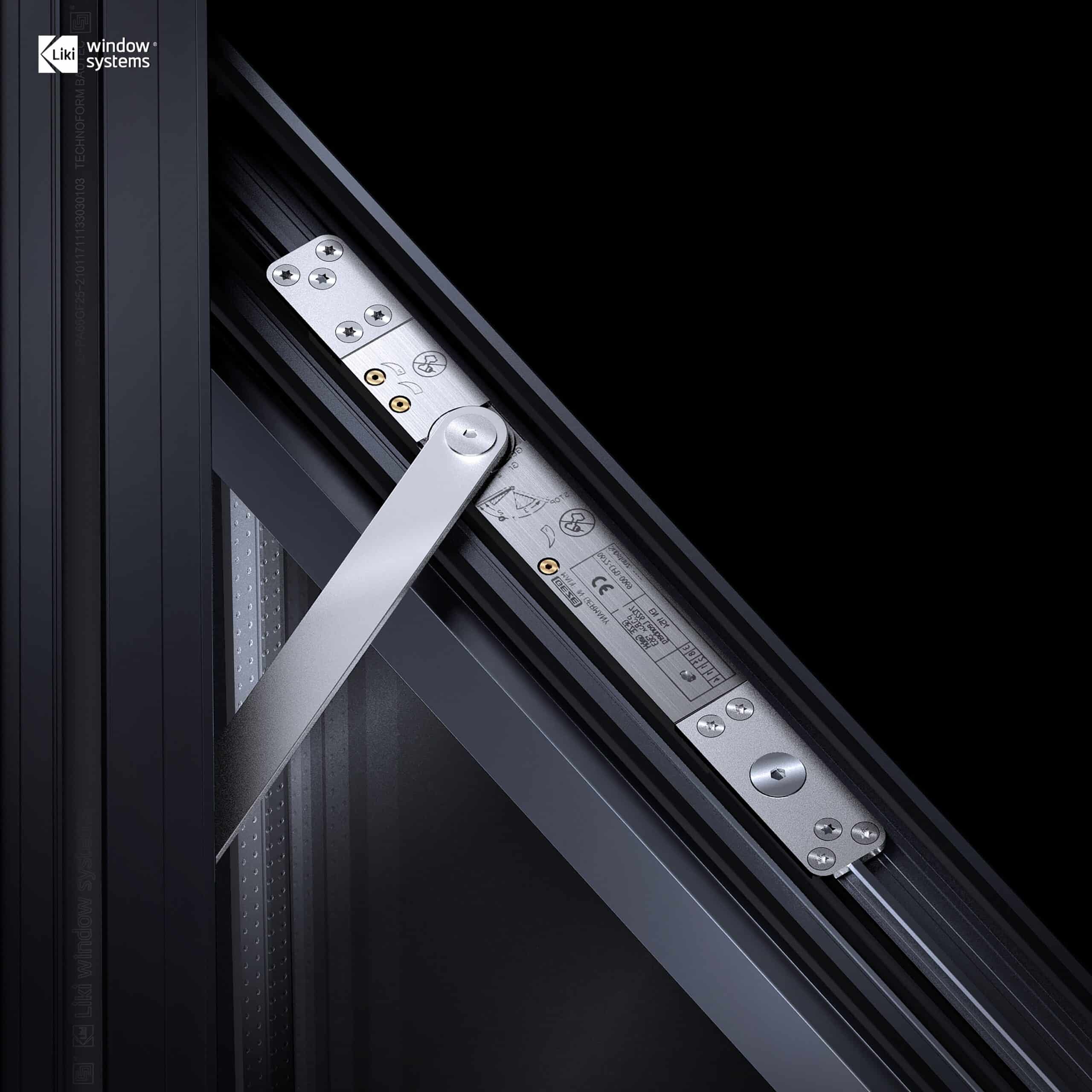
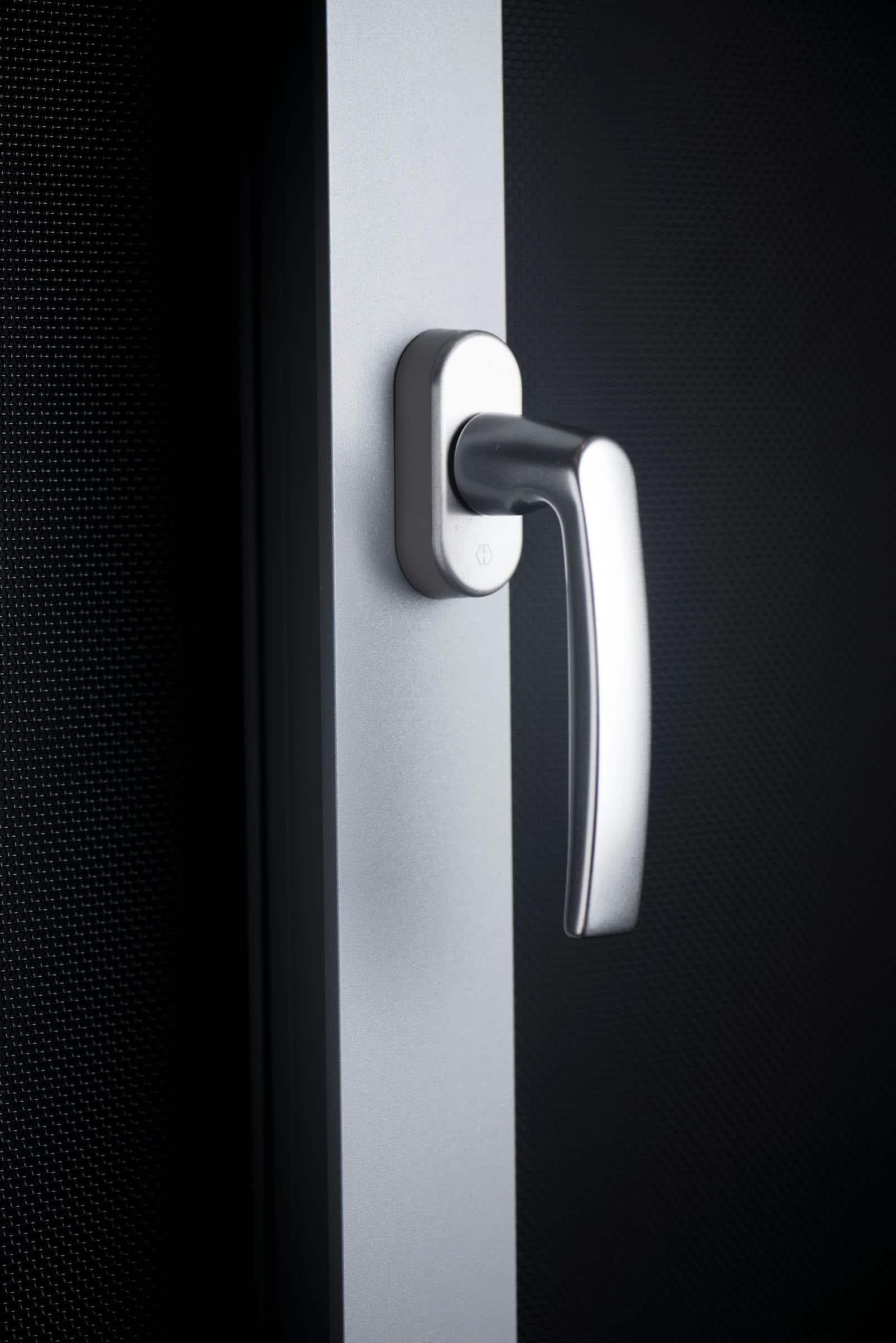
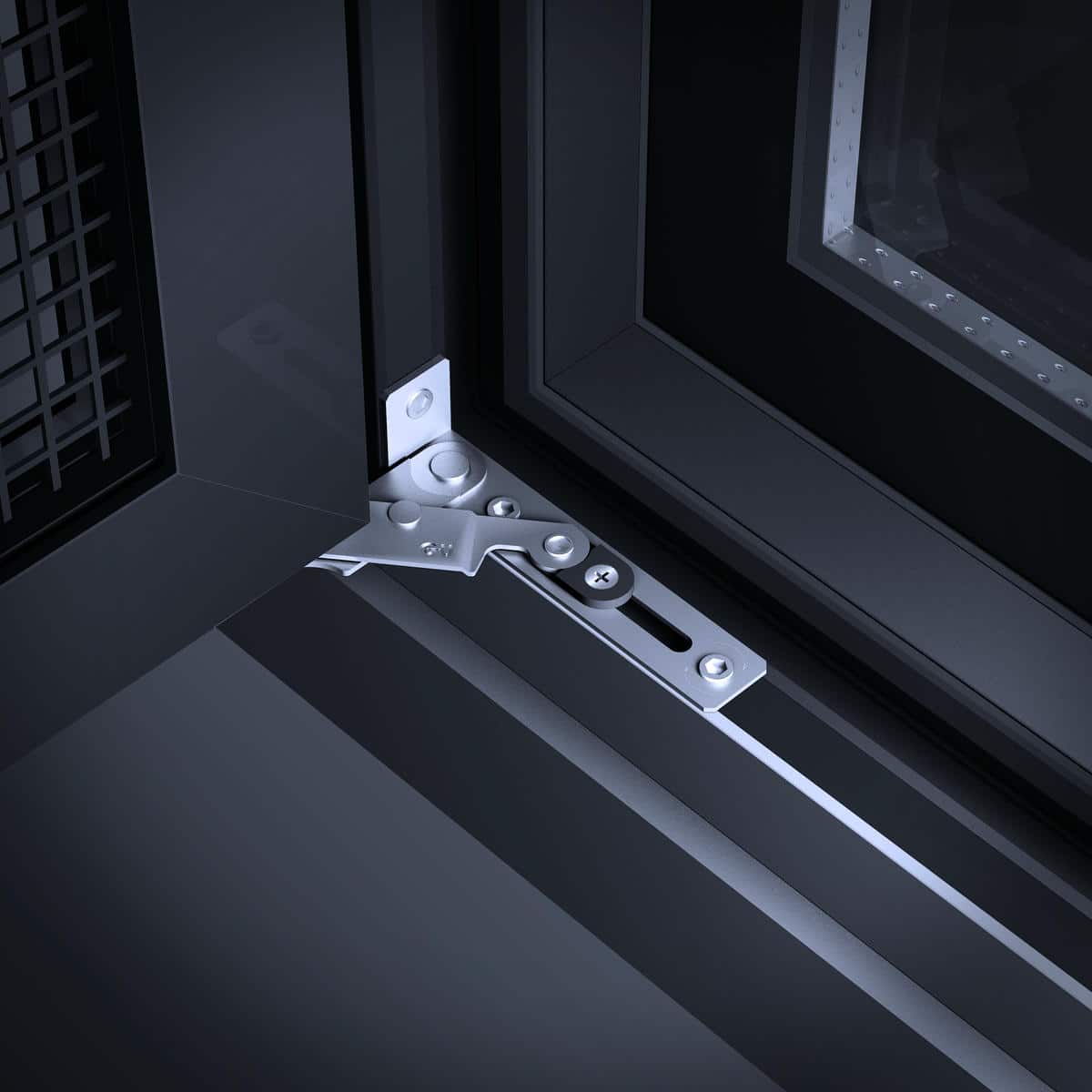
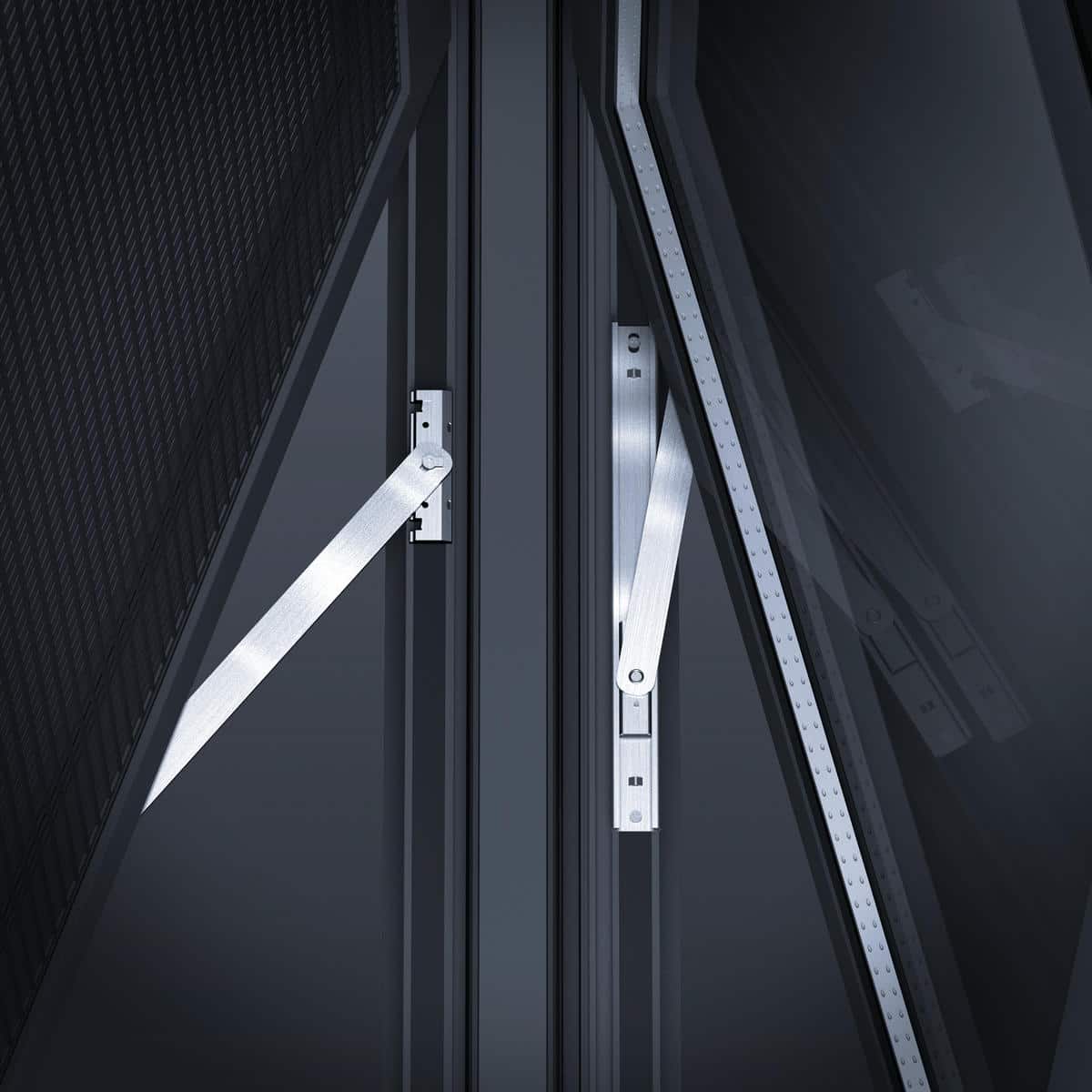
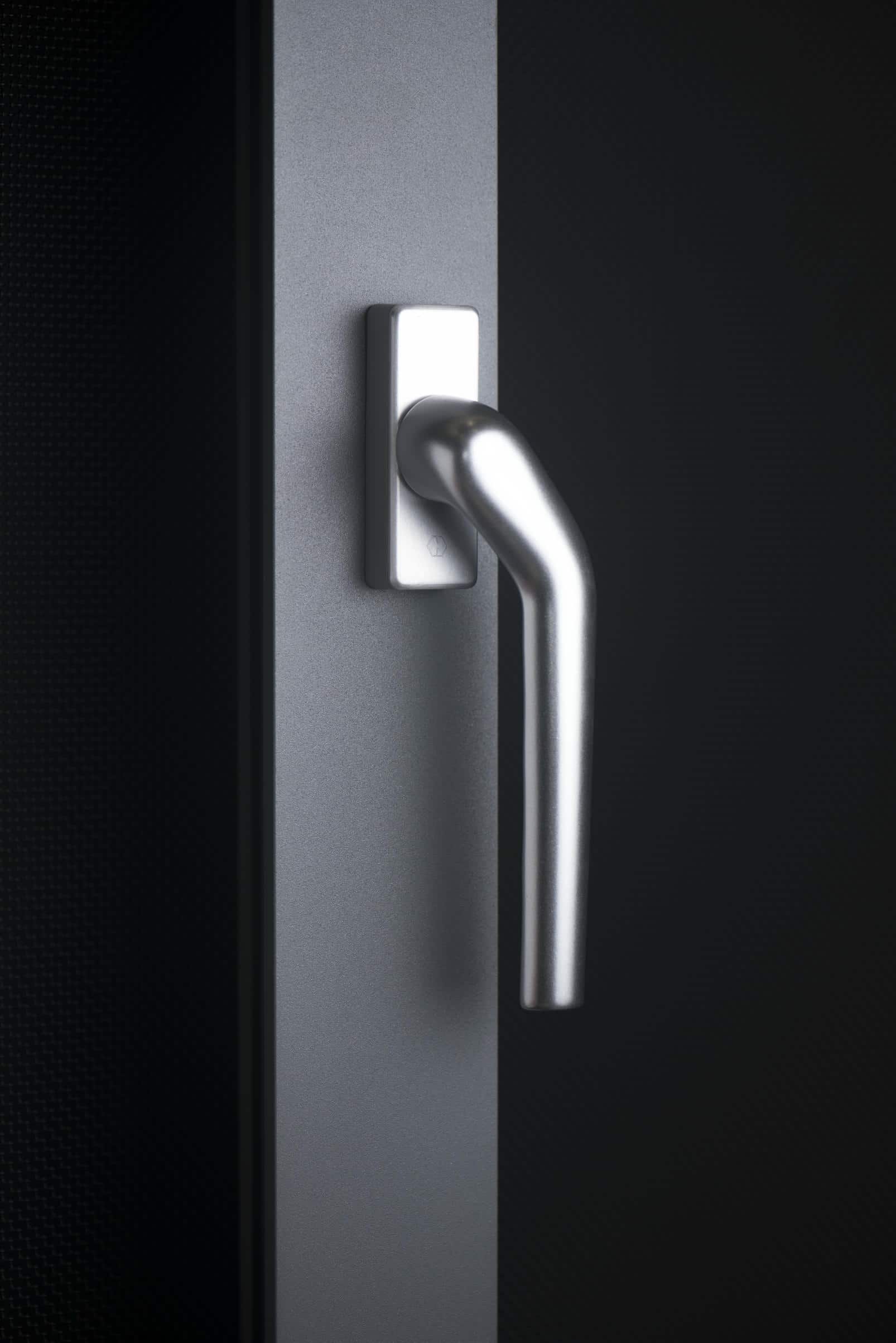
To counteract the immense gravitational pull on a massive top-hinged sash, standard hinges are entirely obsolete. LIKI’s custom aluminum awning windows are engineered to operate via heavy-duty friction stays. Rather than relying on a single pivot point, these multi-link stainless steel mechanisms distribute the weight of the sash evenly along the side jambs. We operate on a strictly Client Selected hardware model, allowing architects and builders to specify top-tier European mechanisms from proven brands like ROTO, HOPPE, GU, and FSB. This ensures that even at extreme dimensions, the opening resistance is precisely calibrated, and the sash remains perfectly aligned for decades without sagging.
Glazing Capacities for High-Performance
Thermal and acoustic performance heavily depends on the insulated glass unit (IGU). LIKI’s robust profile architecture provides an expansive glazing rebate capacity of up to 42mm. This structural depth easily accommodates thick triple-pane (triple-glazed) configurations, advanced dual Low-E coatings, and argon gas fills. While thicker glass significantly increases the structural demand on the frame, our 6063-T66 aluminum extrusions and high-load friction stays work in tandem to support these heavy, energy-efficient glazing packages without compromising smooth operability.
Specification Factor
Standard Residential Awning
LIKI Custom High-Rise Awning
Hardware Mechanism
Standard hinges (prone to sagging)
Client Selected heavy-duty friction stays
Max Sash Dimensions
Typically max 40″ x 40″
Up to 2000mm x 2000mm (78″ x 78″)
Glazing Capacity
Double-pane (up to 24mm)
Triple-pane / Laminated (up to 42mm)
Thermal Separation
Basic PVC or 16mm polyamide
30mm / 35mm Technoform® PA66
The High-Rise Drafting Board: Cost Drivers & Budgeting
Specifying custom aluminum awning windows for commercial facades or luxury residences involves dynamic cost variables. We maintain absolute transparency in our pricing structure by focusing on the engineering factors that directly influence the final budget. There are no arbitrary markups, only clear cost drivers tied to performance and scale.
Scaling Beyond Standard Limits
Size is the most significant cost driver. Pushing the boundaries of an awning window to expansive dimensions—such as approaching the 2000mm (approx. 78″) width threshold—fundamentally changes the hardware requirements. Upgrading to the highest-tier, multi-link friction stays to support the increased dead weight of the sash without sagging will increase the baseline cost per unit.
Glazing & NFRC-Compliant Configurations
Thermal targets dictate the glazing investment. NFRC certification is available for specific system configurations. To meet aggressive energy codes, upgrading from a standard dual-pane insulated glass unit to a heavy triple-pane (triple-glazed) configuration with advanced dual Low-E coatings and argon gas fill is often necessary. This glass upgrade is a primary budget variable. Because actual thermal performance (U-Factor, SHGC) and acoustic ratings depend entirely on the final glass makeup and dimensions, please consult LIKI’s system performance data sheets for project-specific calculations rather than relying on generic estimates.
Motorization & Smart Actuators
In high-rise curtain walls or clerestory applications where manual operation is physically impossible, motorization is required. Integrating concealed chain actuators, rain sensors, and smart building management system (BMS) controls will predictably increase the upfront investment, but it is a non-negotiable feature for functional accessibility in commercial designs.
The LIKI Advantage: Re-engineering the Awning Window
We do not rely on generic marketing claims; we rely on structural physics and an elite global supply chain. LIKI’s custom aluminum awning window systems, particularly our flagship 130ZKW platform, are engineered to solve the exact failure points that plague standard commercial windows under extreme loads.
The 78″x78″ Structural Ceiling
While standard awning windows max out at modest residential sizes, LIKI’s engineering architecture shatters these constraints. By integrating 6063-T66 structural-grade aluminum with deep, multi-chambered profiles, we confidently supply custom awning units up to a massive 2000x2000mm (78″x78″). We solve the industry’s “sagging sash” problem through structural mass and elite kinematics.
±4.5 kPa Wind Load Resistance
A window is only as good as its performance during a storm. Through the synergy of our heavy-duty extrusions, multi-layer EPDM sealing matrix, and multi-point locking mechanisms, LIKI systems deliver a structural wind load resistance of ±4.5 kPa. This ensures that even on the windward faces of high-rise buildings or in demanding coastal environments, the sash remains rigidly secured against the frame, eliminating drafts, rattling, and water infiltration.
Ideal Applications: Stormy Afternoons on the 20th Floor
It is a stormy afternoon on the 20th floor of a downtown luxury condominium. The wind is howling, driving heavy rain against the glass facade. Yet, inside the living space, it is perfectly serene. You effortlessly push open a massive, 78-inch wide custom aluminum awning window. The heavy-duty European friction stays engage with a satisfying, smooth resistance, holding the heavy triple-pane sash firmly in place without a hint of sagging or vibration. Outside, the rain is naturally deflected by the outward tilt of the glass, while a fresh, cool breeze flows continuously into the room. When you pull the sash closed, the multi-point hardware engages the multi-layer EPDM weatherstripping, instantly silencing the storm and sealing the interior in absolute, weather-tight comfort.
High-Rise Condominiums & Luxury Apartments
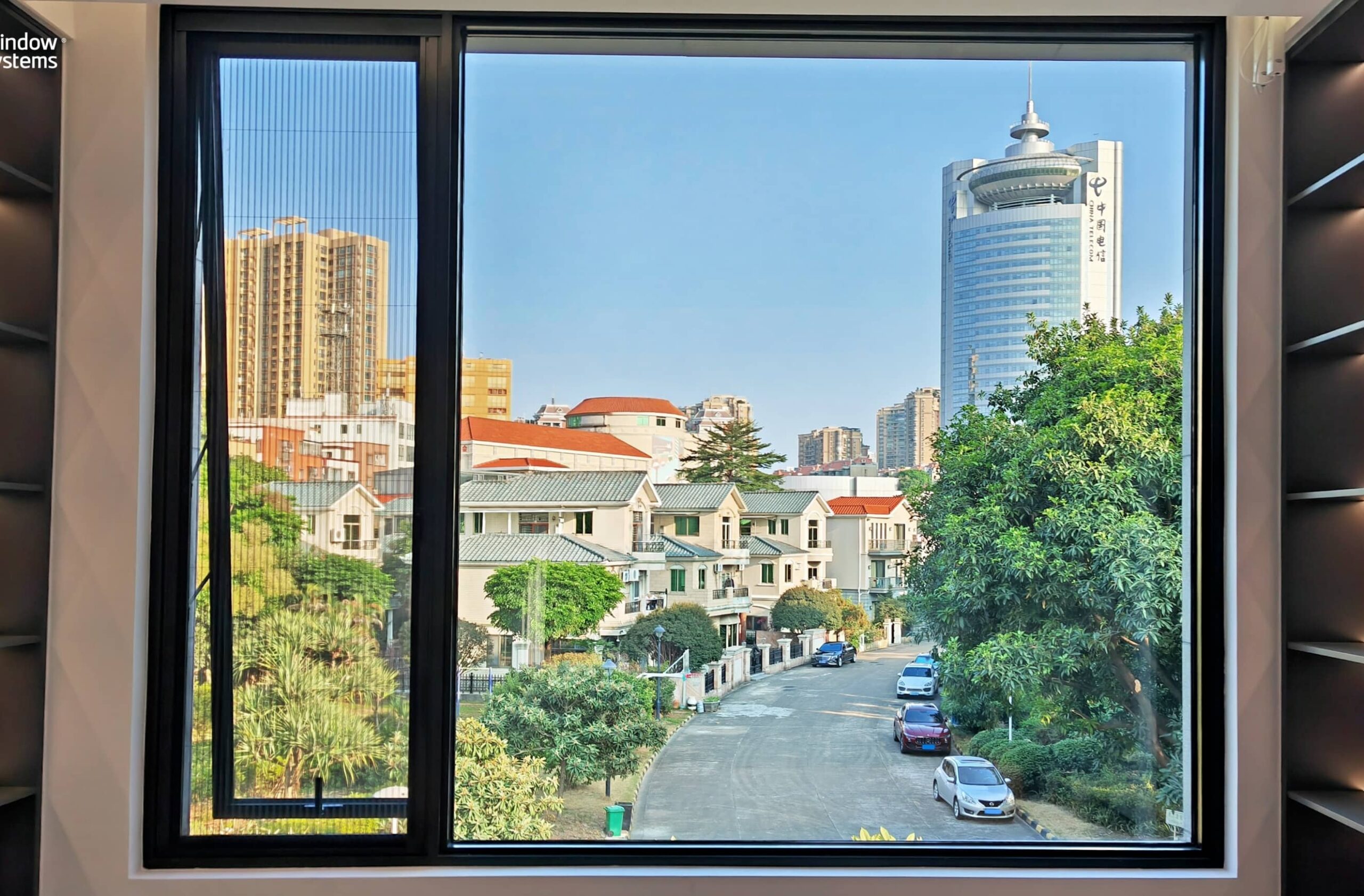
In high-rise residential architecture, occupants desire expansive landscape views without sacrificing the ability to introduce fresh air. Custom aluminum awning windows are the perfect solution for these environments. Their structural rigidity and heavy-duty friction stays allow for massive sash dimensions that frame the view, while the awning operation ensures that sudden weather changes do not result in interior water damage. For elevated or hard-to-reach openings, these units can be easily integrated with motorized architectural actuators.
Continuous Ribbon Windows in Commercial Builds
Commercial facades often utilize continuous ribbon windows to maintain a sleek, uninterrupted aesthetic. Standard operable vents can disrupt this visual consistency. However, LIKI’s custom aluminum awning windows are designed with a flush sash-to-frame relationship. When integrated into a ribbon wall, they remain virtually indistinguishable from fixed glazing when closed, preserving the architectural intent while providing necessary ventilation. If you are debating the best operational style for your facade, review our Awning vs. Casement Windows Decision Guide to understand the structural and functional differences.